In modern intralogistics, competitive advantage is increasingly defined by how efficiently operational data is captured and used. As industrial companies focus on warehouse efficiency, process optimization and data-driven decision-making, integrated weighing solutions are becoming a strategic asset rather than a standalone function.
By embedding weighing technology directly into material handling equipment, companies can transform everyday logistics movements into reliable data points. Without slowing down operations or adding manual steps.
From isolated weighing to integrated intralogistics processes
In many logistics and production environments, weighing is still treated as a separate activity. Goods are transported to fixed scales, weighed, and manually registered in systems such as WMS or ERP platforms. While this approach works, it introduces additional handling time, inefficiencies, and a higher risk of errors.
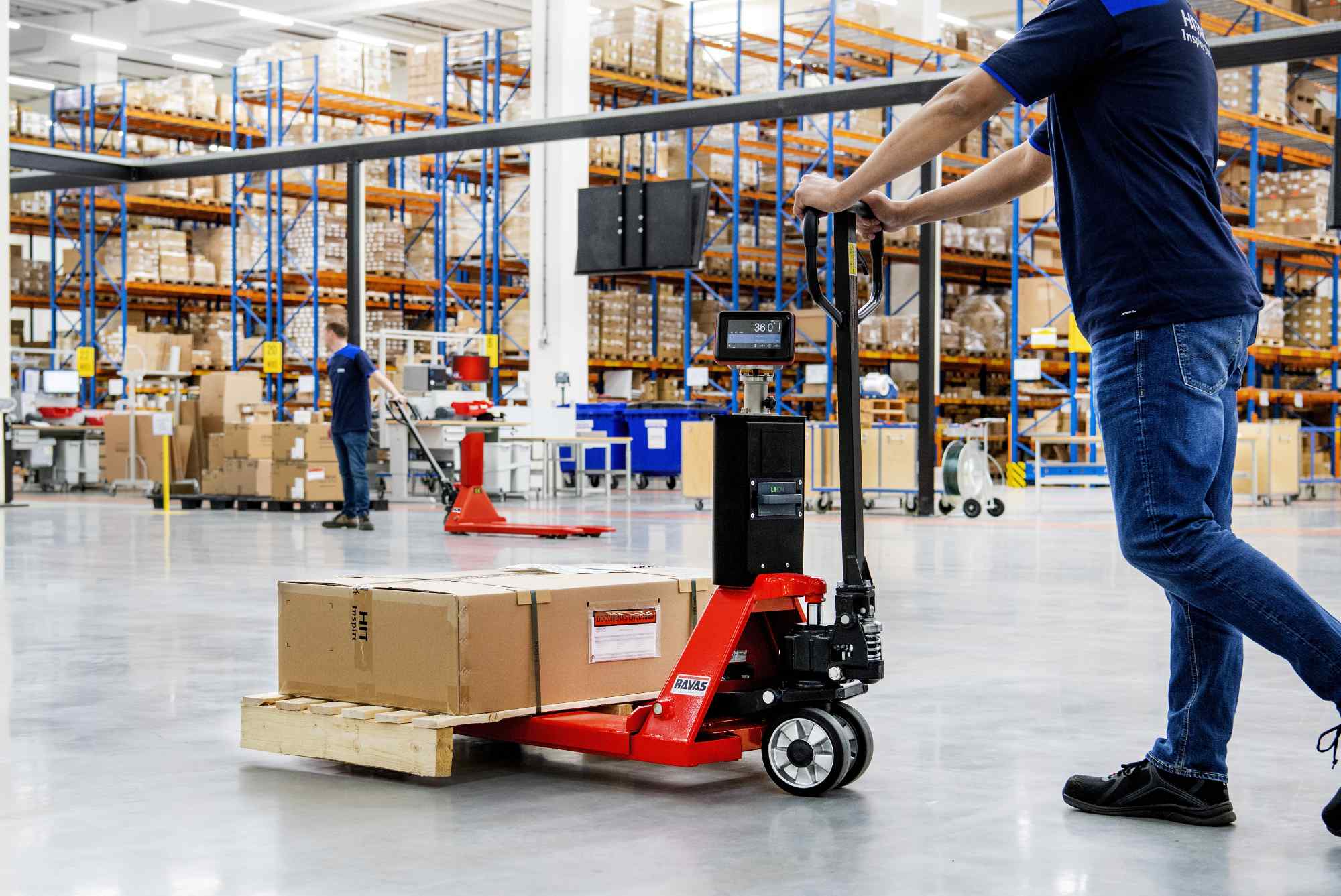
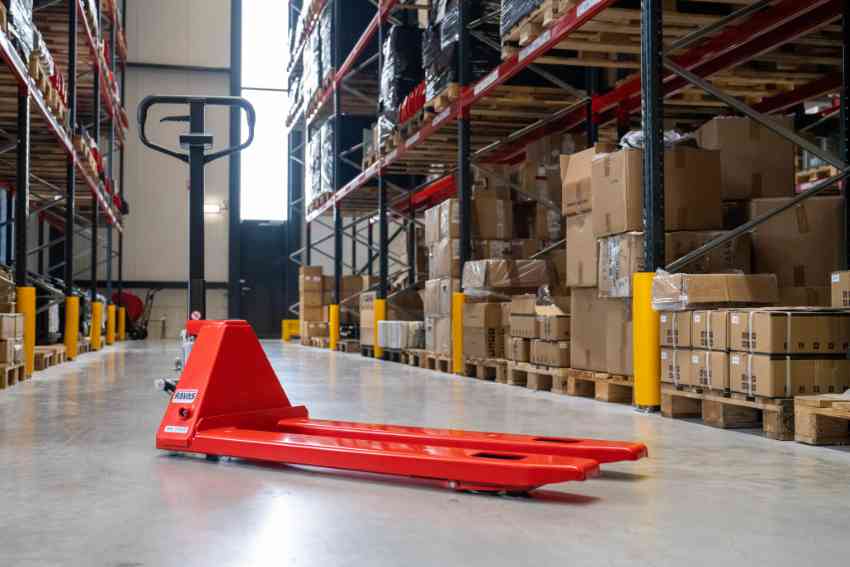
Integrated weighing takes a fundamentally different approach. By incorporating weighing systems into pallet trucks and other mobile equipment, weight data is captured during transport, at the exact moment materials are moved. This allows weighing to become part of the intralogistics workflow instead of a separate control step.
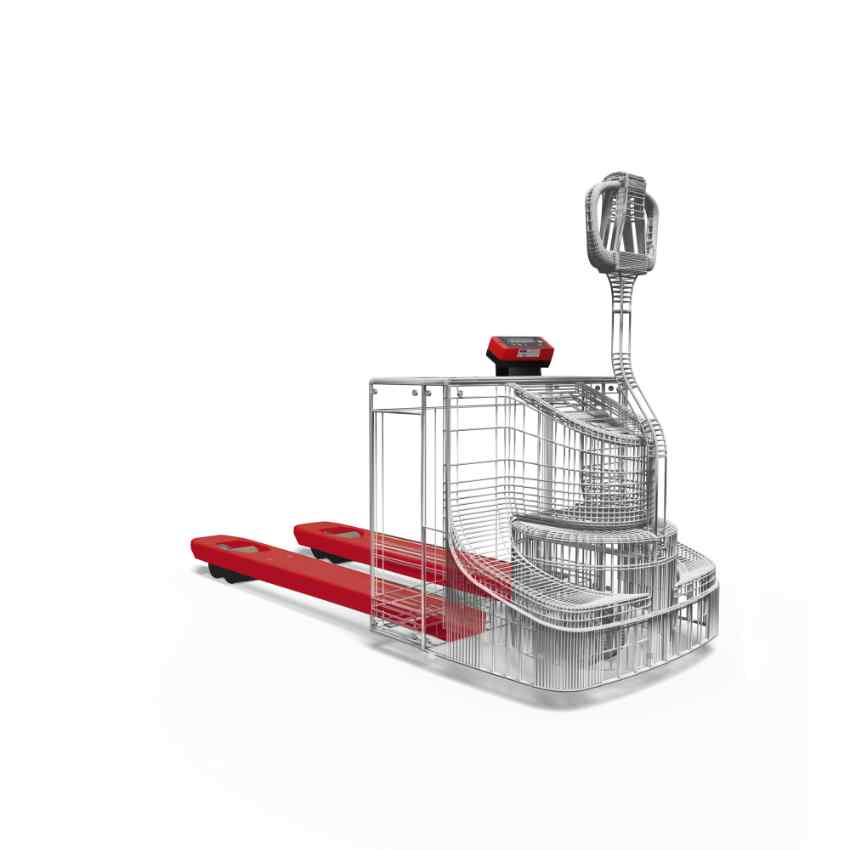
RAVAS Europe BV has been a specialist in this field for decades, offering mobile weighing solutions that combine physical handling with digital data capture. Solutions such as the RAVAS iForks and iCP Professional enable accurate weighing while transporting goods, supporting faster and more efficient logistics operations.
Improving warehouse efficiency at scale
The most immediate benefit of integrated weighing is improved efficiency. Eliminating separate weighing stations reduces handling time per pallet, which has a significant impact in high-throughput environments such as warehouses, production facilities, and distribution centers.
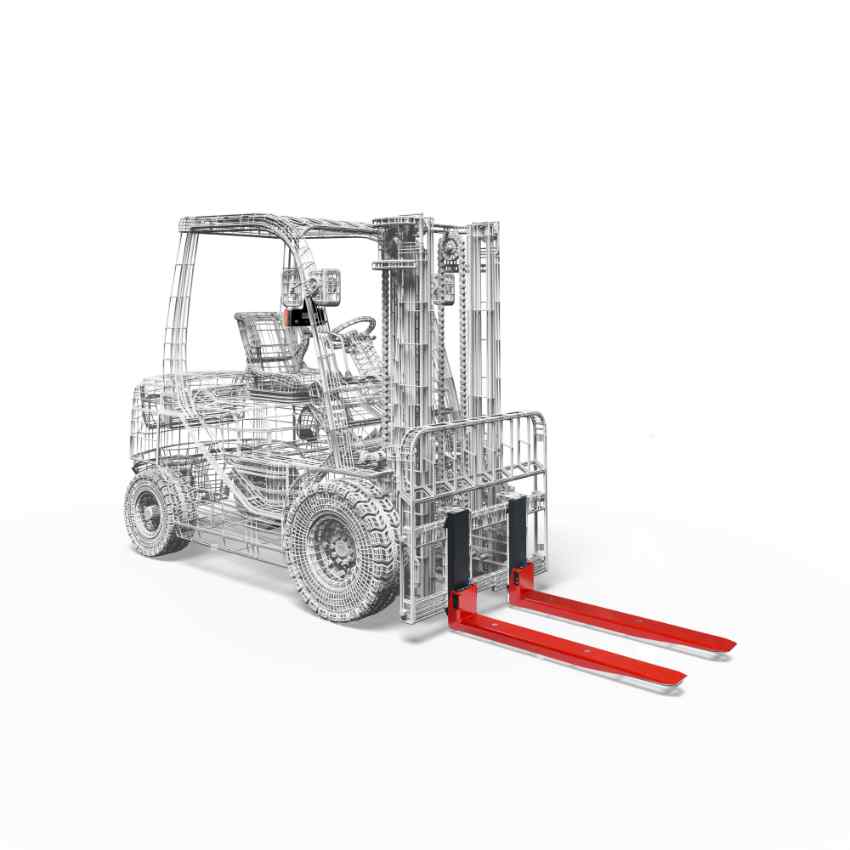
Integrated weighing also helps optimize load handling. Operators can instantly verify weights, preventing underloading or overloading of material handling equipment. This contributes to safer operations, reduced equipment wear, and more predictable logistics planning.
Additional operational and cost benefits include space savings, as mobile weighing solutions do not require dedicated weighing areas or fixed scales. Furthermore, safety is improved due to fewer unnecessary transport movements within the warehouse, reducing traffic, congestion, and the risk of accidents.
“Integrated weighing allows companies to combine operational efficiency with data reliability,” says Bert de Greeff, Manager of Marketing, Communications & Product Management at RAVAS Europe BV. “By capturing weight data directly during transport, organizations gain real-time insight without adding complexity to their intralogistics processes.”
From weighing data to actionable logistics insight
Beyond operational efficiency, the strategic value of integrated weighing lies in data integration. When weight data is automatically transferred to WMS, ERP, or production systems, it becomes part of a broader Industry 4.0 data ecosystem.
This enables companies to improve inventory accuracy, support quality control, and strengthen traceability across the supply chain. In regulated industries and precision-driven environments, reliable weight data also support compliance, reporting, and audit requirements.
Real-time access to logistics data allows organizations to respond faster to deviations, optimize material flows, and make better-informed decisions. Instead of relying on delayed or manually entered information, integrated weighing provides immediate visibility into operational performance.
Technology designed for daily logistics operations
A key success factor of mobile weighing solutions is usability. While digitalization often increases system complexity, integrated weighing systems are designed to fit seamlessly into existing workflows.
Intuitive operation minimizes training requirements and supports high user acceptance on the warehouse floor. By combining robust hardware with smart data connectivity, integrated weighing solutions support productivity while delivering valuable logistics data to management systems.
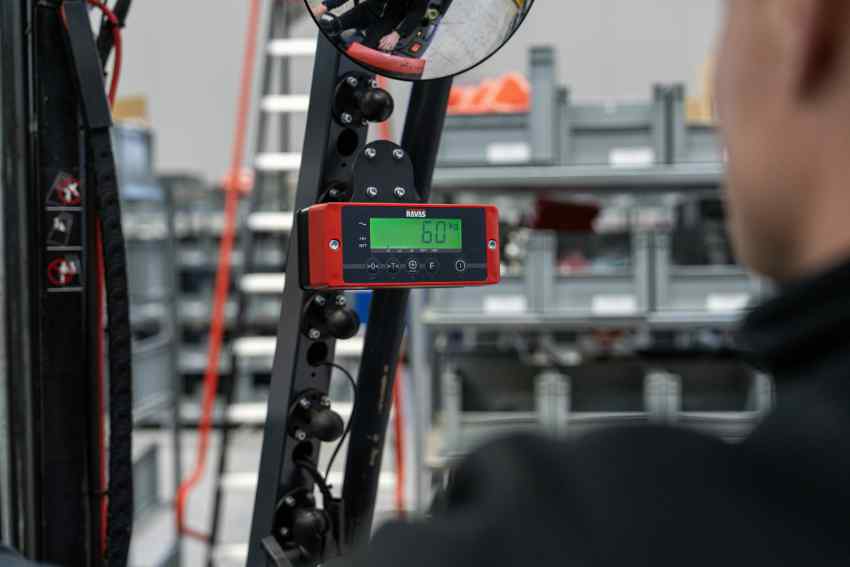
The latest weighing technology even enables fully automatic weighing. No manual button operation by the driver is required, eliminating the risk of user errors. Weighing takes place on-the-fly, while driving, and can be certified legal for trade. This is made possible by advanced and intelligent algorithms that ensure accuracy and reliability under dynamic conditions.
A foundation for data-driven intralogistics
As companies continue to invest in digital transformation and process optimization, integrated weighing is increasingly seen as part of long-term intralogistics strategies. Embedding measurement directly into transport equipment creates continuous visibility during material movement, where data accuracy matters most.
Rather than treating weighing as a separate task, integrated solutions make it a natural component of data-driven logistics operations. This approach not only improves efficiency today but also provides a scalable foundation for future automation and digitalization initiatives.
For industrial organizations aiming to strengthen their competitive advantage, integrated weighing demonstrates how operational efficiency and data integration can work together. Delivering measurable value without unnecessary complexity.
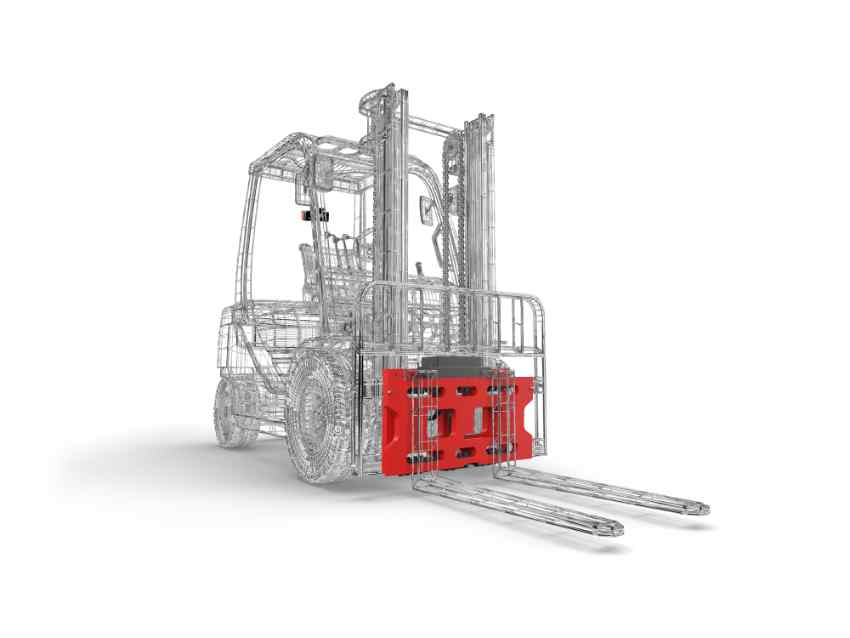
RAVAS Europe BV develops and supplies integrated weighing solutions for intralogistics, combining mobile weighing technology with data integration for warehouses, production environments and distribution centers. The company focuses on embedding weighing directly into material handling processes to support efficiency, accuracy, and data-driven operations.
In collaboration with technology partners, RAVAS also enables the integration of weighing data with dimensioning data. This allows organizations to capture both weight and volume information in a single workflow, further enhancing logistics transparency, optimization and data quality.