Based in the US and Italy, Axtra3D is a global company specializing in Hi-Speed SLA systems that eliminates tradeoffs between print throughput, accuracy, feature resolution, and surface finish, typically found in traditional SLA or DLP systems.
Interview with Rajeev Kulkarni, Chief Strategy & Marketing Officer at Axtra3D.
A brief description of the company and its activities.
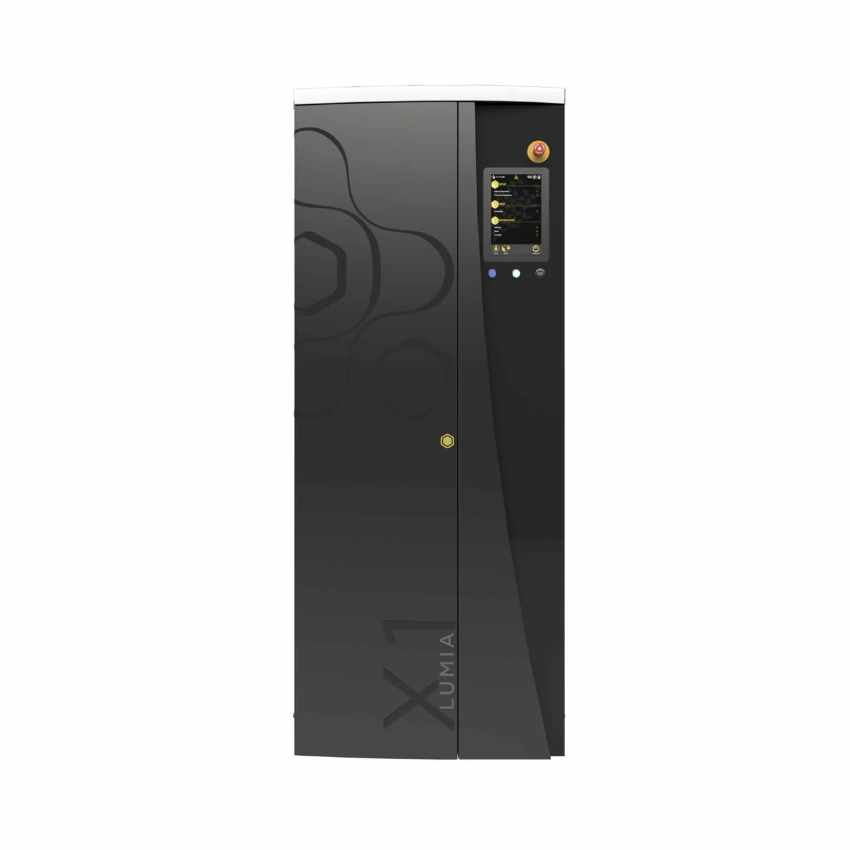
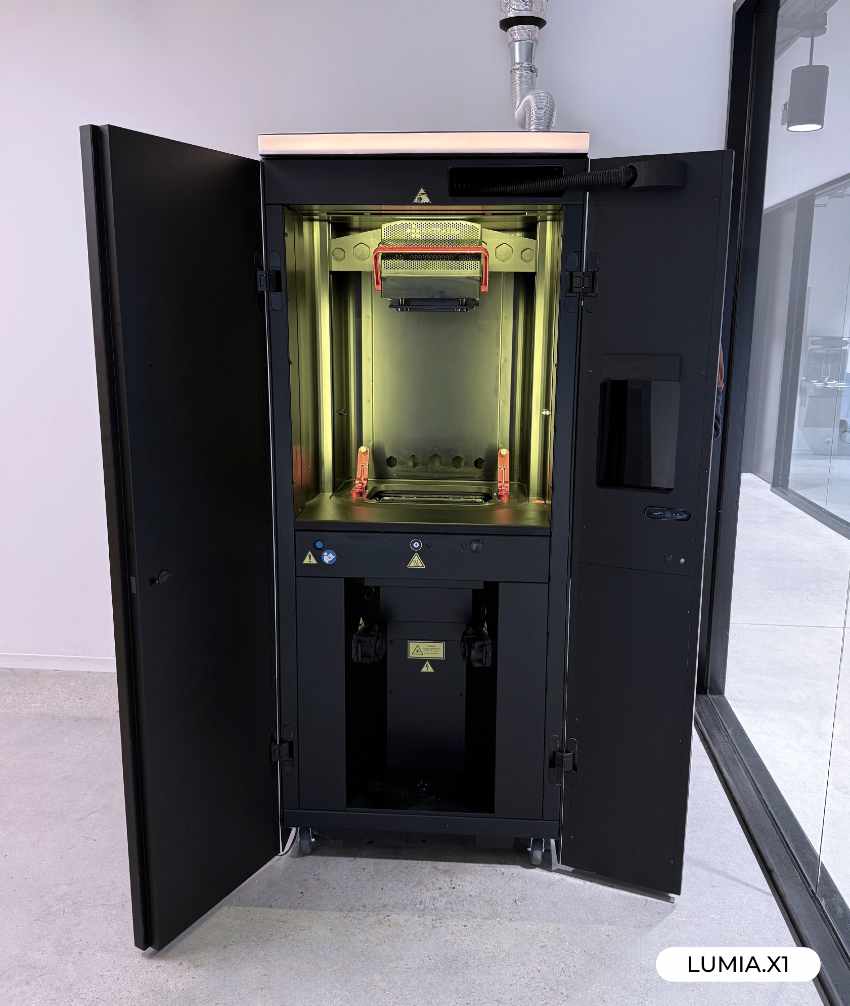
Rajeev Kulkarni: The flagship Lumia X1 Hi-Speed SLA system by Axtra3D represents a significant advancement, combining its Hybrid PhotoSynthesis (HPS) resin polymerization process with TruLayer, a layer separation technology.
HPS utilizes both a laser and a DLP to image simultaneously, while TruLayer enables rapid detachment of the active print layer, resulting in a 20X throughput improvement while preserving the accuracy and fidelity of SLA parts.
Axtra3D operates with two business models:
Axtra Solutions™: This model provides fully optimized, turnkey 3D printing solutions, fine-tuned for maximum performance and reliability.
Axtra OpenAccess™: This model further builds on Axtra Solutions™ and allows customers the flexibility to experiment with their own materials and applications. It supports innovation and flexibility, enabling added flexibility.
What are the main areas of activity of the company?
R.K: Hi-Speed SLA technology unlocks new applications for industries that demand the highest performance. It does so by marketing and providing the LumiaX1 photopolymerization 3D Printers, the only one on the market that uses a DLP and a laser source simultaneously.
With increasing adoption across key industries such as aerospace, medical, automotive, industrial and consumer goods. The company’s innovative approach is resonating with both service bureaus and end-users who seek high-performance AM solutions with no compromises. It has also partnered with 9 different material partners to develop an open material ecosystem around its solutions.
Its two uniquely enabling applications that have driven global adoption are ceramic mold inserts, which allow customers to move from idea to injection-molded parts within a single shift, and a true silicone solution that retains the mechanical and chemical properties required for medical devices, wearable technology, and industrial components and seals. Additionally, there are ten other qualified solutions for various applications.
What’s the news about new products/services?
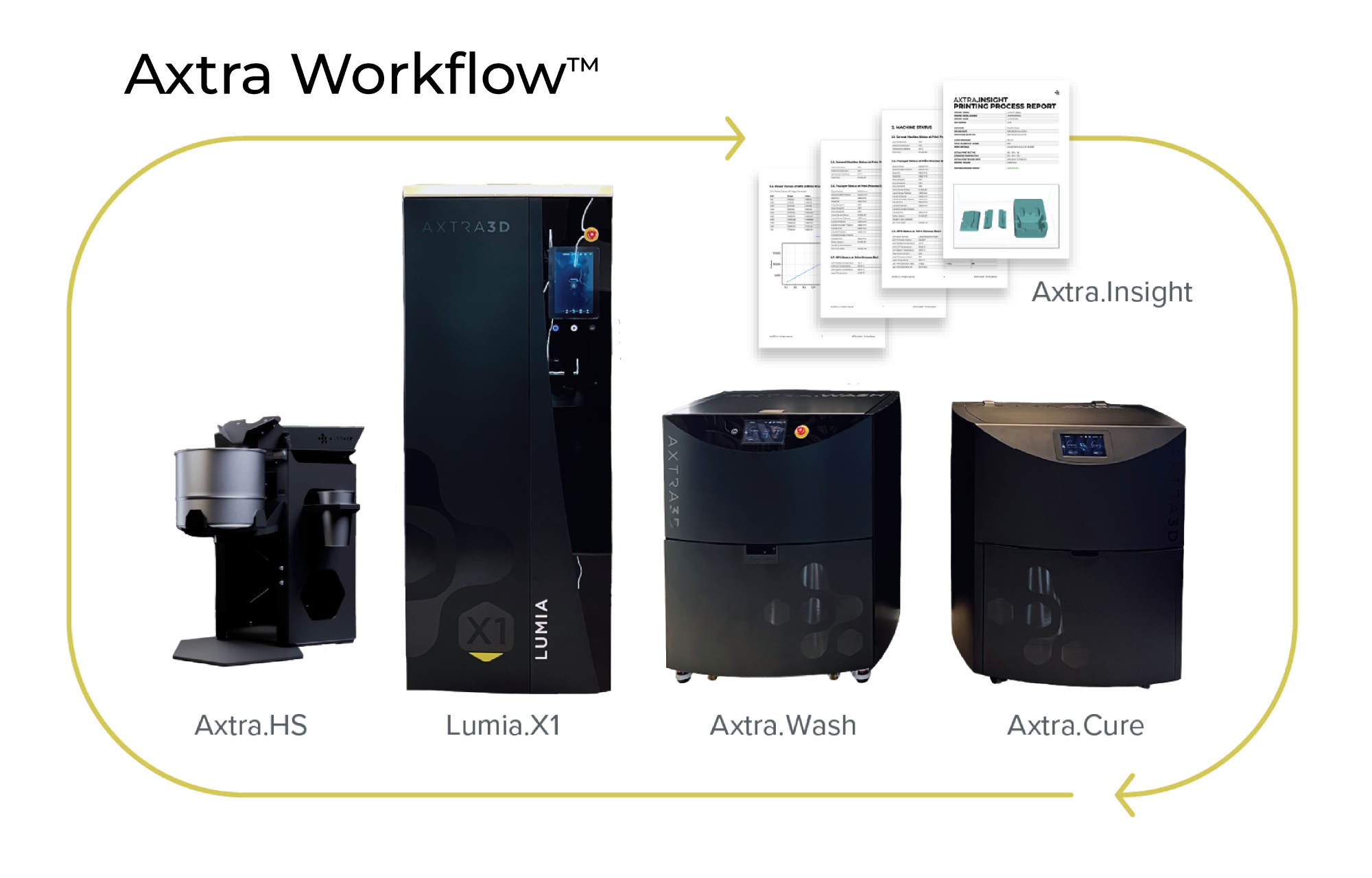
R.K: Axtra3D has just launched “Axtra Workflow” – a fully connected photopolymer manufacturing workflow that transforms additive manufacturing from a set of fragmented steps into a true production system. Instead of optimizing only the printer, Axtra3D digitally unifies build preparation, printing, washing, curing, and inspection into a single, validated process.
At the core is a shared data model that embeds material profiles, exposure strategies, wash recipes, cure cycles, and thermal treatments into every build. These settings travel with the part across the entire workflow, creating closed-loop manufacturing where parameters are inherited, verified, and continuously improved.
Axtra Insight adds layer-level monitoring, traceability, and certification by capturing real-time machines and post-processing data and turning it into digital batch records. This makes photopolymer printing auditable, qualifiable, and scalable.
The result is consistent quality, faster qualification, regulatory readiness, and the ability to deploy production polymer AM confidently across sites and applications and accelerates adoption.
What are the ranges of products/services?
R.K: Axtra is proud to offer a full AM solution with Axtra Workflow. That includes:
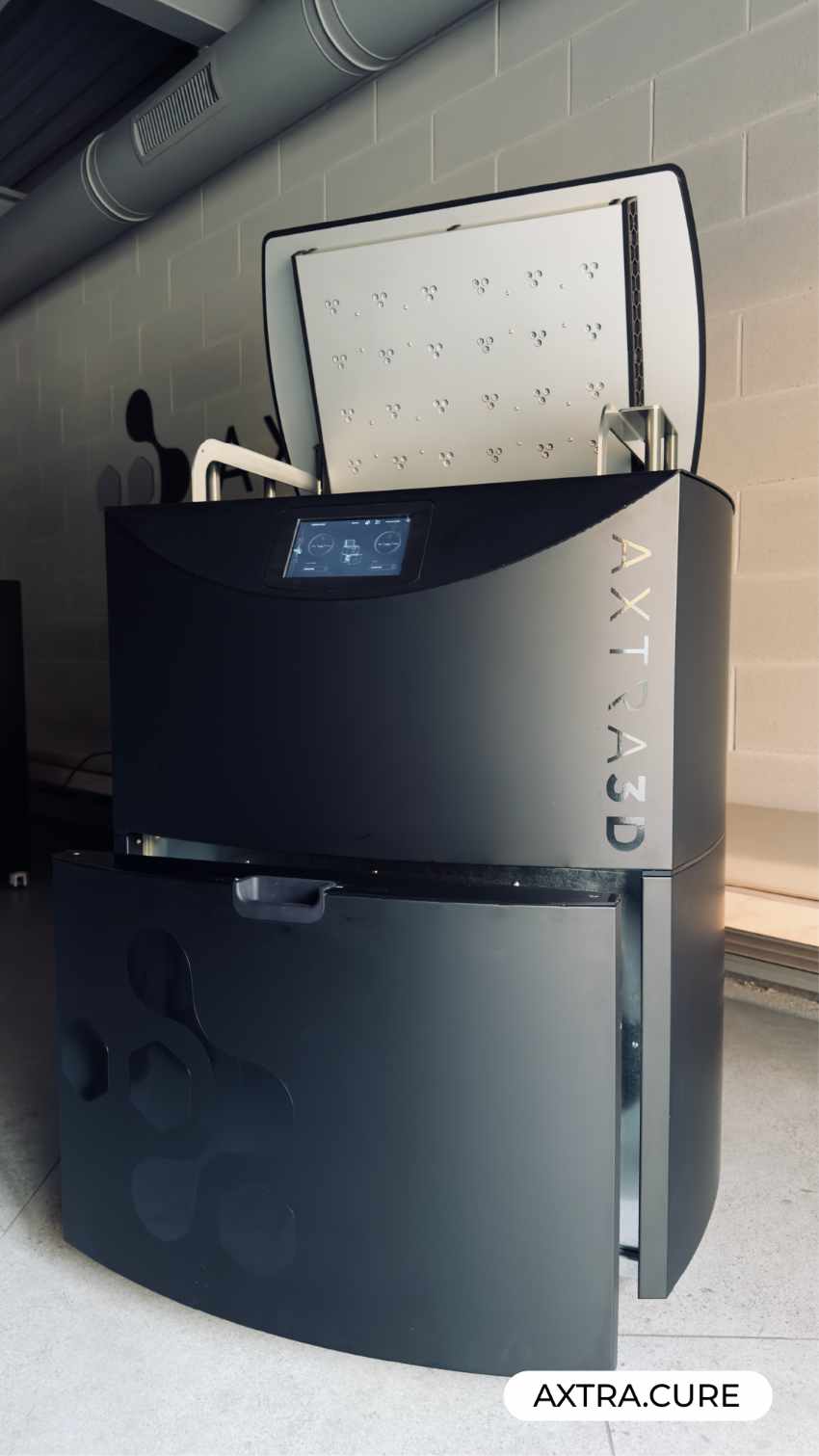
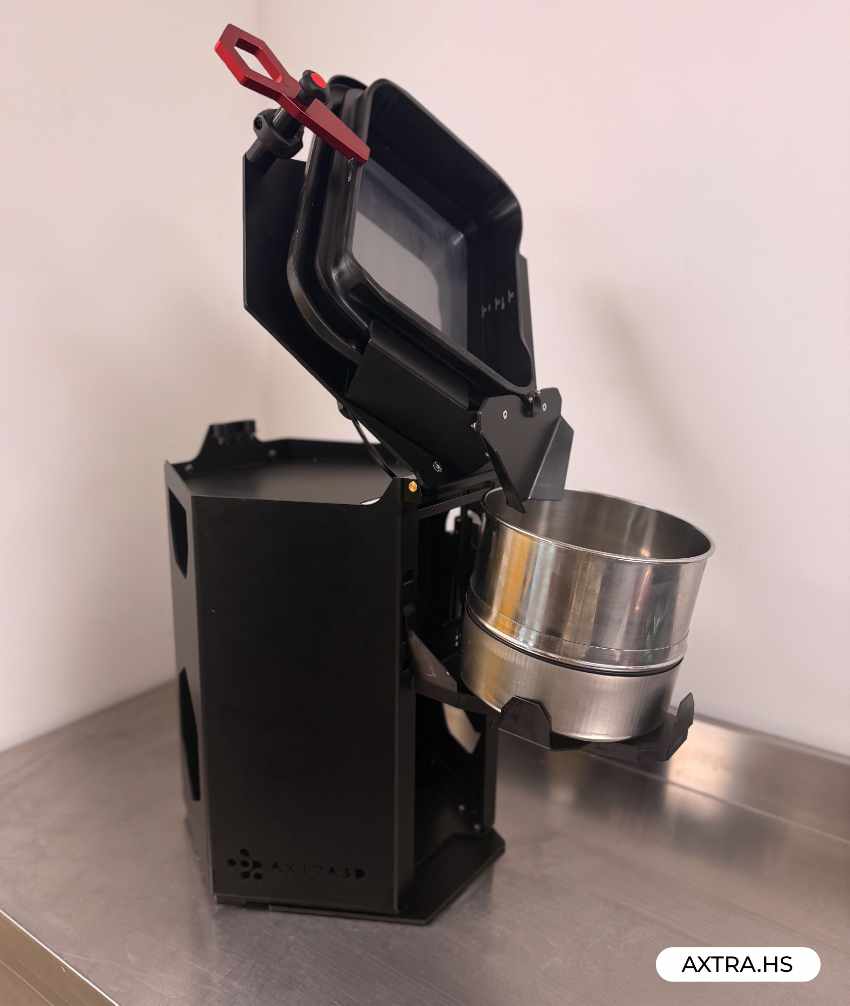
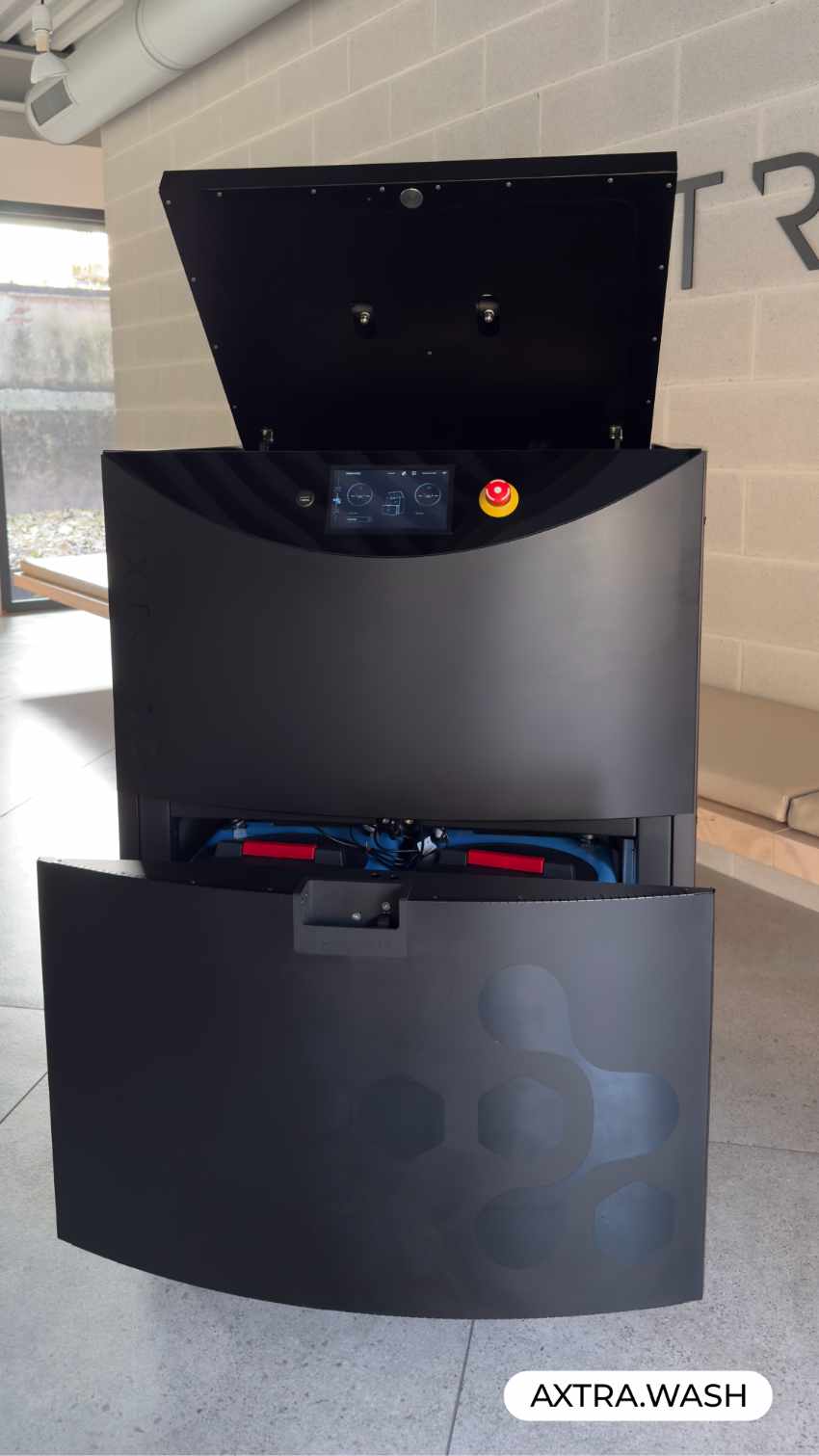
- Hardware for resin management, printing, washing/drying, and heating/curing.
- Software to aid in slicing and export designs and give users a full report on the print job, from the moment it begins printing until the final cure.
- Materials and resins from the top chemistry companies validated and fine-tuned for providing fully dialed solutions.

Axtra-Insight that helps validate all prints for certification and regulation needs.
This integrated ecosystem of hardware, materials, and software allows manufacturers to operate with confidence, achieving precise, repeatable, and fully connected production workflows.
What is the state of the market where you are currently active?
R.K: The Hi-speed SLA market in the US and Europe is rapidly maturing, driven by demand for faster, reliable production of end-use parts in automotive, medical, and advanced manufacturing. Customers increasingly prioritize throughput, repeatability, and material performance alongside part quality. Conventional SLA, DLP and LCD systems focused on prototyping are being displaced by high-speed solutions that enable short-run production.
In the US, adoption is expanding among contract manufacturers, medical device firms, and industrial OEMs seeking to cut lead times and reduce tooling costs. Europe exhibits similar dynamics, with strong uptake in automotive, aerospace, and precision engineering sectors where process control, regulatory compliance, and multi-site consistency are essential.
Competitive offerings lack integrated workflows and real-time traceability, creating differentiation opportunities. As supply chains regionalize and customers demand scalable digital production platforms, the market is transitioning from isolated machines to connected, validated systems that support regulated, high-volume production
What can you tell us about market trends?
R.K: The market is becoming more deliberate, more focused, and more application driven. Buying cycles are longer because customers are no longer purchasing generic 3D printing capability, they are qualifying production solutions for very specific use cases. Success is shifting toward vendors that can demonstrate validated performance for defined applications such as mold inserts, medical components, tooling, or end-use polymer parts. Customers are spending more time on trials, data review, and internal alignment before committing, but when they buy, they buy with intent to deploy at scale. This favors technologies that are not just fast, but predictable, auditable, and tightly aligned to a production outcome rather than a general prototyping workflow.
What estimations do you have for the second first half of 2026?
R.K: As an emerging company, we expect strong momentum through both halves of 2026, with full-year growth in the 40 to 50 percent range versus 2025. The first half is driven primarily by backlog conversion and repeat orders from early production customers, which are proving to be very healthy. The second half is expected to benefit from broader deployment within existing accounts, expansion into additional applications, and increased traction in Europe. While new customer acquisition remains important, a growing share of revenue is coming from repeat sales as customers scale their usage. This reflects increasing confidence in the platform and a shift from evaluation to production adoption.