
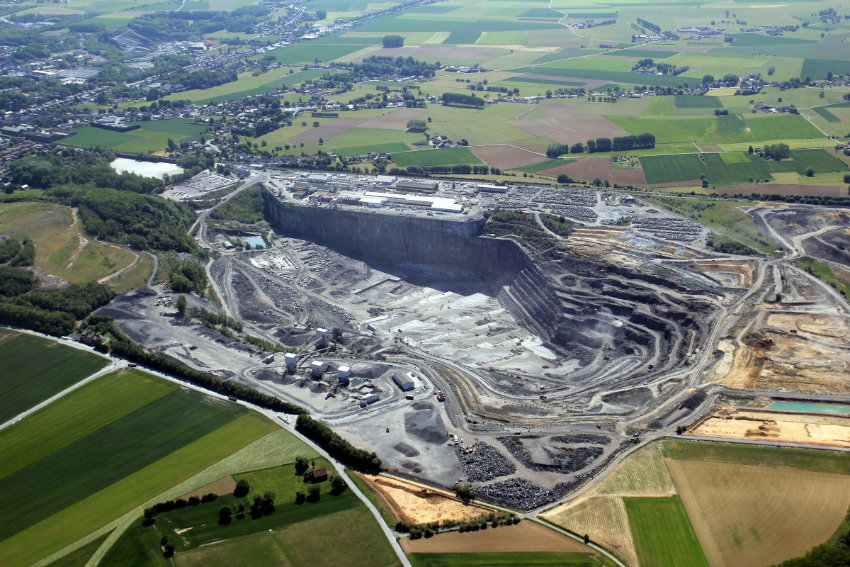
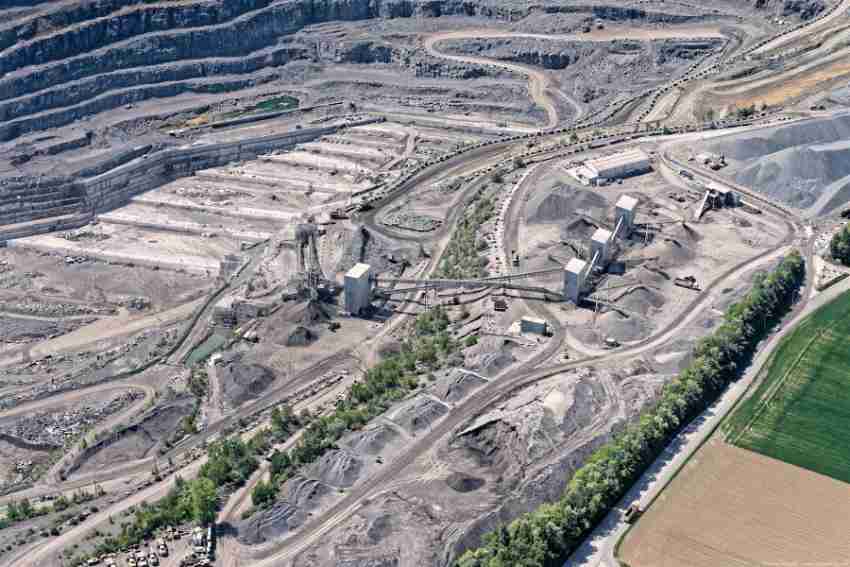
Carrières du Hainaut is the largest ornamental stone quarry in Europe and one of the most significant natural stone operations on the continent. Their site, located in Soignies in Belgium, covers more than 300 hectares of active quarrying area, making it not only an industrial operation of exceptional scale, but also one of the largest known deposits of Belgian Blue Limestone (Petit Granit – Pierre Bleue de Belgique).
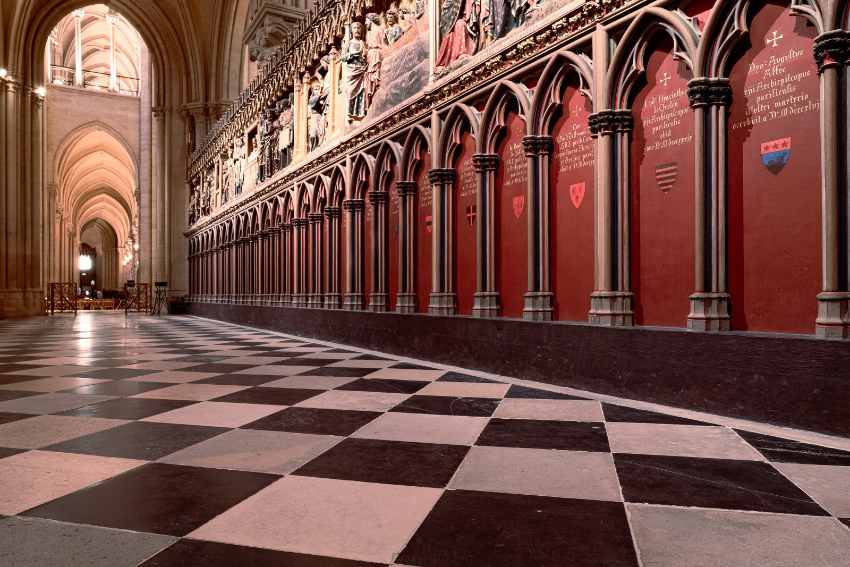
The stone they extract was formed more than 350 million years ago during the Carboniferous period, and today it is widely recognised as one of Europe’s most prestigious natural building materials. Belgian Blue Limestone is known for its remarkable durability, its distinctive fossilized appearance, and its ability to age beautifully over centuries. It has been used in everything from historic monuments and cathedrals to modern architecture and large-scale urban projects.
Interview with Chris Vermorken, Managing Director at Carrières du Hainaut.
A brief description of the company and its activities
Chris Vermorken: Carrières du Hainaut operates as a fully integrated natural stone producer. We control the entire value chain: from extraction of large quarry blocks, through industrial sawing and transformation, to the production of finished architectural elements and building materials. Our production infrastructure includes extensive processing facilities where stone blocks are transformed into slabs, tiles, paving, façade elements and bespoke architectural components.
Today, the company forms part of SigmaRoc PLC, a London-listed industrial minerals group focused on building materials and sustainable mineral resources. Within the group, Carrières du Hainaut stands as a flagship operation and a symbol of how traditional natural resources can be managed with modern industrial efficiency and environmental responsibility.
In essence, we are both an industrial producer and a guardian of a geological heritage that spans hundreds of millions of years.
What are the main areas of activity of the company?
C.V: Our activities revolve around three core pillars: large-scale quarrying, industrial stone processing, and architectural applications of natural stone.
Large-Scale Quarrying
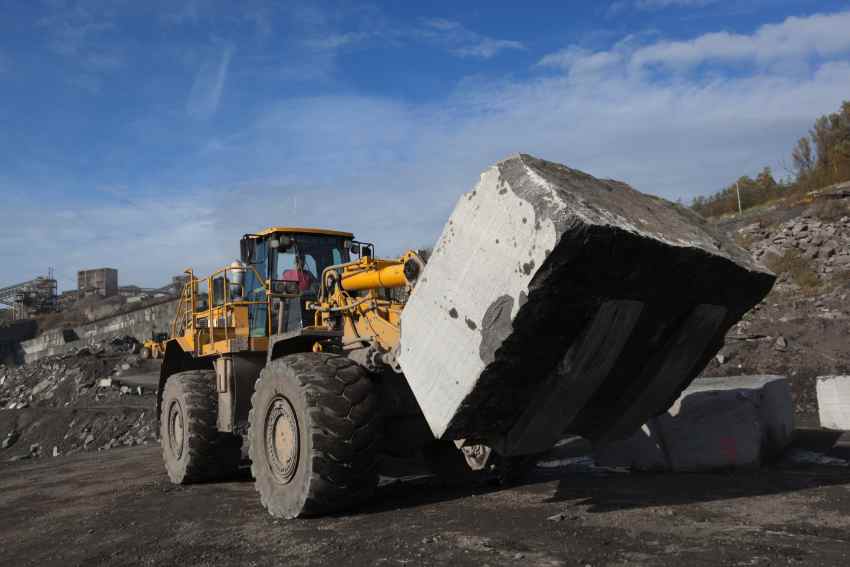
At the heart of the business is the extraction of Belgian Blue Limestone from one of the largest continuous deposits of ornamental limestone in Europe. Quarrying operations produce large blocks of natural stone which form the basis of all subsequent processing. The scale of our operation allows us to produce a wide range of block sizes and qualities, suitable both for industrial production and for bespoke architectural uses.
Industrial Stone Processing
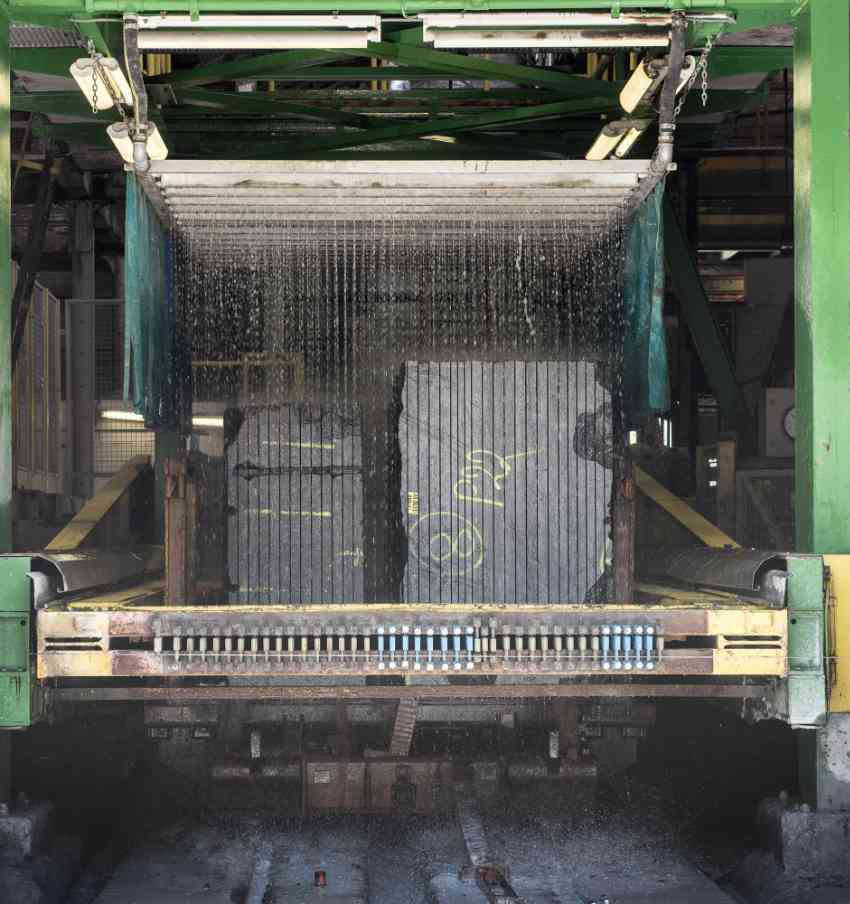
Carrières du Hainaut operates one of the most extensive natural stone transformation infrastructures in Europe. Our processing facilities transform raw blocks into slabs and finished stone products through a combination of industrial machinery and specialized craftsmanship. The sawing and finishing departments represent a critical part of our industrial capability, converting extracted blocks into a wide range of standardised and customised products.
Architectural and Construction Applications
Our stone is used in multiple sectors of the construction industry:
- architectural façades
- flooring and interior applications
- urban paving and landscaping
- heritage restoration projects
- bespoke architectural elements
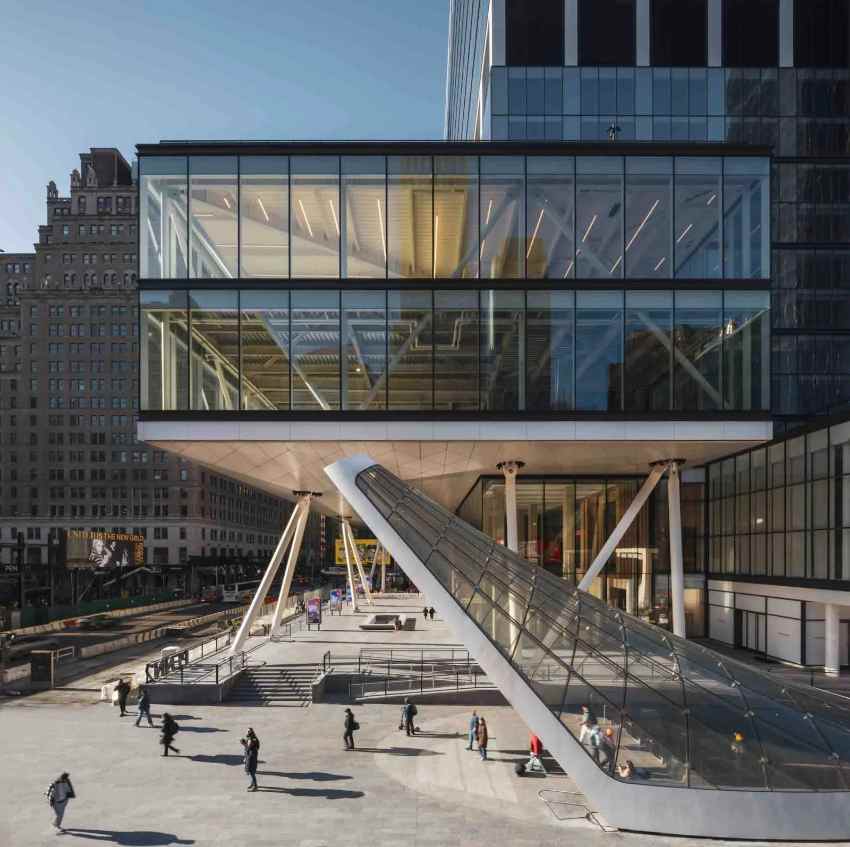
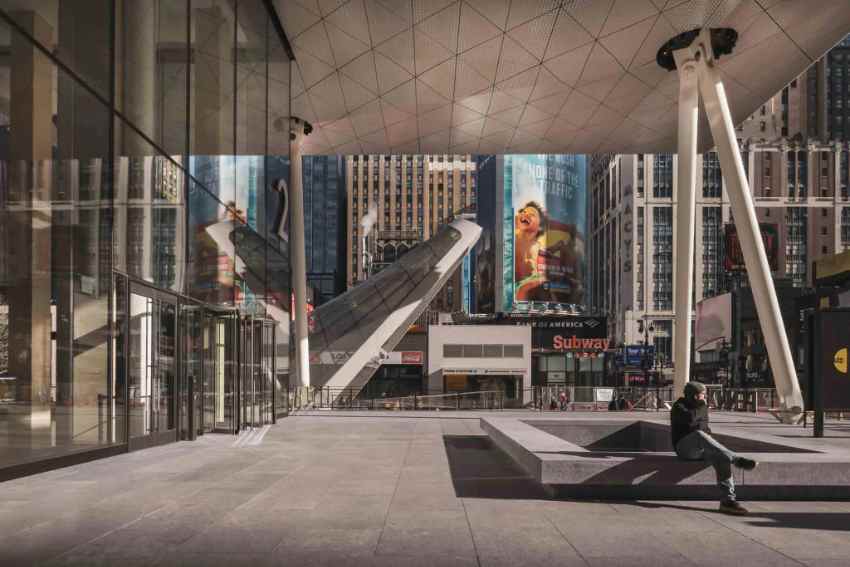
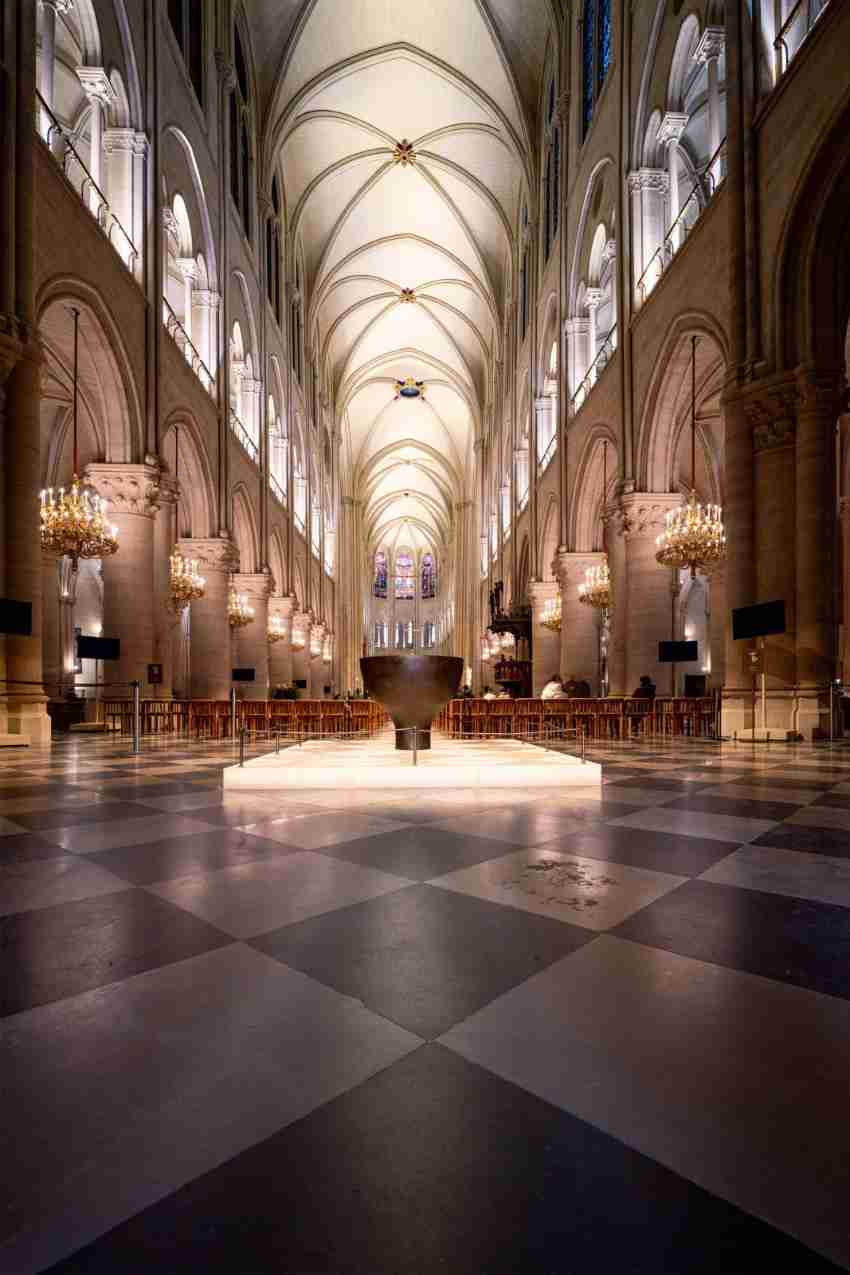
Belgian Blue Limestone has become a reference material for architects, urban planners and restoration specialists across Europe and internationally. One of the prime examples of our versatility and international appeal is the recent implementation of over 25.000 m² of our material in the Penn Station – Madison Square Garden neighbourhood in New York. I’m particularly proud of this massive achievement, the more so for having negotiated the contract for this work in person, together with my highly skilled Commercial Director John Vis. As the New York and countless other projects prove, the material is particularly well suited to projects where longevity and authenticity are paramount precisely because of its unequalled durability and aesthetic qualities.
What’s the news about new products/services?
C.V: Our focus in recent years has been on strengthening the industrial backbone of the company while expanding the modern applications of Belgian Blue Limestone. To this end, we have introduced several new products and finishes, including our Puccini Blue slabs with thick white veins permitting open-book applications like marble, our Blue Essentials line for wall cladding and decorative elements, as well as EnoGarden, our broad line of fine exterior products including stairs, landscaping elements, platforms and so on.
Industrial Modernisation
The transformation of natural stone remains a highly demanding industrial process. For that reason, we have invested significantly in improving the reliability and efficiency of our production infrastructure.
Recent investments include improvements to our quarry logistics and processing facilities, as well as the modernisation of key production equipment.
Strategic Investments in Production Infrastructure
Among the recent developments are infrastructure upgrades such as:
- the installation of a new bridge structure at the block-preparation area, improving internal logistics and operational efficiency
- the installation of two new slab-cutting gangsaws in the sawing department, which strengthen production capacity, operational reliability, and the quality of our bluestone slabs
These investments reflect a broader strategy of ensuring that the company’s production facilities remain both robust and technologically competitive.
Digital Transformation
One of the most significant transformations currently underway is the implementation of IFS Cloud, a new enterprise resource planning system that integrates production, logistics, finance and operational monitoring. Deploying such a system in an industrial environment of this scale is a complex undertaking, but it also represents a major step toward data-driven management of quarry operations. The goal is simple: to make the company more agile, more transparent, and more efficient in the way we manage our industrial processes.
What are the ranges of products/services?
C.V: Carrières du Hainaut produces a wide range of products derived from Belgian Blue Limestone, serving both large-scale construction projects and specialized architectural applications.
Our product ranges can be broadly divided into several categories.
Architectural Stone
- façade cladding elements
- structural architectural components
- custom-designed stone elements
These products are used in both contemporary architecture and heritage restoration.
Interior Stone Products
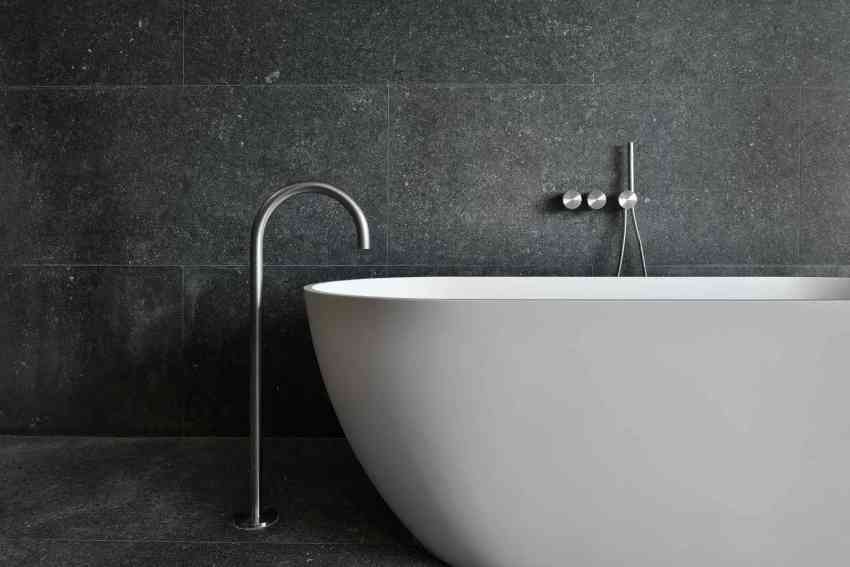
- interior flooring tiles
- polished slabs
- decorative interior stone applications
Belgian Blue Limestone has become particularly popular for high-end interior design because of its timeless aesthetic.
Exterior and Urban Landscaping
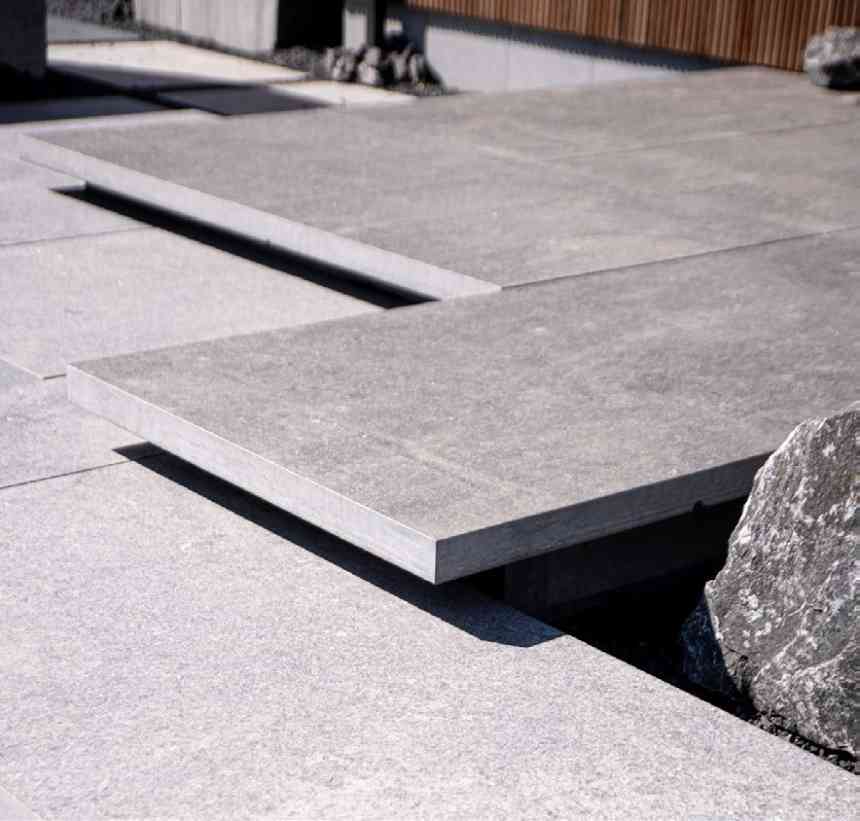
- paving stones
- terrace slabs
- kerbstones
- public space paving materials
- garden decoration elements
- landscaping elements
Our stone is widely used in urban public spaces, where durability and visual consistency are essential.
Custom Architectural Manufacturing
For architects and specialized construction projects we also produce bespoke elements such as:
- staircases
- window sills
- monumental stone elements
- restoration pieces
Raw and Semi-Finished Materials
We also supply rough blocks and semi-finished slabs to professional stone processors and international clients.
Because of the scale of our quarry, we can maintain consistent production volumes while still supplying specialized materials for custom projects.
What is the state of the market where you are currently active?
C.V: The natural stone market in Europe is currently navigating a period of transition and gradual stabilisation.
The construction sector has experienced volatility in recent years due to inflation, energy costs and broader economic uncertainty. However, there are strong structural factors supporting the long-term outlook for natural stone.
One of the most important of these is the growing focus on sustainable building materials.
Natural stone has several advantages in this respect:
- extremely long lifespan
- minimal industrial processing compared to synthetic materials
- low embodied carbon relative to many manufactured alternatives
- full recyclability
As architects and developers increasingly prioritise sustainability, natural stone is once again being recognised as a durable and environmentally responsible building material. At the same time, European producers face competition from imported stone from Asia and other regions. However, European natural stone retains strong advantages in terms of quality control, traceability, environmental standards and architectural heritage. In that context, high-quality European materials such as Belgian Blue Limestone continue to occupy a strong position in the market.
What can you tell us about market trends?
C.V: Several important trends are shaping the future of the natural stone industry.
Sustainable Construction
One of the most significant developments is the increasing focus on sustainable and circular construction practices. Natural materials with long lifespans are increasingly favoured over materials with shorter life cycles.
Belgian Blue Limestone fits perfectly within this framework.
Authenticity in Architecture
Architects and designers are showing renewed interest in authentic natural materials. Natural stone provides unique textures and geological authenticity that cannot be reproduced artificially.
Investment in Public Space
Across Europe, cities are investing heavily in durable urban infrastructure and public spaces. Natural stone paving and landscaping materials are frequently chosen because they combine durability, aesthetic quality and low maintenance requirements, not to mention a very modest carbon footprint compared to synthetic materials.
Industrial Digitalisation
Like many sectors of heavy industry, quarrying and stone processing are undergoing significant digital transformation. This is no different for Carrières du Hainaut. Technologies such as integrated ERP systems, advanced monitoring tools and improved logistics planning are helping companies optimize operations and reduce waste.
What are the most innovative products/services marketed?
C.V: Innovation in natural stone does not necessarily mean inventing new materials. Instead, it often involves developing new ways of extracting, transforming and applying a material that has existed for millions of years. At Carrières du Hainaut, innovation takes place in several areas.
Surface Finishes
We continue to develop new surface finishes that allow Belgian Blue Limestone to adapt to contemporary architectural styles while preserving its natural character.
Architectural Collaboration
We work closely with architects and designers to integrate natural stone into modern construction techniques, combining traditional materials with contemporary building systems.
Operational Innovation
Equally important is innovation within our production systems. Through improved production monitoring, digital integration and modernisation of our equipment, we continue to enhance both product quality and operational efficiency.
What estimations do you have for the beginning of 2026?
C.V: Looking ahead to the beginning of 2026, our outlook is optimistic. After several years of economic volatility, we have been seeing signs of stabilisation in both construction markets and energy costs, which are important factors for our industry.
Naturally, the current violence in the Near East is driving energy prices up once more, but we hope that this crisis will be resolved very soon.
Within the company itself, we have focused strongly on strengthening the operational foundations of the business.
Stabilization and Operational Strengthening
In recent years we have implemented improved monitoring systems that allow us to track production performance and financial results more effectively. This gives management better visibility and allows us to make more informed strategic decisions.
Industrial Investments
Our investments in production infrastructure — including improvements in block preparation and our sawing facilities — are already contributing to improved operational resilience.
Digital Integration
The ongoing implementation of IFS Cloud ERP will further enhance our ability to manage production flows, logistics and financial performance in a fully integrated way.
Taken together, these developments position the company well for the coming years.
Our objective is not simply growth in volume, but sustainable, high-quality growth built on operational excellence and responsible resource management.