
Over 17 years ago, CLIMATEX embarked on its ambitious mission to transform the textile industry with its innovative Circular Textile Technologies. Founded in 2008, the Swiss company was the first in the world to be awarded Cradle to Cradle certification for its LIFEGUARD technology in 2012. CLIMATEX was born out of a commitment to driving sustainable innovation in textiles.
Today, CLIMATEX is synonymous with climate-regulating, circular textiles that impress not only in their application, but also combine design, function, and recyclability. Its ability to separate mixed fabrics into pure types is unique worldwide and represents a pioneering achievement for the entire industry. With CLIMATEX, Switzerland is writing a remarkable chapter in global textile history and shaping the future in a circular way.
Interview with Franziska Ostermeier, Global Sales Manager at CLIMATEX.
A brief description of the company and its activities.
Franziska Ostermeier: Unlike glass or aluminium, which circulate as mono-materials in a closed loop, the textile recycling industry faces a complex challenge: garments are made of different materials – including different fiber types, seams, linings, zips or glues. These intricate structures make efficient recycling difficult, as recycling plants require pure, monomaterial fractions. This is where CLIMATEX comes in with its patented technologies, in particular its ability to achieve pure textile separation. CLIMATEX Circular Textile Technologies simplify garment preparation for recycling and pave the way for a true circular economy within the textile industry.
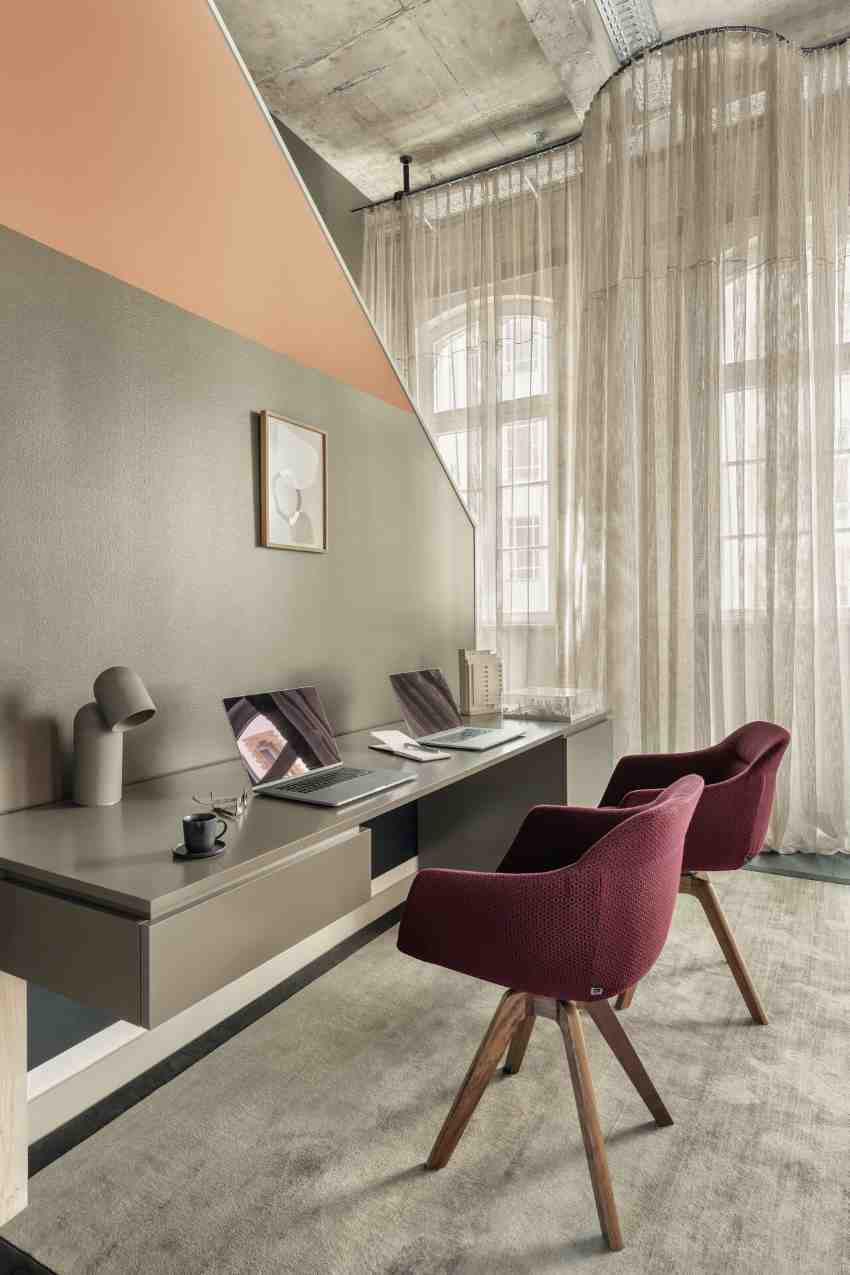
Moreover, products made with CLIMATEX technologies offer outstanding performance, such as exceptional results in Martindale abrasion resistance and moisture management. CLIMATEX uniquely combines high performance with circularity in textiles, setting a new standard for sustainable innovation. Our technologies are already applied in real-world projects: over one million office chairs have been upholstered with our fabrics, our textiles have been used in a novel circular aircraft seat, and even a space training hub for the European Space Agency has been equipped with our materials.
What are the main areas of activity of the company?
F.O: CLIMATEX develops and licenses high-performance, fully recyclable Circular Textile Technologies for workwear, fashion, sports, mobility and interior. Our core activities include material innovation, development of circular textile systems, and collaboration with manufacturing partners worldwide to implement these technologies in scalable production.

What’s the news about new products/services?
F.O: We offer a systemic approach to circularitty and a set of technologies (STITCHLOCK, WEAVELOCK and KNITLOCK) enabling a holistic solution for circular textile design. The system enables complete disassembly and high-quality recycling of fabrics — including mixed-fiber constructions — without compromising aesthetics, or performance.
What are the ranges of products/services?
F.O: CLIMATEX offers a portfolio of Circular Textile Technologies designed to enable full material recovery at end of life. Our key product technologies include:
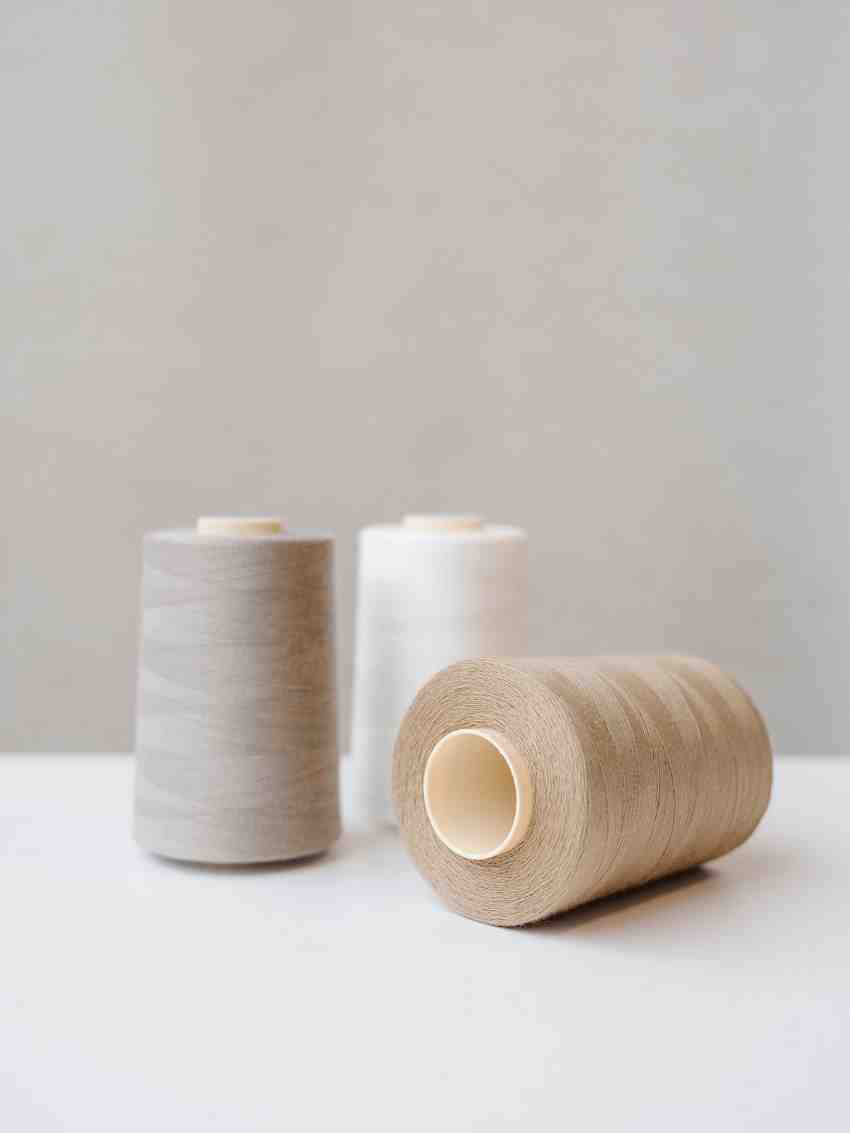
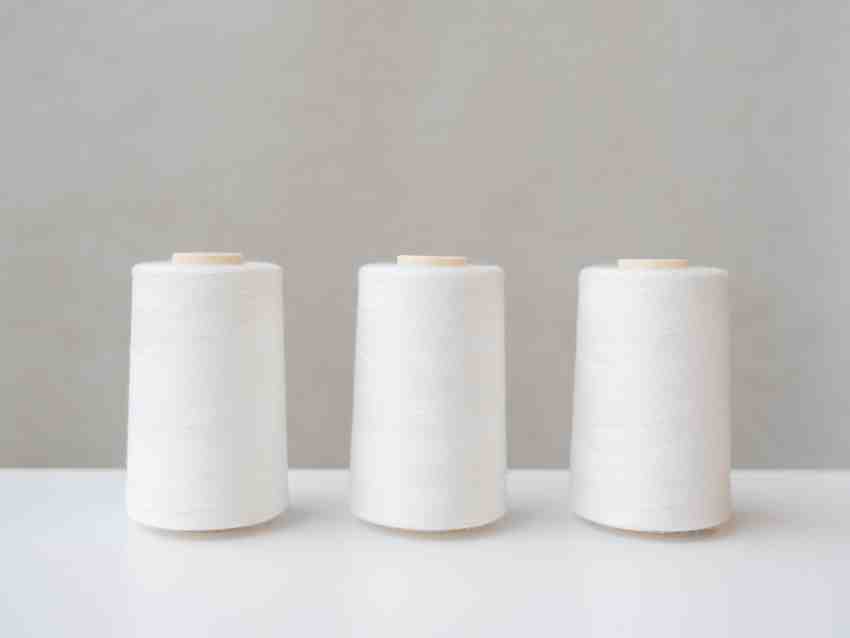
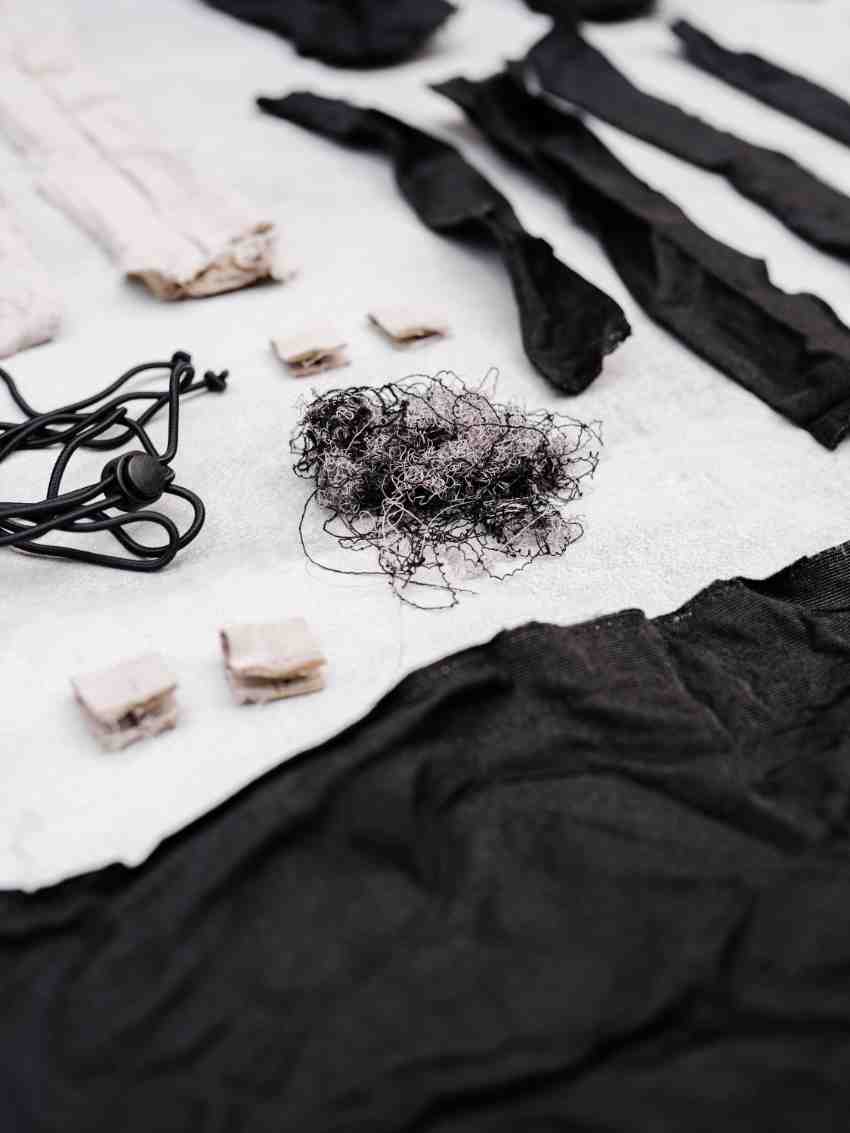
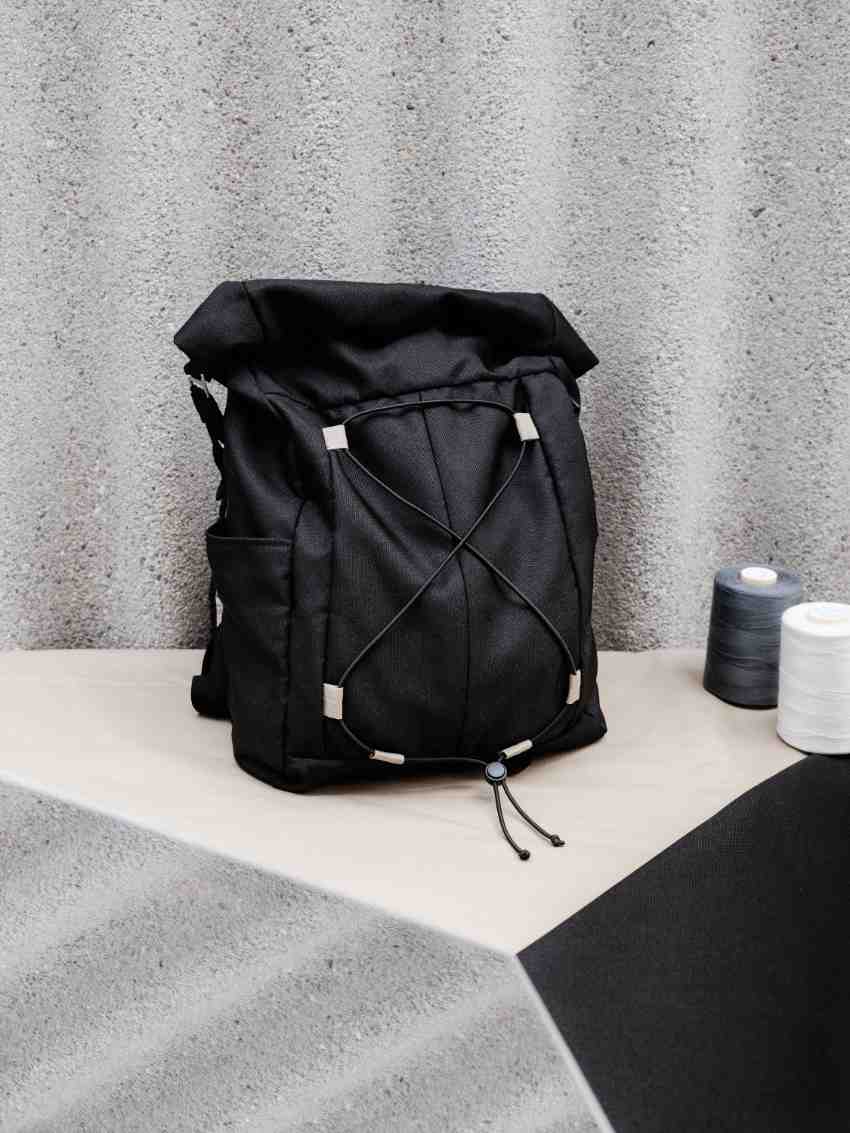
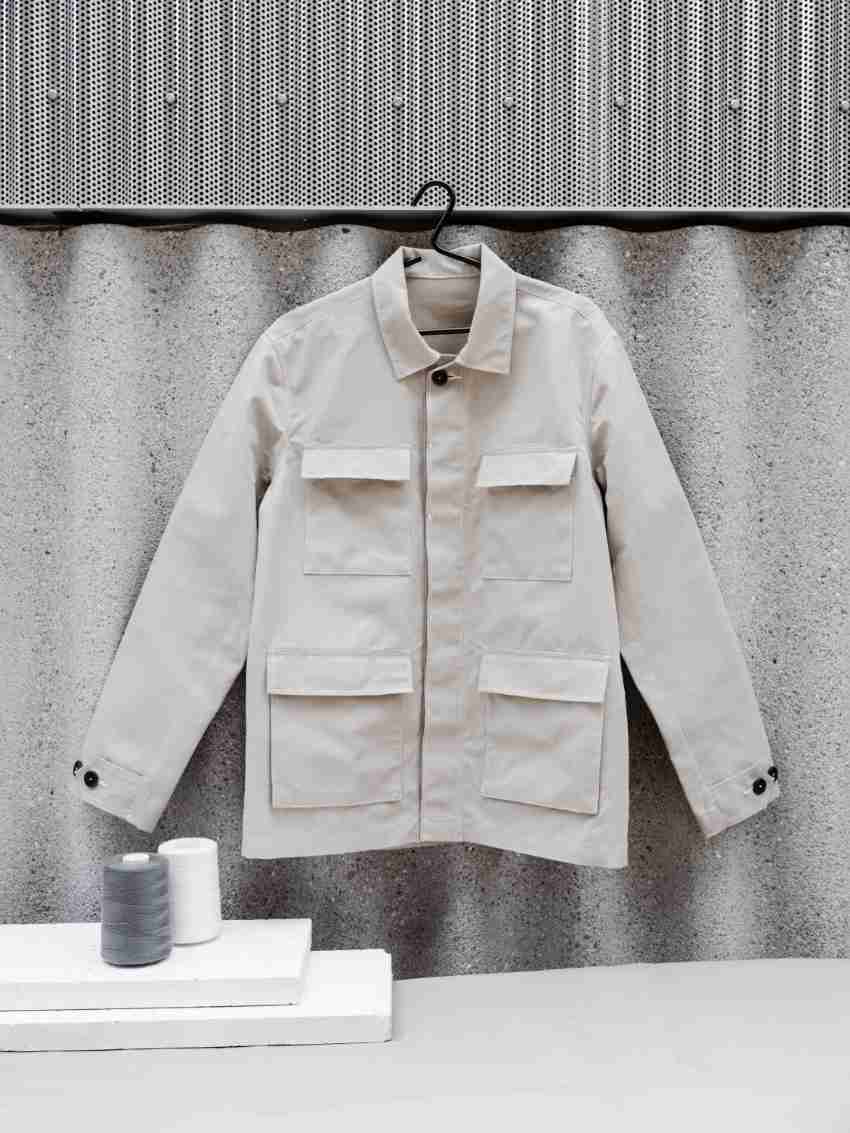
STITCHLOCK: A dissolvable sewing thread that enables the disassembly of garments and textile products within minutes under controlled high-temperature/pressure conditions. It allows components such as zippers, buttons or mixed materials to be separated without manual labour — significantly increasing the amount of recoverable textile material.
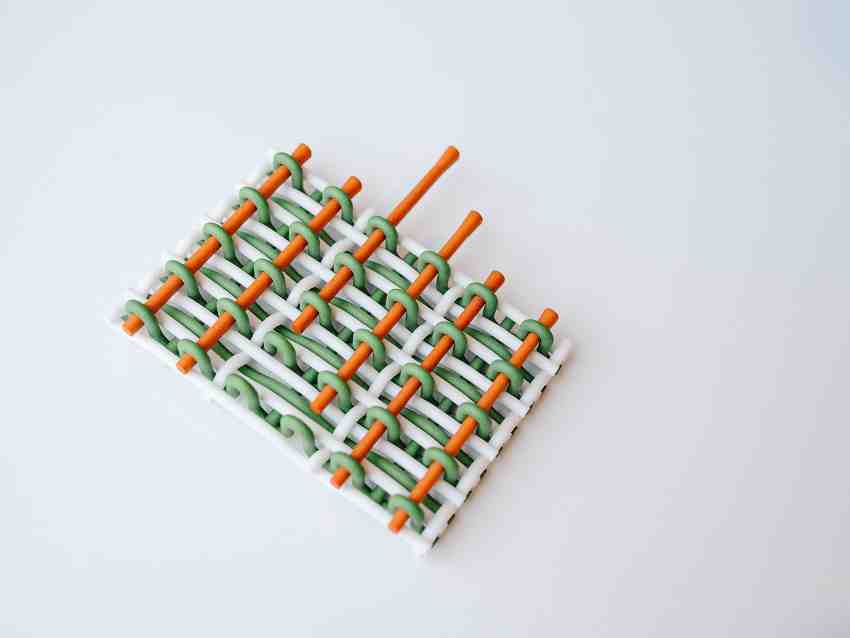
WEAVELOCK: This technology enables natural and synthetic fibres to be woven into blended fabrics that can be separated by type at the end of their life and returned to their respective cycles. This is made possible by a special weave construction containing a third, dissolvable material – the ‘textile lock’.
KNITLOCK: A counterpart to WEAVELOCK for knitted constructions. KNITLOCK enables manufacturers to create mixed fiber comfort knits that are fully seperable into monomaterials at the end-of-life and recyclable, without compromising on robustness, or design.
In addition to these core technologies, CLIMATEX provides: Licensing and implementation support, material and circularity consulting and partnership integration with recyclers and brands for complete closed-loop systems
What is the state of the market where you are currently active?
F.O: The textile market is in a phase of transformation driven by regulatory pressure. Many brands and manufacturers are actively searching for real, scalable circularity solutions — yet most available options still only address single-fiber materials or downcycling. CLIMATEX is positioned at the intersection of performance and circularity, addressing precisely the gap that the market struggles with: recyclable high-performance mixed material textiles.
What can you tell us about market trends?
F.O: Key industry trends include: EU regulations forcing producers to adopt recyclable materials and transparent supply chains as well as the shift towards material passports and digital product IDs. We also see strong demand for take-back and recycling programs and a growing interest in low-impact materials alongside a need for durability and recyclability.
What are the most innovative products/services marketed?
F.O: Our technologies enable recyclability of complex, mixed-material textiles — something previously considered nearly impossible at scale. Plus, we have been the first company worldwide to recieve the Cradle to Cradle Gold Certificate for a textile product.
What estimations do you have for 2026?
F.O: By 2026, we expect the market for circular and recyclable textiles to have grown, driven by stricter regulations, increased brand commitments to sustainability, and rising consumer awareness. We anticipate that a growing number of manufacturers will adopt circular design principles to achieve full material recovery. CLIMATEX aims to expand its global licensing and partnership network, enabling large-scale implementation of circular textile solutions. Our goal is that, high-performance, fully recyclable mixed-material textiles will no longer be a option, but a standard in different textile sectors.