
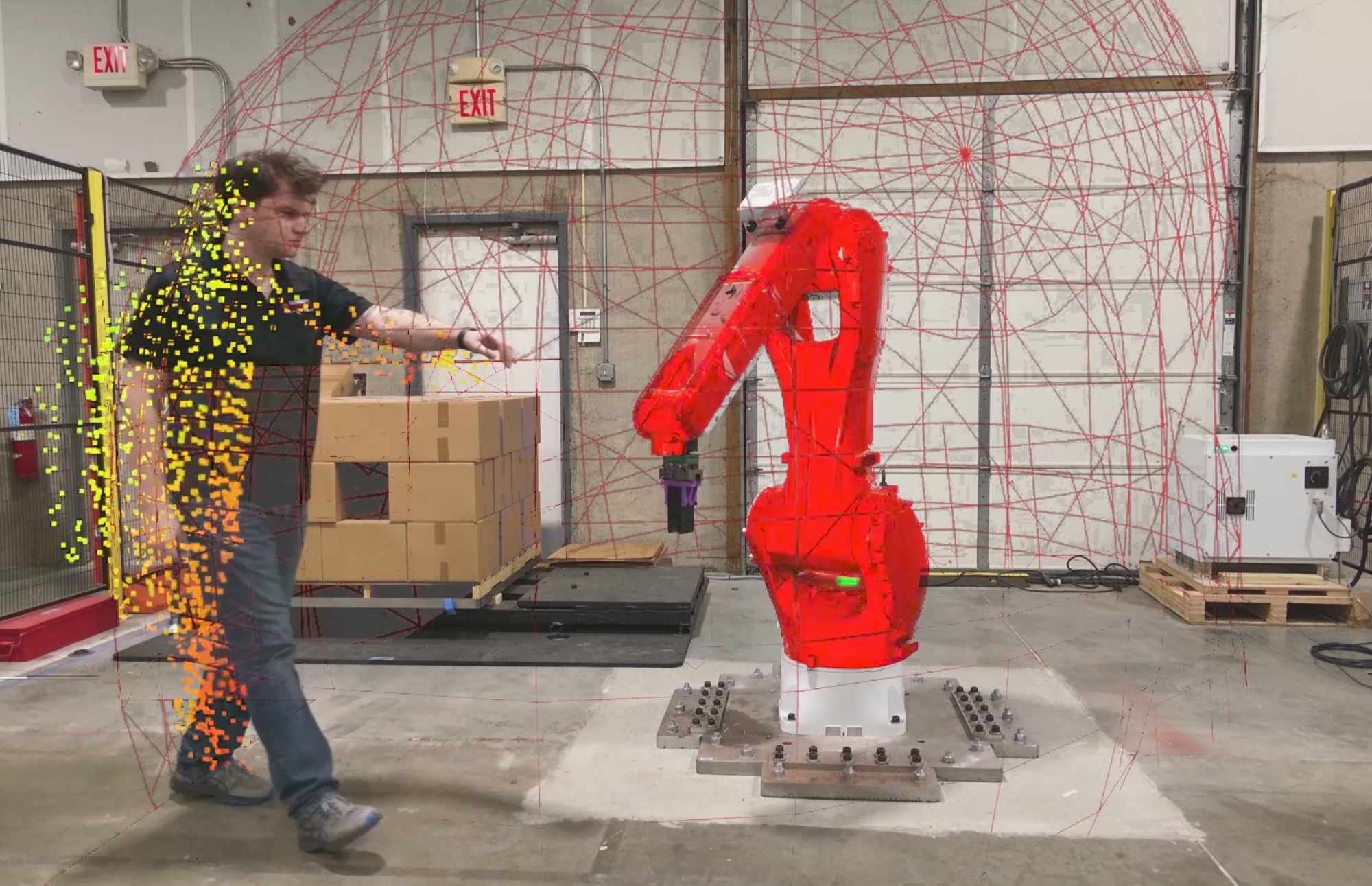
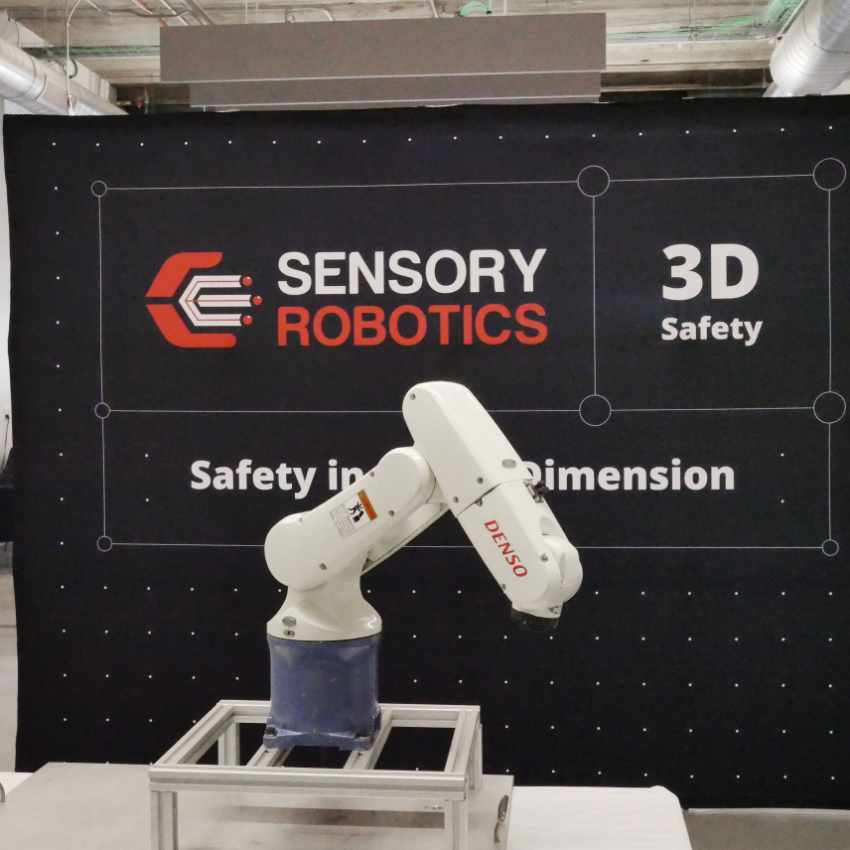
Sensory Robotics believes the future of automation should be powerful and safe. Legacy safety systems—like light curtains, fencing, and area scanners—weren’t built for modern factories, where robots and humans share space and tasks. Their flagship product, the SR-1, uses cutting-edge 3D sensing and intelligent software to provide 100% human detection coverage—making any robot collaborative.
Interview with Mark Gagas, COO of Sensory Robotics.
What core problem or operational challenge do your products/solutions solve that directly strengthens your clients’ competitive position?
Mark Gagas: Manufacturers are under pressure to increase automation while still keeping people on the line. Traditional safety forces a tradeoff: either add fences and slow everything down, or accept more risk to keep throughput up. Our SR-1 3D safety platform removes that tradeoff. We create a certified 3D safety zone around robots and mobile platforms, so people and machines can share space at productive speeds without heavy guarding. That lets our clients design cells that are both safe and highly productive, which is a clear competitive advantage.
In what ways do your technologies improve efficiency, productivity, or cost-effectiveness for clients compared to traditional or competing approaches?
M.G: Compared to fences, mats, and 2D light curtains, our system keeps robots running faster and more often. Instead of an on/off approach to safety, SR-1 modulates speed and zones based on where people actually are. This reduces nuisance trips and unplanned stops, frees floor space by shrinking or eliminating fencing, and lowers changeover cost because updates happen in software instead of with grinders and concrete. The net result is higher OEE, more flexible layouts, and better return on existing automation assets.
How does your solution help clients respond more quickly to market changes, customer demands, or emerging industry trends?
M.G: We designed SR-1 as a software-defined safety platform. When product mix, takt time, or process steps change, engineers can reconfigure zones and logic directly in the software instead of rebuilding safety hardware. The same platform covers fixed robots, collaborative applications, and mobile robots in shared aisles. This lets operations teams reconfigure cells faster, support more frequent engineering changes, and bring new products to line without starting over on safety every time.
What unique features, capabilities, or innovations differentiate your product portfolio from competitors in your sector?
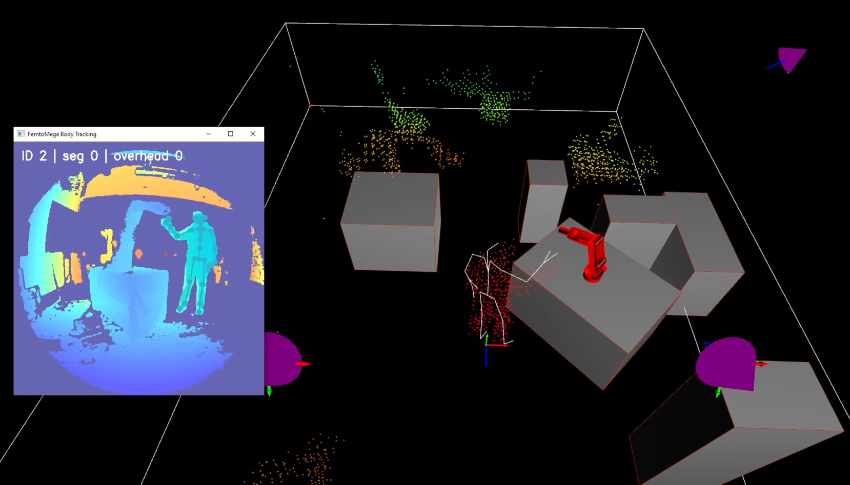
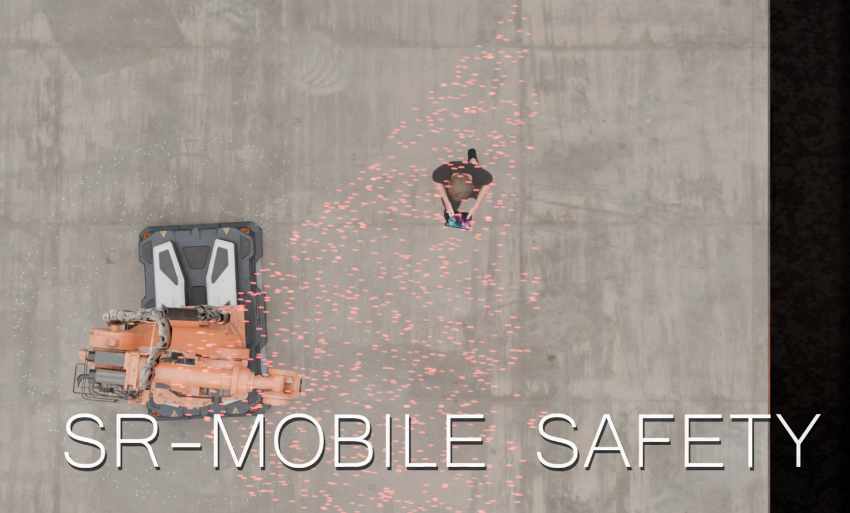
M.G: Several elements stand out. First, we provide true 3D human detection in complex environments, rather than just protecting simple 2D planes. Second, SR-1 is designed to meet performance levels required for industrial safety and integrates directly with standard safety PLCs and robot controllers. Third, we support fixed arms, large workpieces, and mobile robots in the same architecture, including the ability to selectively ignore known vehicles while still protecting people. Finally, our platform coordinates multiple robots and zones in real time, so a single safety brain can manage entire cells, not just a single machine.
How do you ensure that your product development roadmap stays aligned with your clients’ long-term strategic priorities and future competitiveness?
M.G: We build our roadmap alongside our customers. Most of our new features originate in joint projects with global manufacturers in automotive, aerospace, logistics, and defense. Their future-state plant designs and automation strategies directly inform what we prioritize. In parallel, we track global safety and robotics standards and work with certification bodies and partners, so our platform stays ahead of upcoming requirements. We also hold regular technical and business reviews with key clients to test our roadmap against their five- and ten-year automation plans.
Can you share how your technologies contribute to improving the quality, reliability, or performance of your clients’ end products or operations?
M.G: Stable production is a quality and performance issue as much as a safety issue. By reducing unnecessary stops and restart cycles, our systems help keep lines running in a predictable way, which reduces scrap and rework tied to process interruptions. Because people can safely work closer to the process when needed, inspection, maintenance, and rework steps happen faster, which keeps material flowing. We also log events and near-misses in 3D, giving engineers better insight into risky areas or behaviors so they can address them before they impact product quality or uptime.
Many industries focus on sustainability and regulatory compliance. How do you help clients meet these requirements while gaining an advantage?
M.G: Our customers need to meet strict safety regulations, corporate ESG targets, and internal productivity goals at the same time. SR-1 helps them do all three. On the compliance side, we support functional safety requirements for human–robot collaboration and provide a documented, certifiable safety architecture. From a sustainability standpoint, fenceless or low-fence cells often reduce the amount of steel, barriers, and concrete work required, and our ability to increase throughput on existing lines means customers can get more output from their current footprint instead of building new facilities. That alignment of safety, sustainability, and performance is a strategic advantage for them.
How does your company support clients after product delivery—through services, training, digital tools, or data insights—to maximize the competitive impact of your solutions?
M.G: We stay engaged well beyond installation. Our team supports customers through commissioning, early production runs, and later optimization so they can dial in zones and logic to match real-world operations. We provide structured training for engineers, technicians, and operators so they can confidently own and expand the system. On the digital side, our software tools help visualize activity in the cell, review stop events, and analyze patterns over time. This combination of services, training, and data turns SR-1 from a one-time purchase into an evolving performance tool.
What role do digitalization, automation, or data analytics in your solutions play in helping clients optimize their operations or decision-making processes?
M.G: SR-1 is both a safety device and a high-resolution 3D sensor platform. It generates real-time data on how people and machines share space, when and where stops occur, and how often zones are approached. Customers can use this information to support digital twin models, improve layouts, refine work instructions, and drive continuous improvement projects. As we add SR-Insight analytics, we are turning previously opaque safety systems into data sources that support better decisions for engineering, ergonomics, and operations leadership.

Can you provide examples of measurable client outcomes, such as reduced downtime or cost savings, that demonstrate the competitive value of your solutions?
M.G: Across early deployments, we have seen customers use SR-1 to reduce nuisance safety stops, recover originally designed robot speeds, and reclaim valuable floor space by removing or shrinking fences. In many cases, the payback comes from a mix of higher availability, faster cycle times, and the ability to run more product mix on the same line. We also see operational savings when changes to the cell can be handled in software instead of through major rework of guarding and infrastructure. As more systems are deployed, we are collecting formal case studies that quantify reductions in downtime, scrap, and integration cost.
At Sensory Robotics, we view safety as a performance lever, not a constraint. By pairing certified 3D sensing with a software-defined safety platform, we let manufacturers design cells where people and high-speed automation share space confidently, without falling back on fences and conservative limits. The result is more throughput from existing assets, more flexible lines, and a safer environment for the teams who run them every day.
As plants move toward higher automation, mobile platforms, and data-driven operations, we focus on giving them a safety architecture that can keep pace. SR-1 and our SR-Insight analytics turn safety from a black box into a source of actionable information for engineers and operations leaders. For manufacturers competing on speed, responsiveness, and reliability, that combination of protection, productivity, and insight is where we help them win.