
DeNOx Environment Europe is an Italian registered company with local offices in Milan, Frankfurt and Copenhagen. The company is the European branch of Dinos Environmental Technology Holdings Limited, founded in 2010 as one of the first catalyst manufacturers in China. The group has a permanent staff of about 220 persons. The group’s headquarters, catalyst production and central research laboratories are located in Gu’An, Hebei Province, China.
Interview with Anders Nielsen, Sales Director at DeNOx Environment Europe.
A brief description of the company and its activities.
Anders Nielsen: Dinos Environmental Technology Holdings Ltd. is positioned among the world’s largest SCR DeNOx catalyst manufacturers with an annual production capacity exceeding 40,000 m3 delivered from our state of the art factory in Gu’An, China.
Our catalysts have proven their reliability since 2010 and on more than 600 installations worldwide. Installations using our catalysts are typically thermal power plants (coal/biomass/oil/gas fired), waste incineration plants, steel sinter plants, cement plants, diesel or gas fired engines, gas turbines, (petro) chemical plants, etc.
What are the main areas of activity of the company?
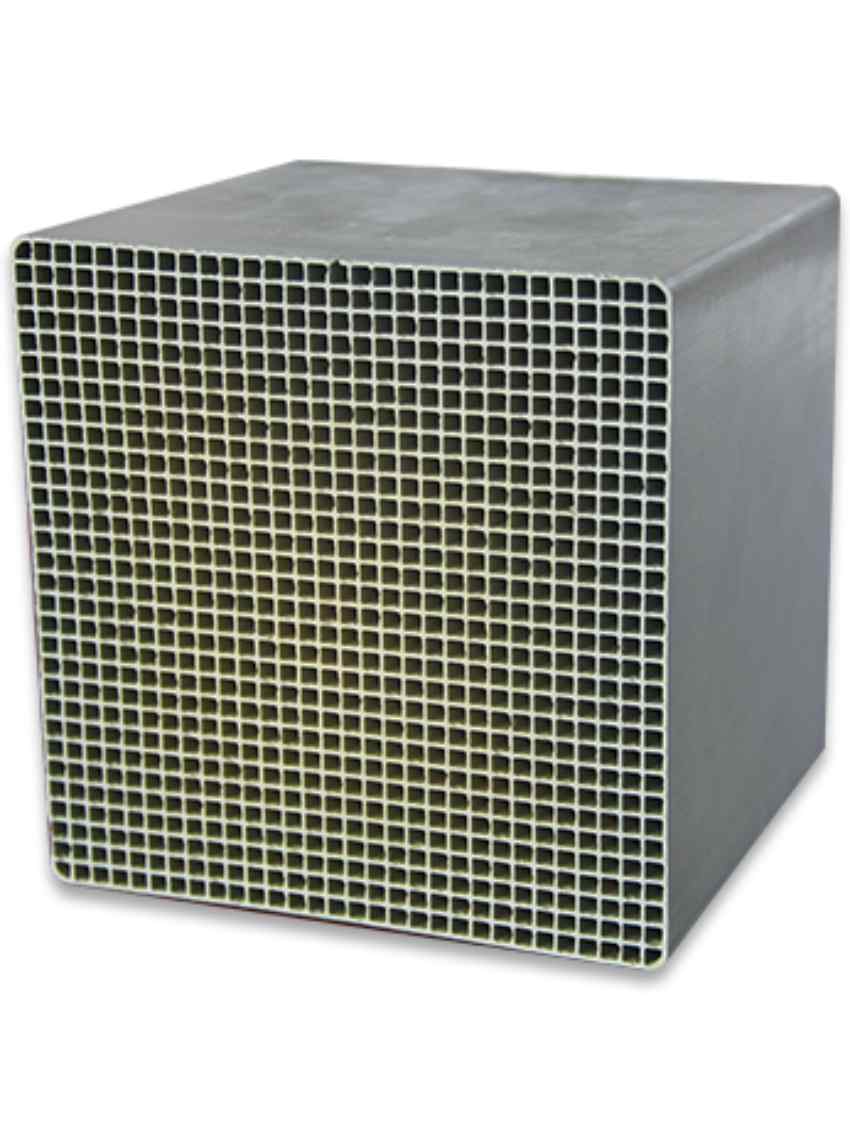
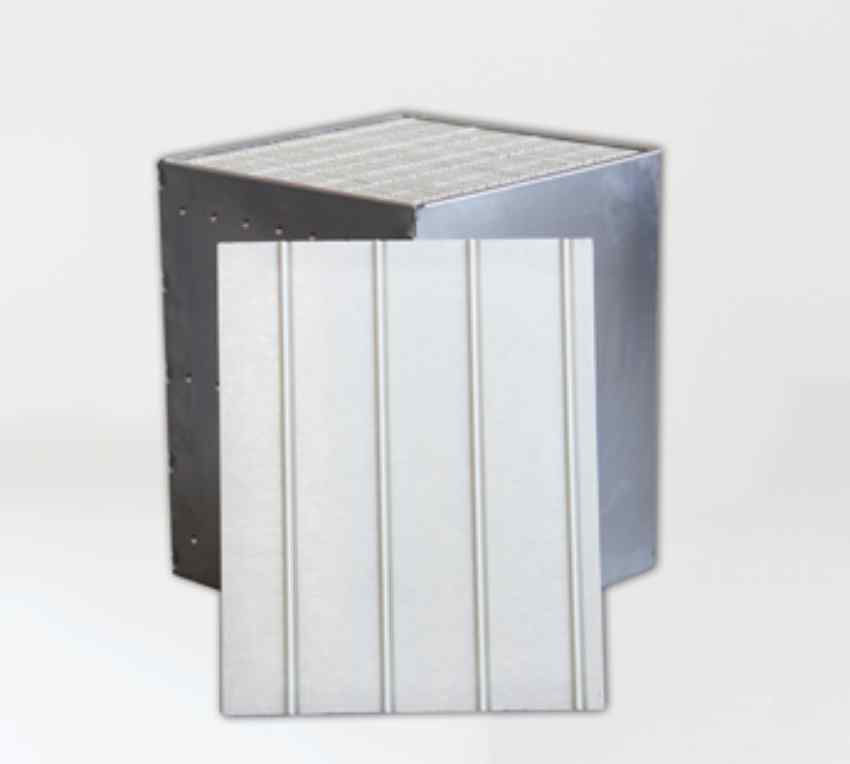
A.N: DeNOx Environment Europe is specialized in the supply of catalysts for removal of harmful species such as NOx, CO, dioxins/furans and different VOCs. The company offers a range of different catalyst types for different industries and applications.
What’s the news about new products/services?
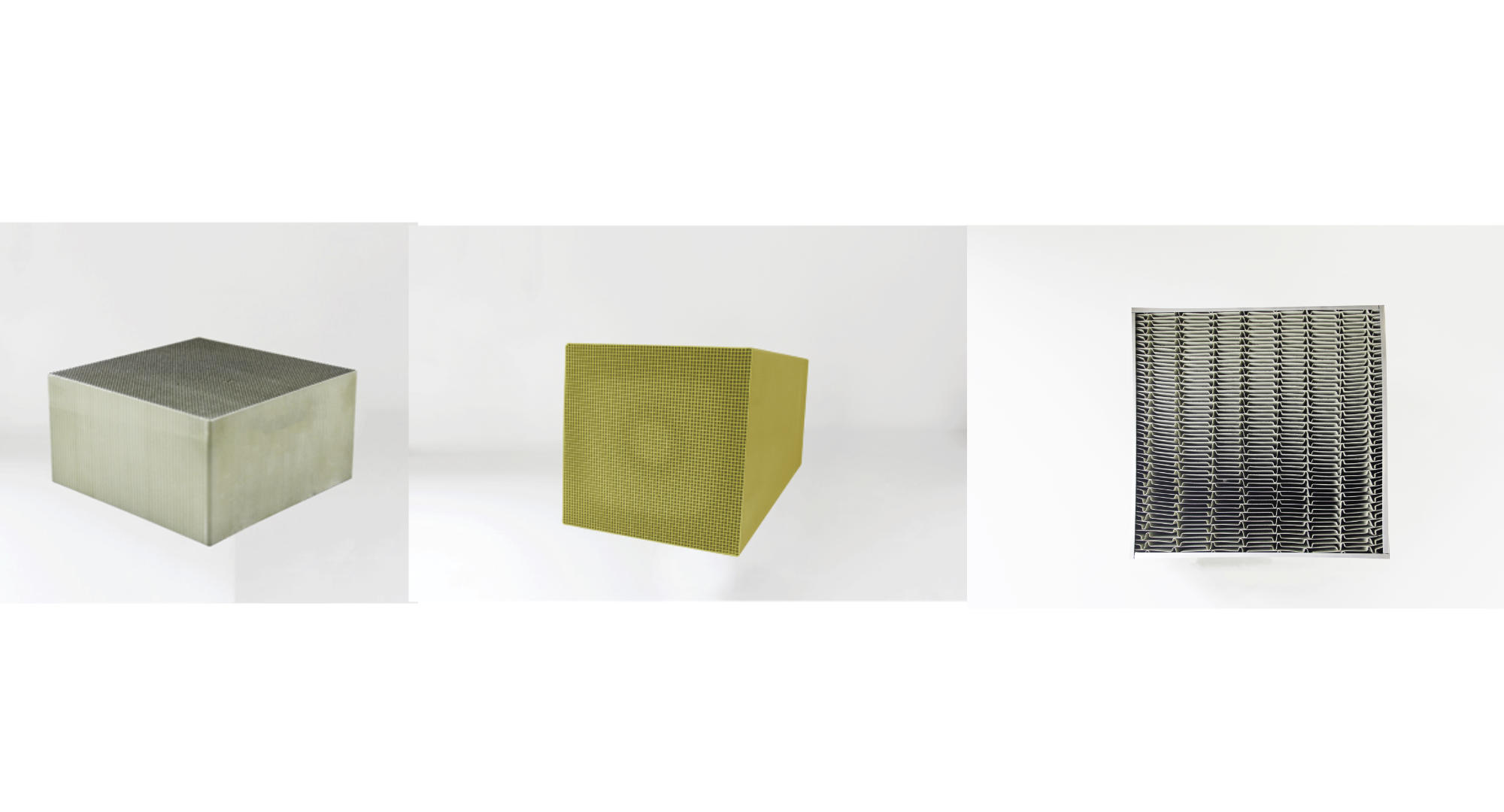
A.N: DeNOx Environment Group have recently launched a zeolite SCR catalyst which is suitable for high temperature applications such as engines or gas turbines. This SCR zeolite catalyst can work with high performance up to 600⁰C, whereas the more traditional V2O5-TiO2-WO3 based SCR catalysts are only thermally stable up to around 500⁰C. The SCR zeolite catalyst thus pushes the boundaries for the SCR DeNOx reaction and its useful temperature window.
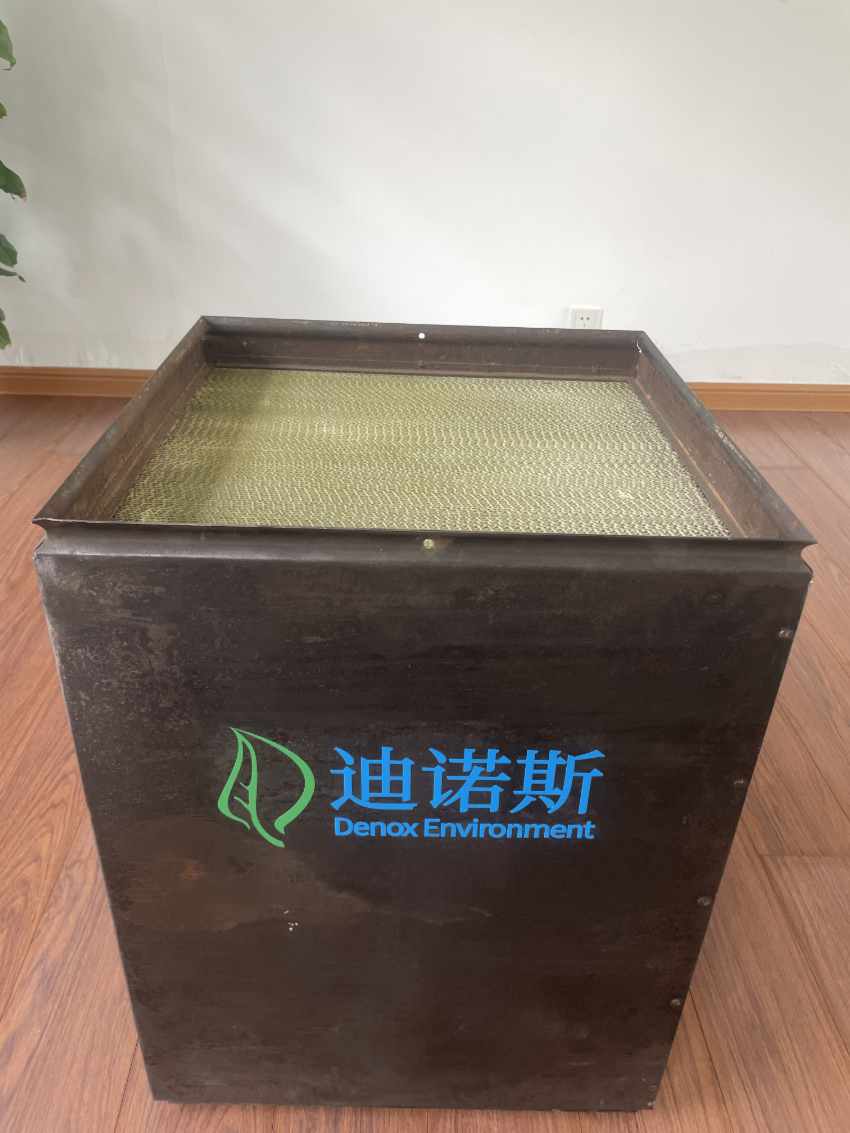
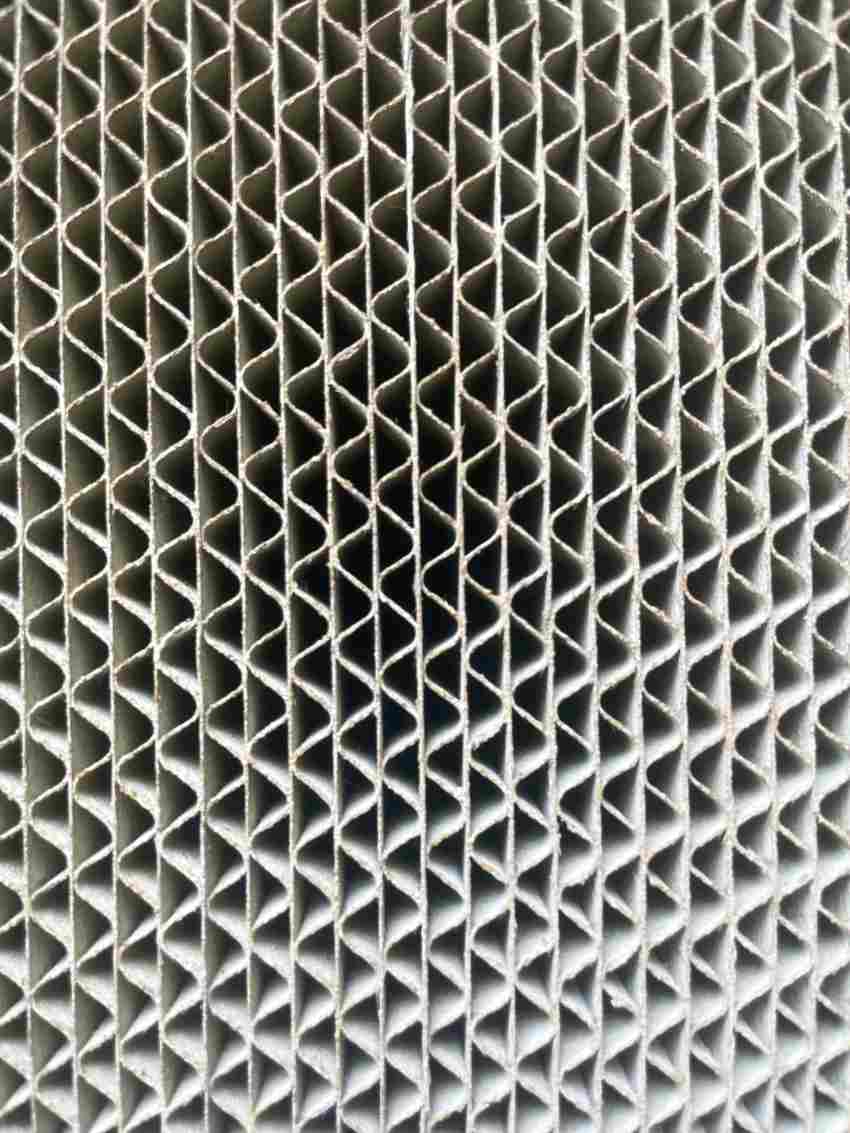
DeNOx Environment Group Has also recently launched a dual function catalyst, able to convert both NOx, CO and VOC in one step. This dual function catalyst thus saves space relative to a system with multiple catalysts, each designed for removing one species only. And the dual function catalyst is typically also a more economical solution, both in terms of CAPEX and OPEX.
What are the ranges of products/services?
A.N: Catalysts for removal of NOx, CO, VOC, dioxins and furans. For all types of applications.
What is the state of the market where you are currently active?
A.N: The European market for air pollution control is mature and stable in Western Europe while it is still growing in Eastern Europe.
The main driver is emissions regulations set by the EU or by national environmental authorities. Emissions tend to be gradually regulated to obtain better air quality, and more and more species become regulated. Examples of new species that may/may not be regulated in near future is N2O and CO2, two greenhouse gases contributing to the global warming.
What can you tell us about market trends?
A.N: The market for environmental catalysts in Western Europe is generally decreasing due to a shift to less fossil fuel combustion and more sustainable energy. There is also a shift towards more sustainable energy sources in Eastern Europe, but here continues to be a significant use of fossil fuels, probably for several years more. It is therefore expected that there will continue to be demand of large catalyst volumes in Eastern Europe for air pollution control.
What are the most innovative products/services marketed?
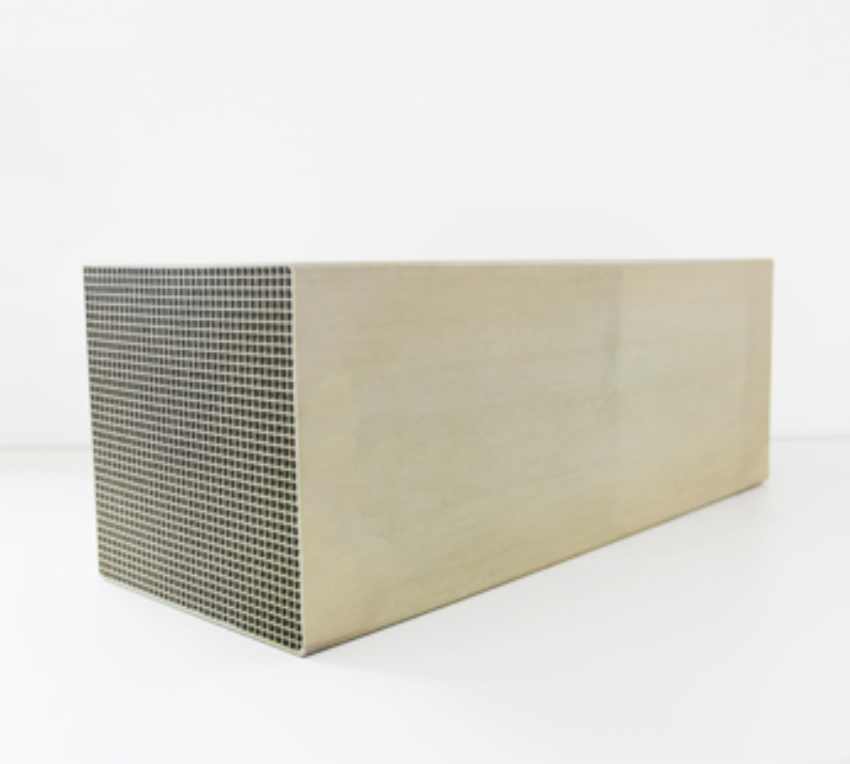
A.N: The dual function catalyst for removal of NOx and CO is expected to be a big hit for applications where both of these species must be reduced. This is typically relevant for gas turbines and engines, but also with an increasing demand on biomass fired boilers.
What estimations do you have for the beginning of 2026?
A.N: DeNOx Environment Europe begins 2026 with several deliveries of SCR DeNOx catalyst for biomass fired boilers and waste incineration plants. It is expected that waste and biomass fired boilers will be our most active segments in 2026, combined with some activity on engines and gas turbines.