
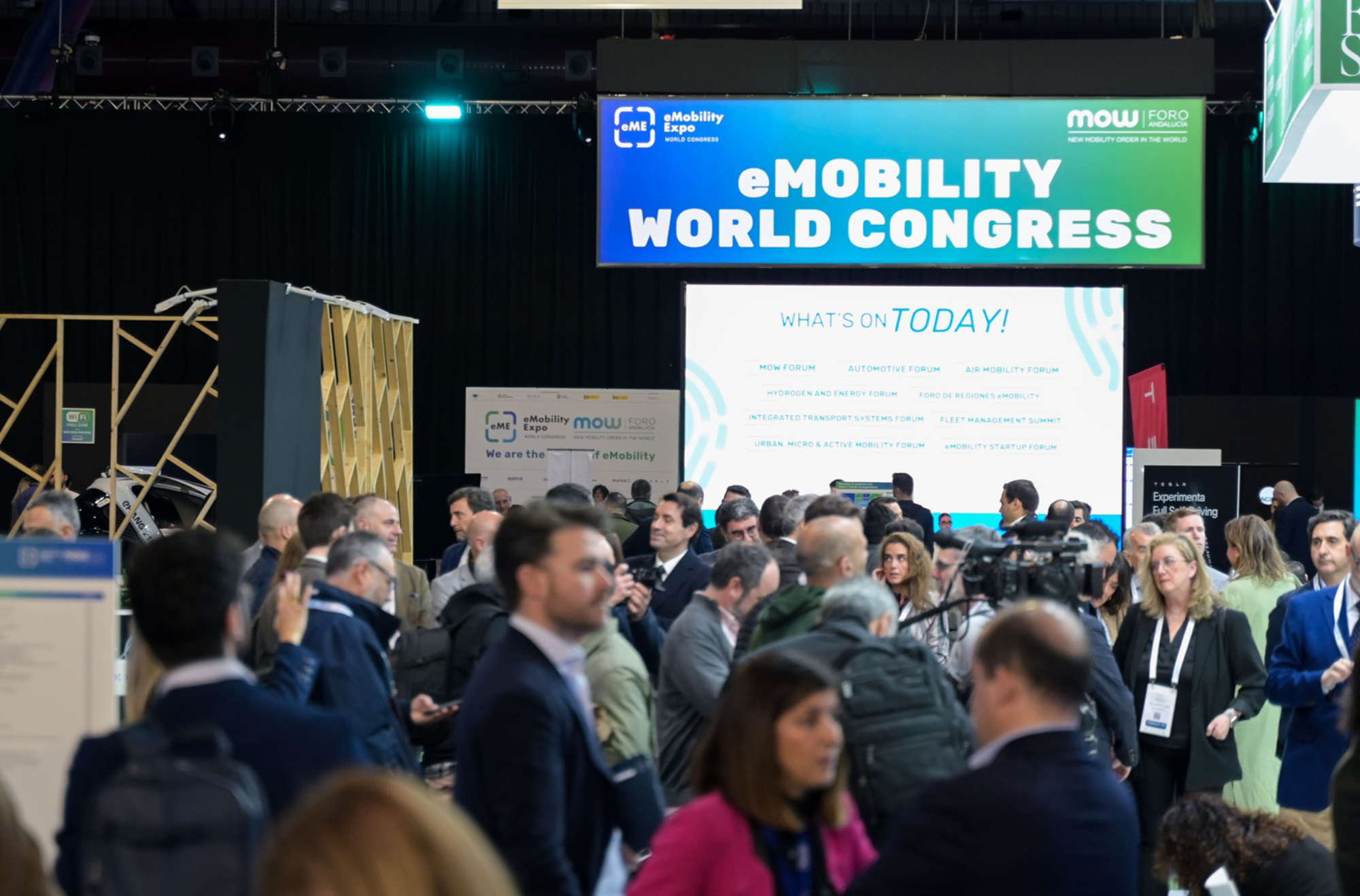
eMobility Expo World Congress – MOW 2026 has concluded its third edition, consolidating Málaga as a hub and strategic gateway in southern Europe for sustainable, autonomous, electrified, connected, and safe mobility. Under the slogan “We are the future of eMobility,” the two-day event brought together 5,287 delegates and industry professionals from more than 34 countries, who attended to explore trends, challenges, and solutions across different segments of the mobility industry and to define the roadmap for the sector’s decarbonization in the coming years.
Now in its third year, the event generated an economic impact of more than €12 million for the city of Málaga. This was achieved despite the difficulties many delegates faced in reaching Málaga due to disruptions in the rail network, which resulted in a 9% drop in expected attendance.
Over the two days, thousands of professionals discovered more than 400 innovations presented by 203 exhibiting companies. These included automotive companies such as Tesla and Santana Motors; motorcycle manufacturers such as Silence and Kawasaki; eVTOL companies such as eHang; recreational boating firms such as Dhamma Blue; air mobility companies including ESA, Boeing, and Ryanair; and technology firms such as ETRA, specialists in mobility, traffic, and transport solutions.
During the event, Andalucía TRADE organized an international technology transfer conference together with the Enterprise Europe Network (EEN) — the European network supporting SMEs — the CEA, and the Andalusian Council of Chambers of Commerce. The initiative hosted more than 200 business meetings, with the participation of 234 companies, investors, and technological and commercial partners from 27 countries, focusing on sustainable vehicles, micromobility, advanced logistics, smart urban mobility, rail, maritime and air transport, clean energy technologies, and digitalization.
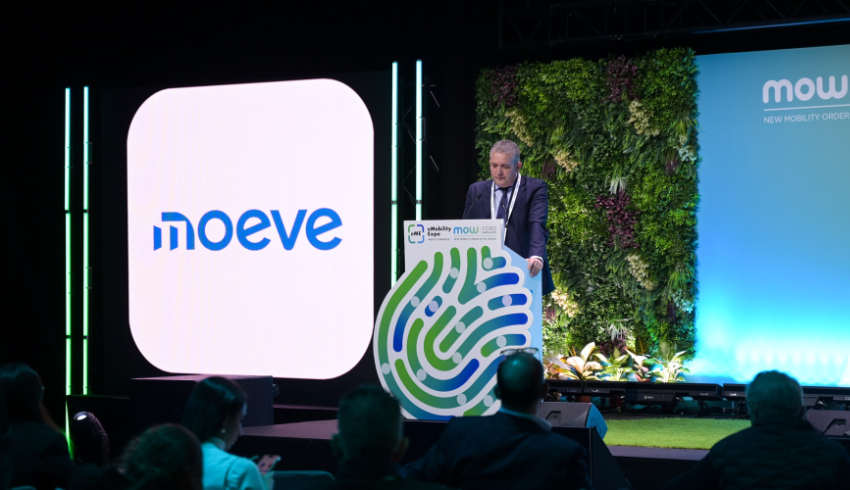
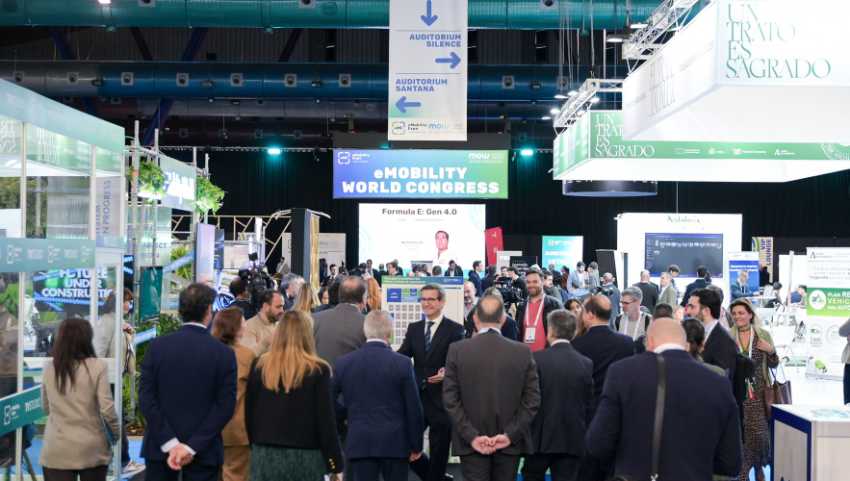
The congress also brought together 376 experts from around the world to analyze, discuss, and share the current and future challenges facing the mobility industry, including the development of more connected, autonomous, and safer mobility, as well as the decarbonization and electrification of the sector.
In this context, Jaime David Peris, Special Commissioner for Reindustrialization at the Spanish Ministry of Industry, closed the event by stating that “the transition to decarbonized mobility cannot lead to the deindustrialization of the continent,” but should instead become “a unique opportunity to strengthen our industrial base, our technological capacity, and our strategic autonomy.”