
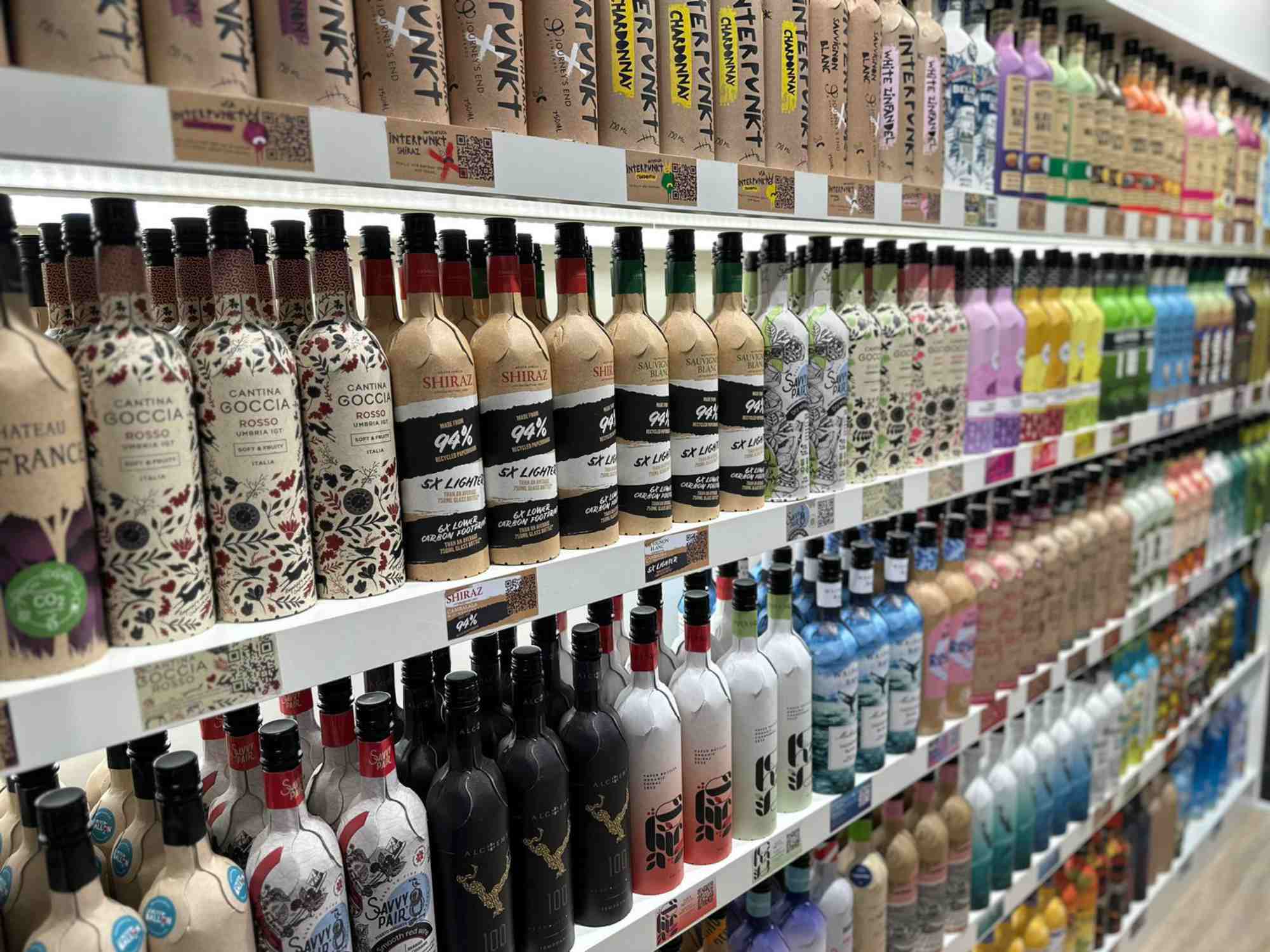
Frugalpac is a UK-based sustainable packaging company that engineers and supplies recycled paper-based products with the lowest carbon footprint that are easily recycled again and don’t need to go to landfill.
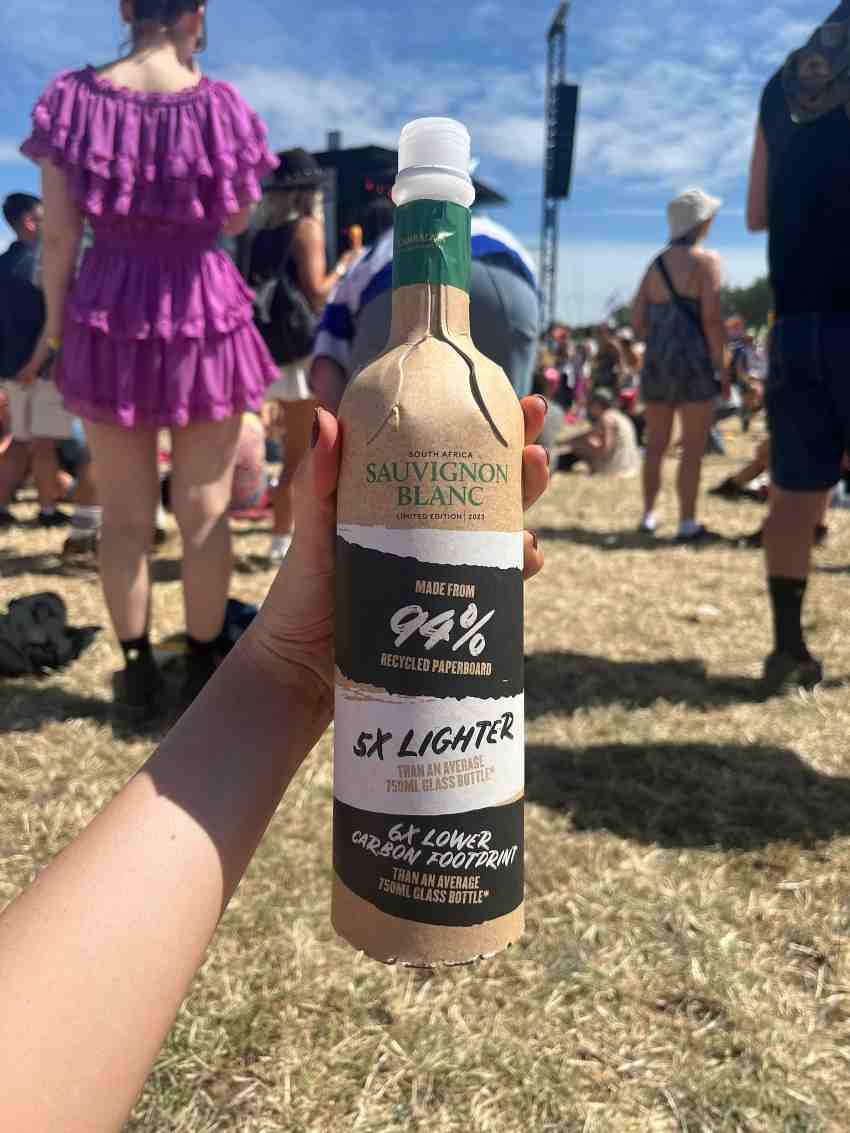
The company has won global recognition for the Frugal Bottle – the world’s first and only commercially available paper bottle for wine, spirits, and edible oils. With a carbon footprint 84% lower than a standard glass bottle, their mission is to disrupt the global packaging landscape.
Frugalpac is proving that through precision engineering, recycled paperboard can replace energy-intensive materials without forcing brands to compromise on product quality, shelf presence, or the consumer experience.
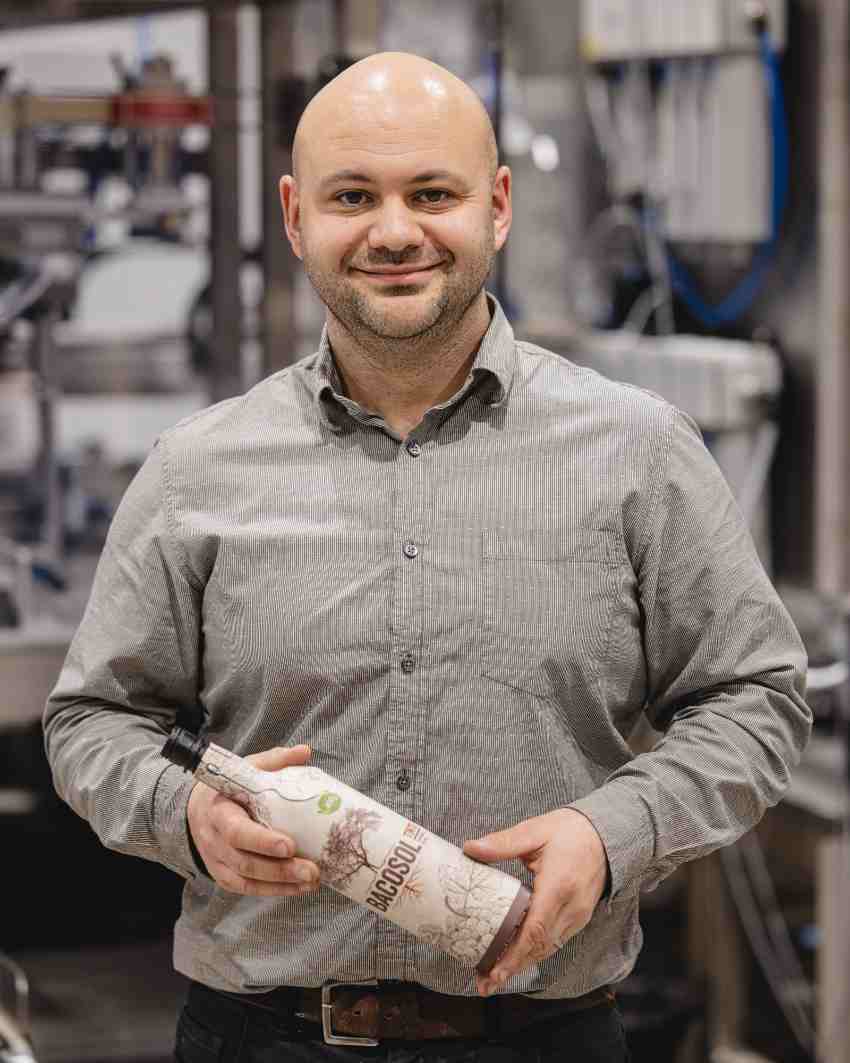
Interview with John Paul Grogan, Product Director at Frugalpac.
What are the main areas of activity of the company?
John Paul Grogan: Our operations are integrated strategically across three pillars: Packaging Design and Engineering, Intellectual Property (IP) Development, and Machine Manufacturing and Licensing.
Unlike traditional packaging suppliers, we don’t just sell a container; we provide the means of production. We engineer the high-precision machine systems required to assemble these bottles at industrial scale.
This is centred on our Frugal Bottle Assembly Machines (FBAM). By licensing this technology to a global network of bottlers, co-packers, and producers, we facilitate a decentralised, localised production model
This allows partners to manufacture sustainable packaging on-site, strengthening regional supply chains and virtually eliminating ‚packaging miles’.
What’s the news about new products/services?
J.P.G: The landmark development for 2026 is the industrial rollout of the FBAM-2. While our established FBAM-1 has already proven its commercial viability – with units operating internationally – the FBAM-2 represents a monumental leap in mechanical throughput for the mass market.
We have engineered the FBAM-2 to increase annual production capacity from 2.5 million units to over 14 million bottles per machine. This level of scale makes the paper bottle a viable primary format for global high-volume FMCG brands.
We are now working directly with global beverage conglomerates to audit their existing carbon-heavy packaging lines and provide the engineering roadmap required to switch to our recycled paper-based formats.
Furthermore, we have expanded our service range to include bespoke technical consultancy for global brands looking to switch other formats of carbon-intensive packaging to recycled paper-based packaging.
What are the ranges of products/services?
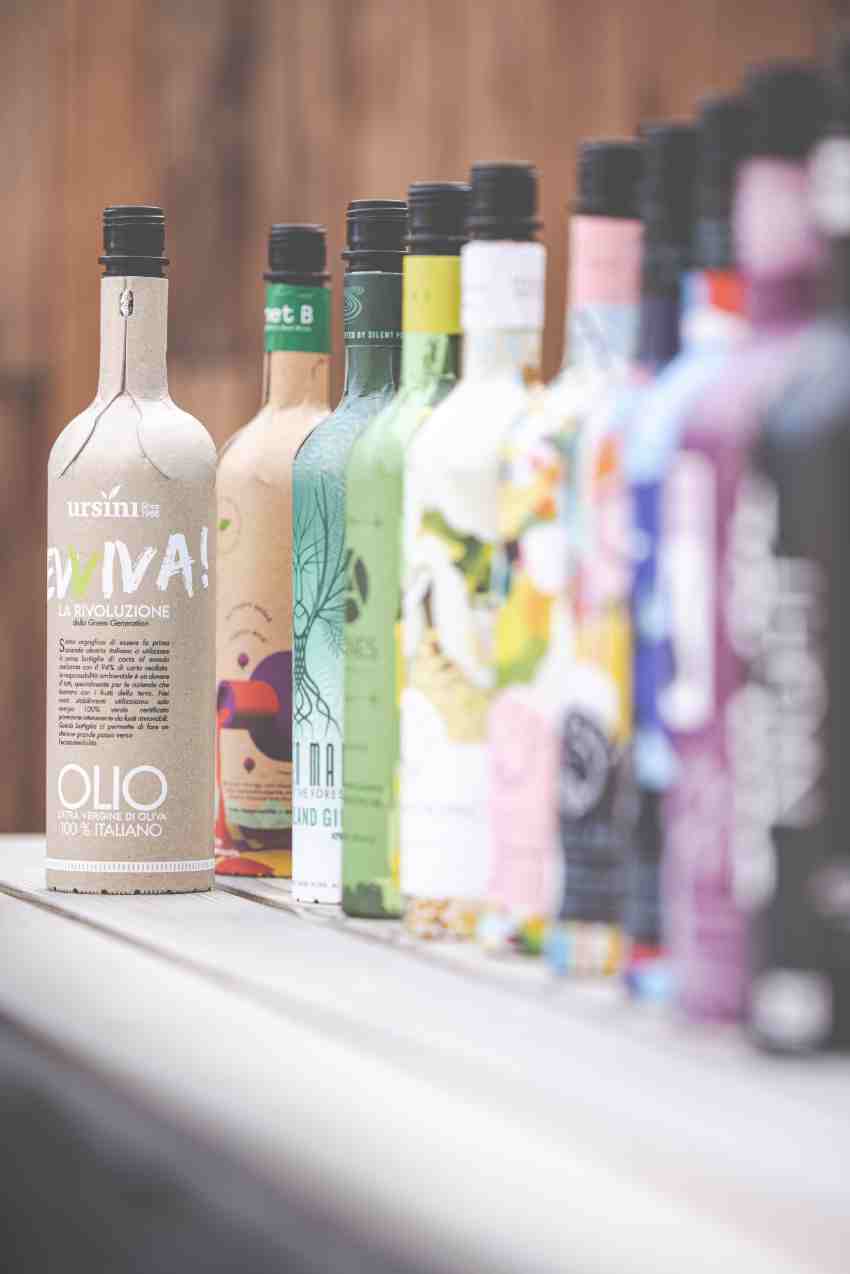
J.P.G: Our product range is anchored by the Frugal Bottle platform, currently optimised for the wine, spirits, and edible oil sectors – industries where glass has traditionally been the default, albeit inefficient, material.
On the service side, Frugalpac offers an end-to-end ‘Packaging-as-a-Service’ engineering partnership:
- IP Licensing: Access to our patented bottle designs and structural IP.
- Capital Equipment: Sale, installation, and commissioning of FBAM units (both the standard FBAM-1 and high-speed FBAM-2).
- Engineering Lifecycle Support: Continuous remote monitoring, technical support, and process optimisation to ensure licensees achieve maximum OEE (Overall Equipment Effectiveness).
What is the state of the market where you are currently active?
J.P.G: The sustainable packaging market is undergoing a tectonic shift. What was once a niche interest for eco-conscious boutique brands has transitioned into a mainstream commercial requirement. This is driven by retailer requirements, consumer demand for transparency, and increasingly stringent global regulations, such as EU packaging regulations.
We are seeing unprecedented demand across Europe and North America, alongside a rapidly burgeoning market in the APAC region. Global producers are now under intense pressure to address Scope 3 emissions – the carbon footprint of their supply chain.
Switching from glass to paper is one of the most immediate and effective ways for a drinks producer to slash their operational carbon impact, and Frugalpac provides the only scalable engineering solution to facilitate that transition.
What can you tell us about market trends?
J.P.G: From an engineering perspective, the dominant trend is the aggressive lightweighting of FMCG packaging. The industry is moving away from heavy, fragile materials in favour of recycled cardboard solutions that are not only lower in initial carbon but are also easily recyclable again through existing household streams.
We are also witnessing a definitive move away from ‘packaging miles’. Historically, brands have shipped empty glass bottles, essentially shipping air across oceans, which is both economically and environmentally indefensible.
The trend is now towards localised manufacturing. Our model of placing the FBAM machinery directly into the heart of a producer’s bottling facility allows them to produce what they need, when they need it, drastically reducing logistics costs and associated carbon emissions.
What are the most innovative products/services marketed?
J.P.G: While the Frugal Bottle remains our flagship innovation – offering a carbon footprint 84% lower than a standard glass bottle and 77% less plastic than 100% recycled plastic bottles – our most significant innovation is actually our decentralised engineering model.
By selling our Frugal Bottle Assembly Machines, we are democratising sustainable manufacturing. Our licensing model allows a producer to become a self-sufficient sustainable packaging hub. We have already successfully installed units in the UK, Canada (KinsBrae Packaging), and the USA (Monterey Wine Company), with an Australian unit currently pending and a robust pipeline for Europe.
We are building a global network where the innovation isn’t just the bottle, but the decentralised system that produces it.
What estimations do you have for the beginning of 2026?
J.P.G: As we progress through 2026, the paper bottle is moving from a ‘speciality’ listing to a standard supermarket category. We are seeing this movement take significant hold across Northern Europe – particularly in Germany and the Nordics – as well as across the United States.
The introduction of the high-speed FBAM-2 units will be the catalyst for this, dramatically increasing the volume of paper bottles in global circulation. From an engineering standpoint, our focus for the remainder of 2026 will be on modular adaptability. We are currently refining our systems to handle a wider variety of liquid viscosities and exploring new bottle geometries.
This will allow us to expand further into the broader FMCG sector, including household liquids and non-alcoholic beverages.
At Frugalpac, we believe that 2026 will be the year that paper packaging becomes the global benchmark for responsible engineering.