
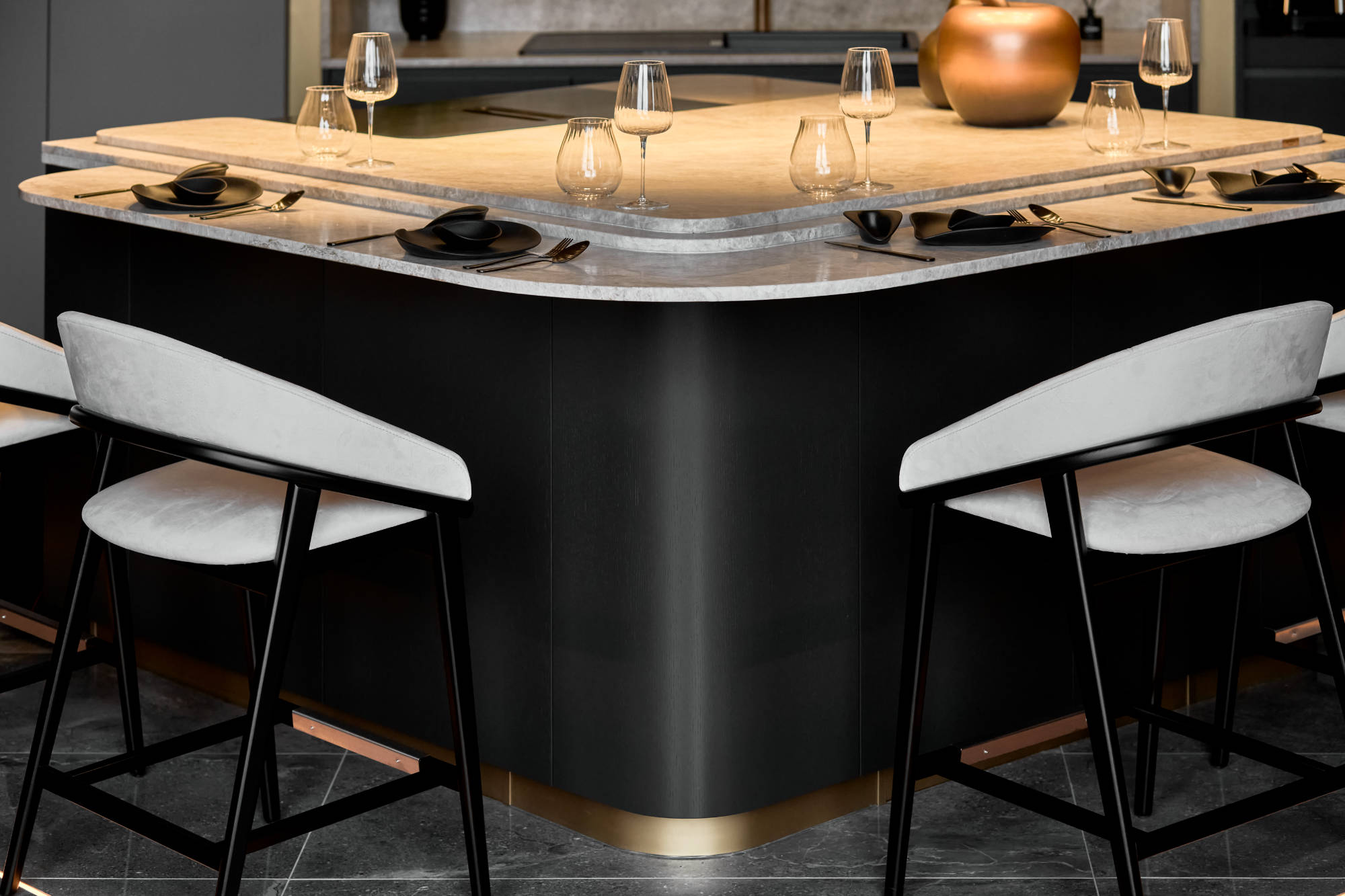
INKO Cocinas is a Spanish firm dedicated to the design and manufacture of kitchen furniture, headquartered in Coín (Málaga). The company creates kitchens designed to accompany real life.
Since their inception, INKO has worked with a very clear idea: the kitchen is not just another room; it is the heart of the home. For them, designing a kitchen means much more than manufacturing furniture—it means designing a space where life happens.
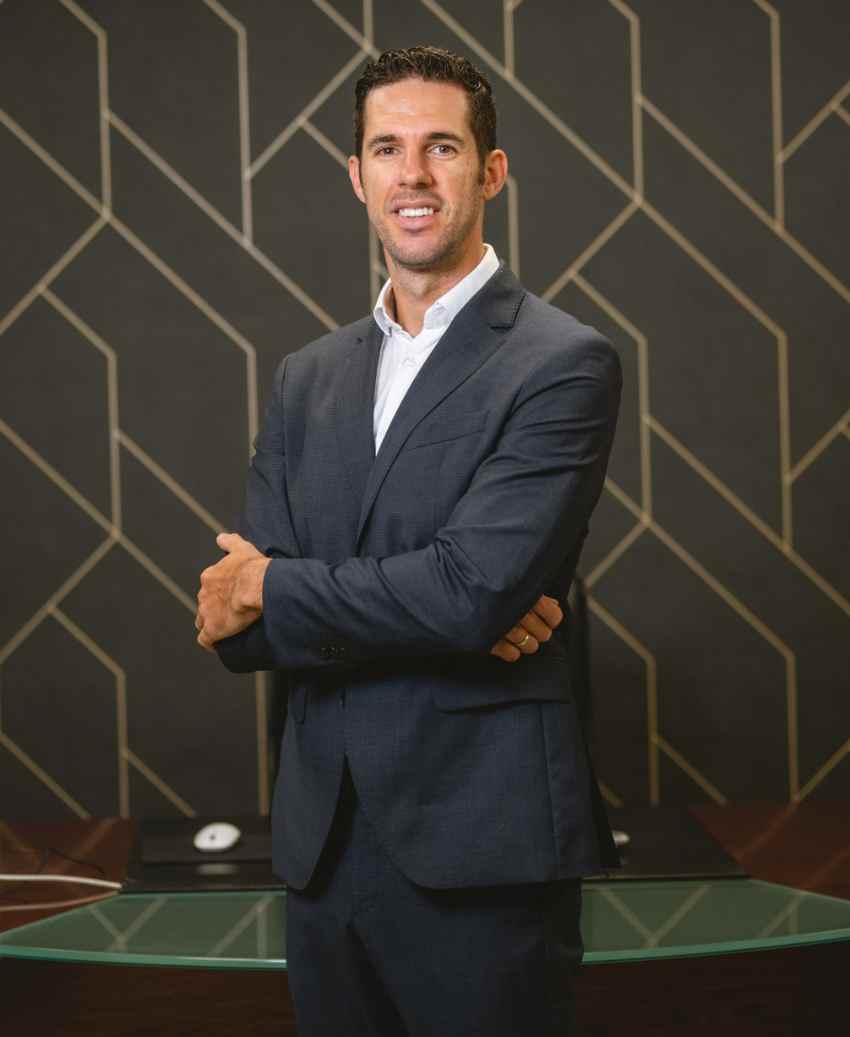
Interview with José Manuel Pabón Bernal, General Manager at INKO.
A Brief Description of the Company and Its Activities
José Manuel Pabón Bernal: At INKO, we manufacture contemporary kitchens where aesthetics, functionality, and durability are balanced with a high degree of customization. We possess a solid industrial structure that allows us to be efficient and consistent, yet we maintain a way of working that does not compromise on attention to detail. We believe a well-made kitchen is noticeable even in the details that aren’t visible at first glance.
We work exclusively through a professional network of distributors. This is vital because it means we accompany the project from the initial design to the final assembly, ensuring the client isn’t just buying a product, but a complete experience. Our commitment is that every kitchen be beautiful, yes—but above all, comfortable, practical, durable, and consistent with the lifestyle of those who inhabit it.
What are the main areas of activity?
J.M.P.B: Our core activity is the in-house design and manufacturing of kitchen furniture. Having internal manufacturing allows us to control the entire process, which I consider key: from the selection of materials to the final finish. When a kitchen is manufactured with precision and criteria, it shows. It shows in the stability, the touch, the adjustments, the silence of a drawer, and a door that fits perfectly. Above all, it shows over time.
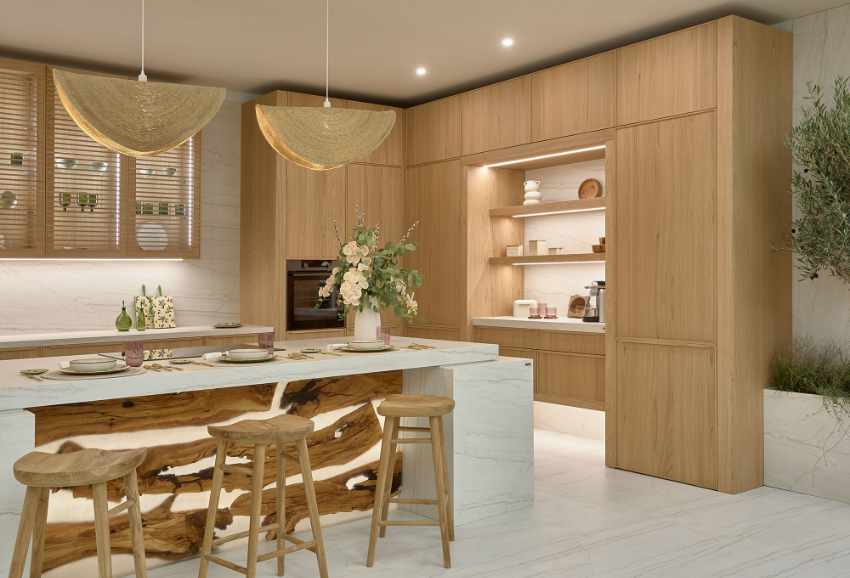
One of the greatest advantages of in-house manufacturing is that it allows us to adapt to every project. Not all spaces are the same, and not all families live the same way. There are homes where the kitchen is everything, and others where it must integrate completely into the living room. Some projects demand highly technical solutions, while others prioritize aesthetics. Our responsibility as a manufacturer is to respond with the same quality to all of them without losing control of the result.
Another important pillar is our vision of responsible production. For us, sustainability is a way of working: optimizing resources, reducing errors, minimizing waste, choosing solutions and materials that last for years, and betting on durability as a real value. A well-manufactured kitchen isn’t just more beautiful; it’s more sustainable because it avoids premature replacements, reduces incidents, and maintains its quality for longer.
Finally, there is an essential area: support for our distributor network. The kitchen is a final product, but it is also a process. That is why we offer continuous training, technical support, and tools that facilitate their daily work, ensuring the entire experience lives up to what INKO represents.
What’s the news about products and services?
J.M.P.B: In recent months, we have strengthened our proposal by evolving toward advanced customization and design more closely linked to lifestyle. The market has changed: the client is no longer looking for just a “pretty” kitchen, but one that integrates into their life and makes sense within their home.
We are working on new solutions that allow for increasingly flexible, coherent, and configurable projects. This is especially evident in kitchens that open to the living room, where the kitchen stops being a “work zone” and becomes part of the general design of the home. This requires new resources: more paneling, better integration, visual continuity, and materials that work both functionally and decoratively.
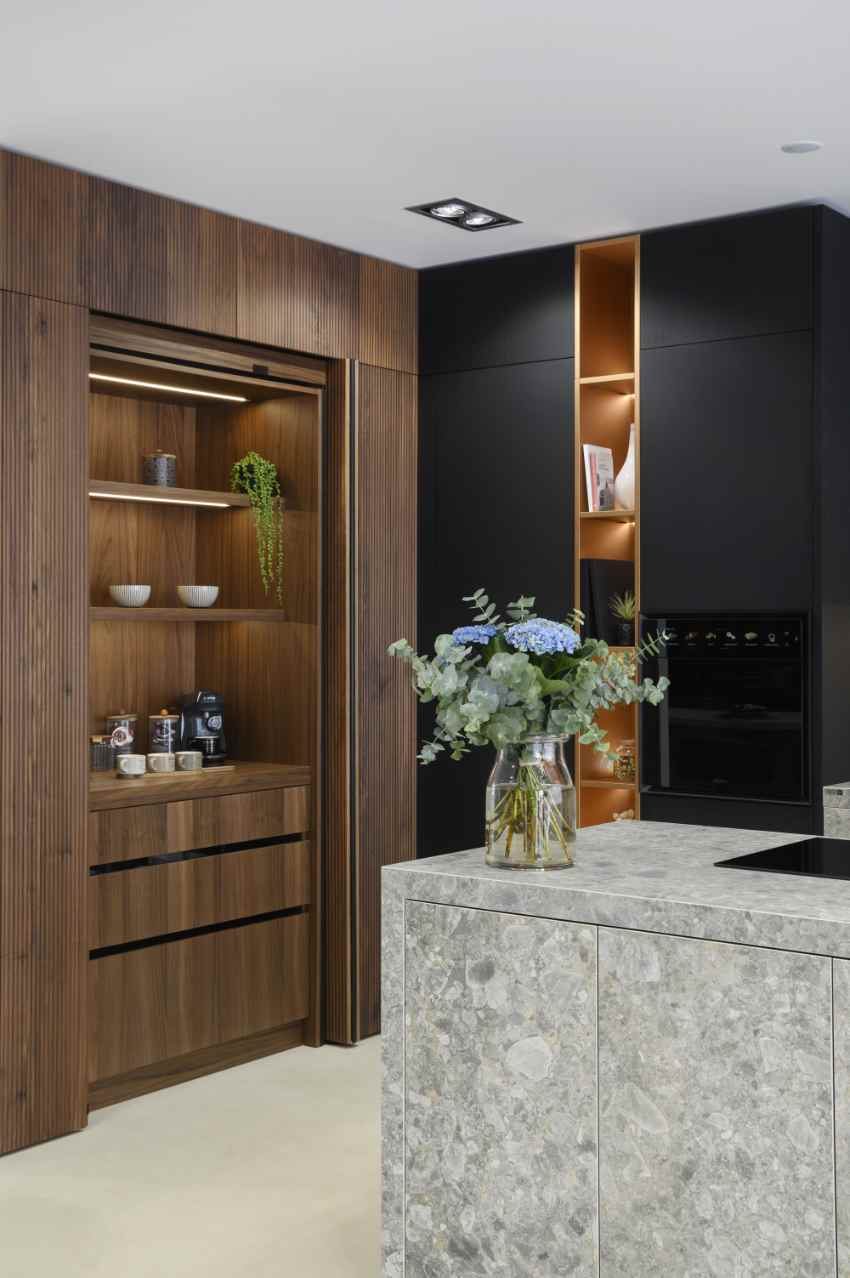
In line with this, we are making great strides in display cabinets and integrated lighting systems, which are now key to creating warm, contemporary environments. We are also developing more discreet opening mechanisms that allow for clean lines without sacrificing real comfort. Additionally, we continue to reinforce interior organization, as users increasingly value ergonomics, order, and practical solutions.
Parallel to this, we continue to improve digital tools and processes oriented toward our professional network, seeking agility, coordination, and a smoother experience throughout the customer journey.
What are the ranges of products?
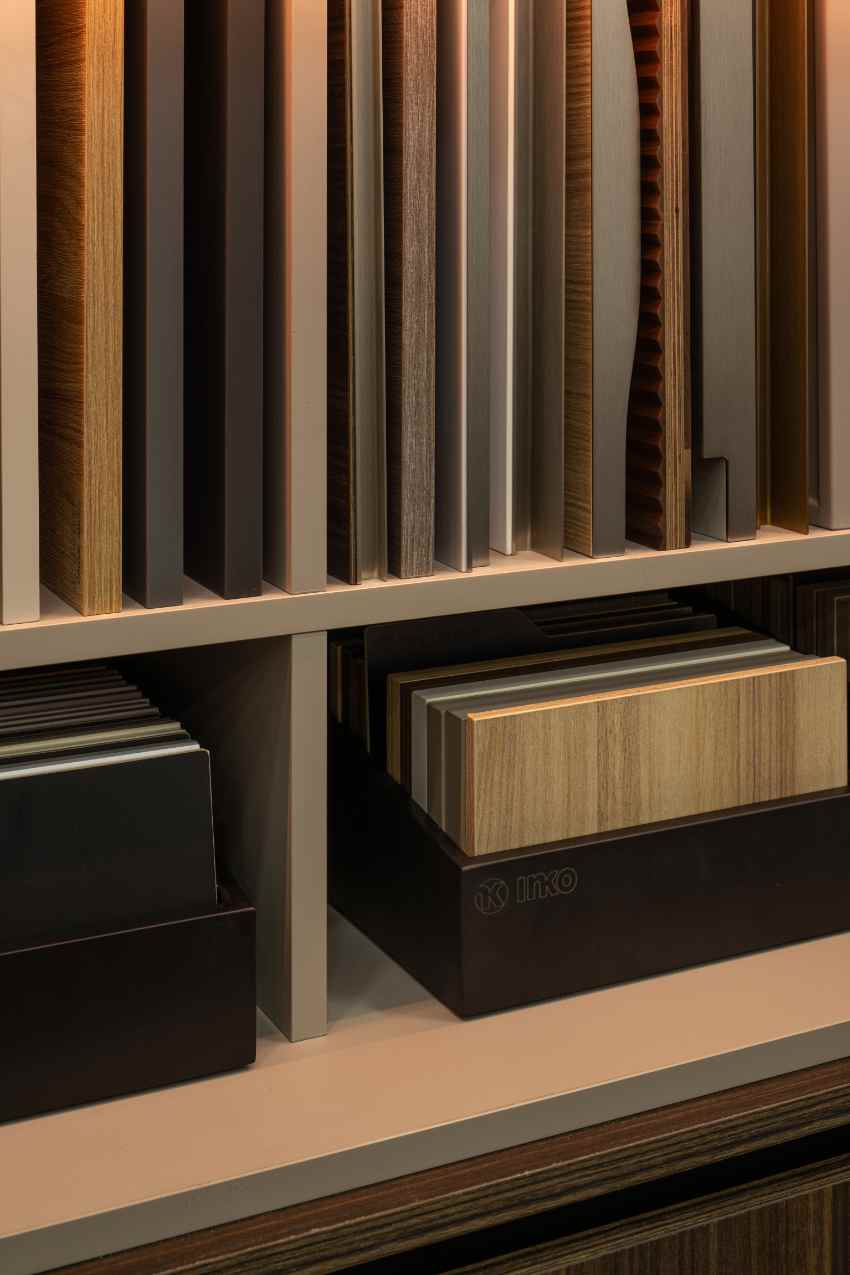
J.M.P.B: At INKO, we view the product with a very broad perspective: we don’t see the kitchen as a closed collection, but as a living, fully adaptable system. Our range is built on a catalog that incorporates all types of doors, materials, and technical solutions available on the market, from functional options to the most sophisticated architectural choices.
As a forward-thinking company, we are in constant evolution. We offer a full range of finishes, textures, and configurations so that each project can respond to the lifestyle of each person. Our goal is for the product to never limit the design, but rather to accompany and enhance it.
We also offer a wide variety of systems and hardware, with different opening options such as gola, push-to-open, and integrated or visible handles. The key lies in building every kitchen to the last detail without sacrificing aesthetics or durability.
At what stage is the market where you are currently active?
J.M.P.B: The market is currently in a demanding phase, but with solid demand. The end client is more informed than ever: they research, compare, look at references, and arrive with high expectations. They seek quality, but also trust throughout the process: deadlines, guarantees, clarity, service, and guidance.
Furthermore, the role of the “prescriber”—architects and interior designers—is increasingly decisive. In high-level residential projects, the kitchen is understood as an architectural element. It is no longer just a “nice kitchen,” but a structural part of the home’s general concept. This raises the bar for customization, reliability, technical capacity, and coordination.
In this scenario, brand building is a strategic necessity. Not only to attract the end client but to support our professional network. At INKO, we are reinforcing our brand identity and digital strategy because a solid brand generates trust and creates demand.
What can you tell us about market trends?
J.M.P.B: Current trends point clearly toward open kitchens integrated with the living area. Natural materials, wood, warm tones, and soft textures are gaining prominence. We are also seeing a rise in curves, volumes, and organic compositions that bring personality and calm.
Integrated lighting has become an emotional element: it is no longer just functional; it defines the atmosphere and the feeling of “home.” Functionality is also evolving toward the “invisible”—solutions that order and organize life without altering the design.
Moreover, consumers are looking for brands with values and consistency. They want to know who is behind the product, how it is made, and what the company represents. Today, companies don’t just compete on finishes; they compete on trust, reputation, and storytelling.
What are the most innovative products marketed?
J.M.P.B: Real innovation today is not about adding complexity, but about providing freedom. Freedom of design, freedom to customize, and freedom to create a project consistent with the inhabitant’s life. At INKO, we understand innovation as real customization supported by a solid industrial structure: manufacturing at scale without losing the artisanal touch.
In this vein, one of our most relevant upcoming developments is the CORE model: a 12mm aluminum door system that introduces a very architectural and contemporary aesthetic. It is a lightweight, versatile proposal with a modern language, designed for projects where the kitchen is fully integrated into the interior design.
We also innovate constantly in hardware and technical solutions, periodically incorporating more discreet and efficient systems. Perhaps most importantly, our innovation lies in maintaining a human and flexible way of working, even as a large-scale company. We believe a kitchen is not sold just through a catalog, but through trust and listening.
What estimations do you have for 2026?
J.M.P.B: Following the growth recorded in 2025, with an approximate increase of 30%, our estimates for 2026 are to continue growing steadily, consolidating our positioning and expanding our presence in higher-value projects.
For us, growing isn’t just about producing more; it’s about doing it better. It means maintaining consistency, quality, deadlines, and the level of detail. It also means strengthening our network and working closer with the professional channel.
Our focus for 2026 rests on three pillars:
- Consolidating the distributor network and the prescriber channel.
- Boosting brand awareness through digital strategy and content.
- Caring for our human team, which is the true value of INKO.
We know that today’s client connects with the brand long before they reach the buying phase. We want to be present in that first moment with a solid, inspiring, and professional proposal—growing without losing our essence.