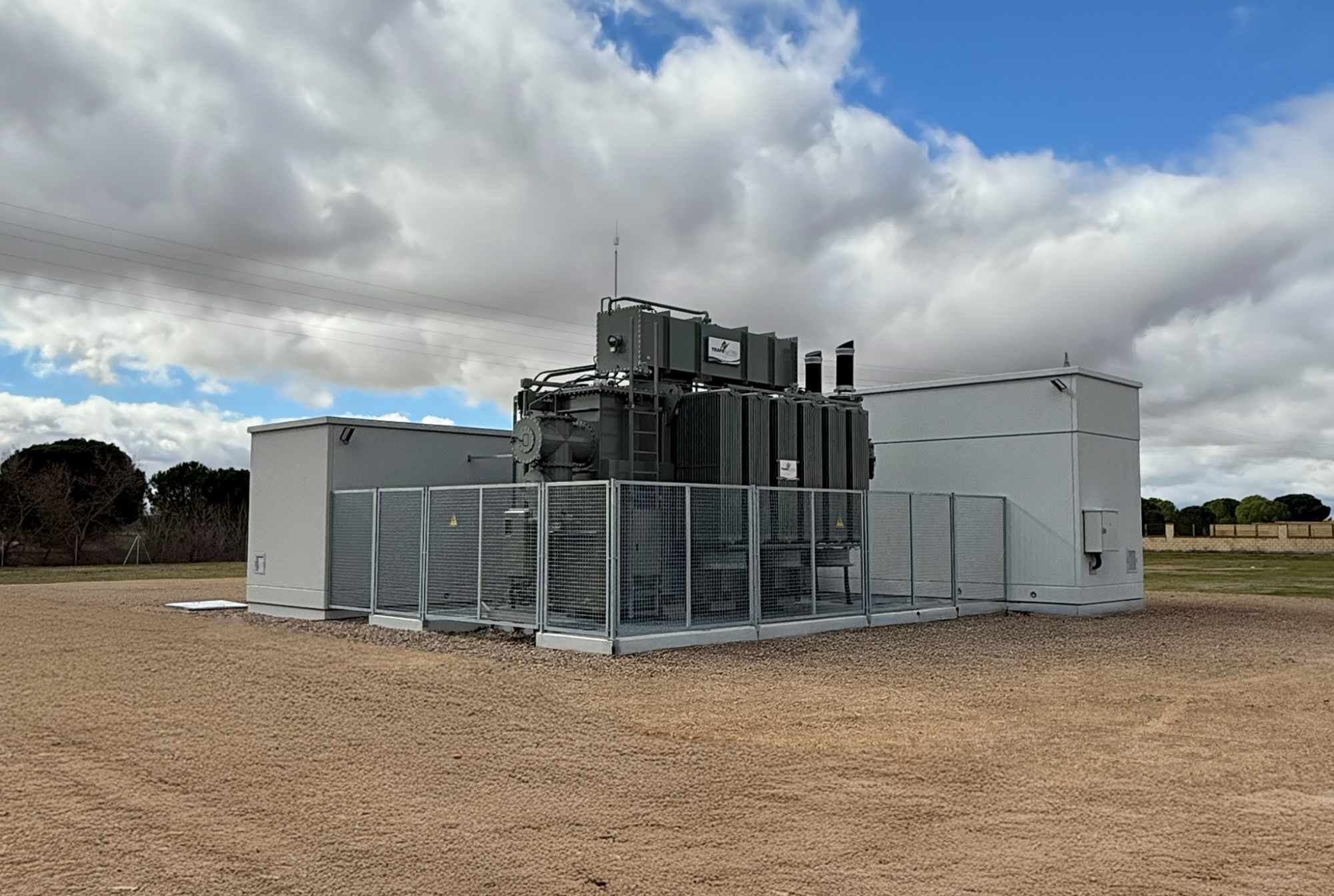
Meins is a Spanish company specialized in the design, manufacturing, and integration tailor-made prefabricated medium and high voltage electrical solutions for applications such as photovoltaic plants, battery system (BESS), wind power, electric vehicle charging infrastructures and data centers, as well as hybrid systems combining multiple technologies. Additionally, MEINS’ solutions are adapted to the development or reinforcement of power consuming facilities and to the construction of new electrical or transmission infrastructure for different sectors.
With more than 28 years of experience and presence in over 35 countries, the company has exceeded 11 GW of installed capacity associated with the solutions supplied, working closely with leading technology providers, EPC contractors, developers and IPPs worldwide.
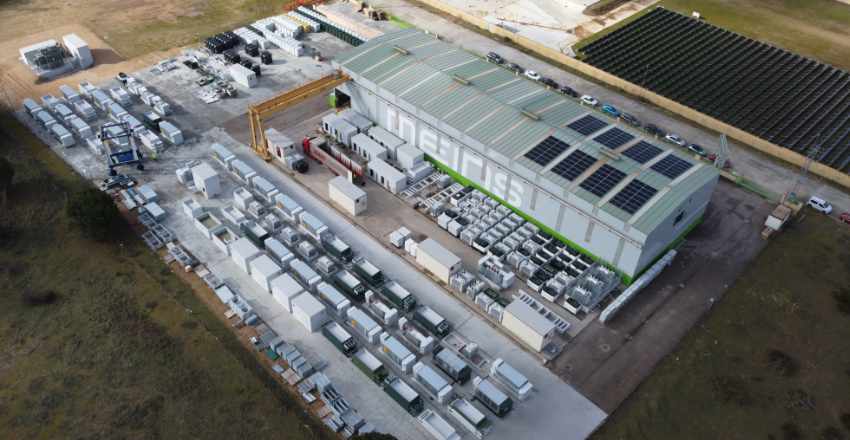
Its business model is based on modular and prefabricated turnkey solutions developed, integrated and tested at our own facilities, using equipment from top-tier manufacturers. This approach reduces execution times, improves installation quality and minimizes on-site risks.
Interview with Jennifer Sánchez Berrocal, Key Account Manager at Meins.
What are the main areas of activity of the company?
Jennifer Sánchez Berrocal: Meins has a log and well-established track record in both industrial and renewable energy sectors. While its current main line of business is focused on transformer stations for the energy sector, the company is characterized by its strong adaptability to changing market conditions, different sector and their continuous evolutions. With a clear vision oriented toward new technologies and future trends, the company has structured its activities.
Into three major divisions:
- Renewable Energy: This is the company’s main business area, focused on the supply and integration of transformer stations, high-voltage compact substations, and electrical panels for photovoltaic plants, wind farms, and energy storage systems. This division also includes hybrid solutions combining multiple technologies and applications in emerging sectors such as hydrogen and biomass.
- Industry and Infrastructure: This is Meins’ longest-established business line. Since its beginnings, the company has developed complete electrical installations, assembly and connection of electrical switchboards, and power distribution solutions for industrial infrastructure and essential services where supply reliability is critical.
- R&D&I: The research department represents 20% of the workforce and develops technologies related to energy efficiency, hydrogen, biotechnology, and new electrical solutions. This area is key to the company’s technological differentiation and is expected to gain increasing relevance in the future, with several developments becoming part of the company’s commercial product portfolio.
What’s the news about new products/services?
J.S.B: Meins launched in the summer of 2024 what it considers one of its most significant and market shaping products to date, the CSET prefabricated compact substation. This solution fully reflects the company’s philosophy of disruptive, tailor-made turnkey solutions, expected to play a transformative role not only in the energy sector but also across industrial applications.
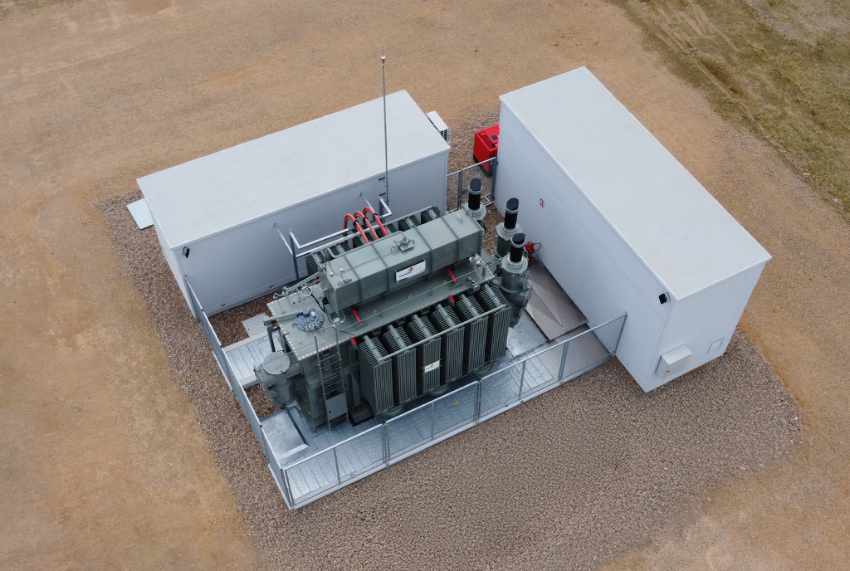
The CSET concept was developed in response to a clear market need to drastically reduce project execution timelines, on-site construction periods, and the overall physical footprint of substations. Unlike conventional outdoor substations, the CSET is conceived as a compact, plug-and-play solution, delivered as modular units that are assembled on site in a “puzzle-like” configuration, significantly simplifying installation and commissioning.
From a technical perspective, this solution can reach up to 100 MVA per transformer and operate at insulation voltages up to 145 kV, incorporating GIS technology, and enabling complete on-site implementation in less than ten days, including civil works, electromechanical installation, and functional testing compared to the usual six to ten months required for a conventional substation. Additionally, its design reduces the physical footprint by up to ten times compared to traditional solutions which is a major advantage in industrial areas where space is at a premium, both from an economic perspective and for efficient utilization of available land. Even, the financial model is more attractive compared to conventional substation concepts, offering greater flexibility and reduced upfront costs.
In fact, given the disruptive of this solution and its broad market potential, Meins has developed a full-scale showroom installation at its own facilities, allowing customers to experience first-hand the concept, functionality, and advantages of the CSET solution.
At the same time, the company is developing a dedicated line of modular electrical solutions for data centers, and hydrogen applications, designed to meet the reliability, energy efficiency, and rapid installation requirements of these critical infrastructures.
In the field of hydrogen, Meins has developed an innovative system for producing renewable hydrogen through bioethanol reforming. This is a transportable, scalable, and on-demand production solution, designed to facilitate the progressive deployment of hydrogen in mobility applications without relying on large-scale electrolysis plants.
Furthermore, the R&D&I department is driving new developments in energy efficiency and the circular economy, including thermal storage systems and advanced freeze-drying solutions that allow biological samples to be stored without the need for ultra-freezing.
What are the ranges of products/services?
J.S.B: A key differentiator of the company is that it does not work with standard solutions. Each project is custom designed to optimize performance, costs, and execution timelines. This flexibility allows MEINS to offer multiple options.
The main products and services include:
- HV/MV compact substations CSET
- HV/LV compact substations FSET
- MV/LV transformer stations
- MV delivery stations
- LV panels
- Control centers
- Electrical solutions for data centers
- Complete industrial electrical installations
- Electrical systems for energy storage
- Electrical infrastructure for hydrogen
What is the state of the market where you are currently active?
J.S.B: The insights we have, together with those shared by our customers and suppliers, indicate that the European energy market is undergoing a period of significant transformation and change. We are observing a substantial increase in electricity demand, accompanied by the need for reliable infrastructure that can be deployed rapidly. This environment drives the search for innovative solutions that enable more remote, efficient, and flexible system management, adapting to the current demands of the sector.
In the photovoltaic sector, we have recently seen a slowdown in new investments in certain markets, driven by falling PPA prices. This situation has encouraged the development of hybrid projects with energy storage as an alternative to improve profitability and ensure the stability and quality of electricity supply. Such solutions are growing significantly across much of Europe, with the goal of integrating renewable energy without compromising grid reliability. In Spain, in particular, this trend has accelerated following the blackout that occurred in April 2025.
Within this context, the company maintains a strong position in hybrid systems while also exploring opportunities in markets beyond Europe. Examples include projects in Latin America, such as those developed in Guatemala and El Salvador, as well as in European countries like Italy and Romania, where the promotion of renewable energy creates new growth opportunities.
At the same time, sectors such as data centers, energy storage, and high electricity-consuming industries are experiencing strong growth, generating new opportunities for modular and prefabricated electrical solutions. In this space, we position ourselves as a key player, capable of providing solutions that meet the needs of these expanding markets.
In conclusion, MEINS continues to hold a solid position, ready to seize emerging opportunities in a constantly transforming environment, thanks to its international presence, up-to-date market knowledge, and stable collaboration with EPC contractors and energy project developers.
What can you tell us about market trends?
J.S.B: We observe several clear trends in the energy sector. On one hand, as mentioned earlier, the integration of energy storage systems, hybrid solutions, and technologies that enhance grid stability is becoming increasingly important, driven in part by the growth of data centers and other critical infrastructure, which is creating a rising demand for safe, efficient, and rapidly deployable electrical systems. On the other hand, digitalization, asset optimization, and more flexible business models are gaining momentum, particularly in mature markets such as Europe, where we currently focus our activity, while also expanding into other regions.
Aligned with these trends, we are taking initial steps in the development of digital substations, with remote and intelligent solutions that allow to manage issues without the need for on-site intervention.
We also detect a growing trend toward concentrating higher power and voltage levels in increasingly compact spaces, driving the development of more compact solutions, an area in which we are experts. Currently, we are expanding the capabilities of our medium voltage solutions, reaching up to 10 MVA and 40.5 kV of insulation, adapted to numerous sectors and applications. At the same time, we are exploring the possibility of increasing the capabilities of other products, such as the CSET, which currently reaches 100 MVA and 145 kV of insulation, and the FSET, with 10 MVA and 66 kV of insulation.
Following this tendency, the energy sector is also moving toward increasingly modular, industrialized, and fast-to-deploy solutions, driven both by the shortage of qualified technical personnel and the need to reduce construction times and accelerate project implementation. This is accompanied by greater electrification of the industrial and transport sectors, as well as systematic integration of storage into renewable energy systems.
At the same time, hydrogen is emerging as a strategic long-term energy vector. Although it is still in the early stages of technological development and infrastructure deployment, we are optimistic that its adoption will become significant in the medium to long term.
What are the most innovative products/services marketed?
J.S.B: Given that all Meins’ products are fully customized, each solution could be considered innovative.
Highlighted among these are:
- CSET Compact Substation: A modular solution up to 100 MVA up to 138 kV that enables the rapid, safe, and efficient deployment of high-voltage projects. Its prefabricated, “Plug & Play” design reduces installation time and footprint, allows future adaptability, simplifies logistics, and optimizes CAPEX, OPEX and overall project risk. To date, Meins has signed more than 10 projects supplying this compact substation solution.
- FSET Compact Substation: This turnkey solution integrates the HV/MV substation and LV/MV transformer station into a single, fully customizable unit, supporting up to 10 MVA and 0.8–66 kV. Its prefabricated modular “puzzle type” civil design minimizes footprint and enables installation in just 2 days. By eliminating the need for a two separate transformer, it delivers 15–40% CAPEX savings and OPEX reductions of €35,000–50,000 per MW. This solution has been implemented in multiple projects, notably a photovoltaic plant at Barajas Airport in Madrid, where 15 units were supplied.
- THAWI – Thermal Self-Consumption System: An innovation that directly converts solar photovoltaic energy into heat, producing hot water instantly and with high efficiency. THAWI addresses the growing demand for sustainable, grid-independent thermal solutions, adapted to an evolving energy market.
What estimations do you have for the beginning of 2026?
J.S.B: Meins’ forecasts for 2026 anticipate sustained growth in both business volume and international expansion with increased presence across different markets and sectors.
The company expects to surpass 70 € million in revenue and deliver more than 450 electrical solutions over the year, consolidating its presence in European markets such as Spain, Germany, Italy, the United Kingdom, and Ireland. High growth is expected in sectors such as energy storage and in products like CSET compact substations.
In addition, Meins is working on the technical and regulatory requirements necessary for entry into the U.S. market, while also exploring opportunities in Latin America and North Africa.
At the same time, the company will continue strengthening its position in strategic sectors such as data centers, electric vehicle charging points, energy storage, and hydrogen, which are expected to be key growth drivers in the coming years.