
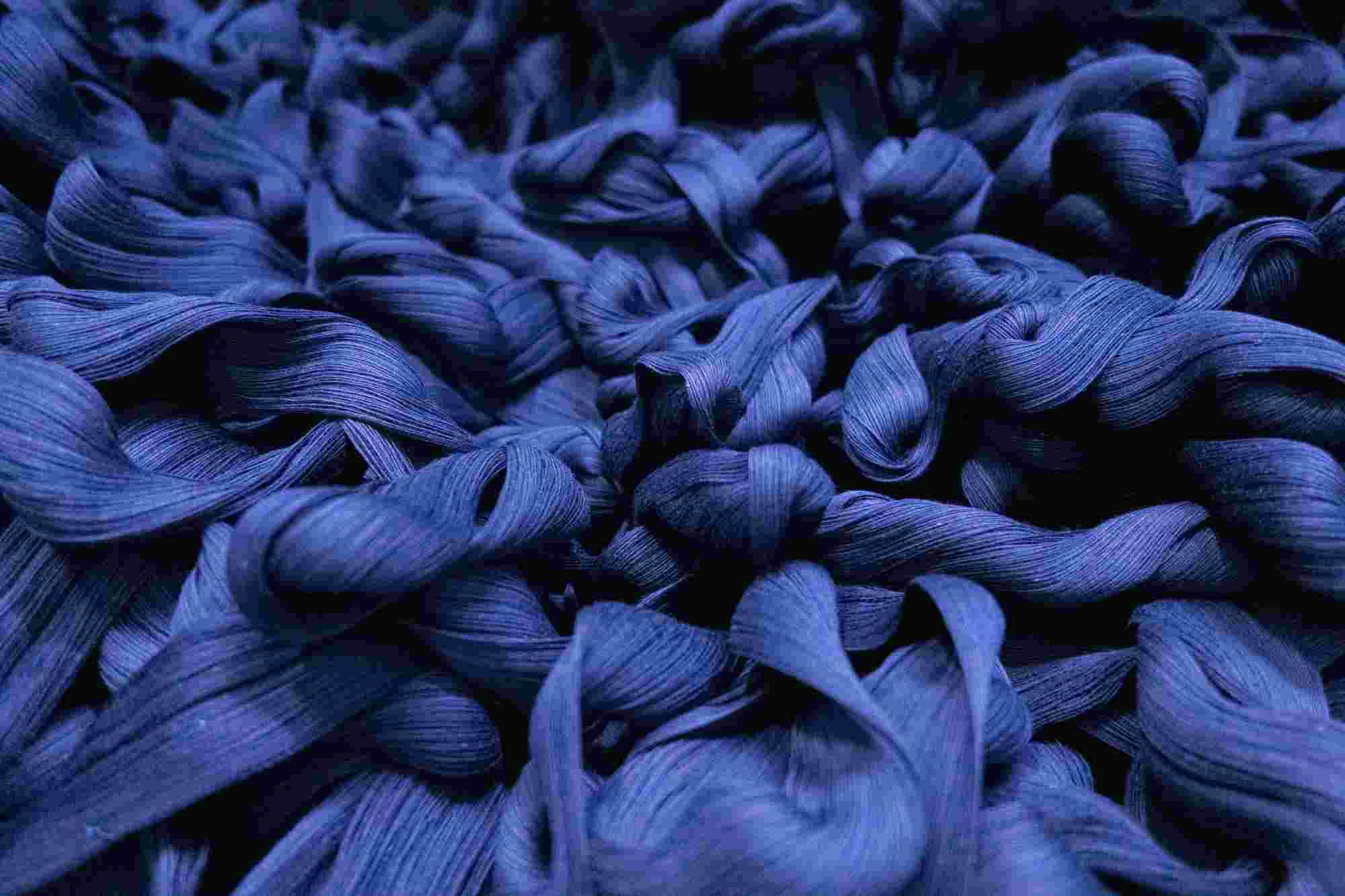
Pili is a pioneer in bio-based dyes and pigments, developing high-performance, low-carbon color solutions through fermentation and sustainable chemistry. The company’s mission is to help decarbonize the global color industry by drastically reducing reliance on fossil resources and toxic chemicals. Its pigments and dyes serve multiple sectors: textiles, inks, paints & coatings, and plastics. They offer renewable and scalable alternatives to conventional colorants.
Founded in 2015, Pili operates across three sites in France, employs around 40 people, and has invested more than €35 million to industrialize its innovative processes.
Interview with Jérémie Blache, CEO of Pili.
What are the main areas of activity of the company?
Jérémie Blache: Color is everywhere, yet its environmental cost remains widely underestimated. Across industries, pigments contribute over 200 million tons of CO₂ each year. In textiles, few materials illustrate this better than denim. The industry produces more than 3 billion pairs of jeans annually, each dyed with indigo. Yet 99% of this pigment comes from fossil resources, synthesized using toxic chemicals such as aniline.
Pili’s objective is to rethink color at its source by replacing petroleum-derived inputs with renewable, bio-based alternatives.
Our answer is Eco-Indigo, the world’s first bio-based indigo made through biotechnology instead of fossil chemistry. Using industrial fermentation, we start with plant-based, traceable sugars and let microorganisms, trained through biotechnology, convert them into indigo.
What’s the news about new products/services?
J.B: In January 2025, the premium Californian brand Citizens of Humanity launched the first denim collection dyed with Pili’s Eco-Indigo. A total of 100,000 units have already been dyed, an important milestone demonstrating that bio-based color can scale to industrial volumes. Pili now plans to expand production significantly in 2026, targeting several hundred thousand garments and paving the way for one million Eco-Indigo-dyed pieces in the near future.

What are the ranges of products/services?
J.B: Beyond denim, Pili’s fermentation platform can produce other bio-based dyes and pigments for textiles, cosmetics, inks, paints, and coatings. The drop-in nature of the products allows easy integration across industries seeking sustainable alternatives to petrochemicals. Pili’s portfolio also presents various biobased aromatics (anthranilic acid, p-aminobenzoic acid, …) as key biobased platform precursors for the chemical industry.
What is the state of the market where you are currently active?
J.B: The first market Pili operates with its eco-indigo dye is the textile industry more specifically the denim industry. The global denim market is large and continues to grow, with approximately 3.3 billion units sold annually. Pili currently focuses on the premium and luxury segments of this market. These segments are performing well, generating more than €31 billion in revenue, and acting as strong drivers of innovation and sustainability for the whole industry. Luxe and premium brands provide ideal conditions for early adoption of low-impact, next-generation color solutions.
What can you tell us about market trends?
J.B: In the fashion sector, design, price, and comfort remain the primary drivers for consumers. However, a deep shift toward greater circularity, sustainibility, and reduced greenwashing is underway, as highlighted by recent surveys across France (IFM sondage) and Europe. At the same time, brands must adapt to growing regulatory pressure, including anti–fast fashion laws and the arrival of digital product passports. Transparent supply chains and verifiable environmental claims are becoming essential, making traceable, bio-based solutions increasingly valuable.
What are the most innovative products/services marketed?
J.B: The industry is witnessing the emergence of bio-based and regenerative fibers, alongside a strong push toward safer, cleaner, and more sustainable dyeing and finishing techniques. Innovations that favor workers, surrounding communities, and end consumers protection while reducing environmental impact are gaining momentum. In this landscape, bio-based colorants such as Eco-Indigo represent one of the most meaningful advances in textile dyeing.
As adoption accelerates, Pili’s Eco-Indigo is poised to become a new industry standard for responsible and high-performance denim coloration.
What estimations do you have for the end of 2025?
J.B: By the end of 2025, Pili expects more than 200,000 jeans to be sold using Eco-Indigo, marking a significant acceleration in the industrial adoption of bio-based color.