
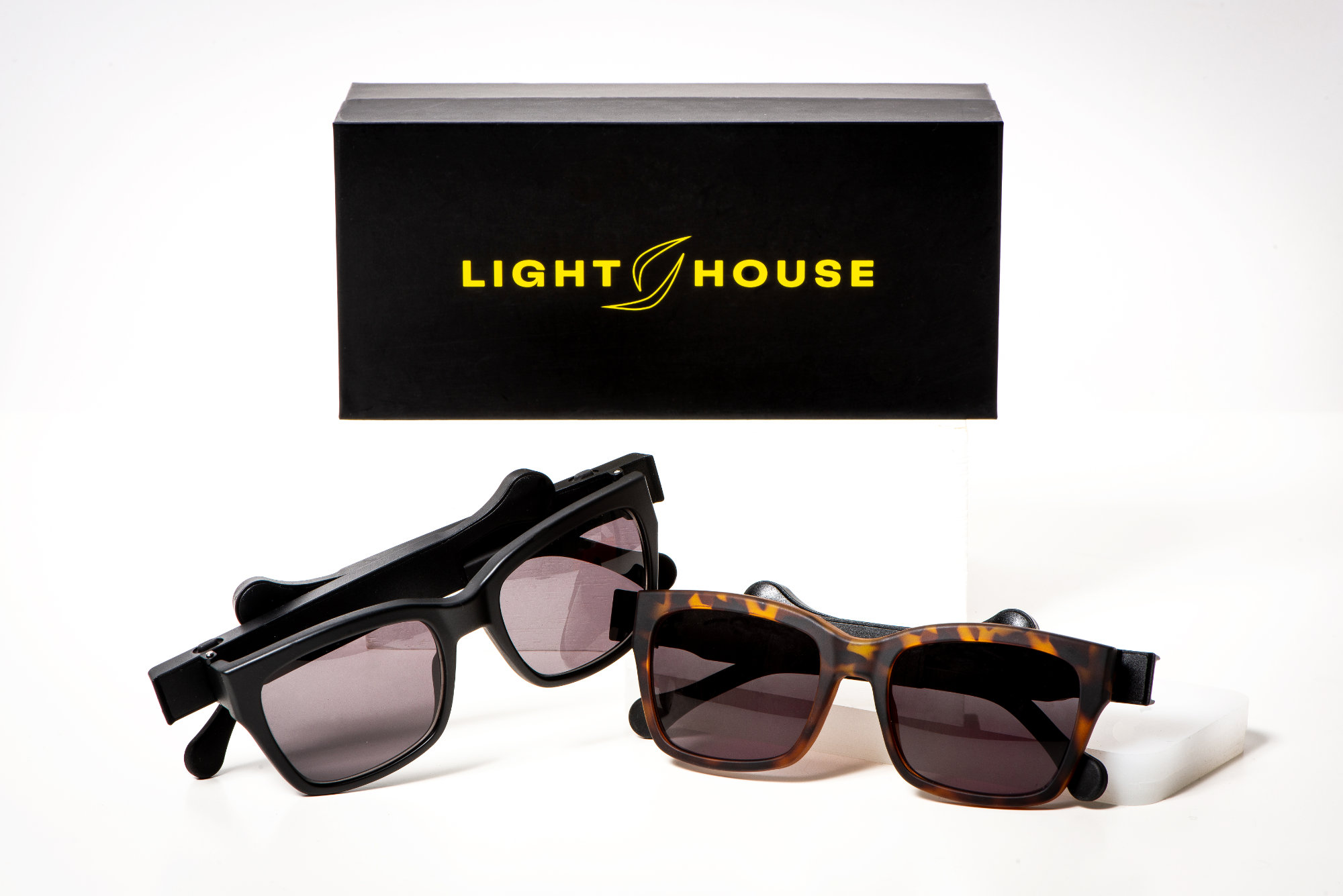
Lighthouse Tech is a Swiss startup, founded as an optical industry spinoff. The company’s mission is to create a more inclusive world where people who are blind or have low vision can move confidently, make their own choices, and live life to the fullest.
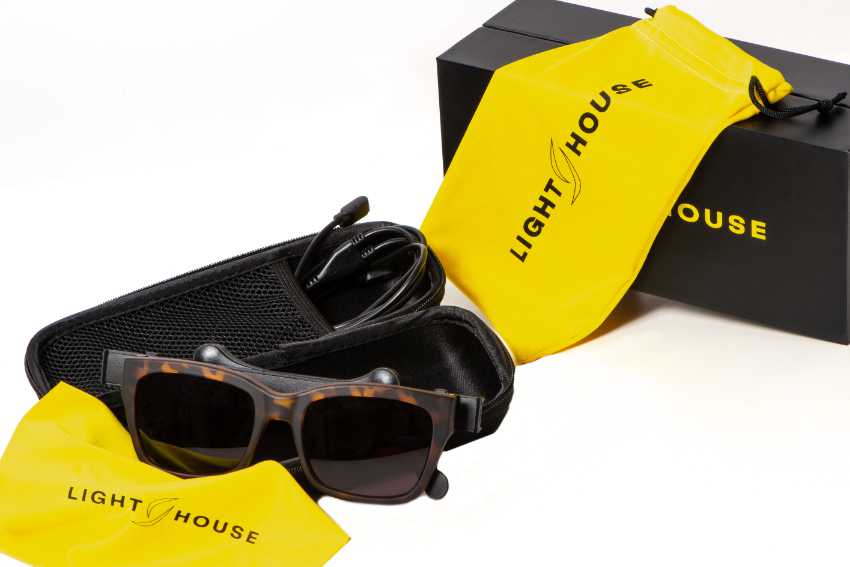
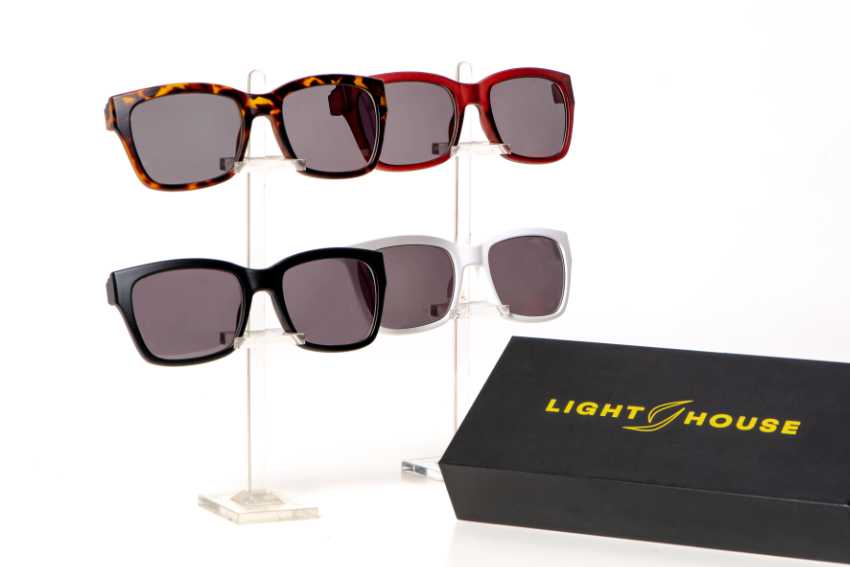
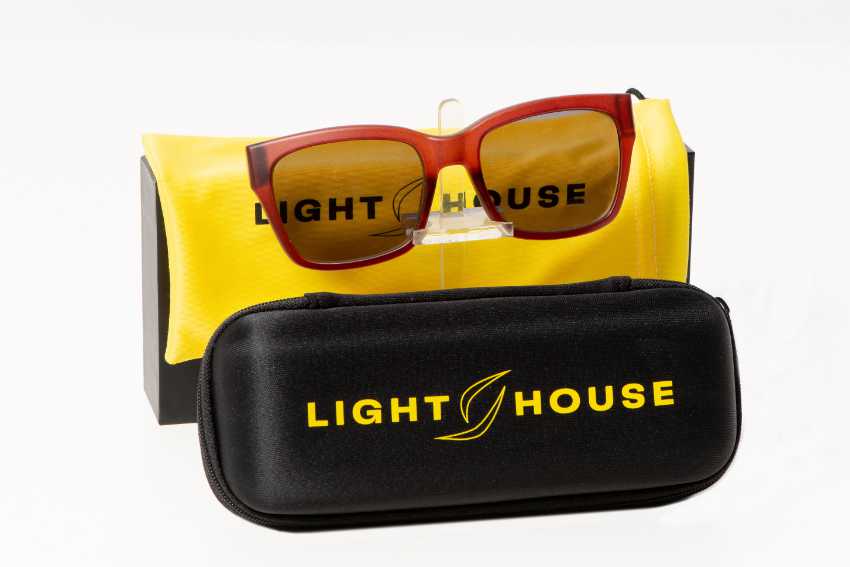
The eyewear frame, made by Lighthouse Tech, locates obstacles in the upper-body zone, an area left unprotected by the traditional white cane. Modular incorporation of electronics allows users to select from a collection of six different styles in a choice of colours and two sizes to fit all faces. Each fashion frame is hand-crafted and beautiful to the sight and touch.
Interview with Eng. Andrea Moroni Stampa, Chairman of Lighthouse Tech.
What does “reliability” mean for your customers today, and how has your company’s definition of reliability evolved in recent years?
Andrea Moroni Stampa: For our customers, reliability means trust in every step they take. As we develop assistive wearable technology for blind and visually impaired people, reliability is not just uptime or performance: it is safety, consistency, and confidence in real-world environments. Over time, our definition has evolved from purely technical robustness to a broader, human-centered concept: a system that works intuitively, predictably, and continuously in daily life.
Which specific features of your products or solutions most directly impact reliability for your customers’ operations?
A.M.S: Our flagship product, TAMI® smart glasses (https://www.lighthousetech.ch), integrates real-time obstacle detection with intuitive haptic feedback. Key reliability drivers include low-latency sensing, robust detection of head-level obstacles, and consistent feedback signals. Battery life and all-day usability are also critical, ensuring the device remains dependable throughout daily routines.
How do you design reliability into your products from the earliest stages of development?
A.M.S: Reliability is embedded from day one through iterative prototyping, field testing, and close collaboration with end users and mobility trainers. We follow a “design for reality” approach, testing not only in controlled environments but also in complex real-world scenarios. Hardware and software are co-developed to ensure seamless integration and fault tolerance.
What role do data, monitoring, or predictive technologies play in improving reliability and preventing failures for your clients?
A.M.S: We leverage embedded edge AI to process data locally in real time, avoiding latency and dependency on connectivity. Continuous performance monitoring allows us to refine algorithms and anticipate potential issues. This approach enhances reliability while preserving user privacy, as no visual data is recorded or transmitted.
How do you balance innovation and speed-to-market with long-term reliability and operational stability?
A.M.S: We believe innovation and reliability must evolve together. While speed-to-market is important, we prioritize validation cycles, pilot programs, and user feedback loops. Strategic partnerships with research institutions such as ETH Zurich and CSEM allow us to push technological boundaries while maintaining rigorous engineering standards.

Can you share an example of how your solution helped a customer reduce downtime, improve process stability, or increase operational confidence?
A.M.S: During our pilot programs, users reported a significant increase in confidence when navigating complex environments such as urban streets or indoor spaces. By detecting obstacles that traditional tools like white canes cannot identify, especially at head level, TAMI® reduces uncertainty and enhances mobility safety, effectively increasing “operational confidence” in everyday life.
How do service, maintenance, and after-sales support contribute to overall reliability and customer satisfaction in your business model?
A.M.S: Reliability extends beyond the product itself. We are building a support ecosystem that includes onboarding, training, and responsive after-sales service. Local partners and digital support channels ensure users can rely on timely assistance, updates, and maintenance throughout the product lifecycle.
What standards, certifications, or internal benchmarks guide your approach to ensuring consistent quality and performance?
A.M.S: We follow medical device development principles, we have finalized the CE certification processes and are progressing through reimbursability procedures. Internally, we apply strict quality benchmarks for hardware durability, software stability, and user safety. Collaboration with certified partners further reinforces our commitment to compliance and performance.



How do you collect and use customer feedback to continuously improve the reliability of your products and solutions?
A.M.S: User feedback is central to our development process. Through structured pilot programs, direct interviews, and collaboration with associations for the visually impaired, we gather qualitative and quantitative insights. This feedback directly informs product iterations, from algorithm improvements to ergonomic refinements.
Looking ahead, what do you see as the next big shift in how industrial companies will need to think about reliability to stay competitive?
The future of reliability lies in human-centric design combined with intelligent, autonomous systems. Companies will need to move beyond reactive maintenance toward predictive and adaptive solutions powered by AI. At the same time, reliability will increasingly include factors such as user experience, trust, and ethical data use—especially in technologies that directly impact people’s daily lives.