
Reliability is a desirable feature for every automation project. In today’s interview, Paweł Wróbel, Managing Director at Stevia Automation, the automated systems integrator company with 15 years of experience explains what the definition of reliability is in our industry and how it is changing through the years of implementations, meeting project requirements of clients all over the world. We invite you to read!
What does “reliability” mean for your customers today, and how has your company’s definition of reliability evolved in recent years?
Paweł Wróbel: Reliability is one of the key reasons why our clients decide to automate their warehouses or production facilities. In our industry, reliability can primarily be defined as the high quality of services in the areas of programming, commissioning, and after-sales support, which ensures that clients feel secure and confident that their project will be executed with the utmost care and delivered on time.
Such reliability is built above all on experienced engineering teams and efficient project management from the very beginning of our operations. Over time, as we have grown and established new strategic partnerships, we have also come to understand reliability as the quality and assurance of the solutions developed for our clients, as well as the equipment and machinery installed.
Which specific features of your products or solutions most directly impact reliability for your customers’operations?
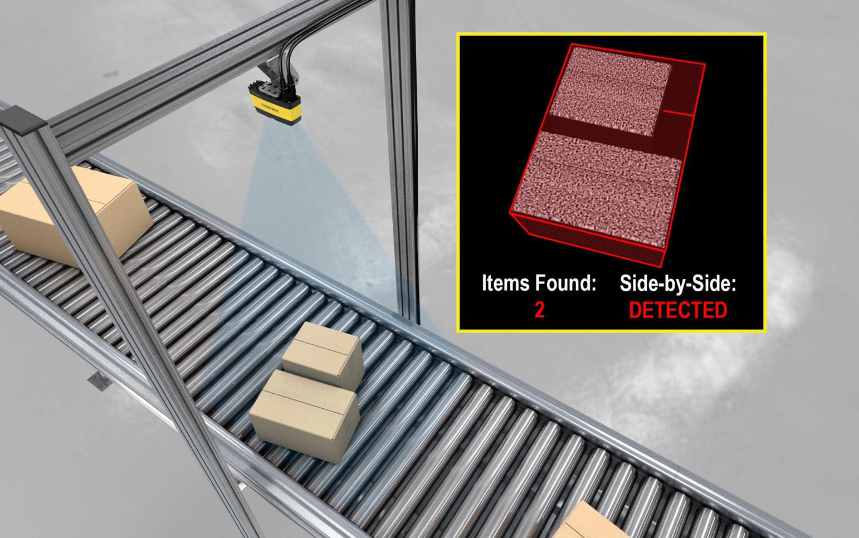
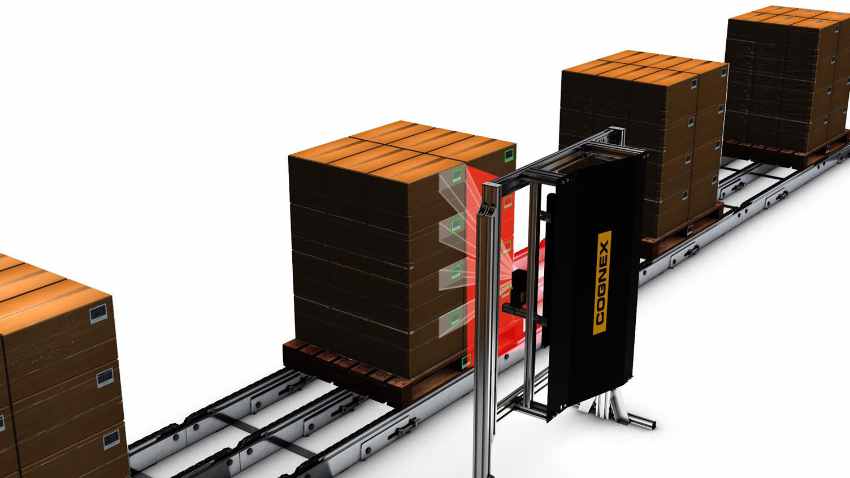
PW: The key features that influence the reliability of the entire solution can be described using the example of our implementations of Cognex hands-free barcode scanning systems in three warehouses of a courier company in the UK. Thanks to the durability and quality of the solution – both the scanner itself and the aluminum structure customized for the project – the client was very satisfied.
The solution is easy to operate, does not require lengthy start-up procedures, and at the same time significantly increases the efficiency of goods flow through the warehouse. The client was pleased with the system because, as they stated, “they don’t have to spend much time on it.” It always operates without downtime and is far more effective than manual scanning.
Our engineers were involved in both the design and commissioning of the solution. Thanks to their precision during installation and start-up, as well as the clear instructions provided to the client, the system proved to be reliable. The tests were successfully completed, resulting in the client ordering additional scanning stations.
How do you design reliability into your products from the earliest stages of development?
PW: It can be said that we “design” reliability through our solutions, which we develop from the initial concept all the way to final commissioning. At the design stage, it is crucial to refine every detail, both in terms of construction and technology.
It is also important to assess the feasibility and define a strategy for integrating the solution with the client’s existing automated system. Selecting the right solution is just as important as its implementation and has a direct impact on overall reliability.
What role do data, monitoring, or predictive technologies play in improving reliability and preventing failures for your clients?
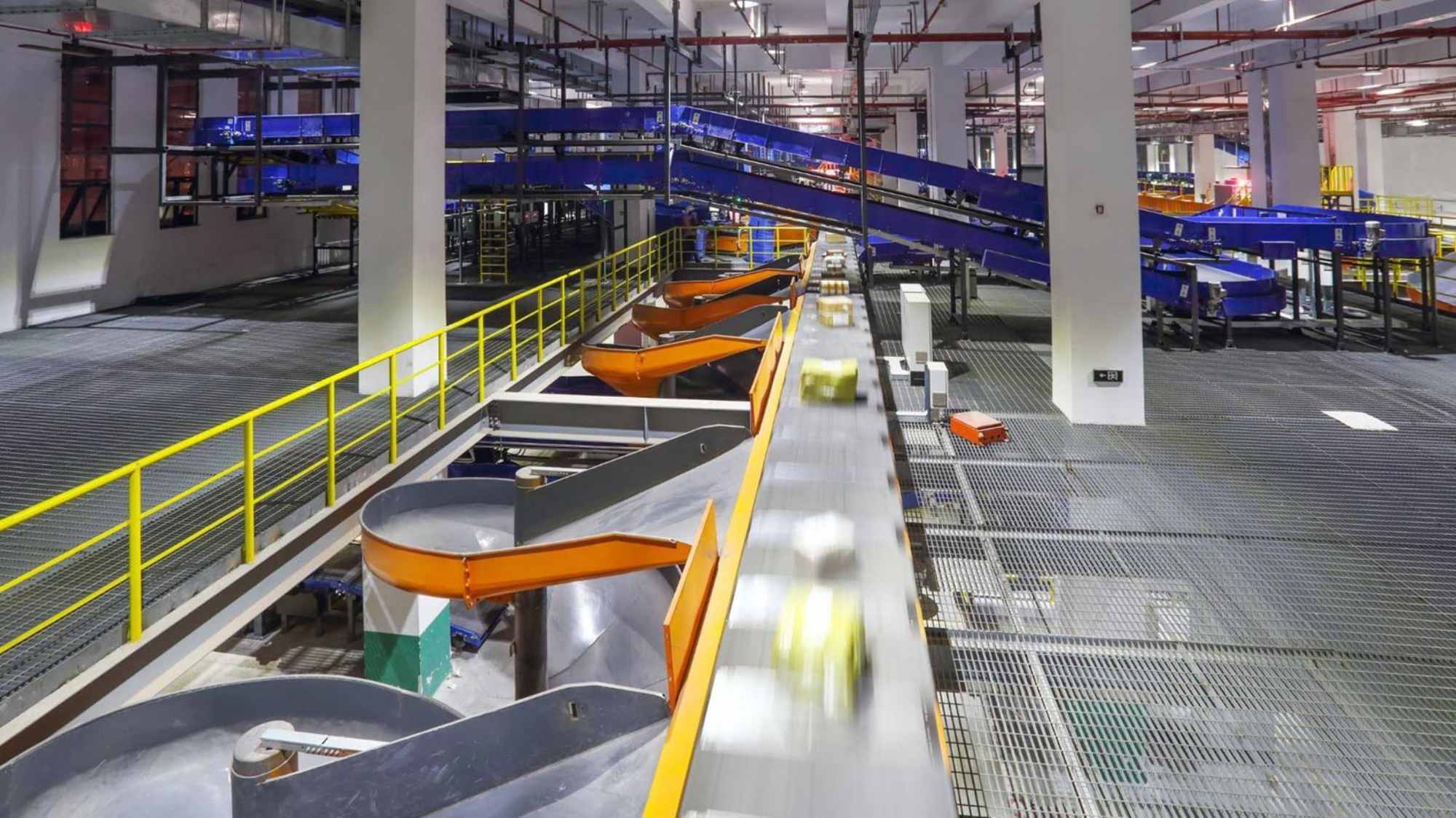
PW: As an example of how to answer this question effectively, we can refer to an automatic sorting system we implemented for a courier industry client in Poland. The comprehensive parcel scanning and sorting system was based on communication with the client’s supervisory system and real-time data exchange.
The automatic sorting system ensures that each parcel is monitored from the moment it enters the sorting system until it is discharged. Tracking every parcel and properly integrating the system with other warehouse components made it reliable and more efficient for the client compared to manual scanning and sorting.
How do you balance innovation and speed-to-market with long-term reliability and operational stability?
PW: Our automated solutions are always “tailor-made” – whether they involve scanning systems, mobile robots, or cobots. Every new solution we implement for a client is preceded by appropriate testing, which confirms the validity of the existing concept or indicates the need for potential modifications.
At Stevia Automation, we believe that to achieve a reliable system, accuracy is more important than speed of market implementation. Rushing the process may lead to overlooking critical system flaws, which can result in delays and issues during project commissioning.
Can you share an example of how your solution helped a customer reduce downtime, improve process stability, or increase operational confidence?
PW: Absolutely. One example that comes to mind is the implementation of 102 Cognex scanning stations for returns handling for a logistics operator in the Czech Republic.
These stations consisted of a worktable with a Cognex scanner mounted above it and were integrated with conveyors used to transport returned items and cardboard packaging.
Before the implementation, operators had to unpack returned items while simultaneously scanning all their codes using a handheld scanner. This process was significantly more time-consuming and often resulted in operator errors.
After our implementation, the operator’s task was reduced to unpacking, while the scanning system performed the rest of the work. The scanning results could be monitored in real time on additional tablets installed at the workstations, displaying the scanned data.
How do service, maintenance, and after-sales support contribute to overall reliability and customer satisfaction in your business model?
PW: As a company, we provide technical support services after the completion of every project. During both the warranty and post-warranty periods, depending on the agreement, a dedicated project engineer is always available within a specified time and location.
The reliability of the automation systems discussed in this interview is, in our business model, largely based on experienced engineers who ensure continuous system operation and bring extensive hands-on knowledge gained from commissioning numerous projects worldwide. Clients who receive timely and appropriate support often return to us with new projects.
What standards, certifications, or internal benchmarks guide your approach to ensuring consistent quality and performance?
PW: At Stevia Automation, we have our own internal programming standard — SCS (Stevia Control Standard). In addition to making our programmers’ work easier, it is key to maintaining consistent quality and performance in every commissioned project.
Continuous knowledge development is equally important for ensuring reliable operation. That is why our engineers also learn and adapt to clients’ required standards and expand their expertise in the latest technologies through numerous training programs.
How do you collect and use customer feedback to continuously improve the reliability of your products and solutions?
PW: We strive to obtain feedback already at the stage of project commissioning and handover. It is extremely important, as it helps prevent many stressful situations in future implementations.
All client feedback is recorded and analyzed together with our partners, and we continuously work on improving the solutions we offer. Even the most negative feedback can, in the long run, lead to many reliable and successful projects.
Looking ahead, what do you see as the next big shift in how industrial companies will need to think about reliability to stay competitive?
PW: I believe that our industry will increasingly move toward working with local partner-integrators to ensure the reliability of every solution. Automation and robotics are already widespread phenomena, present in nearly every production facility and warehouse.
Global corporations delivering innovative solutions will rely on providing local service support, equipped with qualified personnel and the necessary spare parts inventory. In the future, the local partner will become the guardian of reliability, while also ensuring the competitiveness of innovative automation solutions delivered by global leaders in the industry.
This represents an opportunity for smaller companies to contribute to the reliability of large-scale automation projects.