
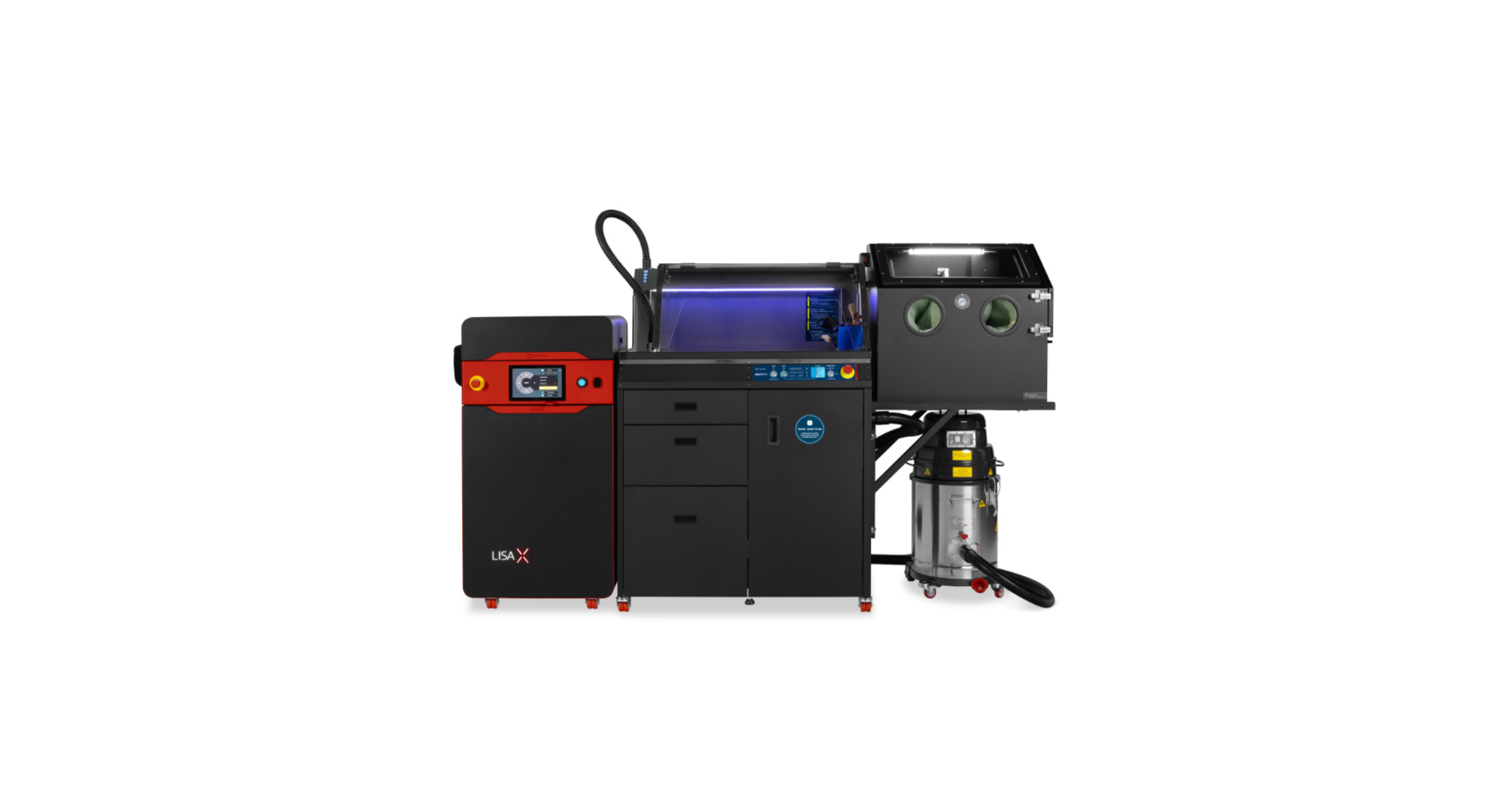
Founded in 2014 in Kraków, Sinterit has grown into a globally recognized manufacturer of compact and industrial SLS 3D printers. From the beginning, the company’s goal has been to democratize access to selective laser sintering by delivering professional, high-performance systems in a more accessible format.
Interview with Łukasz Adach, CFO of Sinterit.
A brief description of the company and its activities.
Łukasz Adach: Today, we operate in over 80 countries and support thousands of projects across engineering, manufacturing, and research environments. With expanded production capacity and a strong focus on innovation, we continue to scale responsibly while strengthening our position as a trusted European technology provider in the global additive manufacturing landscape.
What are the main areas of activity of the company?
Ł.A: Our core activity is the development of compact SLS systems tailored for prototyping, R&D, and small-batch production. We serve industries where precision, durability, and geometric freedom are essential – including aerospace, automotive, healthcare, electronics, and advanced product development.
We see particular growth in the SME and education sectors, where compact, cost-effective systems are enabling organizations to internalize production and accelerate innovation.
Sinterit’s strategy extends beyond hardware. We offer a complete SLS ecosystem: open-system printers, advanced powders, proprietary software, and post-processing solutions. This integrated approach ensures operational stability, predictable costs, and repeatable quality – key elements for companies transitioning from prototyping to production.
What’s the news about new products/services?
Ł.A: This year marks important milestones for Sinterit – both in hardware and materials development.
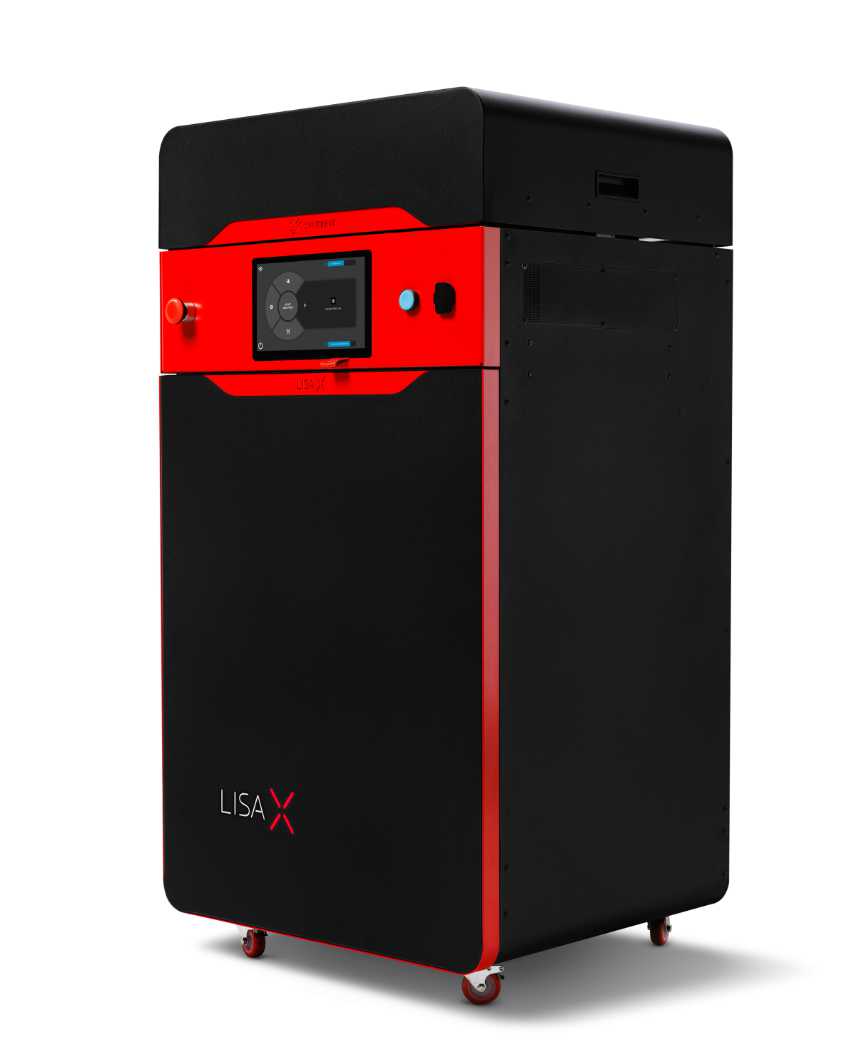
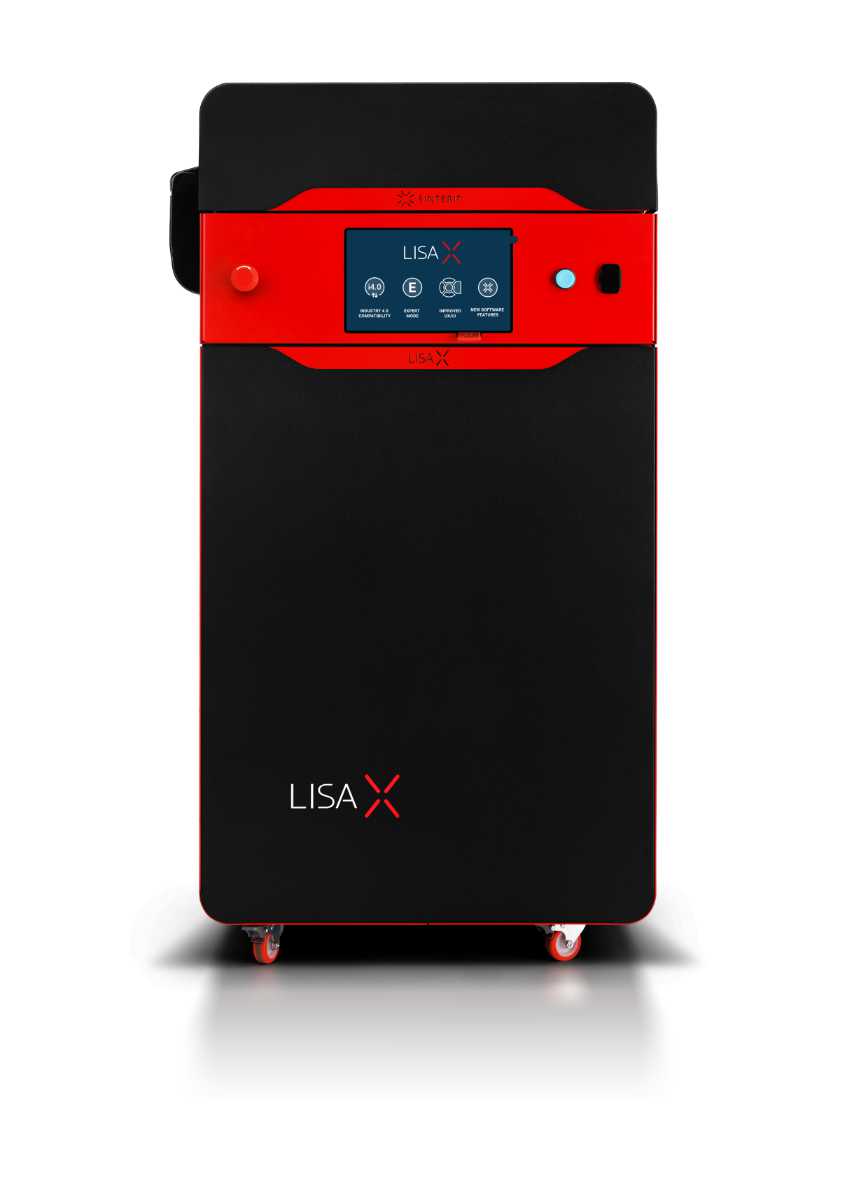
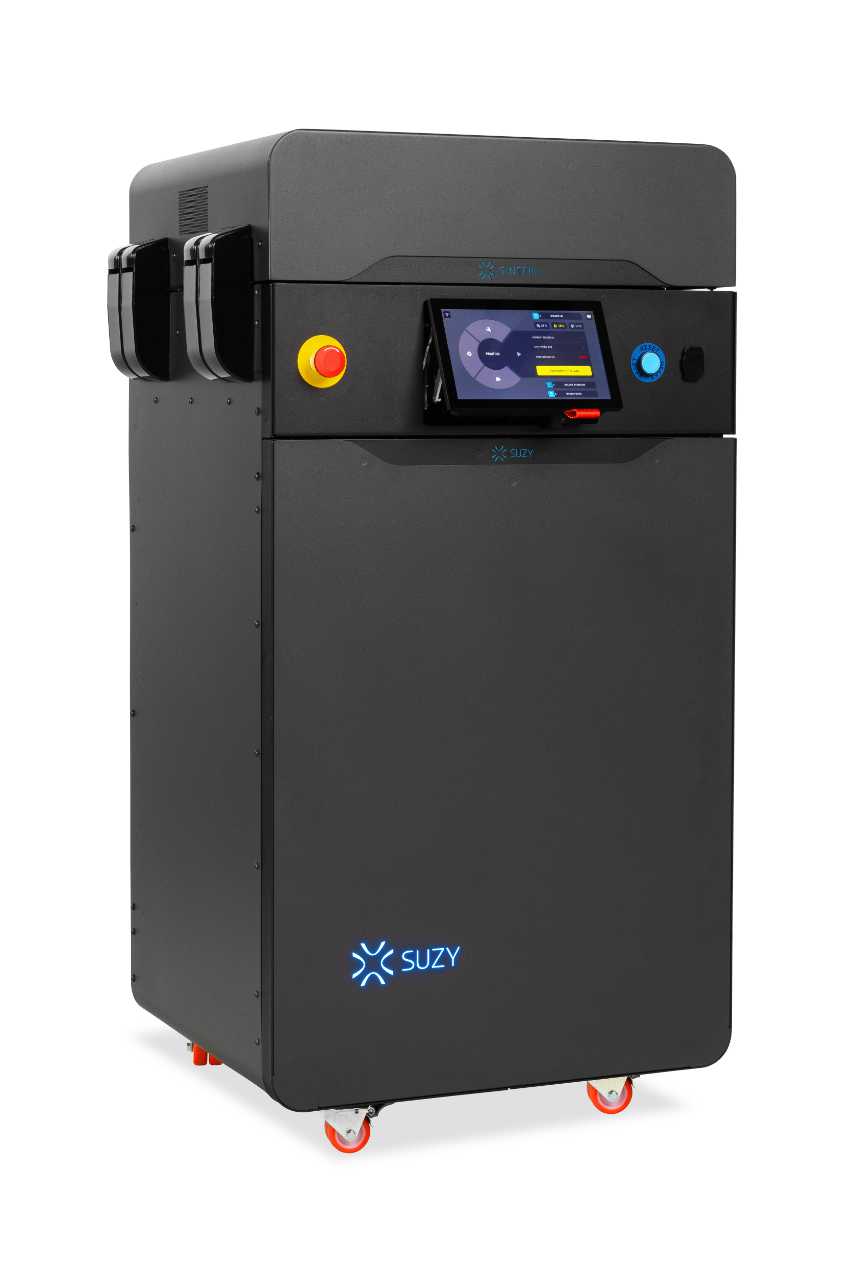
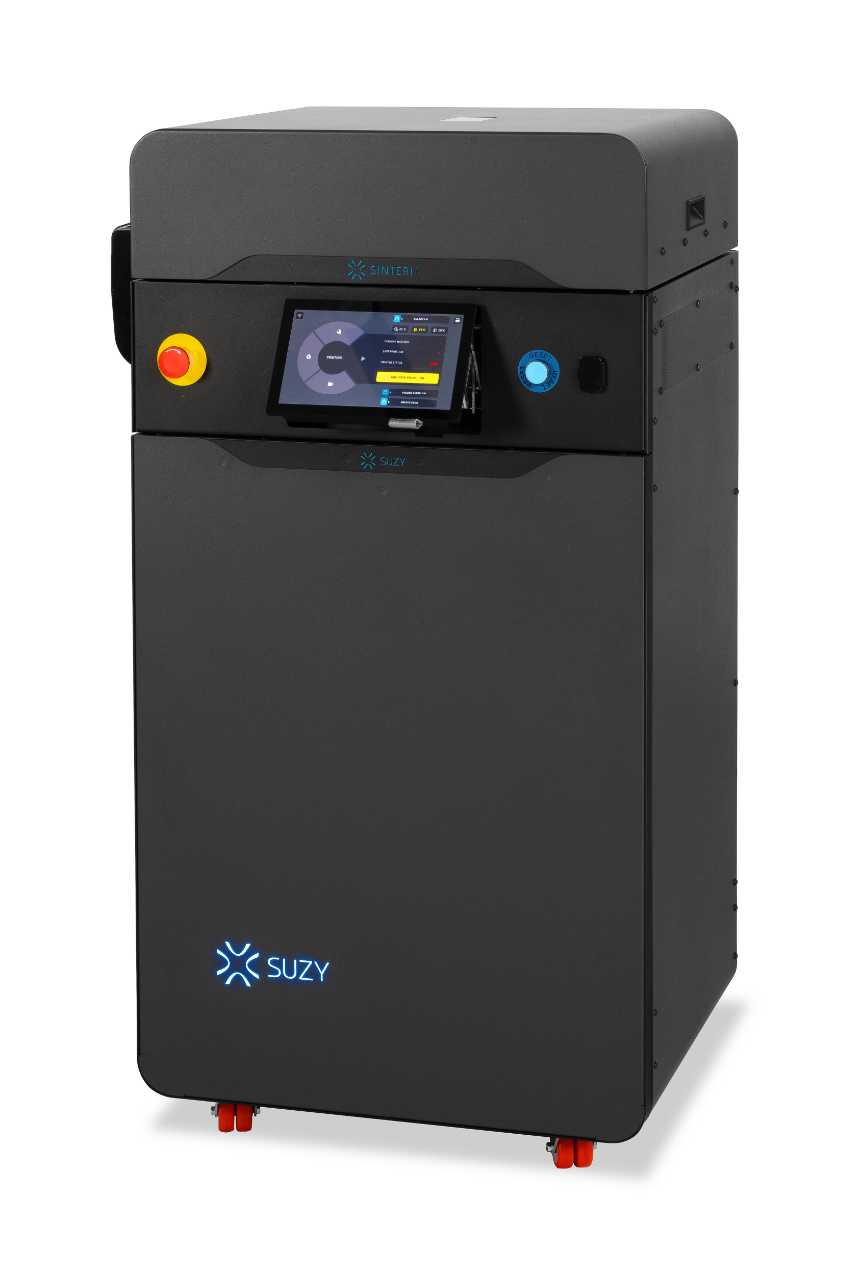
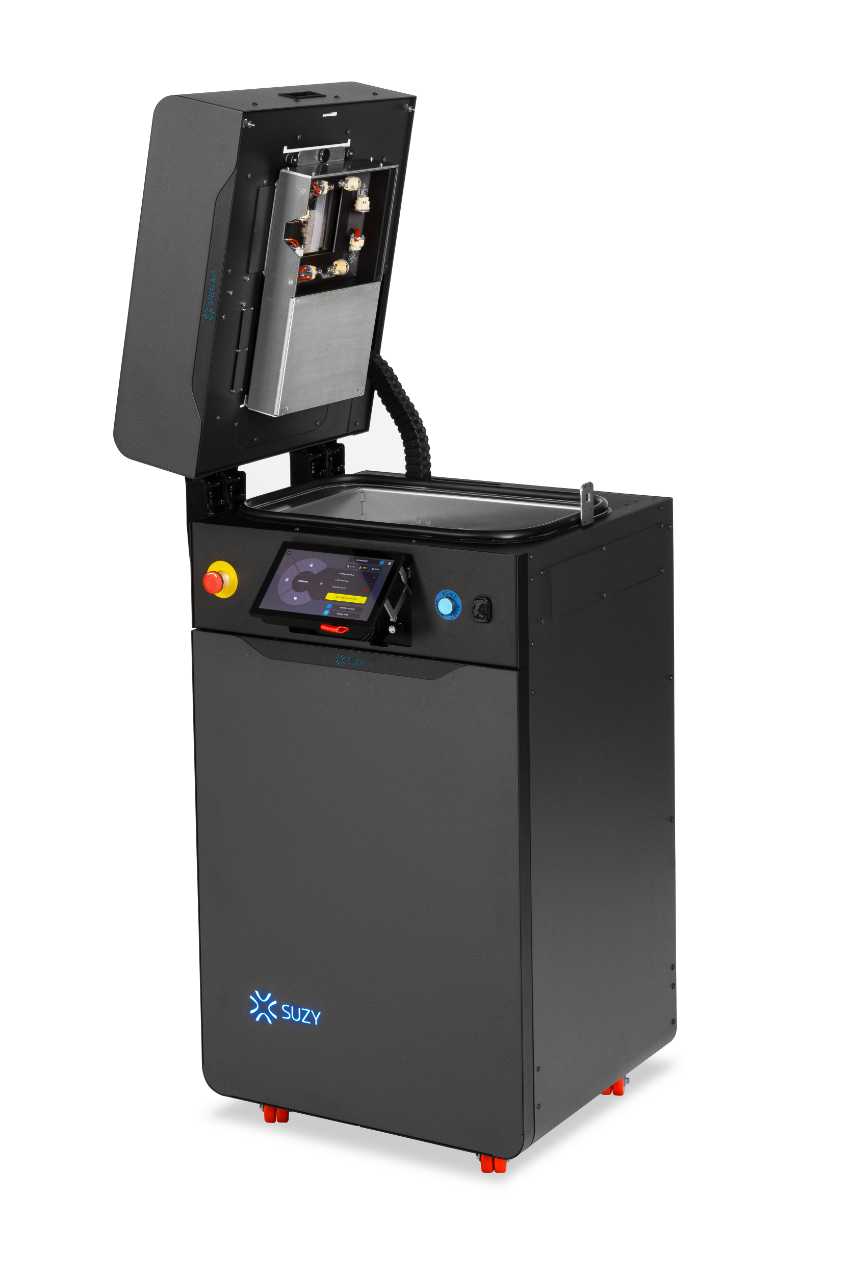
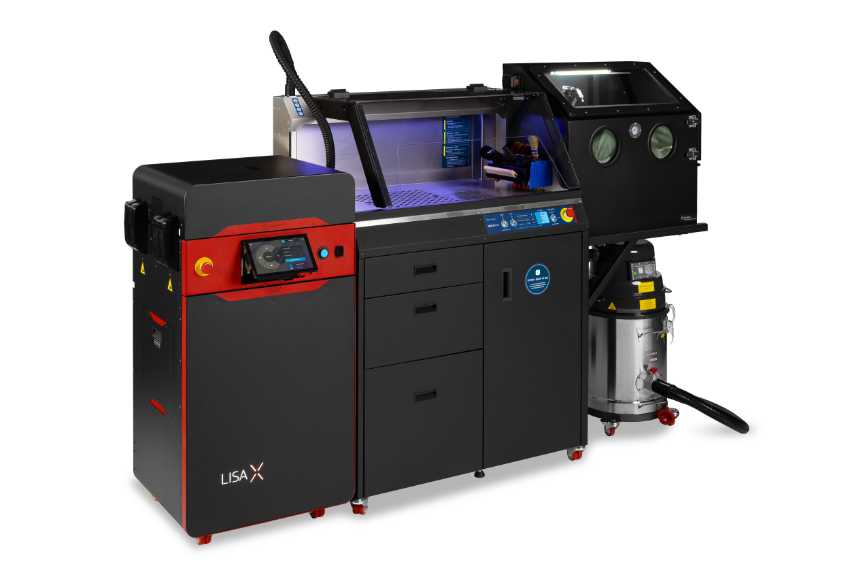
SUZY, our latest compact SLS system, has quickly gained attention as a highly anticipated solution for professionals seeking speed, affordability, and consistent PA12 production quality. Together with Lisa X – our industrial-grade compact platform with open architecture and multi-material flexibility – the two systems form a complementary portfolio. Their distinct construction philosophies allow customers to optimize for different production strategies while maintaining high, repeatable output quality and cost efficiency.
Material innovation remains equally important. We recently introduced PA11.5, a powder characterized by outstanding flexural performance and exceptional impact resistance. The orthopedic insole industry has already successfully adopted this material and additional sectors are actively exploring its potential for demanding, load-bearing applications.
Looking ahead, our engineers are currently conducting beta tests of PA12 Eco – a cost-efficient powder based on repurposed HP-used powder. This initiative aligns strongly with our sustainability mission: giving a second life to material that would otherwise become industrial waste. By combining financial efficiency with environmental responsibility, PA12 Eco represents a tangible step toward more sustainable additive manufacturing practices.
What are the ranges of products/services?
Ł.A: Our compact SLS portfolio – including Lisa X and SUZY – is designed to offer flexibility across applications and production volumes. While the systems differ in construction and optimization, they are engineered to complement each other, enabling rapid prototyping, small-series production, and application-specific manufacturing strategies.
Around our printers, we provide certified powders, post-processing solutions, workflow software, and technical support. This ecosystem approach ensures that customers can scale confidently, maintain quality consistency, and control operational costs.
Lisa X is also increasingly recognized for its compatibility with Cold Metal Fusion workflows. Our collaboration in this area is already delivering promising results, demonstrating how compact SLS systems can support advanced metal part production strategies — a direction we continue to actively develop.
What is the state of the market where you are currently active?
Ł.A: The global SLS 3D printer market, valued at approximately USD 1.2 billion in 2024, continues to grow dynamically. Europe remains a strong region for adoption, particularly among SMEs and educational institutions seeking industrial-grade performance in a more accessible format.
Demand is especially strong in aerospace, automotive, and healthcare sectors, where complex, support-free geometries and functional end-use parts are increasingly required. Additive manufacturing is shifting from a complementary prototyping tool to a strategic production technology.
Regulatory incentives and reshoring strategies are further accelerating adoption, as companies seek more resilient and decentralized manufacturing models.
What can you tell us about market trends?
Ł.A: Several structural trends are redefining the industry landscape.
AI and IoT integration are enabling smarter workflows, predictive maintenance, and enhanced production monitoring. Material innovation – including composites, bio-based polymers, and recycled powders – is expanding the range of viable applications.
Sustainability is no longer optional; it is becoming a strategic differentiator. Eco-materials and circular material strategies are gaining momentum, while Industry 4.0 principles enable decentralized manufacturing closer to the point of demand.
Customization and small-batch production are rising significantly in industries such as healthcare and fashion. In this evolving environment, SLS technology stands out for its ability to produce intricate geometries without support structures – offering clear advantages over filament-based methods in both performance and design freedom.
What are the most innovative products/services marketed?
Ł.A: Innovation at Sinterit is driven by practical application and measurable business value.
SUZY answers market demand for a compact SLS solution that combines production speed, affordability, and high-quality output for PA12 applications. Lisa X, with its open architecture and multi-material flexibility, enables advanced experimentation and broader application scope, including integration into Cold Metal Fusion workflows.
Together, these systems empower companies to balance rapid iteration with stable, cost-effective production – delivering versatility without compromising repeatability or quality.
What estimations do you have for the beginning of 2026?
Ł.A: As we enter 2026, the SLS market continues its steady expansion. Projections indicate sustained growth toward 2032, driven by technological advancements and increasing demand in high-growth regions such as Asia-Pacific.
At Sinterit, our strategic priorities focus on three key areas:
- development of customized, industry-specific solutions,
- continued innovation in materials and AI-enhanced workflows,
- expansion of strategic partnerships, including further advancement of Cold Metal Fusion applications with Lisa X.
Strong financing, a healthy order pipeline, and growing global demand position us for confident expansion. We believe the next stage of additive manufacturing will be defined by sustainable, decentralized, and highly customized production – and Sinterit is committed to playing a leading role in shaping that future.
https://www.linkedin.com/company/sinterit