
At the forefront of the global energy transition stands GRZ Technologies, a Swiss company with a clear mission: enabling a net zero future through safe, affordable, and sustainable hydrogen solutions.
Founded in 2017 as a spin-off from the Swiss Federal Institute of Technology in Lausanne, GRZ Technologies brings decades of research and development to the table. Since 2018, they have been delivering cutting-edge hydrogen solutions to clients across the globe.
The company’s portfolio spans power-to-power systems, long-duration metal hydride storage, thermochemical hydrogen compressors, and modular methanation solutions, all designed with one goal in mind: a 100% sustainable energy future.
Interview with Noris Gallandat, Chief Executive Officer at GRZ Technologies.
A brief description of the company and its activities.
Noris Gallandat: GRZ Technologies delivers safe, cost-effective, and sustainable hydrogen systems based on our patented metal hydride technology.
We were founded in 2017 as a spin-off of the Swiss Federal Institute of Technology in Lausanne, EPFL. Our work is therefore rooted in materials science, and we use this expertise to develop hydrogen solutions for a broad range of applications.
We let our vision–a world fueled by renewable energy–drive our mission: to replace fossil-based energy systems with hydrogen solutions that enable a 100% sustainable energy future.
What are the main areas of activity of the company?
N.G: GRZ provides safe and sustainable solutions that address the key challenges across the hydrogen value chain.
Our main areas of activity include solid-state hydrogen storage (DASH), thermochemical hydrogen compression (HyCo), and e-methane production through our methanation reactor (UPSOM).
What’s the news about new products/services?
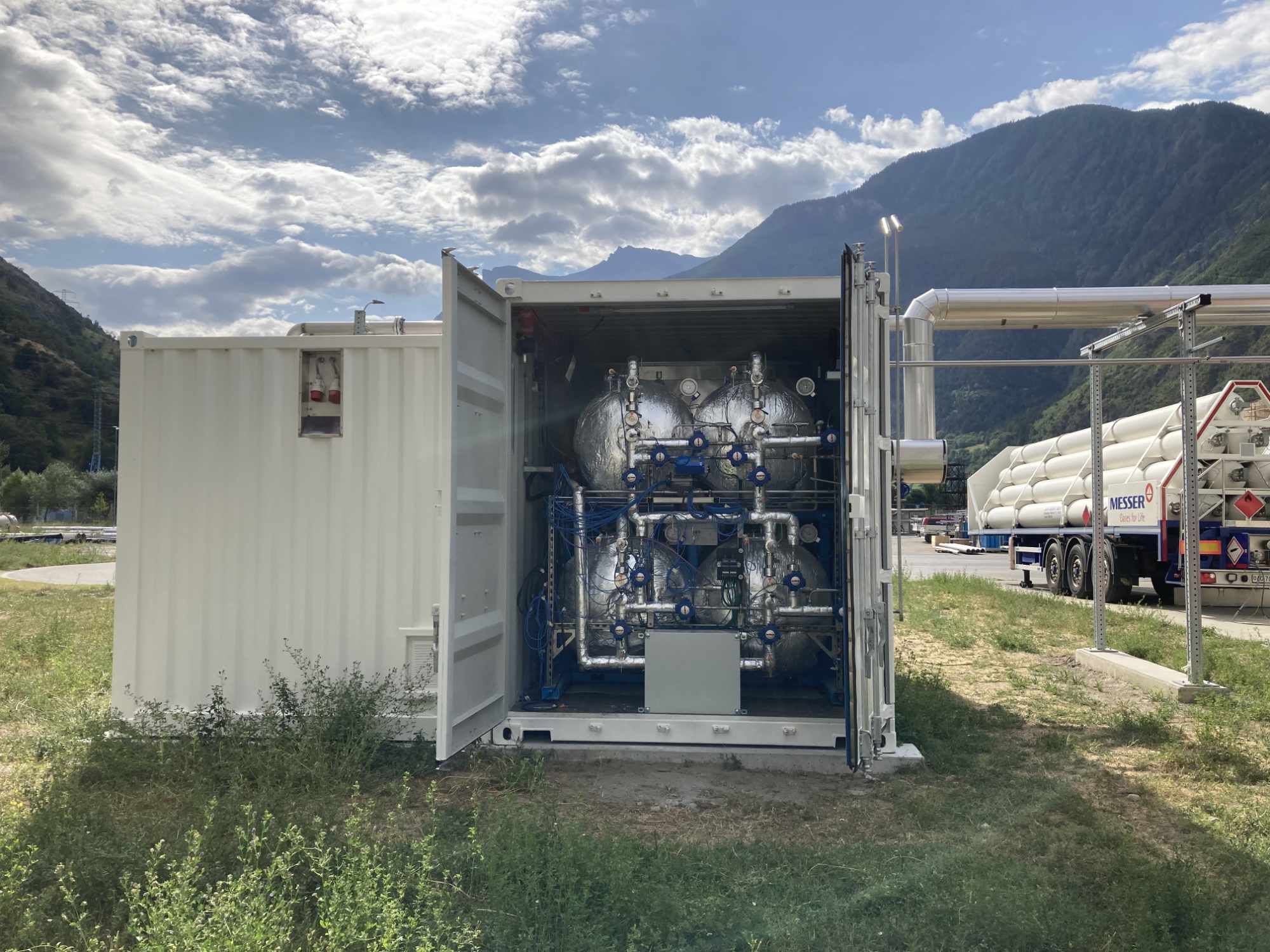
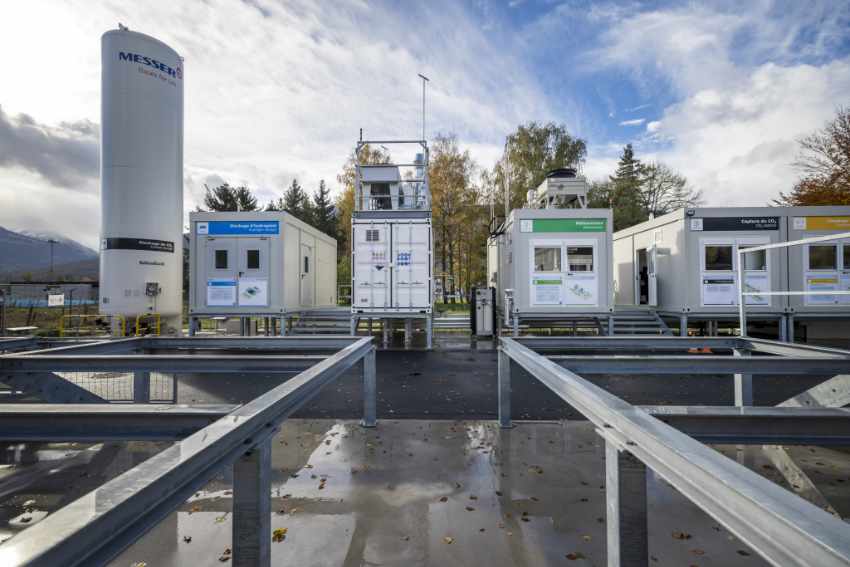
N.G: We have just completed the installation of a new UPSOM methanation reactor at Gaznat, the company responsible for the operation of the natural gas grid throughout Western Switzerland. UPSOM is a methanation reactor that converts hydrogen and CO₂ into synthetic methane, a carbon-neutral substitute for natural gas. The reactor produces grid-quality methane that can be stored, transported, and used through existing gas infrastructure. With an unrivalled 99.5% conversion rate in a single stage, the system demonstrates notably high performance, a compact design, and simplified operations.
The new methanation reactor has a production capacity of 37.5 kgCH4/h, which corresponds to the operation in conjunction with a 1 MW electrolyzer. This project milestone marks an important step toward industrial-scale deployment. Earlier this year, GRZ and Gaznat were awarded the Watt d’Or in the Energy Technologies category from the Swiss Federal Office of Energy for our contribution to the “Innovation Lab: GreenGas for the Future”.
What are the ranges of products/services?
N.G: GRZ has three primary product categories: solid-state hydrogen storage systems, thermochemical hydrogen compressors, and methanation reactors.
Our DASH (an acronym for “Dense And Safe Hydrogen”) systems provide hydrogen storage for a wide range of applications, from residential energy storage to peak shaving and grid stabilization.
Our thermochemical hydrogen compressors (HyCo) leverage waste heat to compress hydrogen for industrial processes such as ammonia production or trailer refueling.
Our UPSOM methanation reactors convert hydrogen and CO₂ into synthetic methane, enabling excess renewable electricity to be stored in a form that can be fed directly into the local gas grid without further treatment. As such, UPSOM is ideal for projects that must adapt to variable renewable power supply.
What is the state of the market where you are currently active?
N.G: While both 2024 and 2025 proved rather challenging for the hydrogen market, 2026 is showing steady progress.
The European Union has specific targets set in place to reach net zero by 2050. As such, we know that hydrogen will play an important role in decarbonization efforts, especially in sectors where direct electrification is difficult.
That being said, many companies are hesitant to make the shift towards hydrogen systems. Whether it be lack of funding or fear of early adoption, customers are taking a more cautious approach when it comes to implementation. Projects therefore need to demonstrate clear practical and economic value.
What can you tell us about market trends?
N.G: The market is looking for hydrogen solutions that easily integrate with their existing infrastructure and technology. Many companies are hesitant to adopt entirely new solutions when they have already spent millions in capital investment elsewhere. However, they are interested in finding solutions that have a short payback period, are sustainable, and which fit directly into their existing systems.
What are the most innovative products/services marketed?
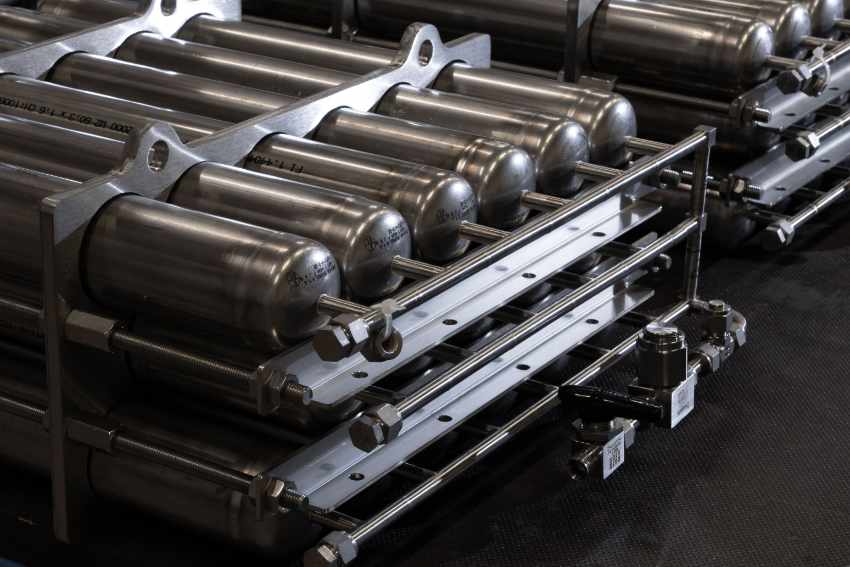
N.G: Our most innovative area of activity is the development of our proprietary metal hydride technology for solid-state hydrogen storage. By storing hydrogen in metal hydrides, we achieve very high volumetric density, low-pressure operation, exceptional safety, and long operational lifetimes. Over the years, GRZ has developed over 300 metal hydride alloy compositions. Our latest experimental results demonstrate over 99% capacity retention after 20,000 cycles.
What estimations do you have for the second half of 2026?
N.G: With an ever-increasing awareness of the need to shift towards renewable, reliable energy sources, we anticipate that power-to-gas applications will gain more traction, as well as integrated systems with clear economic and operational benefits. For GRZ, we’re particularly focused on providing evidence of performance in real operating conditions. Once companies understand that solid-state hydrogen systems are safe, reliable, and cost-effective alternatives to their existing carbon-intensive infrastructure, they will be ready to transition to sustainable solutions.