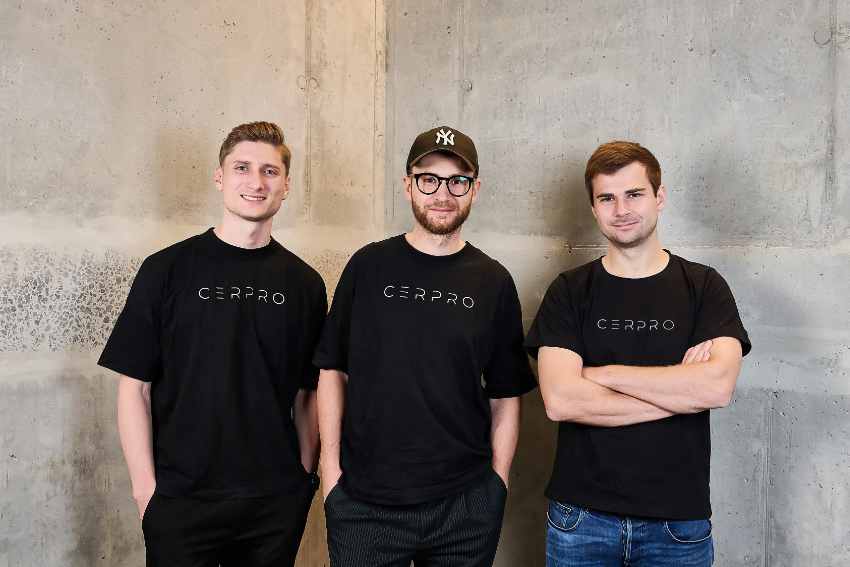
CERPRO is a Berlin-based industrial SaaS company that automates quality documentation from technical inputs such as 2D drawings, 3D models, and related specifications. The software interprets requirements like dimensions, tolerances, and features and converts them into structured inspection data. This enables faster creation of inspection plans and inspection reports with consistent quality and improved traceability.
What are the main areas of activity of the company?
- AI-based analysis of technical drawings and associated documents (requirements extraction and structuring)
- Inspection planning support (characteristics lists, inspection criteria, report-ready structures)
- Revision-safe documentation workflows (traceability across drawing revisions and approvals)
- Enablement and integration support to operationalize results across engineering, quality, and production
What’s the news about new products/services?
In 2025 and into early 2026, CERPRO expanded from pure feature extraction into end-to-end, audit-ready documentation workflows. The focus is on making inspection documentation faster, more standardized, and more traceable, especially in supplier-driven manufacturing where documentation quality is critical for customer acceptance.
What are the ranges of products/services?
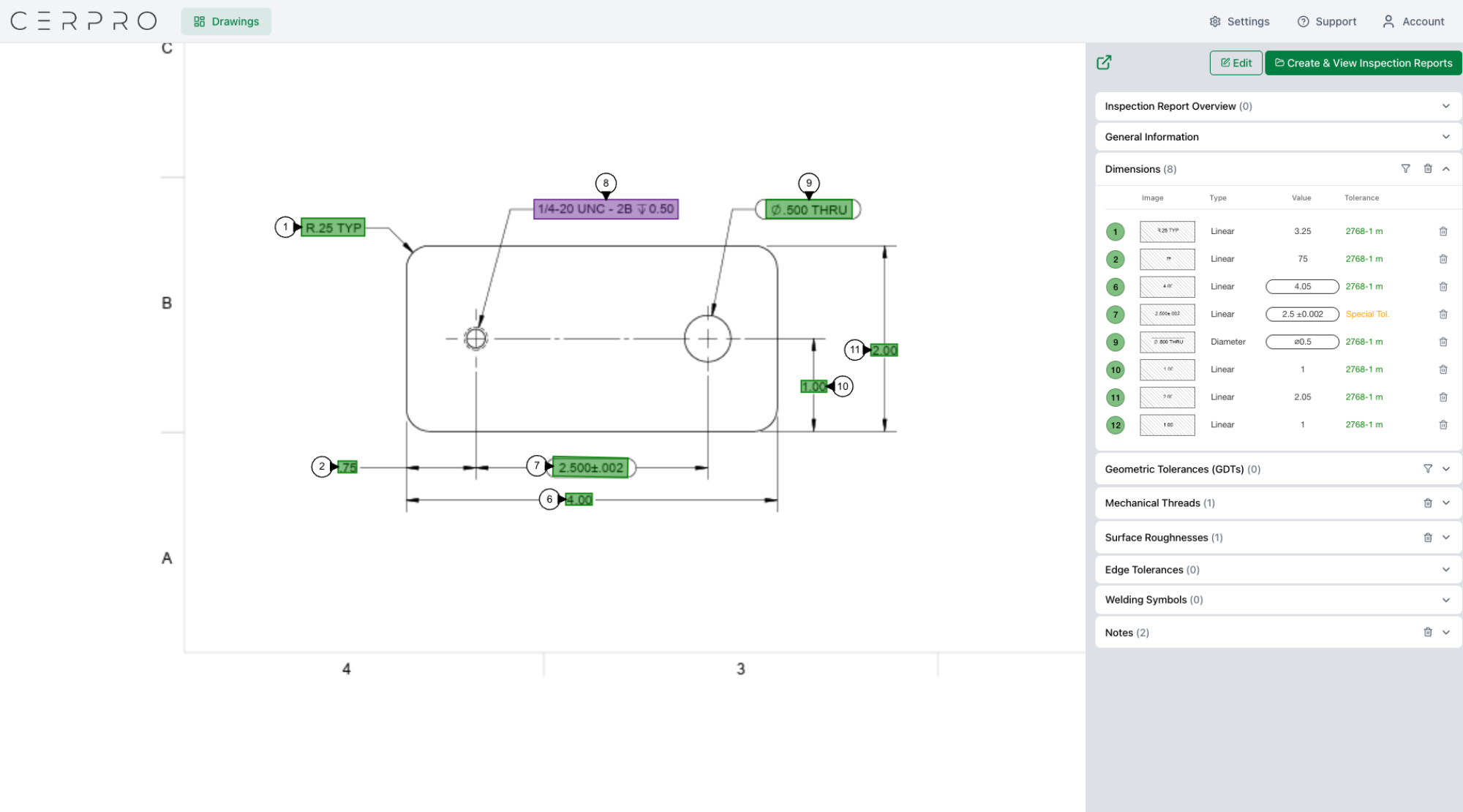
QualiSpec: AI-assisted interpretation of drawings and related documents with automated extraction of inspection-relevant characteristics and outputs that can be used for inspection planning and reporting.
What is the state of the market where you are currently active?
Across European manufacturing, including Central and Eastern Europe, many companies still rely on manual interpretation of drawings and Excel-heavy reporting. This creates avoidable workload, inconsistent outputs, and longer lead times. In Romania, where many manufacturers are integrated into EU supply chains, suppliers face strong pressure to deliver consistent, traceable quality documentation at high speed, while also managing cost and skills constraints.
What can you tell us about market trends?
Shift-left quality: validating drawing requirements earlier, before RFQs, tooling, or production decisions, to reduce downstream scrap and rework.
Auditability by default: higher expectations for revision-safe, traceable documentation that supports customer requirements and certification processes.
AI adoption in document-heavy workflows: fastest uptake happens where ROI is clear and measurable, such as minutes saved per report, fewer manual copy errors, and faster internal approvals.
What are the most innovative products/services marketed?
The core innovation is engineering-context understanding of technical drawings and requirements that produces structured inspection data, not just extracted text. This enables standardization across teams, reduces manual effort, and supports traceability when drawings change. For Romanian suppliers working with international customers, this is particularly valuable because consistency and documentation completeness directly influence acceptance rates, rework effort, and delivery reliability.
What estimations do you have for the beginning of 2026?
For early 2026, we expect three developments to shape the market:
- Increased demand for efficiency tools that reduce documentation workload under ongoing cost and throughput pressure.
- Faster adoption among suppliers that must meet strict customer documentation standards while scaling output.
• • “Workflow plus traceability plus integration” becoming a purchasing requirement, not a nice-to-have, because manufacturers want solutions that fit daily operations and can be rolled out across sites and teams.