Norsk Tekstilgjenvinning (NTG) is based in Sandefjord, Norway, where they’ve built Norway’s first textile-to-textile recycling plant. The company officially launched operations in 2024, but the journey started back in 2021 when they realized the scale of textiles waste coming especially from sector like healthcare and hospitality. Norsk mission is to turn what’s typically seen as waste -used or damaged textiles into clean, reusable fiber for new productions.
What are the main areas of activity of the company?
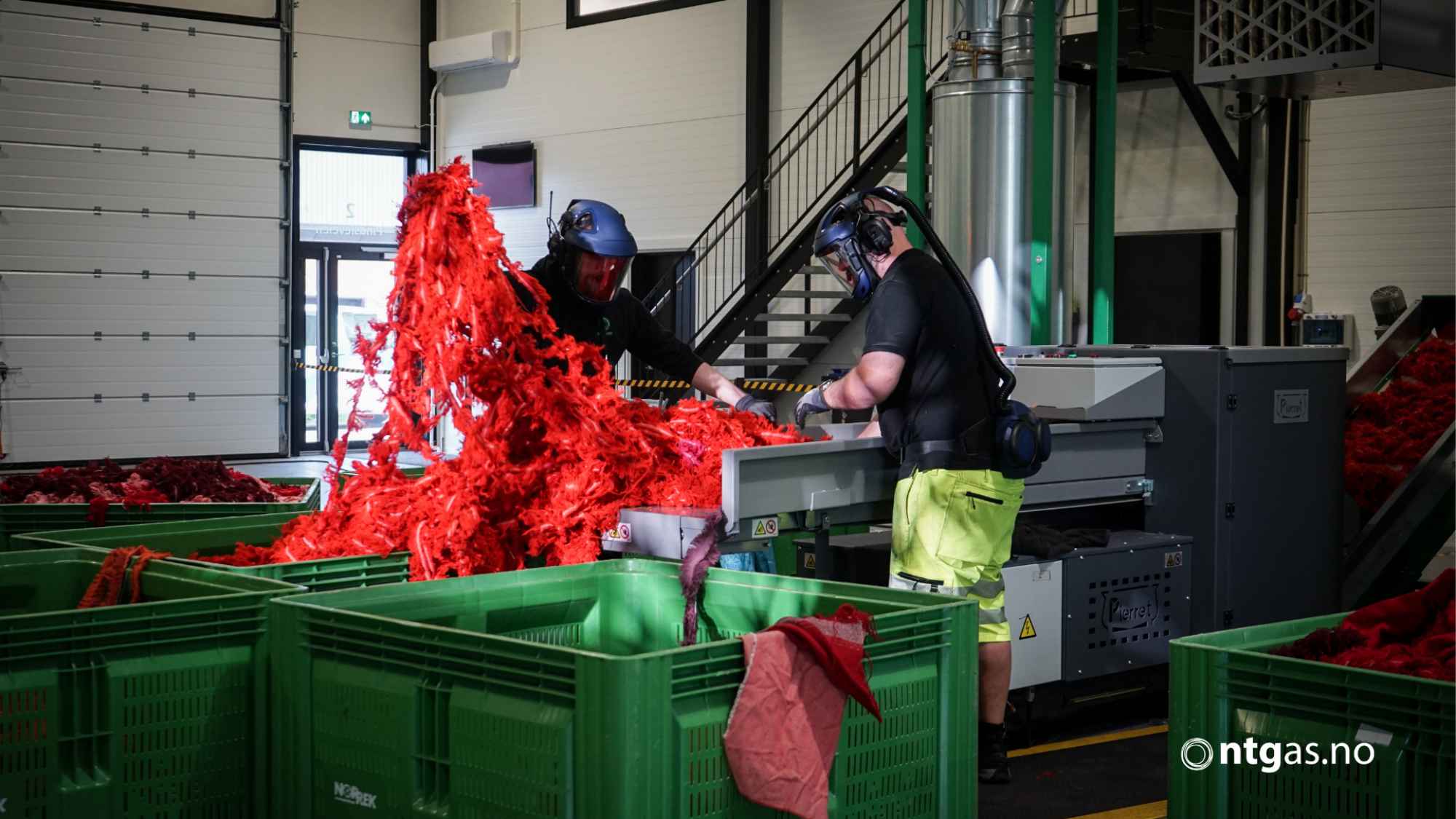
We’ve involved in the full loop: collecting, sorting, pre-processing, and recycling of textiles. That includes operating an AI-powered sorting facility, which classifies textiles by material and colour before we remove things like buttons, zippers, and labels. The actual recycling process is mechanical-no chemical or water, so it’s low-impact and scalable. Our aim is to build a circular system where textile waste becomes a resource, not a problem.
What’s the news about new products?
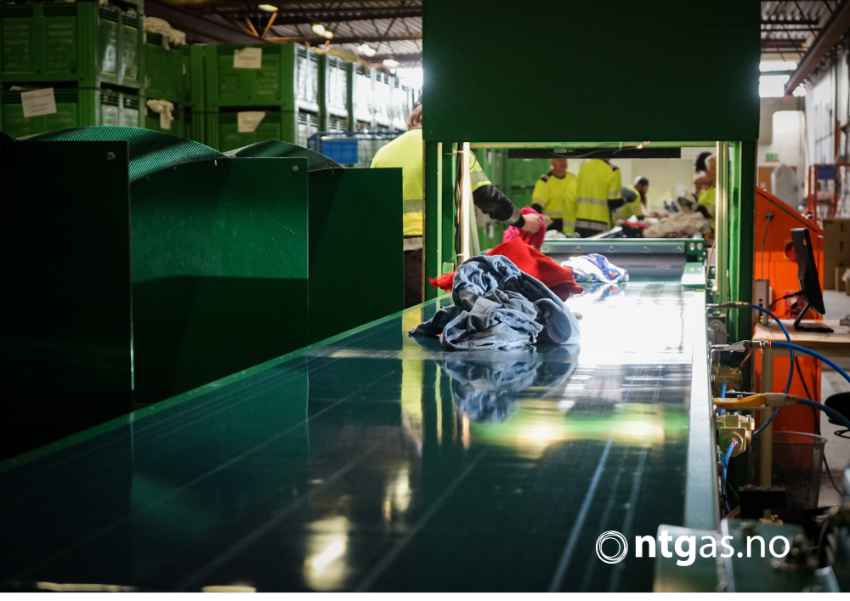
One of the biggest developments for us recently is the opening of our fully automated sortation line. It’s the first of its kind in Norway and lets us process much larger volumes with much higher accuracy. We’ve also launched a recycling bag, which companies and private individual can use to send in used textiles by mail.
What are the ranges of products?
Right now, our core product is recycled fiber made from post-consumer and post-industrial textiles, mainly cotton and cotton blends, but also wool. On the service side, we offer everything from textiles collection logistic to prefabrication and traceable reporting for clients. Most of our clients today are local authorities, recycling stations, the healthcare and hospitality industries, as well as other small private businesses.
At what stage is the market where you are currently active?
The timing has been right: from January 2025, Norwegian law made it illegal to throw textiles into general waste. That’s brought a huge shift in demand. Local authorities now need reliable, scalable recycling options, and businesses are more engaged than ever finding circular solutions.
What can you tell us about market trends?
We’re seeing strong trend toward regulation-driven change, especially in the Nordics. There’s also rising consumer awareness around textiles waste and pressure on the producers to show what happens at the end of a product’s life. Innovation is the key to keeping up-AI, automation and mechanical recycling are unlocking entirely new ways of dealing with textiles flows.
What are the most innovative products marketed?
I’d say our biggest innovation are the mechanical recycling plant itself-it’s still like this in Norway and our AI-driven sorting line. Together, they allow us to scale quickly and maintain a high quality of fiber. The recycling bag are also a simple but powerful tool-we’ve had positive feedback from companies using them to improve their internal environmental efforts and resource management.
What estimations do you have for 2024?
Looking at the second half of 2025, we’re preparing for rapid growth. Volumes are increasing, we’re expanding our network of partners, and we expect to supply more recycled fiber to producers across Europe. We’re also looking at how we can build out even more automation and capacity. It’s an exciting time – we’re moving from startup phase into a real industrial operation, and the momentum is definitely with us.