
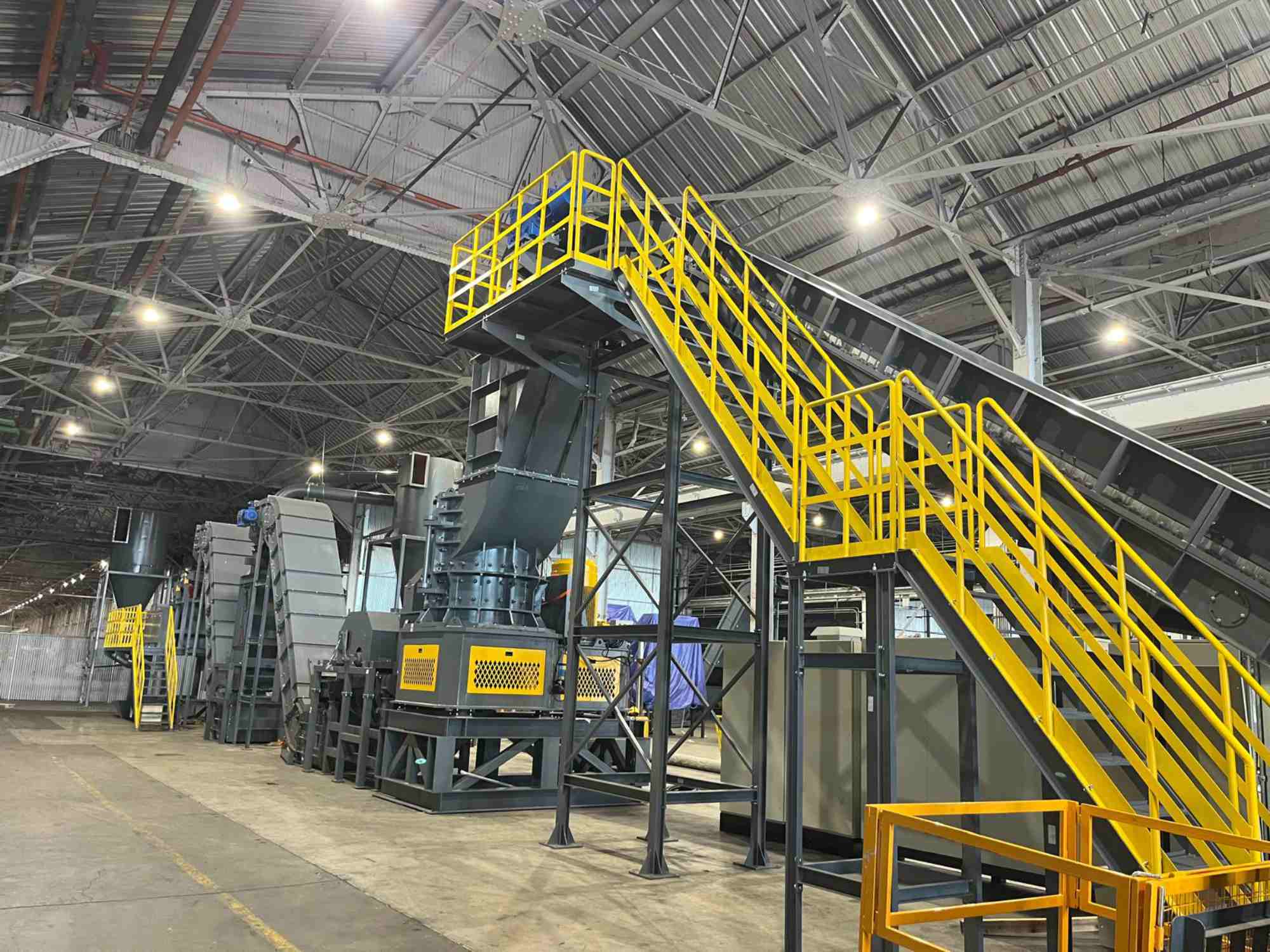
As global e-waste volumes surge and electronic components grow increasingly complex, the recycling sector is shifting from simple waste disposal to high-value secondary resource recovery. 3R Technology Global operates at the intersection of mechanical processing, artificial intelligence, and robotic automation to extract critical minerals, precious metals, and engineering plastics (ABS, PS, PP) from complex WEEE and E-Scrap streams. Through its technology arm Hermion, the company integrates AI vision and robotics into physical sorting lines, transforming how Small Domestic Appliances (SDA) and ITAD materials are processed.
CEO Yuling Wang outlines 3R Technology’s global strategy, including the expansion of its Riverbank, California site and the planned early 2027 opening of its flagship 65,000 sq ft SDA WEEE recycling facility in Chalgrove, Oxfordshire.
A brief description of the company and its activities
Yuling Wang: 3R Technology Global is an international circular-economy infrastructure company specialising in the recovery of valuable materials from end-of-life electrical and electronic equipment.
The company operates at the intersection of recycling, engineering, automation and resource recovery, using advanced mechanical processing, AI and robotic technologies to extract maximum value from increasingly complex electronic waste streams.
Our activities include the processing of WEEE and E-Scrap, recovery of WEEE plastics, ferrous and non-ferrous metals, copper and precious metals, as well as downstream recycling and secure destruction solutions for ITAD providers, manufacturers, retailers and other organisations.
Our philosophy is straightforward: Recovering Value. Protecting the Planet.
We believe that electronic waste should increasingly be viewed not as a waste-disposal problem, but as a significant source of secondary raw materials.
What are the main areas of activity of the company?
Y.W: Our principal activities are:
- WEEE recycling and processing;
- E-Scrap recycling;
- WEEE and E-Scrap plastics recovery;
- Small Domestic Appliance (SDA) WEEE recycling;
- Recovery of ferrous and non-ferrous metals;
- Copper and precious-metal recovery;
- Processing of complex and lower-grade electronic waste streams;
- IT Asset Disposition (ITAD) downstream recycling;
- Secure destruction of data-bearing and non-remarketable equipment;
- AI and robotic sorting;
- Development of advanced recycling and separation technologies.
A fundamental part of our strategy is to integrate more processes within our own infrastructure. This enables us to recycle more material in one place, improve material quality and traceability, and maximise the value recovered from each tonne processed.
What’s the news about new products/services?
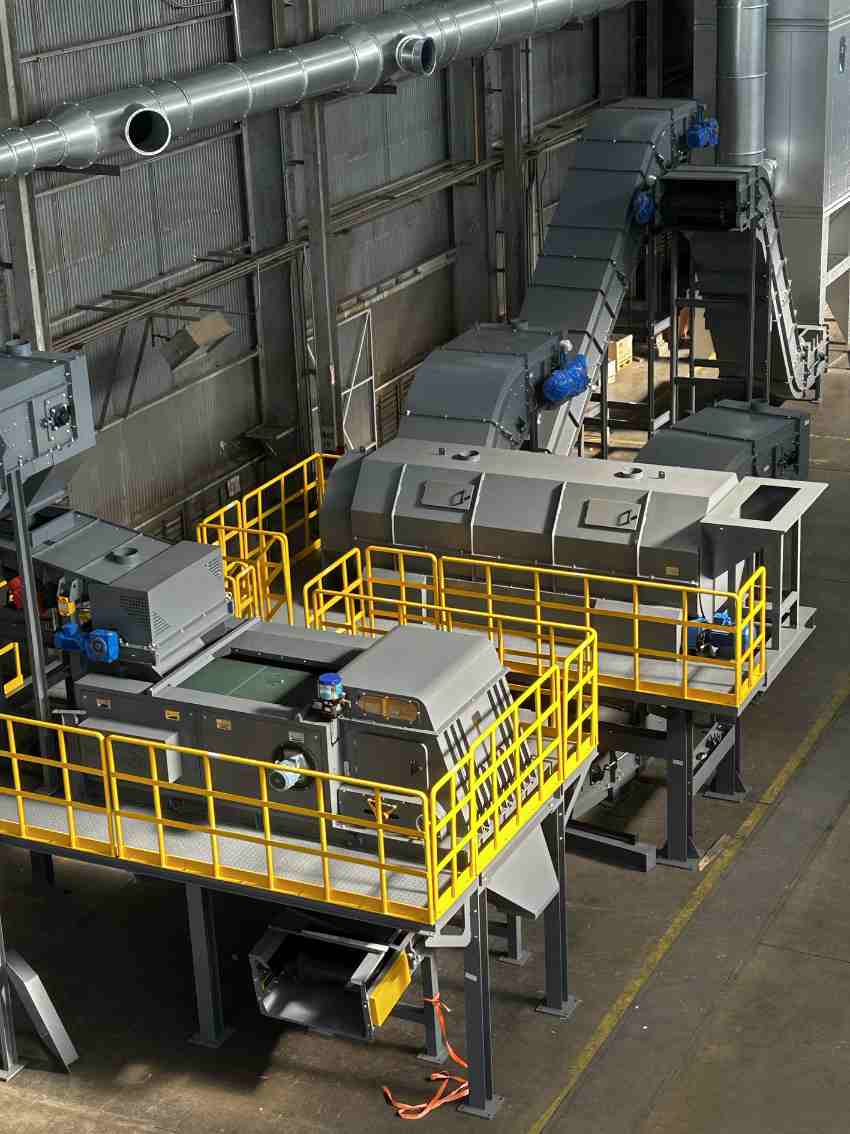
Y.W: One of our most significant developments is the continued expansion of our AI and robotic sorting technology, developed through our technology operation Hermion.
We are applying artificial intelligence and robotics to the physical sorting of electronic waste, with the objective of increasing automation, improving material separation and recovering materials that can be difficult to identify or separate using conventional processes.
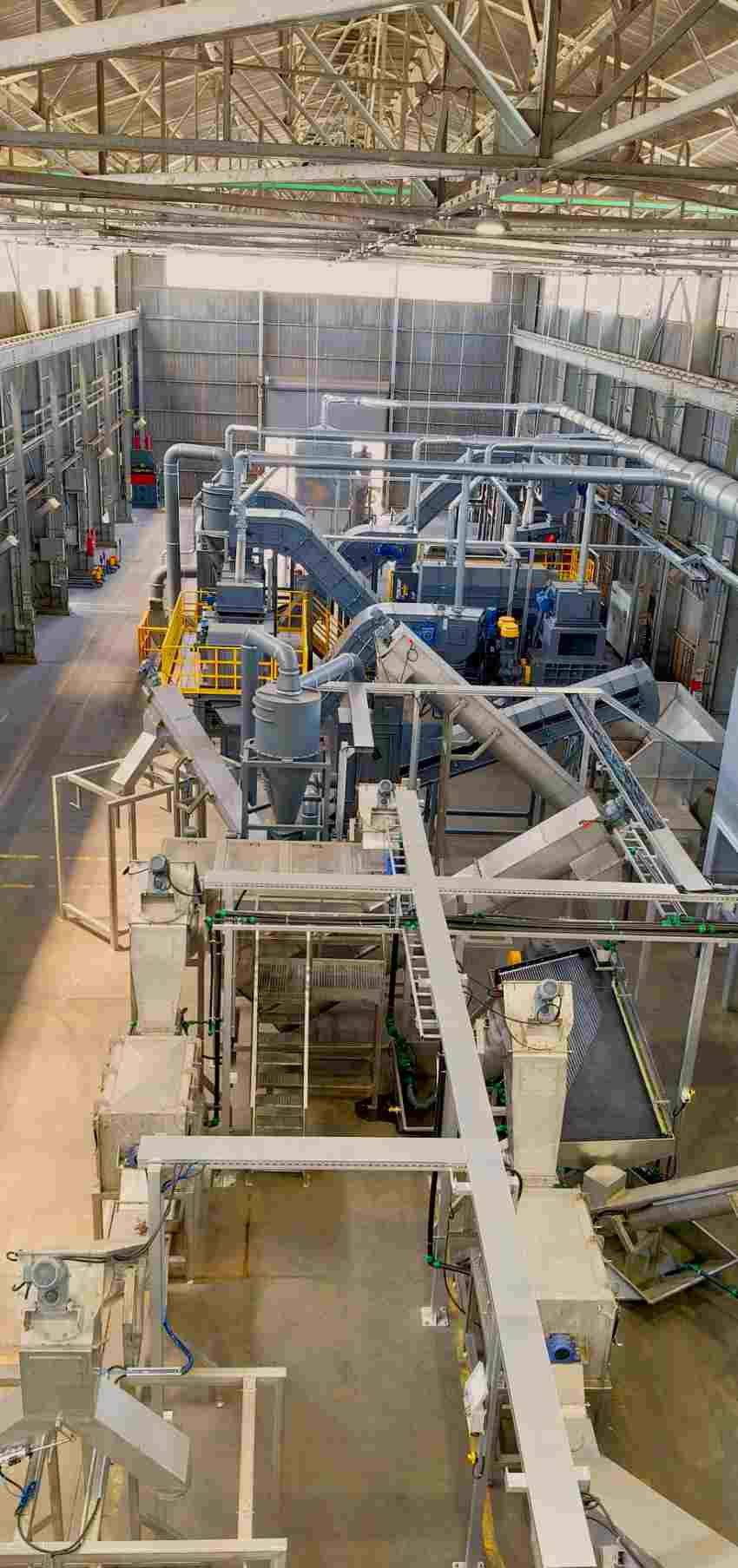
We are also significantly expanding our physical recycling infrastructure.
A major development is the planned opening of our new 65,000 sq ft Small Domestic Appliance (SDA) WEEE recycling facility at Chalgrove, Oxfordshire, in early 2027.
The Chalgrove facility represents an important step in our UK expansion and will provide substantial additional capacity for the processing and recovery of SDA WEEE. The site is being developed with modern material-processing infrastructure and is intended to incorporate advanced separation and sorting technologies.
The facility will complement our existing UK operations and form part of our longer-term strategy to develop a network of highly capable regional recycling facilities.
In parallel, we are continuing to expand our US operations, including our established facility in Riverbank, California, together with our developing presence in the Midwest.
What are the ranges of products/services?
Y.W: Our activities cover a broad range of electronic waste and recovered materials.
- Electronic waste processing;
- Mixed WEEE;
- Small Domestic Appliances;
- Electronic breakage;
- End-of-life IT equipment;
- Customer returns;
- BER and non-remarketable electronics;
- Complex E-Scrap streams;
- Material recovery;
- Engineering and commodity plastics;
- ABS, PS and PP;
- Ferrous metals;
- Aluminium;
- Copper;
- Precious metals;
- Other strategically important and critical materials;
- Specialist services;
- ITAD downstream recycling;
- Secure product and data-bearing equipment destruction;
- Material recovery programmes;
- Bulk material processing;
- Chain-of-custody and recycling documentation;
- Downstream recycling solutions for manufacturers, retailers and waste-sector businesses.
Rather than focusing solely on the disposal of waste, our objective is to maximise the quantity, quality and value of materials returned to productive use.
What is the state of the market where you are currently active?
Y.W: The electronic-waste market is experiencing significant structural change.
Global volumes of electrical and electronic waste continue to increase, while the value of the materials contained within that waste is becoming increasingly recognised.
At the same time, manufacturers and governments are placing greater emphasis on resource security, recycled content, supply-chain resilience and the circular economy.
This is creating a transition from a traditional waste-management model towards a resource-recovery model.
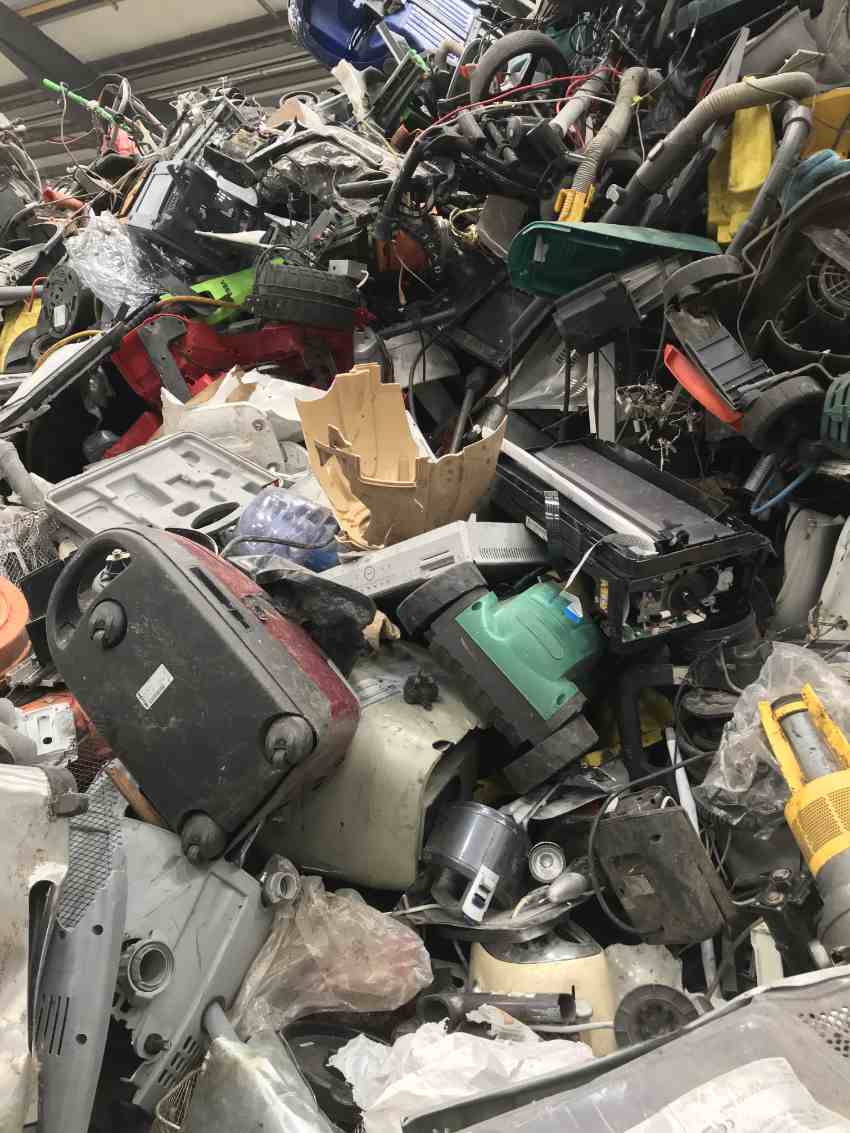
The challenge for the industry is that modern electronic products are becoming increasingly complex. They contain a greater variety of materials, while traditional manual and mechanical separation techniques can struggle to economically recover everything contained within them.
This creates a significant opportunity for companies that can combine engineering, automation, AI and advanced separation technology.
What can you tell us about market trends?
Y.W: We see several major trends shaping the industry.
Resource recovery rather than waste disposal
The value proposition of recycling is increasingly based on the materials recovered rather than simply the amount of waste diverted from landfill.
Critical minerals and resource security
Electronic equipment contains significant quantities of strategically important materials. Governments and manufacturers are increasingly recognising recycling as an important source of secondary raw materials and a way of reducing dependence on virgin resources.
AI and automation
As volumes increase and waste streams become more complex, automation will become increasingly important. AI-enabled identification and robotic sorting can provide greater consistency and potentially improve both recovery rates and operational efficiency.
Growth in WEEE plastics recycling
Plastics remain one of the major challenges within WEEE recycling. Developing effective methods of identifying, separating and processing different polymer streams is essential to increasing circularity.
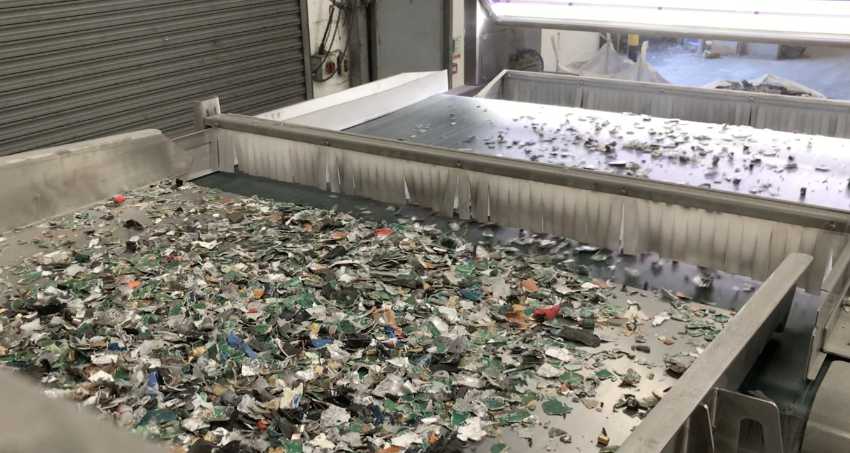
Regional recycling infrastructure
We expect continued investment in strategically located recycling facilities. Processing material closer to its point of generation can reduce transportation requirements, improve traceability and create stronger regional circular-economy infrastructure.
The development of our 65,000 sq ft Chalgrove facility is a direct response to this trend.
What are the most innovative products/services marketed?
Y.W: Our most innovative development is our AI-driven robotic sorting technology.
The technology is designed to combine artificial intelligence, machine vision and robotics with conventional mechanical recycling systems.
The objective is to enable the system to recognise different products and materials within complex electronic waste streams and direct them into appropriate recovery streams.
We see this as an important evolution in recycling technology.
The future of electronic-waste processing is unlikely to be based solely on larger shredders and greater throughput. We believe the next generation of recycling facilities will increasingly combine:
Mechanical processing + sensor technology + AI + robotics + advanced separation.
Our technology development is focused on making that combination commercially viable at industrial scale.
Alongside technology development, the Chalgrove SDA WEEE facility is an important innovation in our infrastructure strategy. At 65,000 sq ft, it will provide a dedicated platform for high-volume SDA WEEE processing and material recovery when it opens in early 2027.
What estimations do you have for the second half of 2026?
Y.W: We expect the second half of 2026 to be an important period of growth and investment for 3R Technology Global.
Our immediate priorities are to increase throughput at our existing facilities, continue developing our AI and robotic technology, expand our US operations and prepare for the opening of the new Chalgrove facility.
The 65,000 sq ft Chalgrove, Oxfordshire SDA WEEE recycling facility is scheduled to open in early 2027 and represents one of our most significant UK infrastructure investments.
We expect demand for downstream processing of WEEE, E-Scrap, IT equipment and WEEE plastics to continue increasing as organisations place greater emphasis on responsible recycling, material recovery and supply-chain transparency.
We also anticipate growing interest in the recovery of critical and precious materials from electronic waste.
Our longer-term objective is to build a scalable international network of advanced recycling facilities, supported by common technology, engineering expertise and material-recovery processes.
We see significant potential for the sector as the world moves towards a more circular model for electronics.
For 3R Technology Global, the ambition is to play a leading role in that transition by combining engineering, technology and industrial-scale recycling infrastructure to turn electronic waste into a source of valuable secondary raw materials