
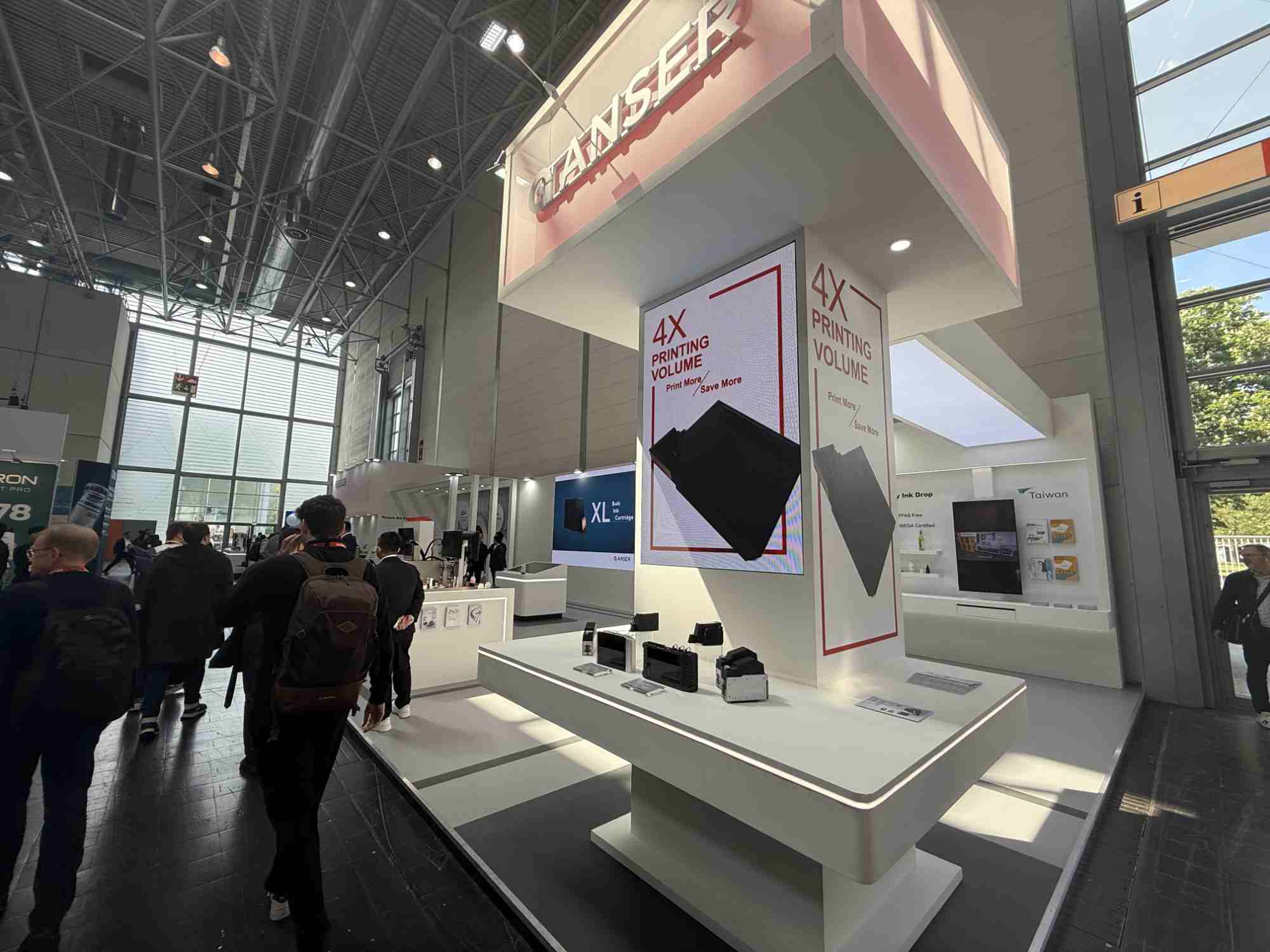
As global food safety regulations, track-and-trace mandates, and environmental policies accelerate the demand for high-resolution 2D barcodes, packaging lines are facing intense pressure to eliminate downtime while maintaining Grade A print quality. Taiwanese thermal inkjet (TIJ) specialist, ANSER CODING is addressing these challenges with low-maintenance, cartridge-based ecosystems designed for complex production floors. Featuring systems like the flagship X1, the streamlined X1 Lite, the handheld SPH Mobile Kit, and central management via Xonnect, the company serves Fortune Global 500 manufacturers across more than 100 countries.
Denny Chou, Global Sales Director at ANSER CODING, outlines the company’s interpack 2026 product debuts, including the XL Bulk Ink Cartridge, and discusses how TIJ technology helps food, beverage, and pharmaceutical brands prepare for GS1 Sunrise 2027, the EU Digital Product Passport (DPP), and PPWR sustainability standards.
A brief description of the company and its activities
Denny Chou: ANSER CODING was founded in Taiwan in 1986, and this year marks our 40th anniversary. Taiwan is one of the world’s manufacturing and precision-machinery hubs, and that’s not incidental to who we are — it puts us close to the production lines and the engineers who run them, which is where we learn what actually breaks a shift. That proximity has driven four decades of continuous product development, and it’s why our roadmap is built around real line-level problems rather than a features checklist.
What are the main areas of activity of the company?
D.C: We design and build complete thermal inkjet (TIJ) coding ecosystems — hardware, software and ink consumables. Being headquartered in Taiwan, inside one of the densest manufacturing supply chains in the world, gives us fast, direct access to the plant floor — we see the same recurring pain points our customers do: inconsistent print quality, unplanned downtime, hardware that’s hard to maintain under pressure. We build directly against those problems. Our systems deliver high-resolution, certified Grade A print quality, and our cartridge-based design is built for near-zero maintenance, keeping lines running instead of stopping for cleaning or repairs.
What’s the news about new products/services?
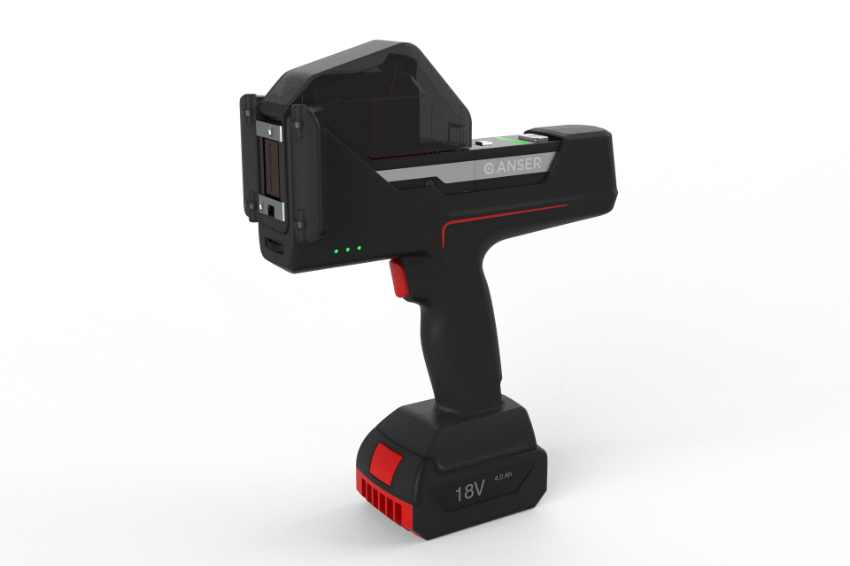
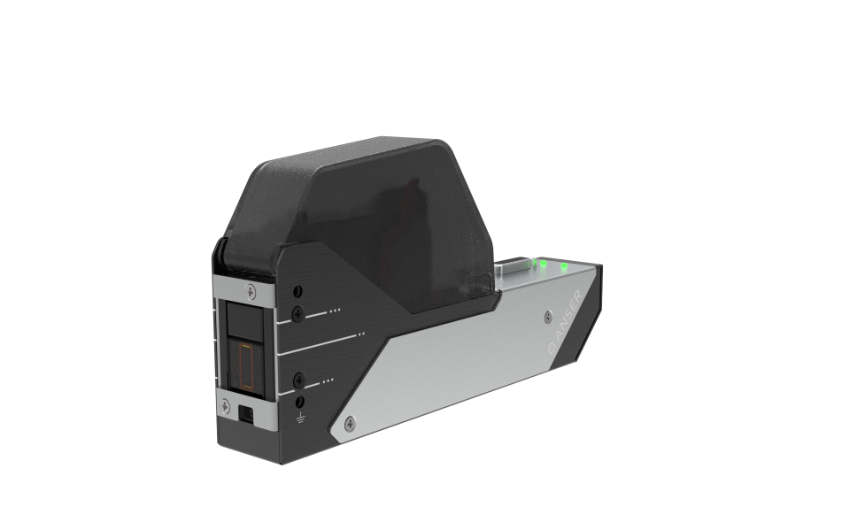
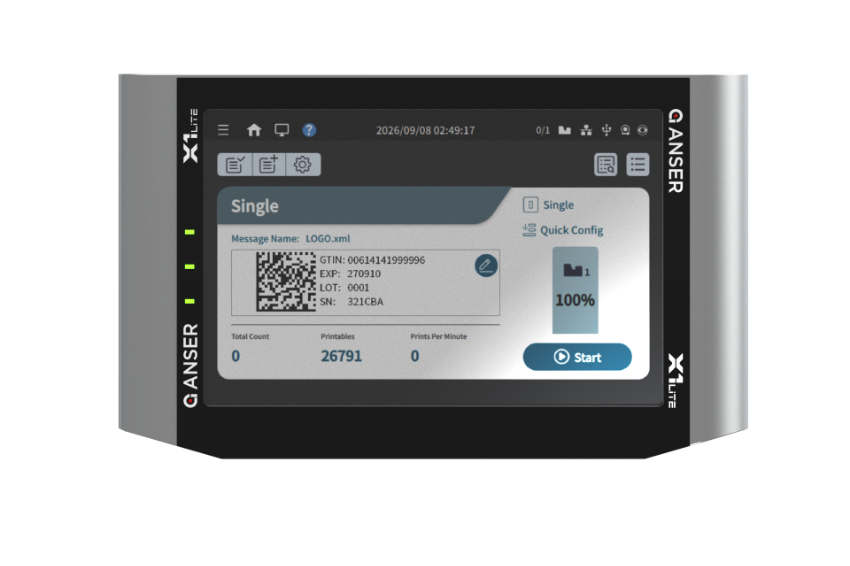
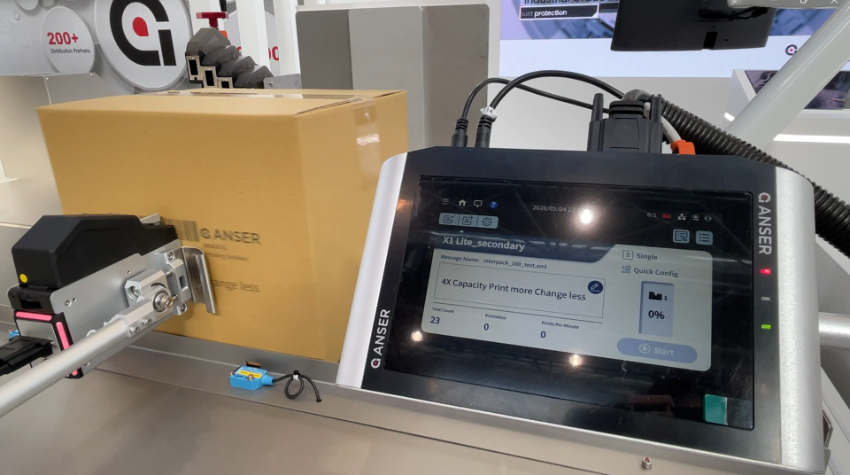
D.C: We want to offer a full range — from advanced, all-in-one systems that cover every need, to simple equipment built for a single production line. That philosophy shaped what we brought to interpack 2026: a complete coding solution built around the X1 Lite for straightforward, single-line operations, and our SPH Mobile Kit, a mobile expansion kit that turns coding into a handheld capability so operators aren’t tied to a fixed line. To match how our customers actually work today, we also built the NexLink app for remote, handheld control, and Xonnect, our central management platform, for full-floor visibility. Running through the whole lineup is our XL Bulk Ink Cartridge, which cuts the maintenance stops that used to interrupt every one of these systems, whether the line is simple or advanced.
What are the ranges of products/services?
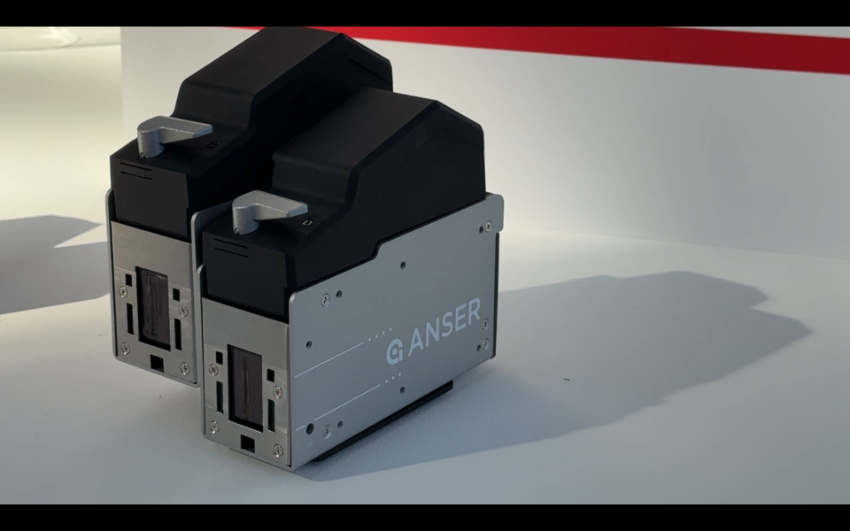
D.C: Our lineup spans that full range in practice: the flagship X1 for complex, high-volume lines; the streamlined X1 Lite for simpler, single-line setups; and our mobile printing solution for operations that need coding to move with the product rather than stay fixed to one station. Xonnect and the NexLink app sit across all of them, so a customer can start with a single printer and scale up to a fully networked, centrally managed fleet without switching platforms.
What is the state of the market where you are currently active?
D.C: We serve customers in more than 100 countries through a network of over 200 distributors worldwide. Our equipment runs on production lines for a number of the world’s best-known food & beverage, retail and consumer goods manufacturers — several of them among the Fortune Global 500 — with particularly deep penetration in food & beverage and a growing footprint in pharmaceuticals. It’s a reach we continue to expand.
What can you tell us about market trends?
D.C: For most of TIJ’s history, the job was simple: put a date code on the outer case and move on. Good enough was good enough. That’s changed. Digitized logistics and food-safety traceability requirements — track-and-trace, in particular — have pushed high-resolution coding from a nice-to-have to a requirement. That’s raised the value of high-resolution coding itself, and it’s raised our role in our customers’ manufacturing operations.
That shift has been building for longer than any single regulation. High-resolution 2D barcodes have been gaining ground for years as supply chains digitize and brands push for better inventory accuracy and richer product data — GS1’s 2D Sunrise 2027 initiative, which will require retail point-of-sale systems worldwide to read 2D codes, is accelerating that shift rather than starting it. On top of that, the EU’s Digital Product Passport (DPP) requires highly legible 2D codes carrying lifecycle data, while the Packaging and Packaging Waste Regulation (PPWR) is pushing manufacturers toward thinner eco-films, recycled substrates and lower-carbon operations.
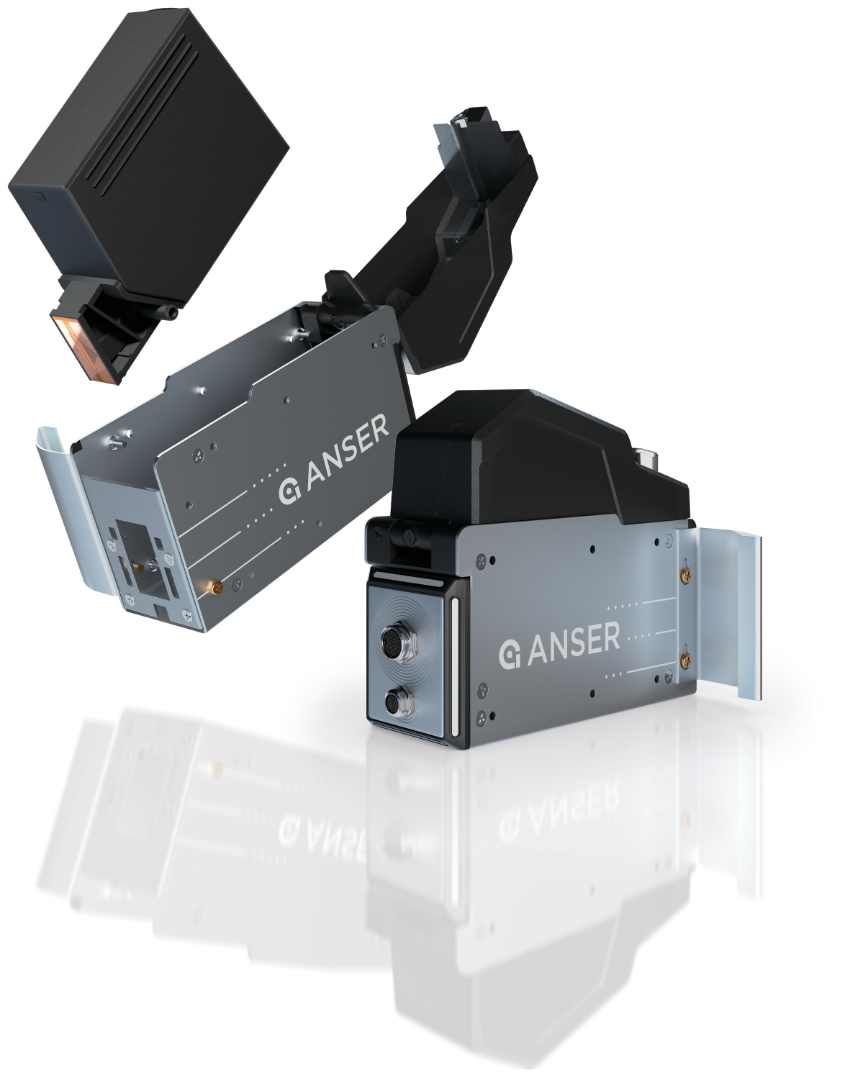
Meeting all of that at once is a real technical challenge. RFID handles large data volumes but its embedded chips conflict with PPWR’s mono-material recycling goals. Laser marking is durable but risks puncturing thin eco-films. Continuous inkjet (CIJ) is an open system that draws from an ink tank and continuously recirculates solvent, which works against VOC-reduction targets and struggles to hold Grade A quality at the micro 2D code sizes DPP requires.
TIJ works differently: our cartridges are sealed and leak-free, with no VOC emissions — safer for the people working the line, not just better for the environment. It’s also why ink safety has become a differentiator. “We’ve controlled ink quality tightly for a long time, long before regulators asked us to,” Denny says. Select ANSER ink lines are independently certified by bodies such as ISEGA, and comply with EU requirements on PFAS, and are MOSH/MOAH free.
What are the most innovative products/services marketed?
D.C: Our XL Bulk Ink Cartridge, launched at interpack 2026, is the industry’s first 1-inch bulk cartridge, holding four times the ink volume of a standard 1-inch cartridge. In practical terms, a line that used to swap cartridges four times a day can now run on a single cartridge for a full shift — three fewer stoppages, three fewer chances for a line to sit idle. Actual savings depend on print content, but customers are typically seeing print costs drop by more than half. Fewer changeovers also means less spent-cartridge waste, which lines up directly with PPWR-driven sustainability targets. It’s already running on lines for some of our largest customers, who need that uptime the most.
What estimations do you have for the second half of 2026?
D.C: We’re cautiously optimistic. Regulatory pressure and automation adoption are both accelerating demand for high-resolution coding, and we expect that to continue through the second half of the year.
Food and beverage remain our largest and most established vertical, and it’s a demanding one: high-speed, high-throughput lines can’t afford to stop for maintenance, and packaging surfaces range from cartons and flexible films to the thinner, recyclable substrates now required under PPWR. That’s exactly what our TIJ platform is built for — high-resolution, Grade A codes, an eco-friendly ink portfolio, and cartridge reliability that keeps pace with production speed, while also getting our F&B customers ready for GS1 Sunrise 2027.
Looking ahead, we’re extending that same strength into pharmaceuticals and medical devices, where the bar for digital coding and data accuracy is even higher — small-format codes on vials, blister packs and device labels must remain fully legible for serialization and anti-counterfeiting purposes, with a complete, auditable data trail behind every code. That’s a natural extension of what we’ve already built: Grade A print quality paired with Xonnect’s data management capabilities. We see this vertical as one of our key growth drivers for the second half of 2026 and beyond.
GS1 Sunrise 2027 is around the corner, and retailers are already piloting 2D-only checkout. If you haven’t assessed whether your line is ready, now is the time — reach out to ANSER CODING at www.anser-coding.com or connect with our team on LinkedIn.