
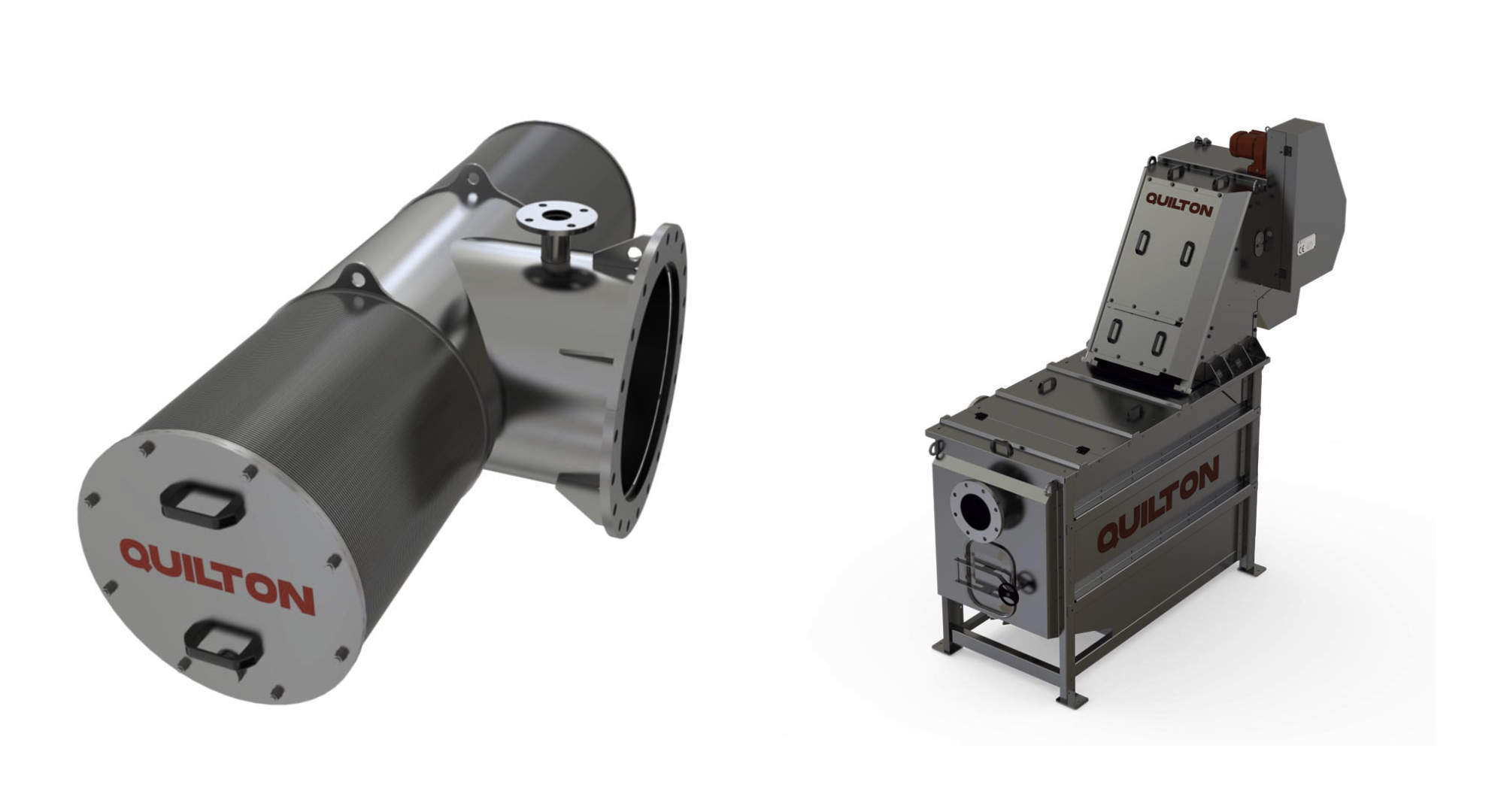
QUILTON is a Spanish engineering and manufacturing company with more than 40 years of experience in the design and production of equipment for water and wastewater treatment plants. From the headquarters in Spain, the company supplies reliable and efficient solutions for municipal and industrial applications worldwide.
QUILTON’s philosophy is based on offering robust equipment, customised engineering solutions and close technical support throughout every stage of a project. Today, they equipment is operating successfully in more than 70 countries.
Interview with Miguel Trincado, Export Manager at QUILTON S.A.
What are the main areas of activity of the company?
Miguel Trincado: Our core business is the design and manufacture of mechanical equipment for the preliminary treatment stage of water and wastewater treatment plants.
Our portfolio includes:
- Mechanical screens
- Fine screens
- Band screens
- Drum screens
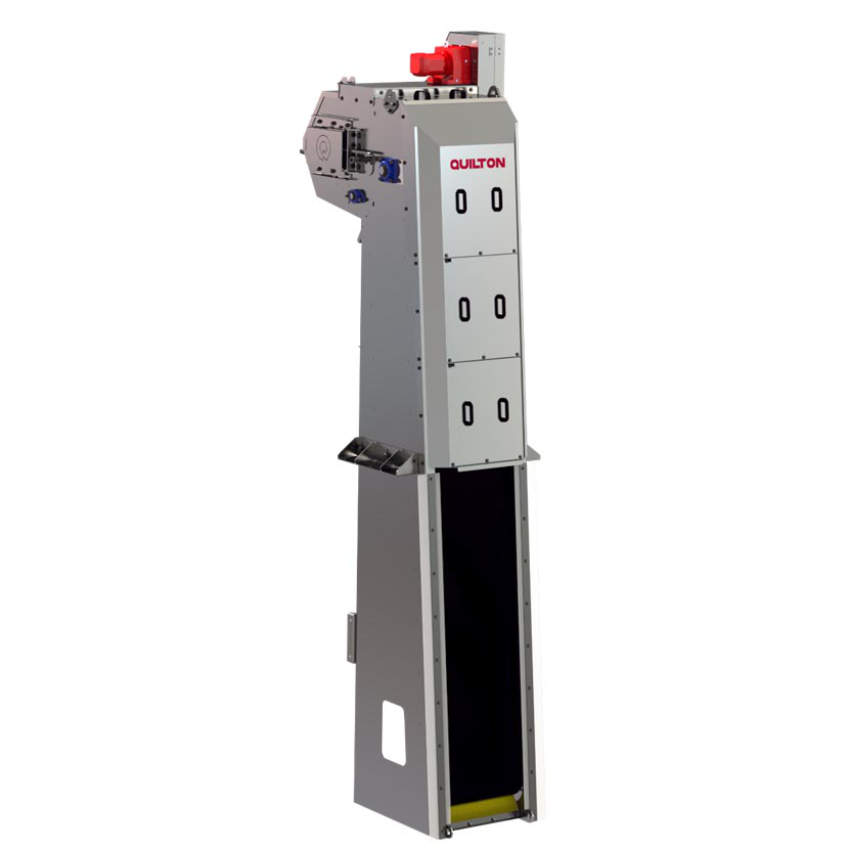
- Step screens
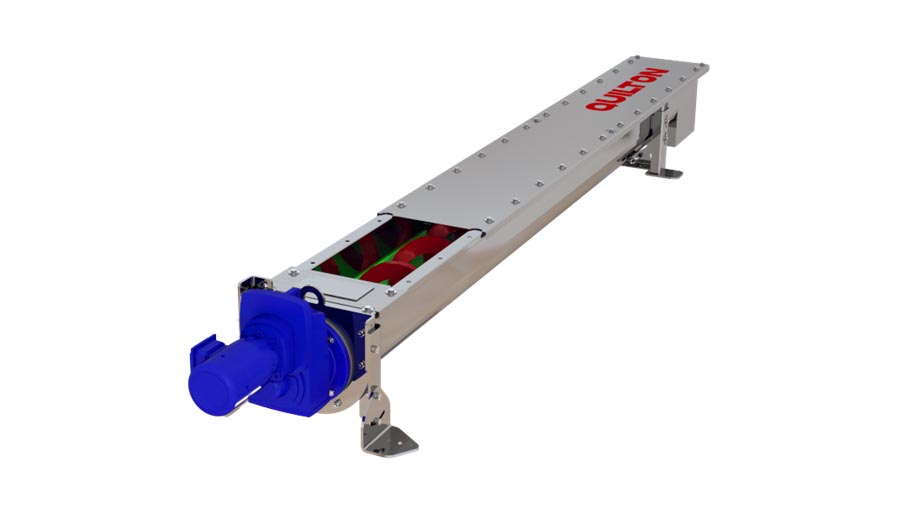
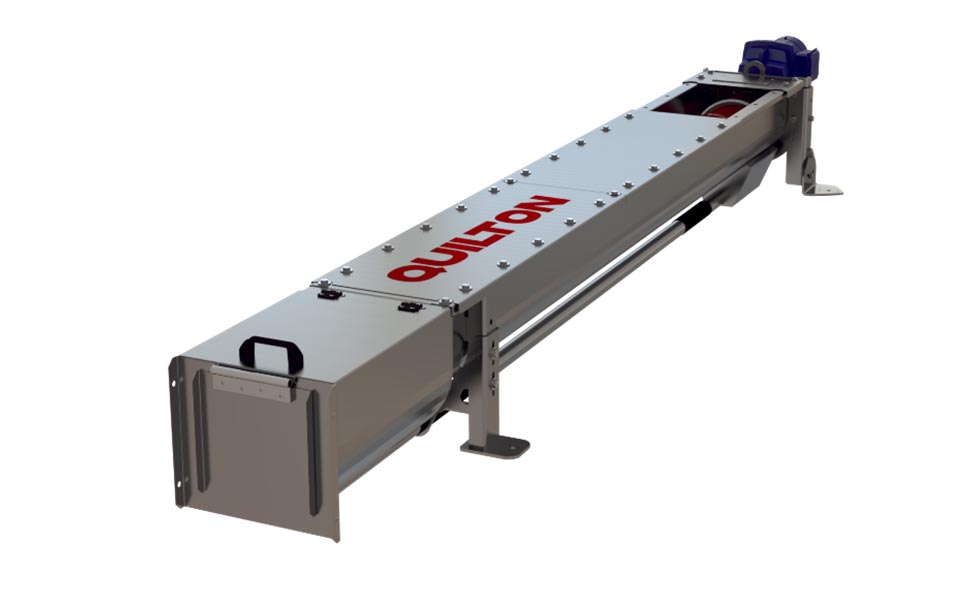
- Screw conveyors
- Screenings handling equipment
- Grit removal systems
- Grit classifiers
- Compact pretreatment units
- Intake screening systems
- Auxiliary equipment for municipal and industrial treatment plants
Besides manufacturing, we provide engineering support, equipment selection, customised design and after-sales technical assistance.
What’s the news about new products/services?
M.T: One of our current priorities is strengthening our international presence by collaborating closely with engineering consultants and EPC contractors during the early design stages of projects.
On the product side, we continue improving our equipment with a focus on higher efficiency, reduced maintenance requirements and easier installation. We are also developing more customised solutions for industrial sectors such as food & beverage, pulp & paper, mining, desalination and chemical industries.
What are the ranges of products/services?
M.T: QUILTON offers a complete range of equipment covering the entire preliminary treatment process:
- Coarse and fine screening
- Screening washing and compaction
- Grit removal and classification
- Compact pretreatment plants
- Water intake screening systems
- Screw conveying systems
- Custom-made equipment for special applications
Our services include engineering consultancy, project support, equipment sizing, manufacturing, commissioning assistance and technical support.
What is the state of the market where you are currently active?
M.T: The global water sector continues to show strong and stable growth, driven by increasing environmental regulations, urbanisation and industrial development.
We are experiencing particularly strong demand in Southeast Asia, Latin America, the Middle East and Africa, where many countries are investing heavily in new wastewater treatment facilities, desalination plants and industrial water reuse projects.
At the same time, European markets continue to invest in upgrading existing infrastructure to improve efficiency and comply with stricter environmental standards.
What can you tell us about market trends?
M.T: Several trends are shaping today’s market:
- Increasing focus on water reuse and circular economy solutions.
- Higher demand for energy-efficient equipment.
- Greater emphasis on automation and digital monitoring.
- More industrial clients investing in wastewater treatment to comply with environmental regulations.
- Growing demand for customised equipment rather than standard products.
We also see engineering firms becoming increasingly involved in selecting equipment during the early project phases, making technical collaboration more important than ever.
What are the most innovative products/services marketed?
M.T: Innovation at QUILTON is focused on improving reliability, operational efficiency and ease of maintenance rather than introducing unnecessary complexity.
Our compact pretreatment plants integrate several treatment stages into a single unit, reducing installation costs and footprint.
Our self-cleaning screening systems are designed for continuous operation with minimal maintenance requirements, while our customised intake screening solutions are engineered to meet the specific hydraulic conditions of each project.
We also work closely with consulting engineers to adapt equipment designs to each installation instead of offering one-size-fits-all solutions.
What estimations do you have for the second half of 2026?
M.T: We expect demand to remain positive during the second half of 2026, particularly in international markets where investment in water infrastructure continues to grow.
Our objective is to strengthen our presence through local partners, engineering consultants and EPC contractors, while continuing to expand our participation in municipal and industrial projects worldwide.
We also expect increasing opportunities related to water reuse, desalination and industrial process water treatment.