
ALLIGATOR SAS, a French manufacturer specialized in emergency exit security for over 40 years, develops high-reliability DAS locking systems and centralized control units for high-traffic and sensitive infrastructures. Following the enforcement of the updated NF S 61-937-13 standard, the company introduced the DS3010 electromechanical lock and continues to advance its UGCIS (Centralised Emergency Exit Management Unit) framework.
Marina BERHO, Operations Director at ALLIGATOR SAS, discusses emergency exit compliance, 3D supervision tools like VISUALIS 3D, and international expansion plans for the rest of 2026.
A brief description of the company and its activities.
Marina BERHO: Founded in 1983, ALLIGATOR has been an expert in emergency exit locking for over 40 years. Our mission is simple: to protect people and property by securing emergency exits.
ALLIGATOR’s origin is closely linked to a tragic event that occurred in France in 1970: the fire at the 5-7 nightclub, which killed 147 people and highlighted the critical importance of properly secured and accessible emergency exits.
For more than four decades, we have developed solutions dedicated specifically to emergency exit security, designed and manufactured in France.
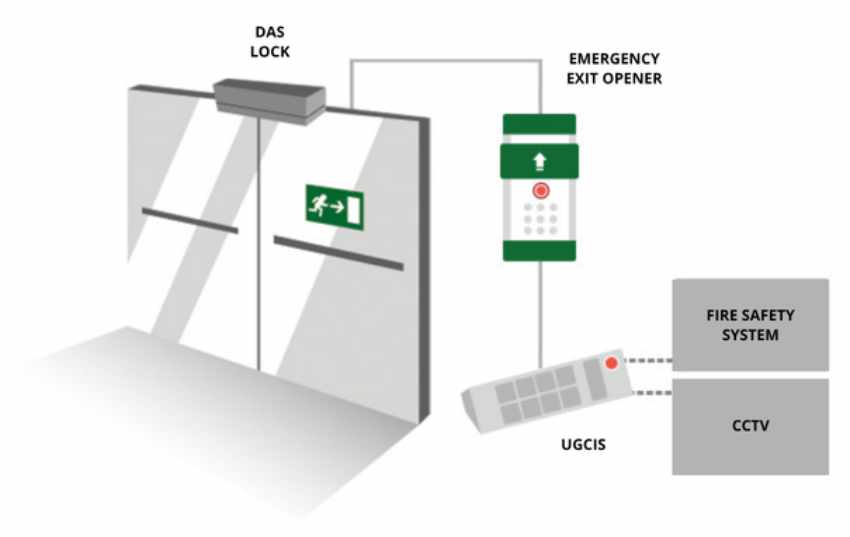
ALLIGATOR is the inventor of two key solutions: DAS emergency exit locks, which secure emergency doors while ensuring their release in an emergency, and the UGCIS (Centralised Emergency Exit Management Unit), which allows DAS locks to be centrally controlled, managed, and is currently the only solution authorised to temporise the opening of emergency exits.
Our purpose has remained unchanged: to help prevent tragedies through reliable, standardised solutions. Recent events, such as the Crans-Montana fire in Switzerland, remind us how relevant this challenge still is.
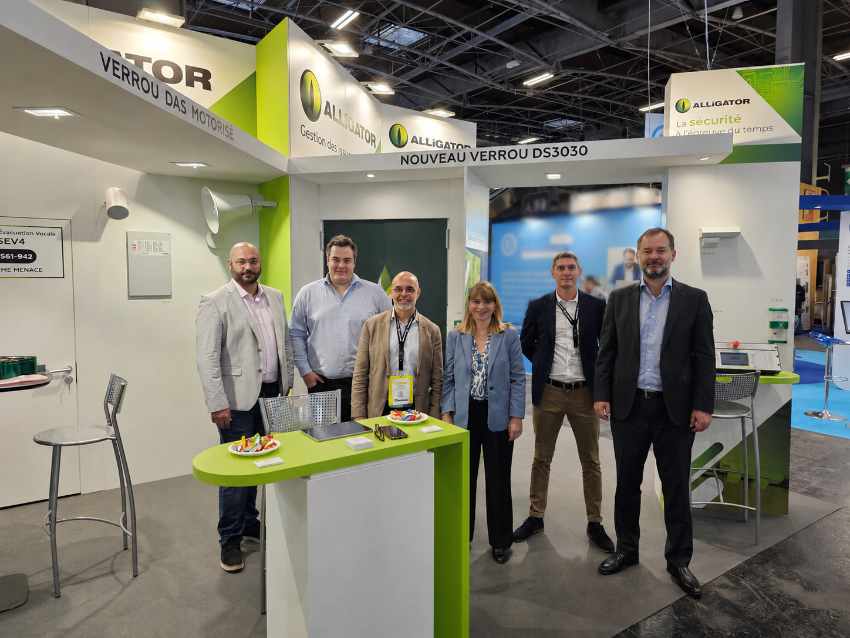
Our solutions are deployed in demanding sites in France and internationally, including the Louvre Museum, Charles de Gaulle Airport and the Great Mosque of Algiers.
ALLIGATOR is a member of DEF Network, the only international and independent network of expert and complementary companies in the field of fire safety.
What are the main areas of activity of the company?
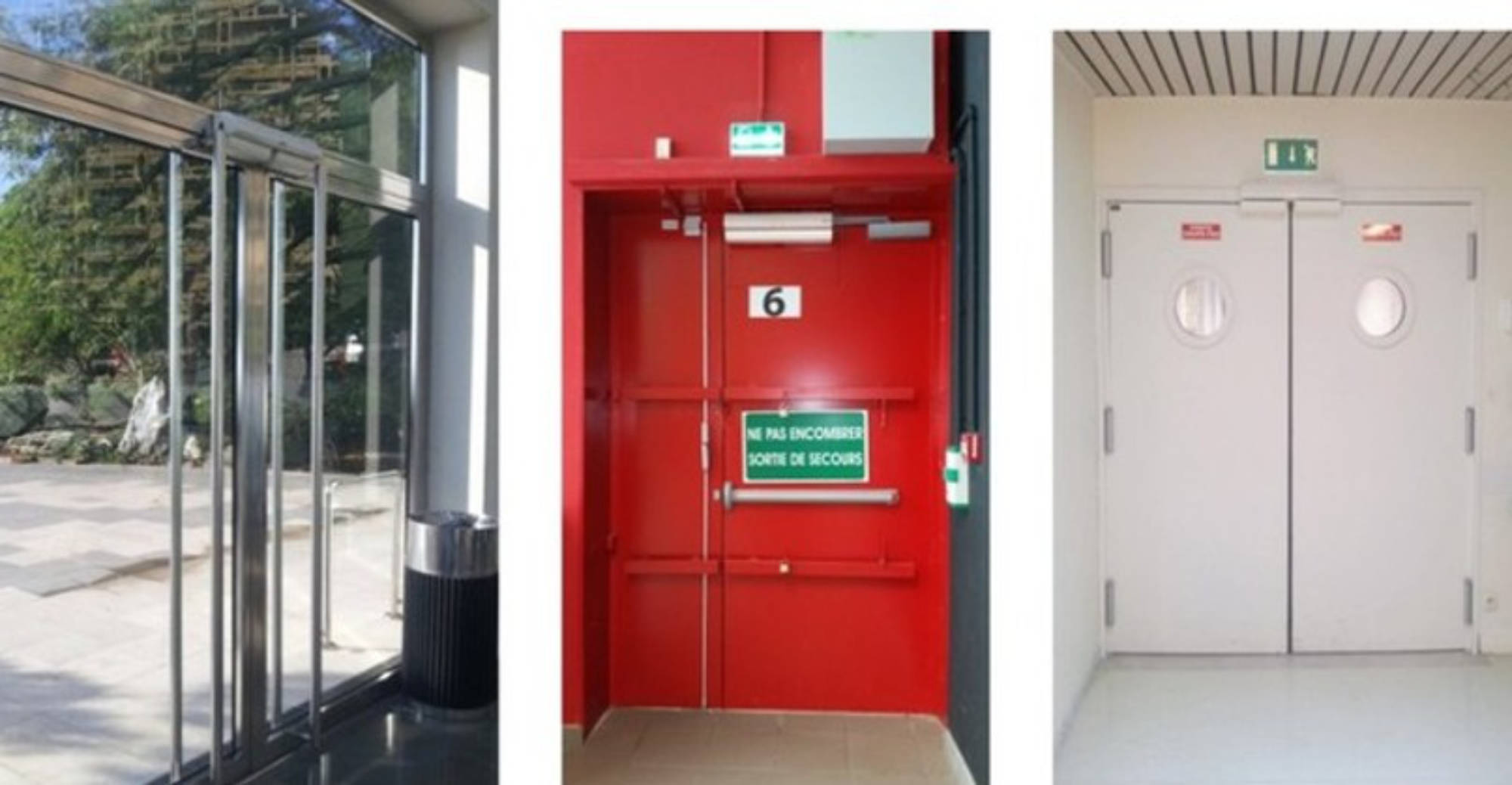
M.B: Our main activity is the management of emergency doors. ALLIGATOR develops solutions that prevent unauthorised use of emergency exits while maintaining immediate evacuation capabilities and give operators greater control and visibility.
Concretely our activities break down into:
- Product development, design and manufacturing
- Technical support
- Training
- Maintenance
We work closely with security managers, fire safety professionals, engineering firms, installers, integrators, distributors and building operators throughout each project.
What’s the news about new products /services?
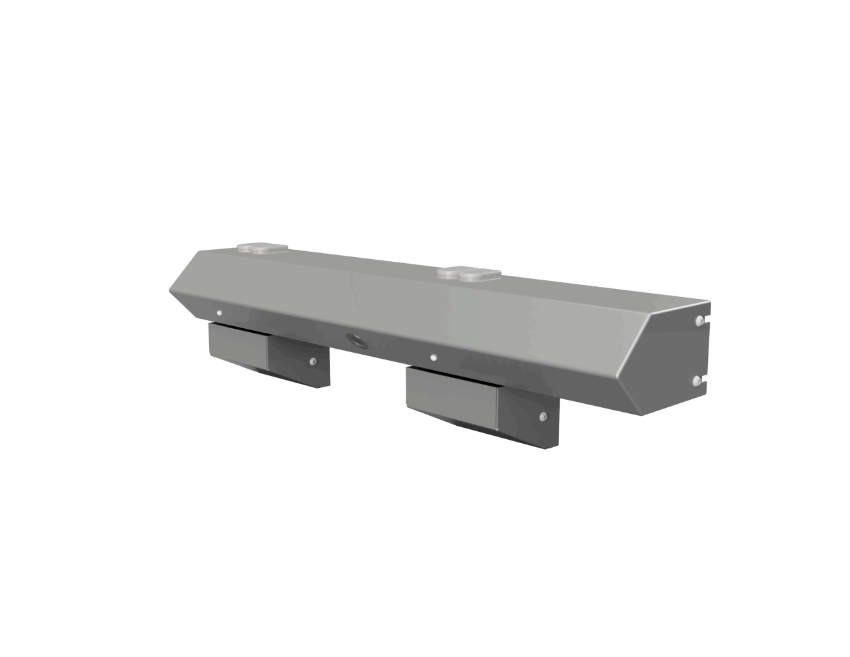
M.B: 2026 is a key year for ALLIGATOR in terms of product development, building on the launch of the DS3010 end of 2025. Available in single and double bolt versions, this new electromechanical lock replaces our best-seller DS3000.
Its key strength: it fully complies with the NF S 61-937-13 standard, making it one of the only DAS locking devices currently on the market to meet this requirement. It is also lighter and quieter, while maintaining the high level of reliability ALLIGATOR is known for.
In 2026, we are continuing to innovate by developing the next generation of our DS1040 lock and developing our centralised management system.
What are the ranges of products/services?
M.B: Our DAS locking devices range from single-leaf models like the DS1040 to our best-seller DS3010(an electromechanical lock), up to motorised, dual-bolt systems like the DSM5030 for higher-security sites.
For centralised management, our UGCIS (BUAYA) range scales from 16 to over 192 DAS, covering everything from hotels to hospitals and shopping centres, with local opening devices such as CLEVA and CLEV.
We also offer exploitation and supervision tools, the TEREX terminal and VISUALIS 3D, our 3D supervision software, plus technical support, maintenance contracts and certified training programmes throughout each project.
Beyond the products, ALLIGATOR provides technical expertise throughout projects, helping professionals identify the right solution for each application.
What is the state of the market where you are currently active?
M.B: The emergency exit security market is demanding, with increasingly strict regulations. The NF S 61-937-13 standard, covering emergency exit locking devices, replaced the previous 1990 standard in May 2024, introducing stricter requirements for reliability and compatibility. This reflects a broader industry dynamic: technical standards are tightening, pushing operators and safety professionals to seek solutions combining security, compliance, reliability and ease of use.
Buildings are also becoming more complex, with more interconnected systems which creates opportunities for specialised manufacturers like ALLIGATOR, especially on sensitive sites where failure has serious consequences. Customers increasingly want solutions that integrate into existing infrastructure rather than standalone products. Internationally, we see strong opportunities in markets with rising safety requirements, where local distributors seek specialised European solutions.
What can you tell us about market trends?
M.B: The main trend is growing demand for centralised management and monitoring: for large buildings, securing a single exit is no longer enough. Operators need real-time visibility, faster issue detection and better control, which is why solutions like UGCIS are gaining traction.
We also see growing integration between building security systems, with emergency exit management becoming part of a broader safety ecosystem, and rising demand for durable, easy-to-maintain solutions where customers weigh long-term reliability and maintenance costs as much as purchase price.
What are the most innovative products/services marketed?
M.B: One of our most significant innovations is the UGCIS, developed in 1996 after French fire regulations required public buildings to evacuate within five minutes. The Louvre Museum needed around 180 emergency exits to meet this requirement. ALLIGATOR developed the first centralised control unit to manage them, laying the foundation for today’s UGCIS range. It’s the only standard-approved solution authorised to temporise the opening of emergency exits. The final decision to open remains with the security control room operator, based on the situation.
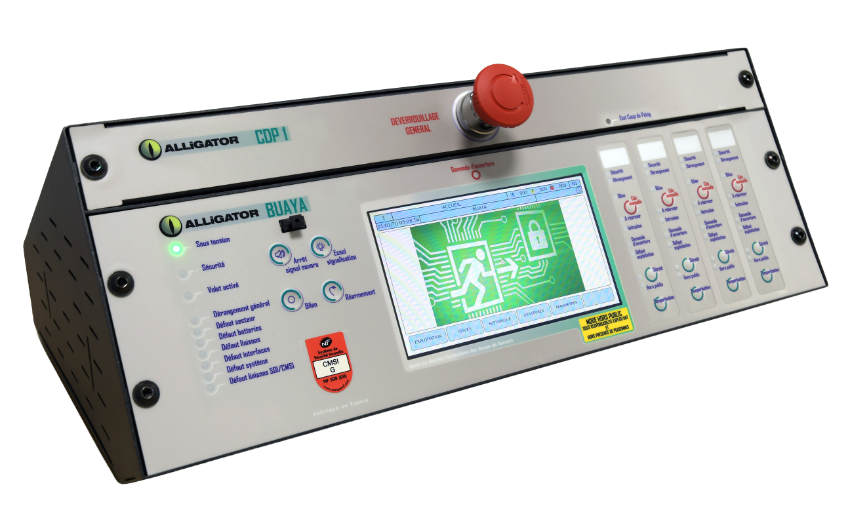
The DS3010 also stands out, not just as a new product but as a reference point for the market: it is currently one of the only DAS locking devices to fully comply with the NF S 61-937-13 standard, a regulatory bar most competitors have yet to reach.
Both solutions reflect the same approach: innovating ahead of real safety and regulatory challenges, with one goal, making emergency exits safer.
What estimations do you have for the second half of 2026?
M.B: For the second half of 2026, we are aiming to match, and ideally exceed, the momentum of H1.
We are also focused on establishing ALLIGATOR as a recognised specialist in emergency exit security and centralised management beyond France, which we see as a key driver of growth in the coming years.
Emergency exits are something people rarely think about – until the moment they need them. At ALLIGATOR, this responsibility has shaped everything we have done for 40 years.
Our challenge today is to build on this expertise while continuing to innovate, as regulations, buildings and security needs evolve. We want to make emergency exit management safer, smarter and easier for those responsible for protecting people and property every day.
The ambition is also to take this French expertise further internationally. ALLIGATOR is a highly specialised company, and I believe that specialisation is one of our greatest strengths: we know our field, we understand the risks, and we keep innovating with one clear purpose: ensuring that emergency exits remain both secure and safe when they are needed most.