
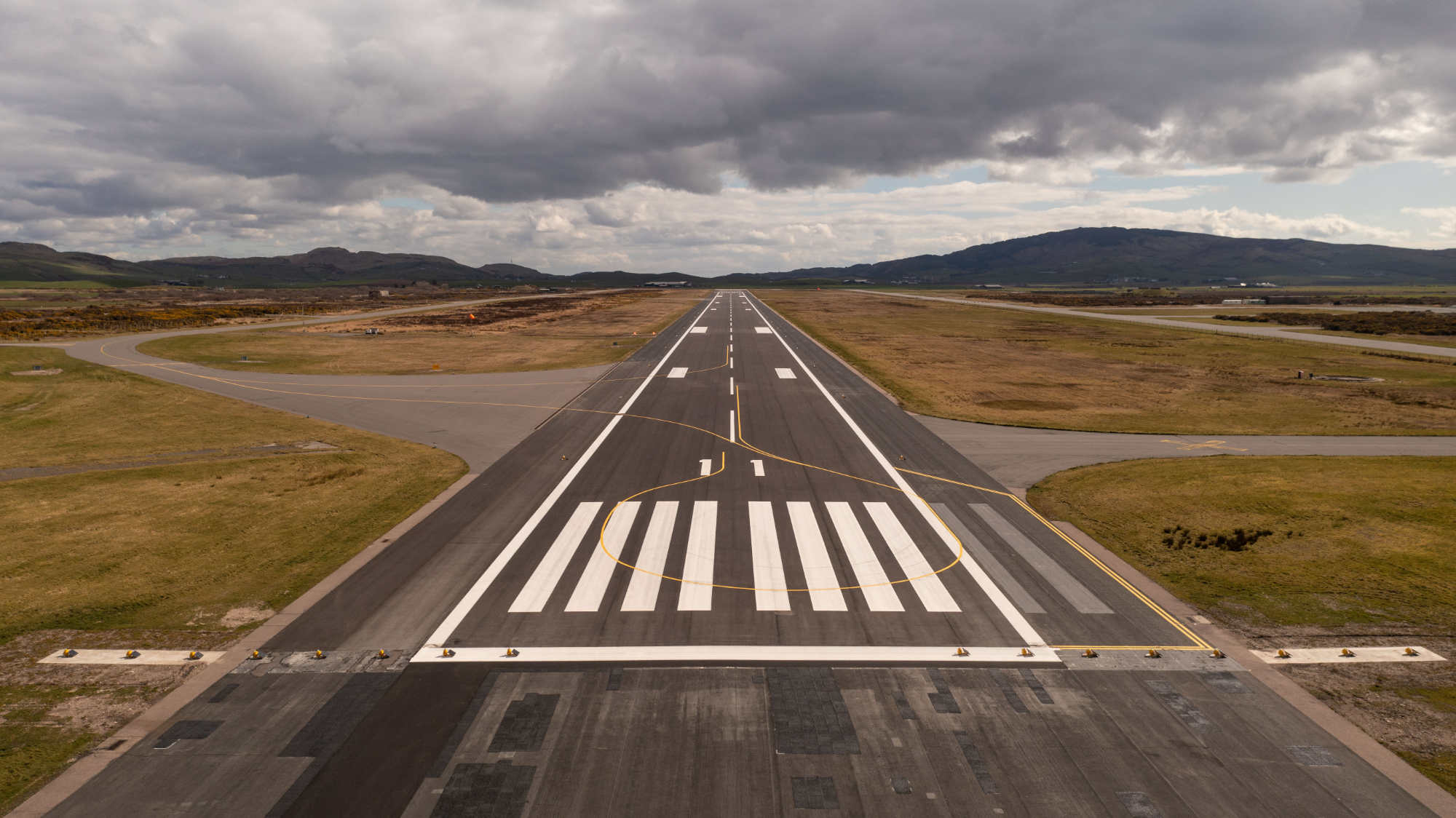
To help airport operators evaluate solar airfield ground lighting (AGL) reliability ahead of major infrastructure investments, Polish manufacturer S4GA is expanding its field trial methodology for commercial and regional airfields. S4GA designs and manufactures solar-powered runway, taxiway, and approach lighting systems equipped with integrated Airfield Lighting Control and Monitoring Systems (ALCMS). Through 60-to-90-day operational trials conducted directly on customer airfields during adverse weather and winter conditions, S4GA enables airport technical teams to evaluate real-time battery charging speeds, overnight autonomy, LED light intensity, and radio communication stability. By replacing theoretical datasheet parameters with site-specific performance data, as demonstrated in successful deployments at locations, S4GA eliminates procurement risks and proves the feasibility of off-grid solar AGL across diverse geographic climates.
When an airport is considering solar airfield lighting for the first time, what are the main uncertainties or concerns that typically make decision-makers hesitate before procurement?
The most common question is: will the system operate reliably under the specific conditions of our airport?
Airports may be concerned about whether there will be enough solar energy during winter or after several cloudy days, how the batteries will perform, whether the system will remain stable, and whether cold, heat, rain, fog, or other weather conditions could affect its operation.
What the airport really needs is confirmation that the system is suitable for its specific climate, operating schedule, and airfield conditions. This is exactly why S4GA uses field trials in real airport environments.
The winter period is particularly important. This is when airports want to know whether the system will continue to operate reliably when solar availability is at its lowest.
What can an airport realistically learn by installing and operating a solar AGL system on its own airfield before making a procurement decision?
The airport can see how the system performs in real day-to-day operations.
For example, it can observe how quickly the batteries recharge, how much the battery level drops overnight, what happens after several cloudy days, whether communication and remote control remain stable, and how easy the system is for airport staff to operate.
After a trial, the airport is no longer relying only on figures in a datasheet. It has its own operational experience and real performance data from its own airfield.
What should a meaningful field trial actually involve? Which aspects of the system and its operation should the airport observe or evaluate during the trial?
A meaningful trial is definitely not about installing a few lights, switching them on for an hour, and simply seeing whether they work.
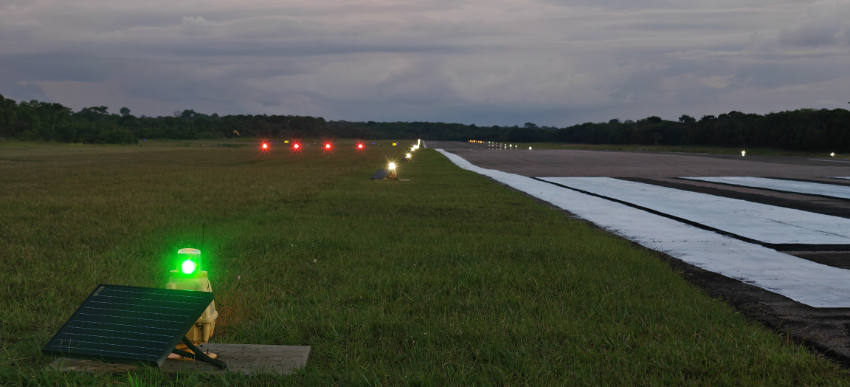
A proper trial should be as close as possible to real airport operations. The equipment is installed on the airfield, staff are trained, and the system is operated under the airport’s normal working conditions.
During the trial, the airport should observe battery charge levels, autonomy, communication stability, control functions, light intensity, and the overall condition and performance of the system.
When ALCMS is used, the airport can also monitor the status of individual lights, battery levels, temperature, alarms, faults, and other system parameters.
How long should a trial ideally run, and why is it important to evaluate the system under different weather and operating conditions rather than only under ideal conditions?
Typically, a trial should run for around two to three months. Whenever possible, it is useful to conduct the trial during the most challenging climatic period so the airport can evaluate the solar system under a worst-case scenario.
A few sunny days do not tell you very much. What really matters is understanding how the system performs over a longer period when conditions become more difficult – for example, during cloudy weather, rain, cold temperatures, or short winter days.
Different operating conditions are equally important. Airports also want to know how the system performs during intensive use.
It is one thing to operate the lighting for two hours per day. It is very different if the airport needs the system to operate for 15 or even 20 hours per day. Each airport has its own operating-hours requirement, and the trial helps determine whether the batteries can support that level of use without becoming depleted.
Which performance indicators should airport management pay attention to during a trial, and how can these be translated into practical operational or financial considerations?
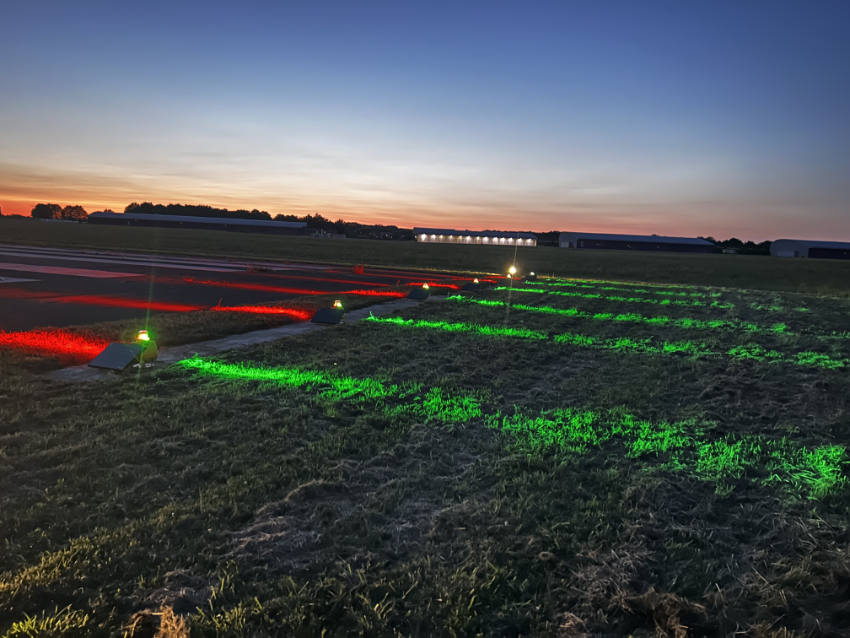
From a technical perspective, the key indicators include battery charge level, charging speed, autonomy, the number of failures, communication stability, remote-control performance, and how easy the system is for airport personnel to operate.
It is also important to understand how much attention the system requires from the maintenance team. If potential problems can be identified in advance through monitoring, this affects not only system reliability but also future maintenance costs and OPEX.
S4GA’s ALCMS, for example, allows operators to monitor the status of individual lights, identify system faults, and use this information for preventive maintenance.
However, airport management usually looks at the trial from a different perspective. The technical team is interested in the detailed operation of the system, while the Airport Manager or senior management is more interested in the overall result: did the system perform reliably, did it meet the airport’s operational requirements, and does the trial provide enough confidence to justify the investment?
For management, the value of the trial is turning technical performance into evidence that can support an investment decision.
Have field trials ever revealed issues, limitations, or requirements that would not have been obvious from a manufacturer’s specifications or presentation? If so, what kinds of things can an airport discover this way?
Yes. A good example is radio communication.
A technical datasheet may state that the communication range is around 10 kilometres. However, real airport conditions can be very different from theoretical or laboratory conditions.
For example, there may be a building, wall, hangar, or another structure between two lights that blocks or weakens the radio signal. This is something a datasheet cannot predict because it depends entirely on the layout of the individual airport.
Terrain can have the same effect. Changes in elevation, hills, or other natural obstacles can influence communication between devices. Even a relatively small terrain feature can affect signal propagation.
These issues are difficult to identify from technical documentation alone. They become clear when the equipment is physically installed on site and communication between devices is tested under real conditions.
Every airport is different, so every project can reveal its own site-specific requirements or limitations. A field trial allows these issues to be identified and addressed before the airport makes a full procurement decision.
From a procurement-risk perspective, why can testing a technology in the airport’s own operating environment be more valuable than relying exclusively on technical documentation, references, or supplier claims?
Because certificates, references, and presentations answer one question: does this technology work in general?
A field trial answers a much more important question for the decision-maker: will it work at our airport?
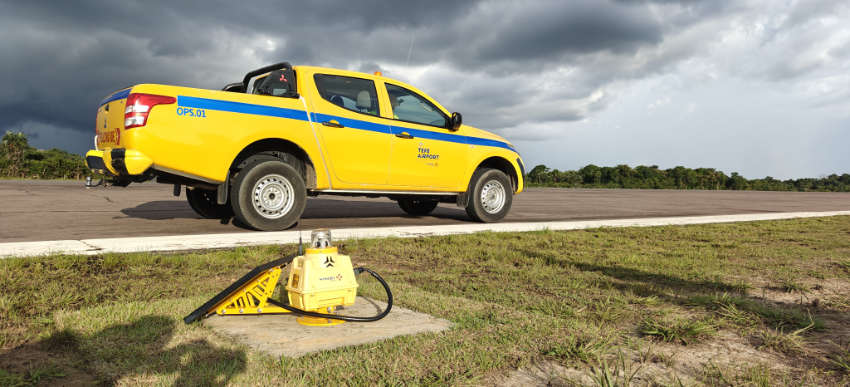
After the trial, the decision is no longer based only on the manufacturer’s claims. The airport has real data, its own operational experience, and a clear understanding of how the system performs under its specific conditions.
The main purpose of a field trial is therefore to remove uncertainty before procurement and allow the airport to make a decision based on its own evidence and experience, rather than relying only on supplier claims.