
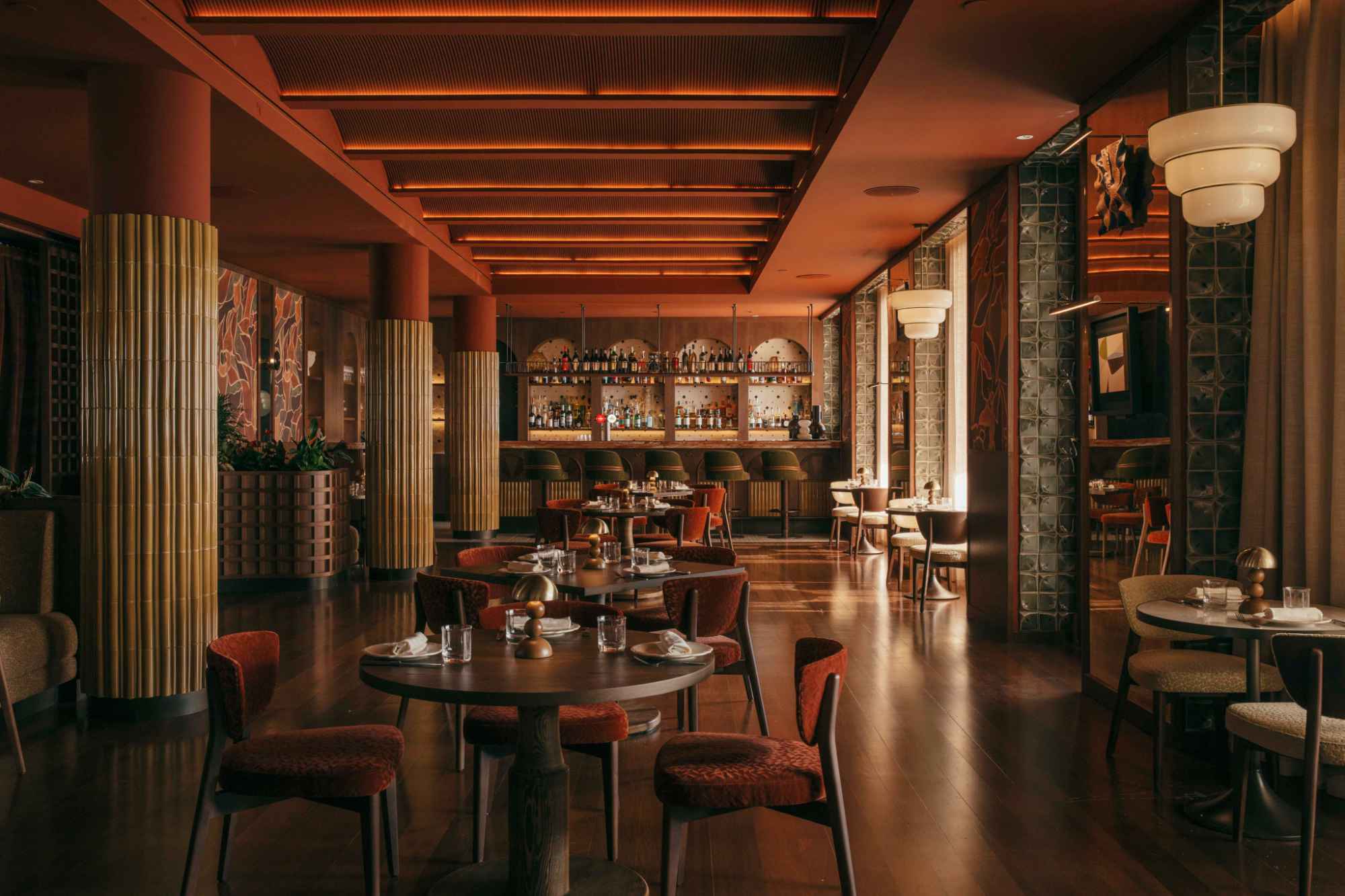
Founded in Alicante in 2017, ECOcero integrates acoustic comfort into early-stage building design using Regenerative Textile Fiber (RTF), a material developed from recycled resources. By combining decorative wall panels, suspended baffles, 3D acoustic surfaces, and integrated lighting systems with signature design collaborations, the company delivers rapid two-week turnarounds for custom spatial configurations across hospitality, workplace, retail, and public sector projects.
Irene Vigueras, Social Media Consultant at ECOcero outlines how the Spanish acoustic design brand is reshaping contemporary architecture.
A brief description of the company and its activities
Irene Vigueras: ECOcero is a Spanish acoustic design company, founded in Alicante in 2017 with a clear purpose: to change the way architecture understands acoustic conditioning.
Traditionally, acoustics has been approached as a technical requirement to be addressed once a space has already been designed. ECOcero proposes a different perspective: considering acoustics from the outset as an integral part of architecture, alongside light, colour, textures and materials.
The company designs and develops acoustic solutions using RTF (Regenerative Textile Fiber), a regenerative textile material developed from recycled resources and conceived to combine acoustic performance, design and sustainability.
What are the main areas of activity of the company?
I.V: ECOcero operates at the intersection of acoustics, architecture and design, developing solutions for walls, ceilings and spatial configuration across offices, hospitality, restaurants, retail, education and public spaces.
The company also works closely with architects, interior designers and designers, both through its collections and through bespoke solutions developed specifically for individual projects.
What’s the news about new products/services?
I.V: 2026 marks a new stage in the evolution of ECOcero’s collections, with a strong focus on signature design and an increasingly architectural approach to acoustic products.
New collaborations with leading figures from different creative disciplines are resulting in collections with distinctive languages, geometries and identities, bringing acoustics closer to the worlds of furniture, product design and art.
At the same time, ECOcero continues to expand its customisation capabilities, giving architects and interior designers greater freedom to use acoustic solutions as part of the identity of a space.
What are the ranges of products/services?
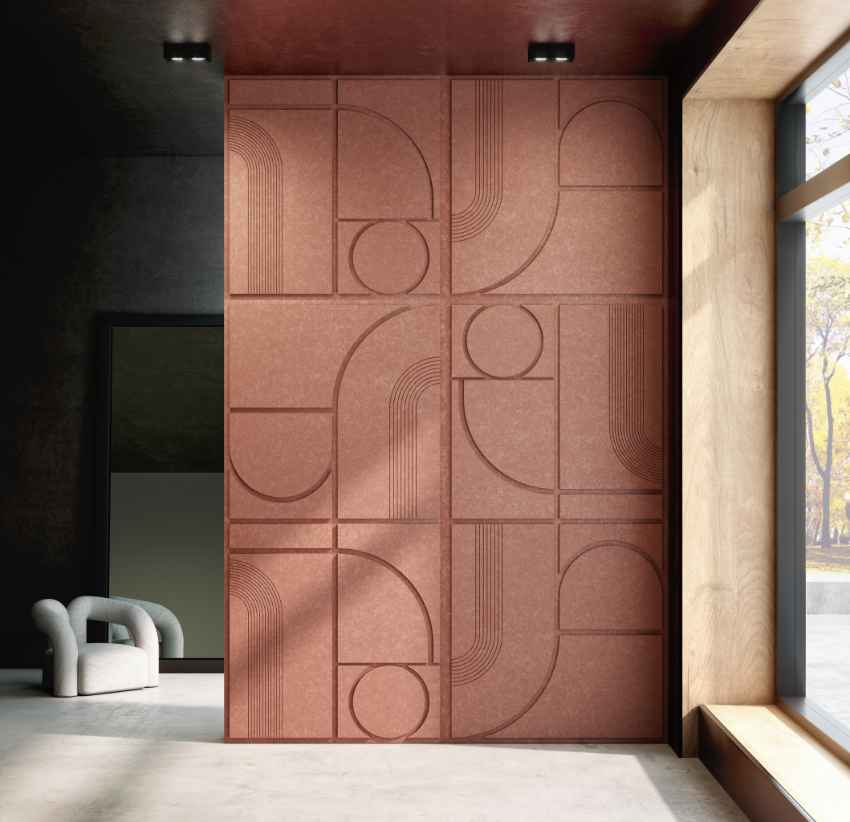
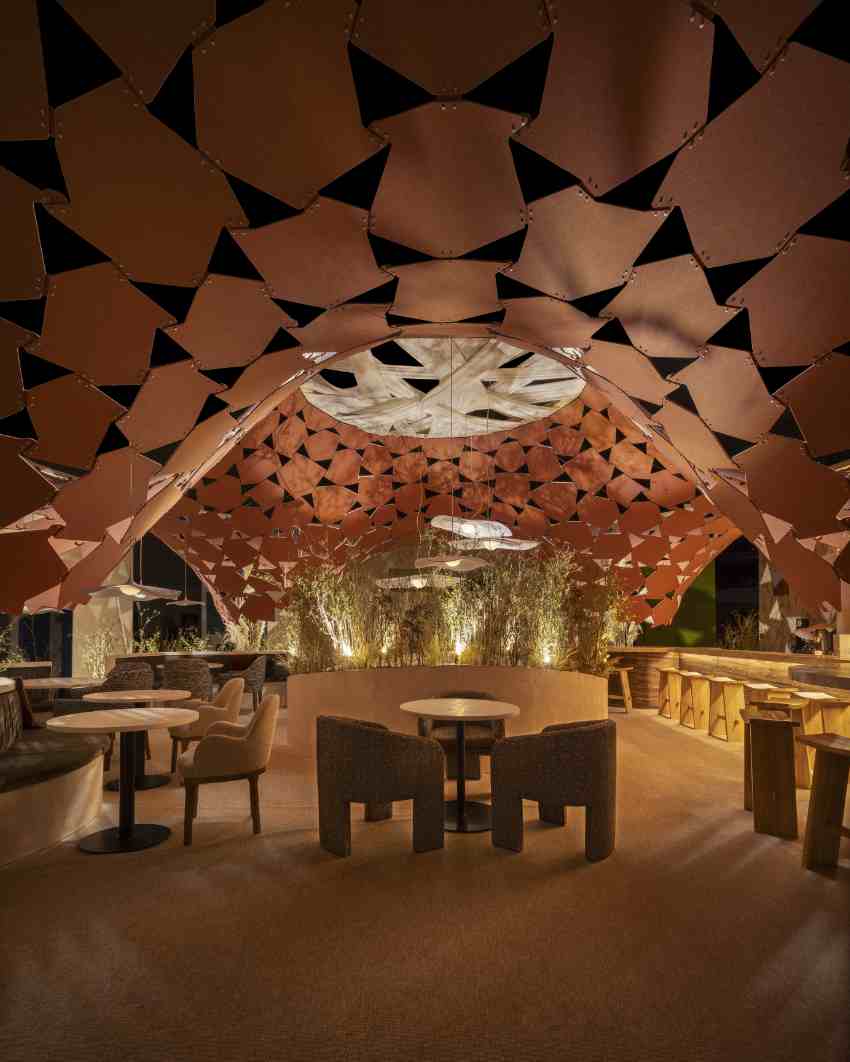
I.V: ECOcero offers a broad portfolio of solutions for walls, ceilings and spatial configuration, including decorative acoustic panels, slat systems, three-dimensional surfaces, suspended elements, baffles, acoustic islands, dividers, lighting solutions and other architectural systems.
Alongside its collections, the company offers extensive custom development capabilities. The aim is to provide professionals with tools to design with acoustics, rather than simply adding acoustic solutions once the space has already been conceived.
What is the state of the market where you are currently active?
I.V: The market is undergoing an important shift in the way acoustic comfort is understood. There is much greater awareness of how sound influences wellbeing and the way people experience a space.
As a result, acoustics is increasingly being incorporated at an earlier stage of the creative process. Architects and interior designers are looking for solutions that combine performance and aesthetics rather than treating them as separate requirements.
For ECOcero, this is the most significant change: acoustics is becoming part of the design conversation.
What can you tell us about market trends?
I.V: Architecture and interior design are moving towards spaces that are more human, flexible and sensory, with growing attention to wellbeing, material provenance and environmental impact.
Within this context, RTF (Regenerative Textile Fiber) reflects a new approach to acoustic design by integrating engineering, design and sustainability within a single material solution.
Customisation is another important trend. Professionals increasingly want solutions that can adapt to the identity of each project through colour, geometry, texture and volume.
What are the most innovative products/services marketed?
I.V: At ECOcero, innovation is not only about developing new products, but also about making acoustic design easier to specify and integrate into a project.
The company has a specialised technical department that supports architects and interior designers, advising them on the most suitable solutions for each space. This is complemented by extensive customisation capabilities, allowing dimensions, colours, shapes and configurations to be adapted to individual projects.
Agility is another key factor. ECOcero offers delivery times of approximately two weeks for its standard solutions, while its systems are designed to be simple, quick and clean to install, both in new-build projects and existing spaces.
This service is supported by a constantly evolving portfolio of solutions for walls, ceilings, lighting and spatial configuration. For ECOcero, innovation means combining design, performance, service and ease of implementation.
What estimations do you have for the second half of 2026?
I.V: During the second half of 2026, ECOcero will continue to strengthen its international presence and its relationship with the architecture and design community.
The company will continue developing new collections, collaborations and projects, particularly in markets where awareness of design, sustainability and acoustic wellbeing is growing.
The ambition remains the same as when ECOcero was founded: to transform a traditionally technical discipline into a creative tool and contribute to changing the way contemporary architecture understands acoustics.