
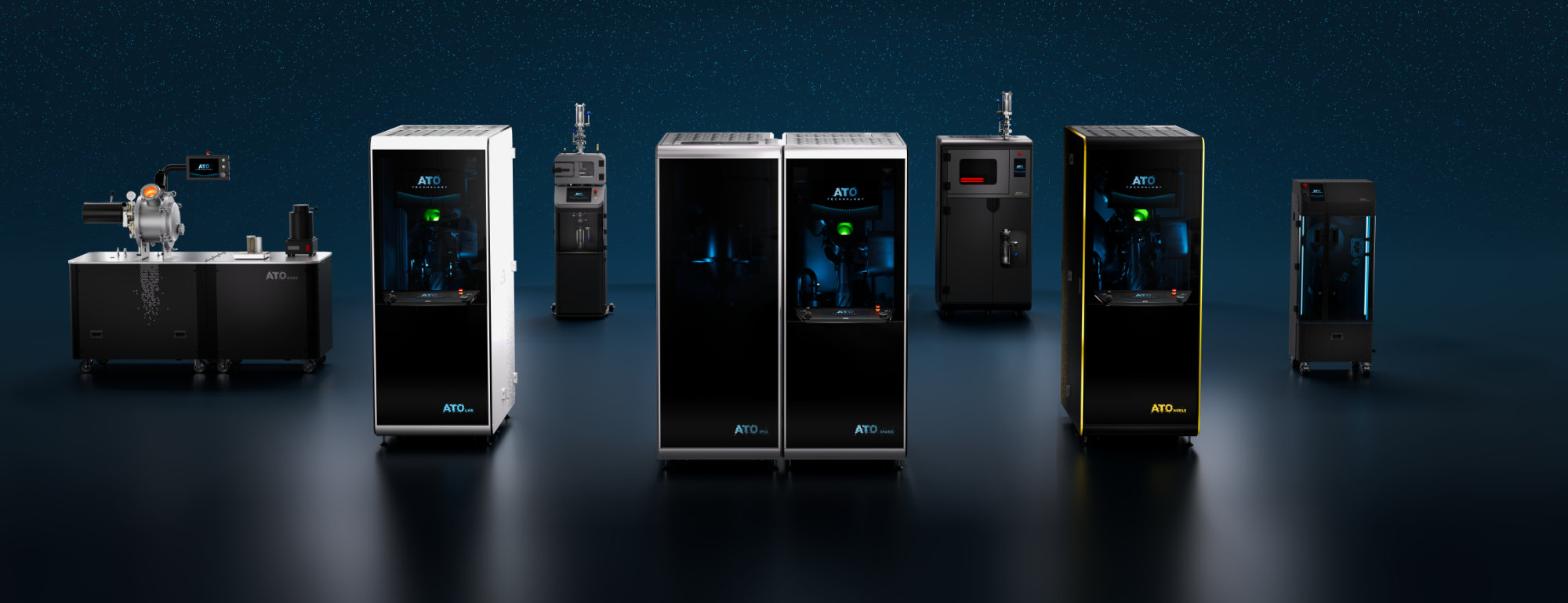
3D Lab develops ATO – ultrasonic metal atomization systems that enable organizations to produce high-quality metal powders directly at their own facilities. Used by research institutions, industrial manufacturers and technology developers worldwide, the company’s solutions support additive manufacturing, advanced materials development and strategic supply chain initiatives. We spoke with Jakub Rozpendowski, Founder of 3D Lab Company, about the growing importance of metal powder production and the role it plays in driving industrial innovation.
Interview with Jakub Rozpendowski, Founder and Business Executive at 3D Lab.
Driving industrial innovation. How do your solutions create real impact for customers?
Jakub Rozpendowski: At 3D Lab, we believe that innovation should deliver measurable value. For industrial companies, research organizations and technology developers, one of the biggest challenges is gaining access to the materials needed to develop and validate new products. Long supply chains, limited powder availability and lengthy procurement processes can significantly slow innovation or even make certain development projects impossible to pursue.
Our ultrasonic metal powder atomization technology addresses these challenges by enabling organizations to establish their own metal powder production capability and manufacture high-quality spherical metal powders directly at their facilities. This gives customers greater control over material development, reduces dependence on external suppliers and accelerates decision-making throughout the development process.
The impact is particularly visible in additive manufacturing and advanced materials development. Customers can test new alloys faster, optimize powder properties, perform powder characterization and move from concept to validation in a significantly shorter timeframe. Ultimately, our solutions help organizations innovate faster, reduce risk and strengthen their technological independence.
What challenges are currently limiting innovation in metal powder production and advanced manufacturing?
J.R: Today, innovation is often constrained not by a lack of ideas, but by access to resources and development capabilities. Many companies depend on external suppliers for metal powders, which can lead to long lead times, supply chain uncertainty and limited flexibility when developing new materials.
Another challenge is the development of new materials and proprietary alloys. Traditional atomization methods, such as gas atomization, are typically optimized for large-scale production and often require significant quantities of material to operate efficiently. This can create a barrier for organizations working on new alloys, experimental materials or early-stage R&D projects.
Ultrasonic metal atomization offers a different approach. Because the process can operate with much smaller material volumes, customers can quickly evaluate new alloy compositions, validate concepts and accelerate material development without the costs and limitations associated with large-scale production technologies.
At the same time, industries such as aerospace, defense, energy and additive manufacturing are under increasing pressure to shorten development cycles and bring new technologies to market faster. Organizations need solutions that allow them to respond quickly, adapt to changing requirements and maintain greater control over strategic materials.
How does ultrasonic metal atomization improve metal powder production and material development?
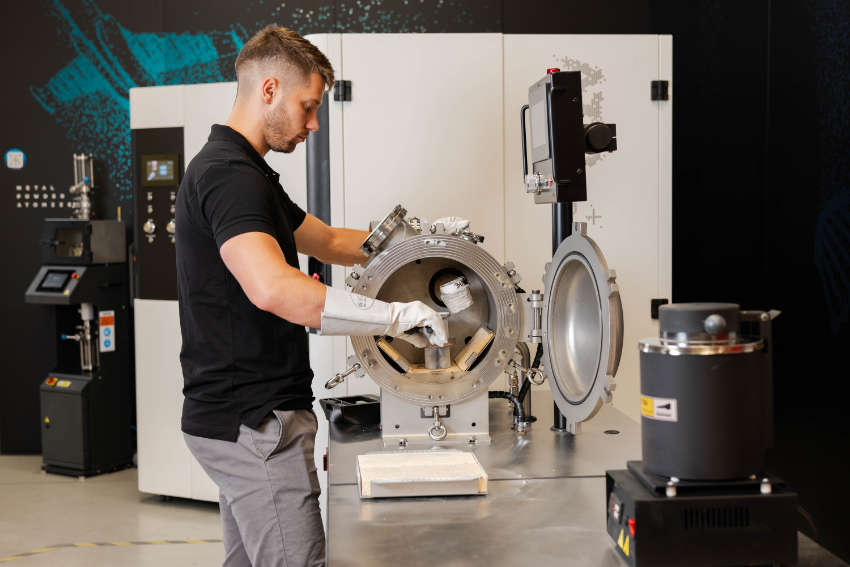
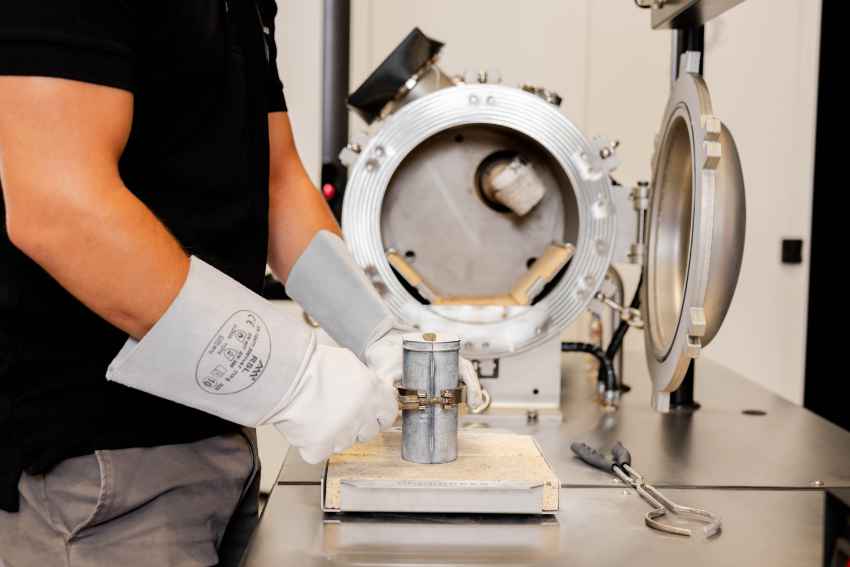
J.R: Ultrasonic metal atomization provides organizations with a flexible and efficient way to produce high-quality spherical metal powders for additive manufacturing, materials research and advanced industrial applications.
One of the key advantages of the technology is flexibility. Customers can produce powders from a wide range of materials while maintaining control over process parameters and material development. This allows them to evaluate new alloys, optimize powder characteristics and accelerate research activities without relying on external partners.
Beyond flexibility, powder quality is another key advantage. The production of highly spherical metal powders with excellent flowability directly impacts the quality and consistency of additively manufactured components. This is particularly important in industries such as dental manufacturing, jewelry production, aerospace, defense, medical devices, advanced materials development, energy and additive manufacturing, where powder quality directly impacts the quality, mechanical properties and reliability of the final product. These are just a few examples, as high-quality spherical metal powders are increasingly required across a wide range of industrial applications.
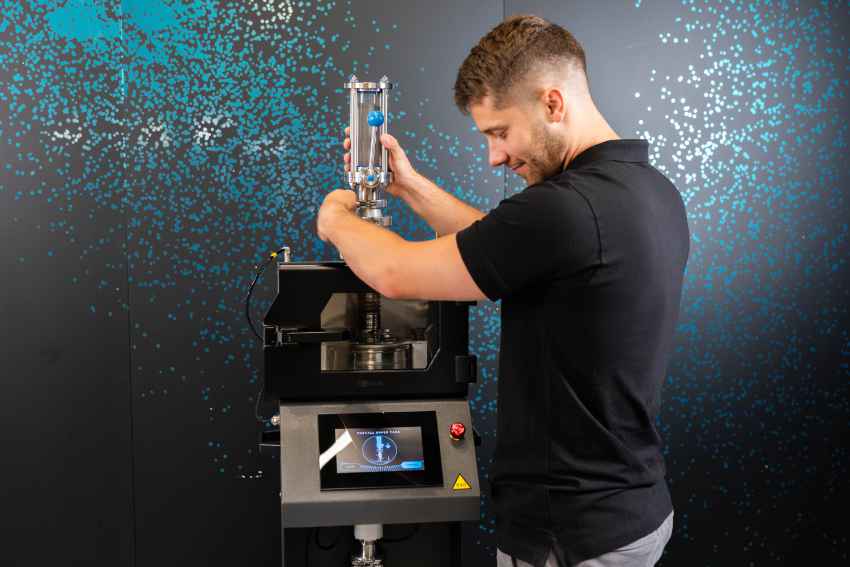
The operational requirements are also significantly different from traditional atomization systems. Our technology can be operated by a single trained operator and does not require continuous supervision throughout the entire production cycle. This reduces operational complexity while making powder production more accessible to organizations that do not have large production teams.
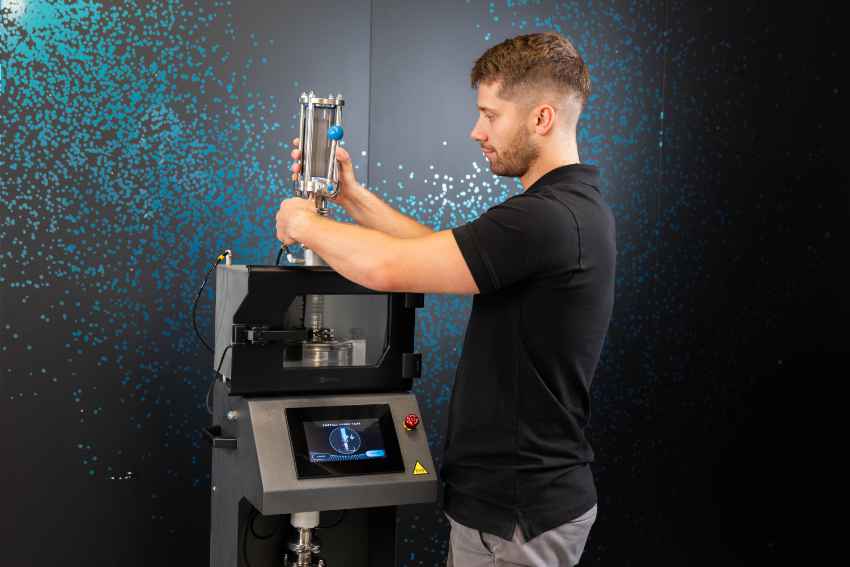
Furthermore, the entire powder production workflow can be deployed in a compact and highly mobile configuration. Unlike other large size atomization facilities that typically require permanent installations, our systems can operate directly at the point of use. The complete workflow can be integrated into a relatively small footprint, including containerized solutions, enabling powder production wherever it is needed. This creates new opportunities for localized production, accelerated material development and strategic manufacturing.
By bringing powder production closer to the point of use, organizations can significantly reduce development timelines and gain greater agility. Instead of waiting weeks or months for externally produced powder, they can rapidly test, improve and validate materials as part of an ongoing development process.
Why are more organizations investing in local and in-house metal powder manufacturing?
J.R: Over the past years, companies around the world have become increasingly aware of the risks associated with complex global supply chains. Access to critical materials has become an important strategic consideration, particularly in sectors where technological independence and supply security are essential.
Local and in-house powder production provides organizations with greater flexibility and resilience. It allows them to secure access to materials, reduce reliance on external suppliers and maintain better control over intellectual property related to material development.
For many customers, this approach is not only about operational efficiency. It is also about creating long-term capabilities that support innovation and competitiveness. The ability to develop, test and produce materials internally can become a significant advantage in rapidly evolving markets.
How do you see the future of metal powder production for additive manufacturing and advanced materials?
J.R: We believe advanced materials will play a central role in the future of manufacturing. Whether in additive manufacturing, aerospace, defense or energy, organizations are constantly searching for materials that deliver improved performance, efficiency and new technological possibilities.
As innovation accelerates, companies will require faster access to materials and more flexible development processes. This will drive growing interest in technologies that support localized production, rapid material qualification and greater control over manufacturing workflows.
At 3D Lab, we see ultrasonic metal atomization as an important part of this transformation. Our goal is to help organizations build stronger material capabilities, accelerate innovation and reduce barriers between ideas and implementation. The companies that succeed in the future will be those that can develop, validate and deploy new materials quickly, efficiently and independently.