
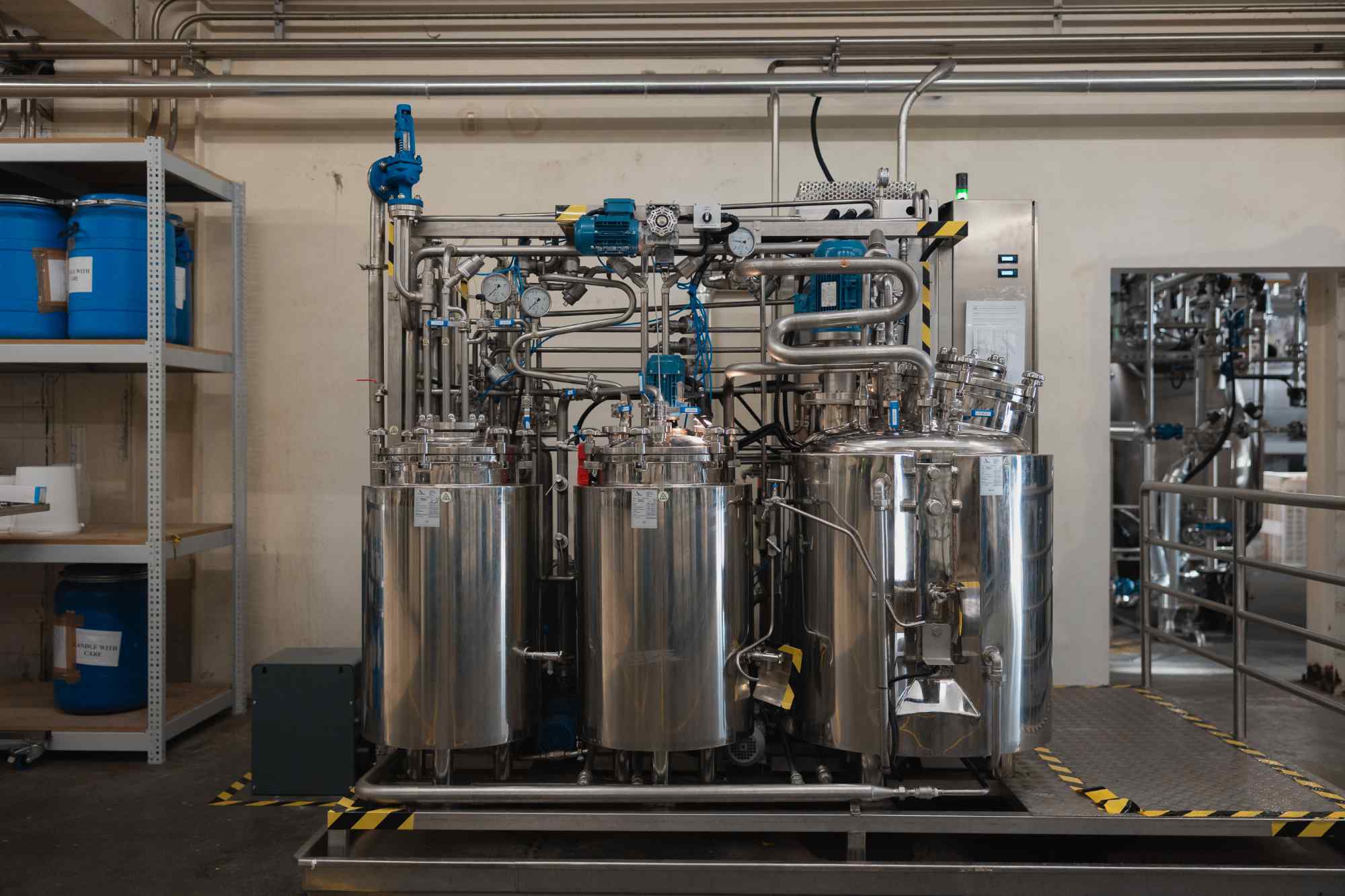
ATB – Acabamentos Têxteis de Barcelos, founded in 1985 and based in Portugal’s leading textile cluster, is one of Europe’s largest textile dyeing and finishing companies, serving apparel, automotive, sports, and technical textiles markets. Alongside conventional finishing processes, ATB is developing low-impact dyeing through bacteriological fermentation, a water-reduction process in collaboration with the University of Coimbra, and a textile innovation centre built on open and cross-innovation partnerships with fibre suppliers, start-ups, and universities. The company made its debut as an exhibitor at Techtextil in 2025, marking its entry into technical and industrial textile markets.
A brief description of the company and its activities.
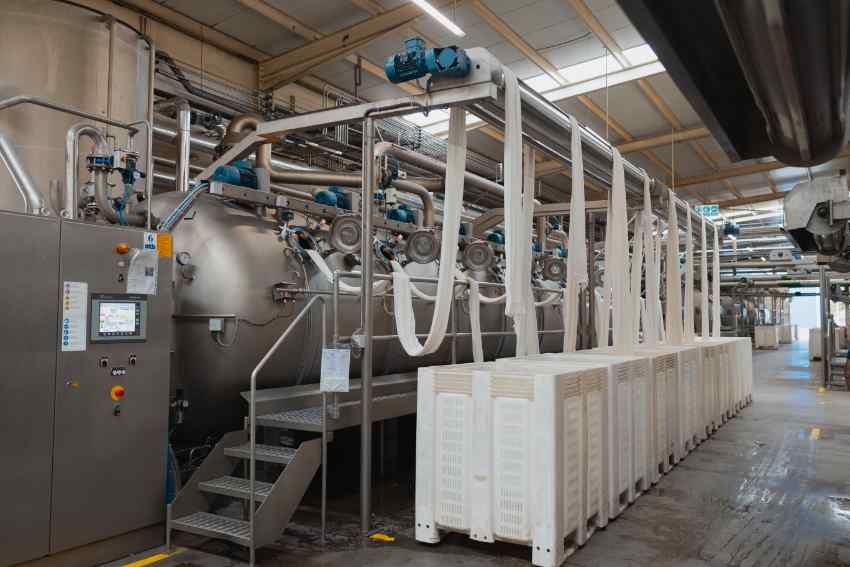
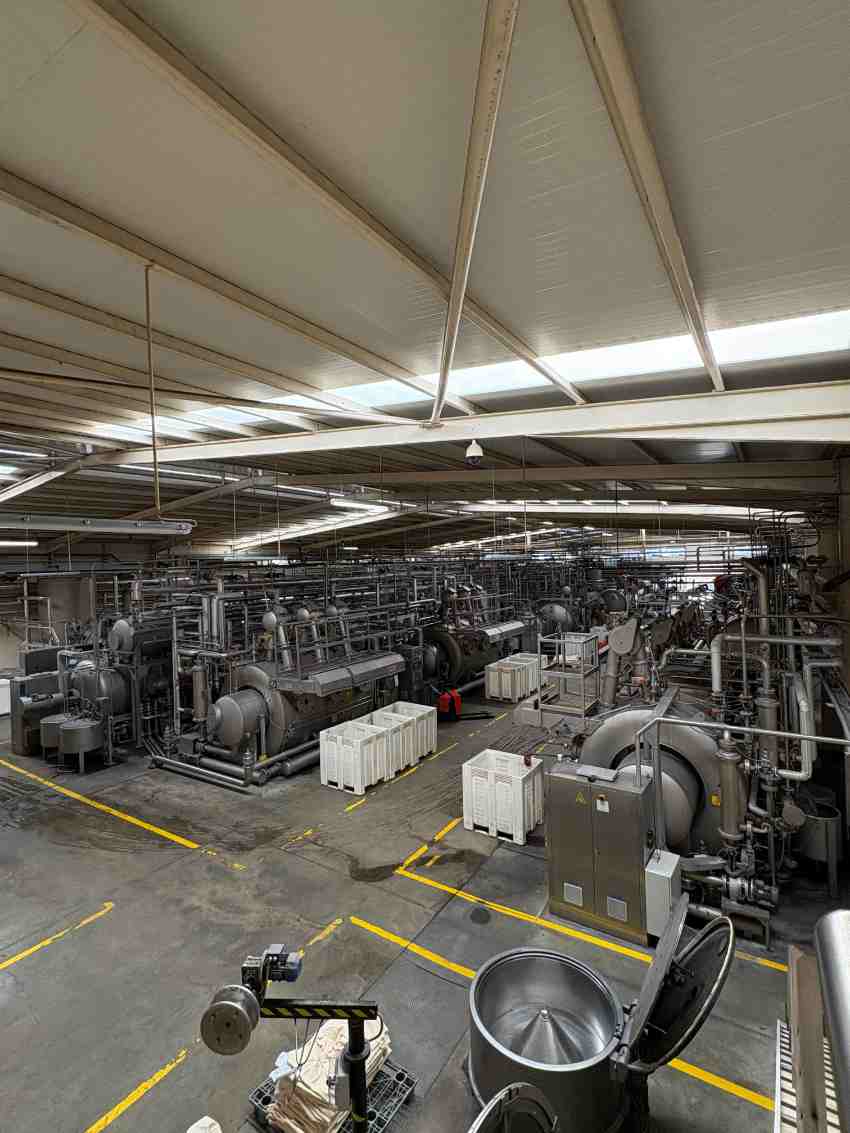
ATB – Acabamentos Têxteis de Barcelos is a Portuguese company specialized in textile dyeing and finishing, based in Barcelos, at the heart of one of Europe’s leading textile clusters. Founded in 1985, it is currently one of Europe’s largest textile dyeing and finishing companies. Our business focuses on the finishing of woven and knitted fabrics, primarily for the clothing and fashion sectors, combining traditional dyeing and finishing processes with an ever-increasing investment in more sustainable and technologically advanced solutions. We currently have a team of 150 employees and serve customers in Portugal and across various European markets. We also have a circular knit weaving company within our group of companies, Etevimol, which enables us to operate as a fully integrated business in this sub-sector.
What are the main areas of activity of the company?
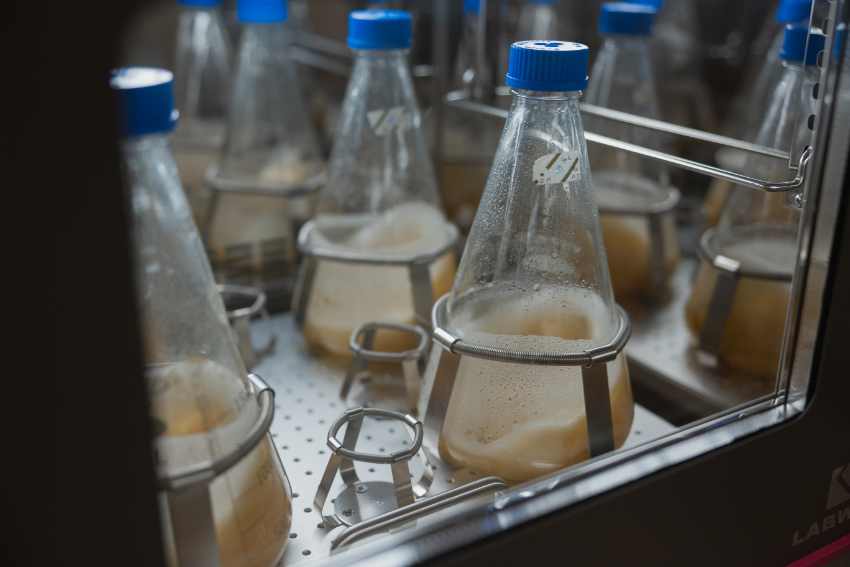
Our main areas of activity include the dyeing and finishing of woven and knitted fabrics, as well as the development of functional finishes (waterproofing, antibacterial treatments, reduced maintenance requirements, amongst others) and, more recently, the development of dyeing and finishing processes with a lower environmental impact through bacteriological fermentation, which enables us to consume fewer resources, such as water and energy, whilst reducing processing time. At the same time, we have been establishing a dedicated department for innovation and sustainability, which involves collaboration with fibre suppliers, start-ups, research centres and various European universities.
What’s the news about new products/services?
One of the most significant milestones in recent months was our first participation, as exhibitors, at a leading international trade fair in the technical textiles sector – Techtextil. It was the first time in the company’s history that ATB had attended this type of event as an exhibitor, which reflects the position we have been building as an innovation partner for our clients, and not merely as a provider of textile finishing services and solutions. Our objective was to introduce ourselves to a new sector as a company with the expertise and capacity to serve new markets such as the automotive sector and technical knitted fabrics for a range of applications, from industrial use to the medical field. At the same time, we are developing a textile innovation centre, based on a model of open and cross-innovation, which will enable us to accelerate the development of new solutions in collaboration with external partners. This will help us strengthen our market position, ensuring that we are seen not only as the market leader but also as the most innovative player. We would describe ourselves as the experts in solving difficult problems relating to new fibres, fabrics, knits, etc.
What are the ranges of products/services?
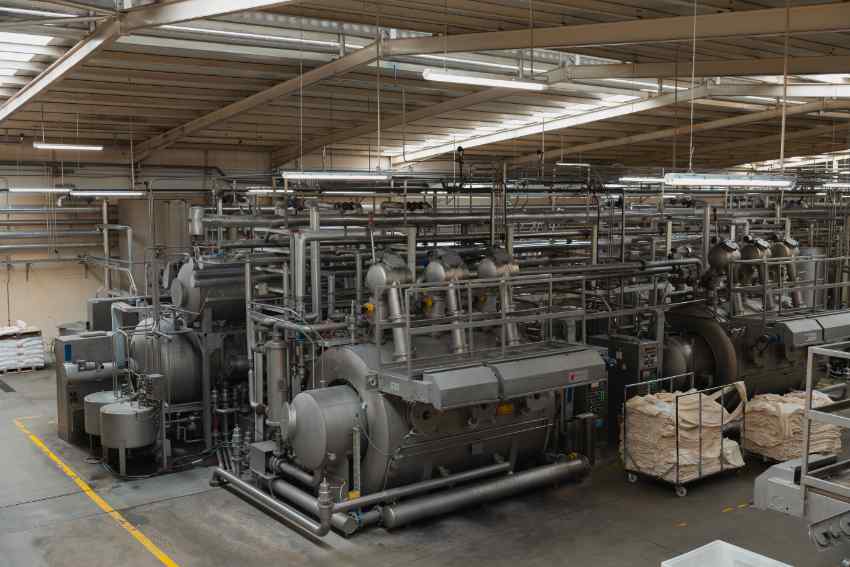
Our portfolio of finishing services ranges from conventional dyeing and finishing processes to more advanced solutions, such as functional finishes, finishes that use less water and energy, and, coming soon, processes related to the chemical recycling of textile fibres, through the partnerships we are establishing as part of our innovation centre. We work across the apparel sector as well as the automotive, sports and technical textiles sectors. We also supply knitted fabrics fabrics that are already dyed by us, finished and ready for use by the textile industry, particularly the ready-to-wear sector, which accounts for a large proportion of our turnover. It is with this approach that we aim to enter new markets and business areas.
What is the state of the market where you are currently active?
The textile finishing market is currently facing a period of great challenges and, at the same time, great opportunities. On the one hand, there is growing regulatory pressure at European level. Consider, for example, the requirements associated with the Green Deal, the extension of producer responsibility to textiles, or the future mandatory introduction of the digital product passport, which is forcing the entire value chain to rethink its processes. Another challenge is the decarbonisation of the sector, not only in terms of the raw materials we could use but also in its processes, which poses an additional challenge in terms of competitiveness because all of this is reflected in the market price. This decarbonisation is taking place at an accelerated pace given the energy costs, which rose significantly in the first half of the year as a result of all the geopolitical conflicts we are currently experiencing. On the other hand, although there has been a significant fall in demand due to a variety of factors, we are seeing renewed interest from European brands in bringing production closer to home, which benefits companies like ATB, which are based in Portugal and offer rapid response times and local presence.
What can you tell us about market trends?
The major trends we have identified include circularity – notably through the mechanical and chemical recycling of fibres – a drastic reduction in water consumption in dyeing processes (such as the Dyeloop process we are developing in collaboration with the University of Coimbra) – as well as the use of dyes from more sustainable sources and the increasing digitalisation and traceability of the entire production process. There is also a growing demand for a transparent supply chain, with customers increasingly demanding information about the environmental impact of each item they produce/order. And although we know our suppliers well, the supply chain is very long.
What are the most innovative products/services marketed?
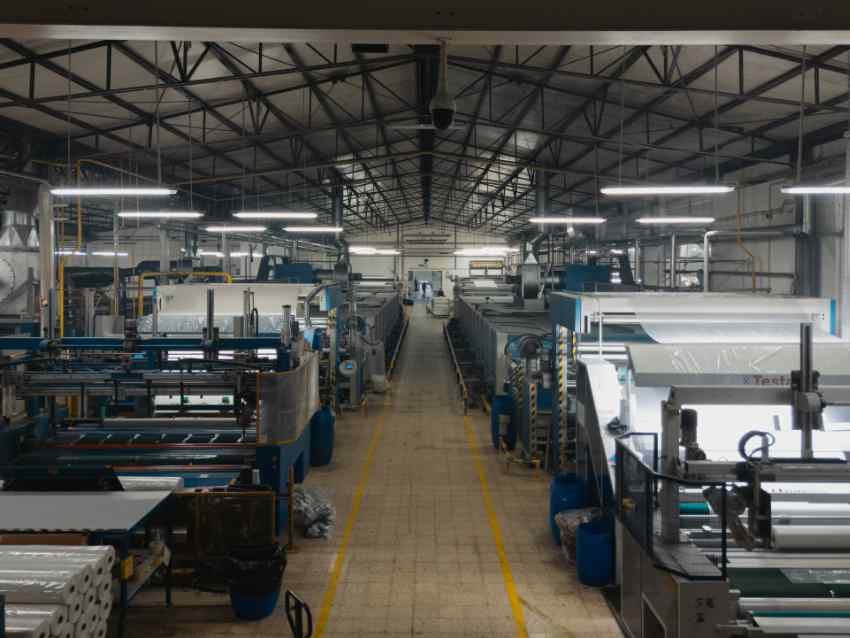
I would say that our greatest innovation at the moment is not a single product, but rather the concept or model we are building: a textile innovation centre based on open and cross-innovation, which connects us with fibre suppliers, start-ups developing new dyes, companies and universities working on dyeing processes with no impact (or significantly reduced impact) and start-ups specialising in chemical recycling. It is through these collaborations that we have been testing and introducing new finishing processes with a much smaller environmental footprint than that of conventional processes.
What estimations do you have for the second half of 2026?
For the second half of 2026, our main objective is to consolidate the business volume we have achieved in recent years, as well as our textile innovation centre, and to turn the contacts we made at Techtextil into effective partnerships for joint development. This is because we also develop long-term partnerships with our customers, working to meet their needs and help them overcome the major challenges they usually face. We also hope to expand our range of sustainable finishes for European customers and continue to invest in reducing the environmental impact of our production processes. And, above all, to demonstrate that it is possible to operate with a lower environmental impact.