
As infrastructure projects grow in complexity, the ability to design systems where every component communicates reliably has become more valuable than the performance of any individual technology. Andrei Iacobiță, Managing Director of IESYS, a systems integration company with experience in airports, road infrastructure, and industrial automation, discusses how the industry is shifting from equipment optimization to system architecture design, and why interoperability, not technology choice, is the defining challenge of modern critical infrastructure projects.
What is the biggest industry shift you see right now?
I believe the most significant shift is that infrastructure is no longer designed as a collection of individual technologies, but as an integrated system.
A few years ago, discussions focused on selecting the best-performing equipment. Today, the real question is how all these technologies will communicate with one another and how the entire system will perform—not only on the day it is commissioned, but also ten or twenty years later, as operational requirements become increasingly complex.
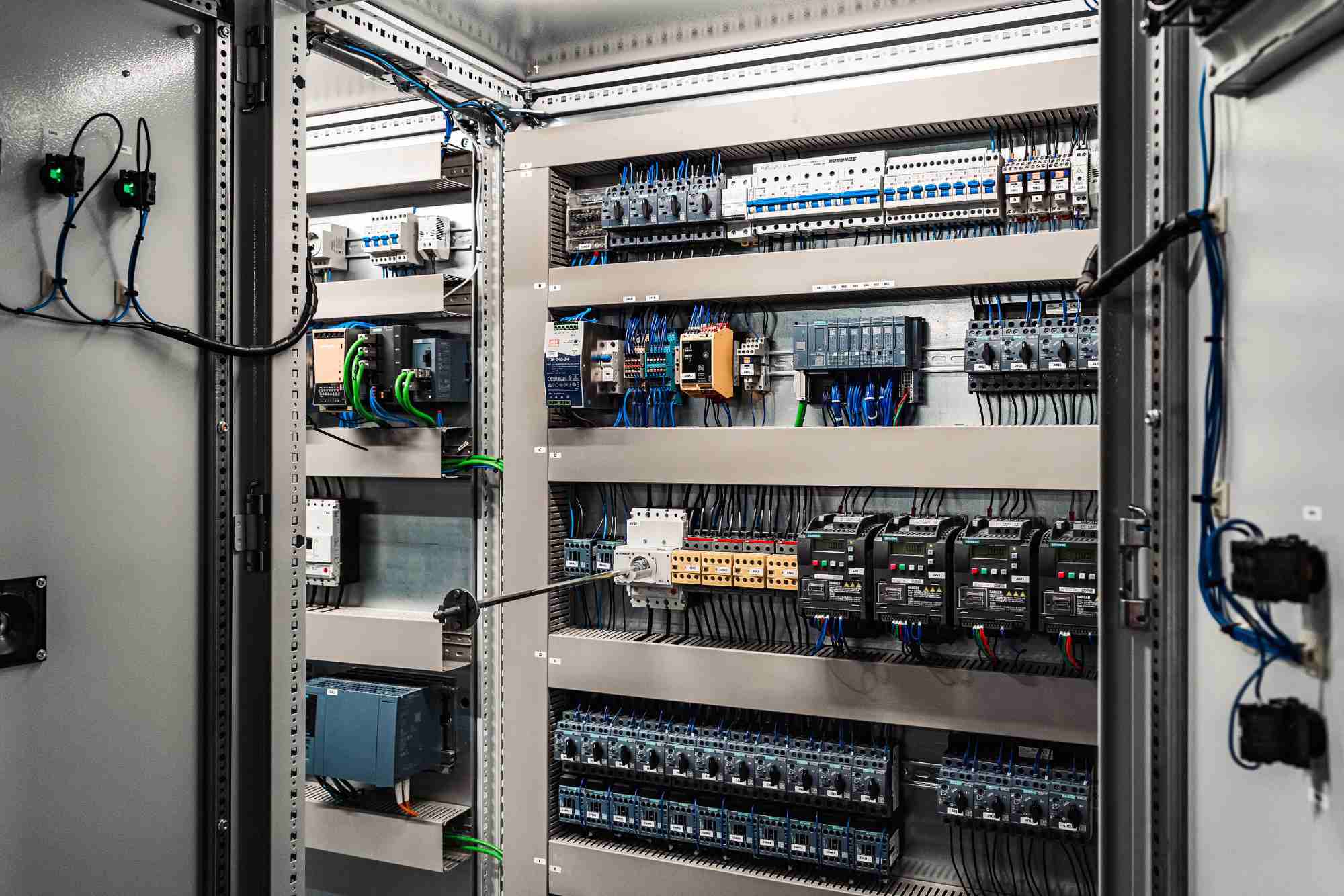
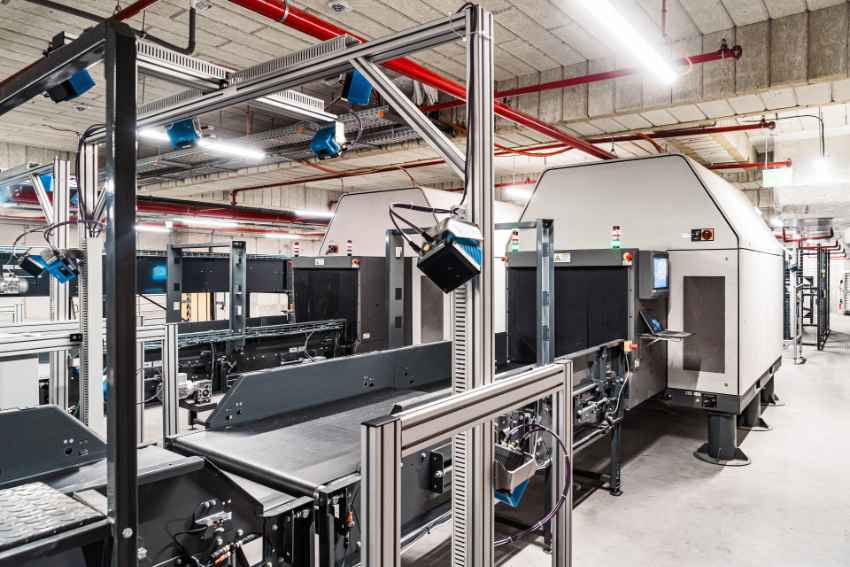
Take airports, for example. A baggage handling system is much more than conveyors. It combines control logic, security screening systems, airport operational applications, SCADA, and dozens of interfaces that must operate as one synchronized environment. The same principle applies to road infrastructure and industrial automation.
In my opinion, the real industry shift is moving from optimizing individual equipment to optimizing the performance of the entire system architecture. In critical infrastructure, value is not created by the best individual component, but by the ability of all components to operate together in a predictable and reliable way.
How does this shift create opportunities for companies?
As systems become more complex, systems integration engineering becomes increasingly important.
Today, delivering a high-quality product is no longer enough. The process must start by understanding the operational challenges that automation is expected to solve, followed by designing the system architecture and evaluating how every engineering decision will impact long-term operational availability.
From our experience, clients are looking for partners who reduce technical risk throughout the project.
The greatest risks rarely come from equipment performance. They arise when interfaces between systems are not designed properly or when integration is treated as the final step instead of being considered from the earliest design stages.
I believe this is the opportunity for engineering companies: not simply to supply technology, but to design integrated systems that remain reliable throughout the entire lifecycle of the investment.
What is the biggest challenge the industry is facing today?
Interestingly, the challenge is not technology itself. We already have access to highly advanced equipment and software platforms. The real challenge is interoperability.
Almost every major project involves technologies from different manufacturers, different communication standards, and different operational requirements. The role of engineering is to transform this diversity into one coherent system without weak points and without compromising operational availability.
From my perspective, commissioning is where engineering is truly validated. Documentation can demonstrate that a solution is technically correct, but real operation proves whether the system architecture is robust enough for everyday conditions.
Which technology has the greatest impact today: AI, automation, or systems integration?
I don’t see them as competing technologies.
Automation controls processes. Systems integration enables communication between systems.
Artificial intelligence can extract value from the data generated by that infrastructure. If one of these layers is missing, the overall system becomes less effective.
There is a great deal of attention around AI today, and understandably so, however, I believe the organizations that will benefit the most are not necessarily those that adopt AI first, but those that have already invested in robust system architectures capable of generating accurate and reliable data.
In engineering, the quality of decisions can never exceed the quality of the information behind them.
What is the biggest mistake companies make when starting a digital transformation initiative?
I think the most common mistake is treating digital transformation as an IT project, when in reality it is a business process optimization project.
The first question shouldn’t be, “Which technology should we choose?” but “How do we want our infrastructure to operate today and how should it evolve in the future?”
Only then should we select the appropriate software, equipment, and system architecture.
In our projects, we always aim to design systems that can be maintained, expanded, and modernized without disrupting ongoing operations.
Because true performance is measured not on the day of delivery, but after years of successful operation.
How does IESYS help clients respond to these changes?
Our role is to eliminate complexity before it reaches the operational stage.
We become involved from the earliest project phases, starting with requirements analysis and system design, where we define the overall architecture, evaluate interfaces between subsystems, and validate operational scenarios before the infrastructure goes into service.
For selected projects, we also use simulation during the design phase to validate the proposed solution before implementation.
Whether we are working in airports, road infrastructure, or industrial automation, the engineering principles remain the same: operational availability, interoperability, redundancy where required, and the flexibility to expand the system in the future without disrupting existing operations.
I believe this is the role of a systems integrator: transforming technical complexity into infrastructure that operates predictably and supports the client’s long-term growth.
Can you share an example of a project where technology delivered measurable value for the client?
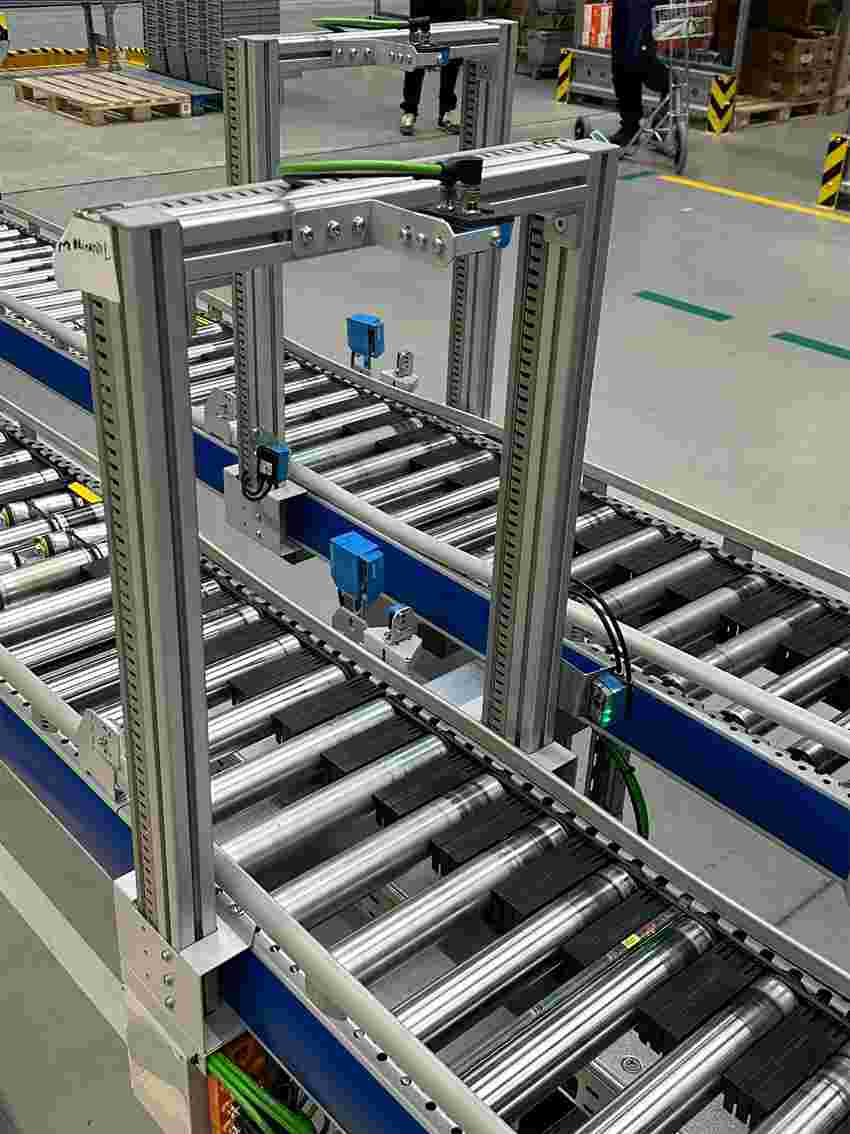
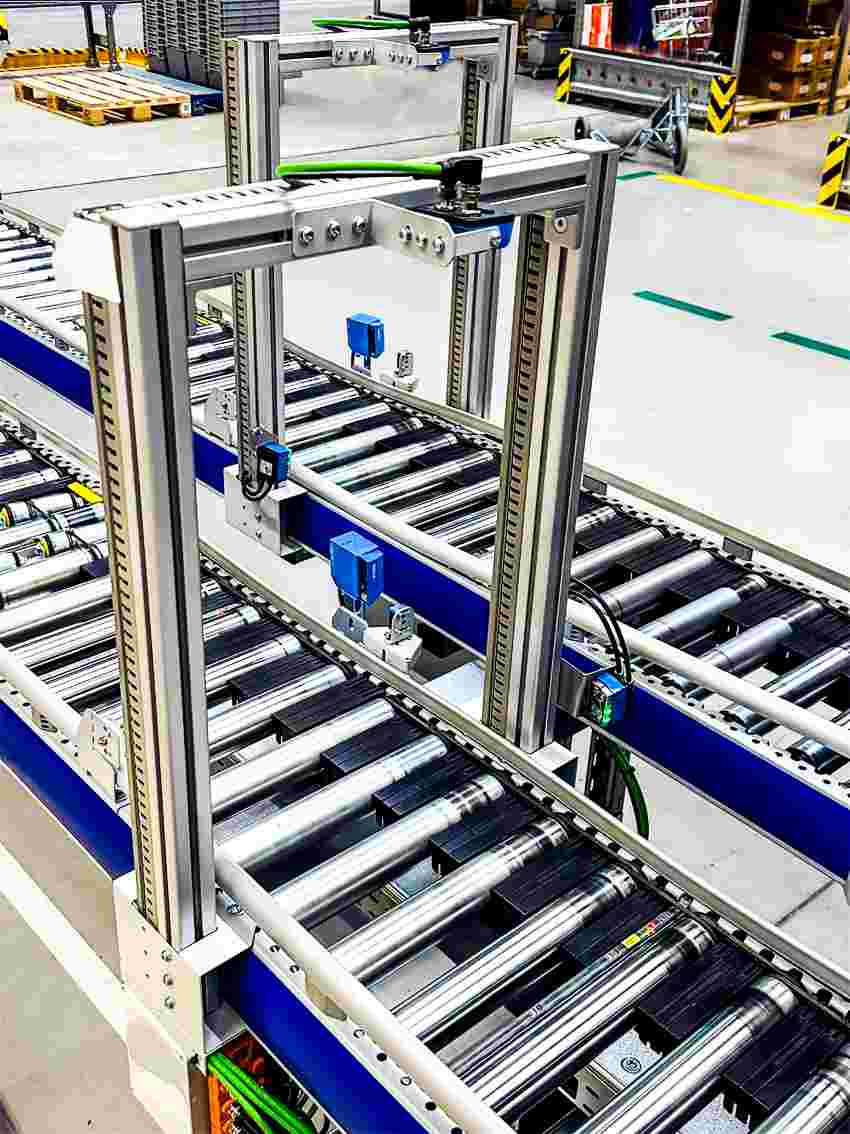
A good example is an airport baggage handling system because it clearly demonstrates what systems integration really means.
For passengers, the experience appears simple. They check in their baggage and collect it at their destination.
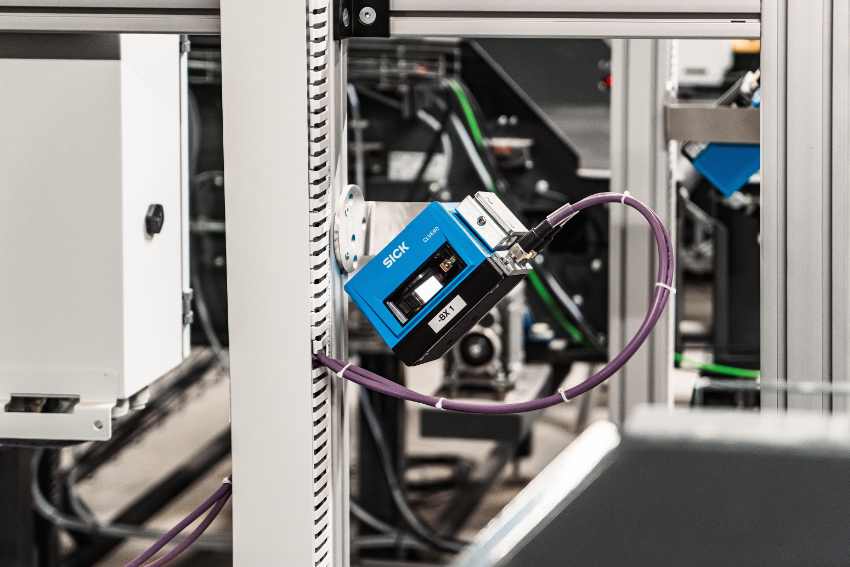
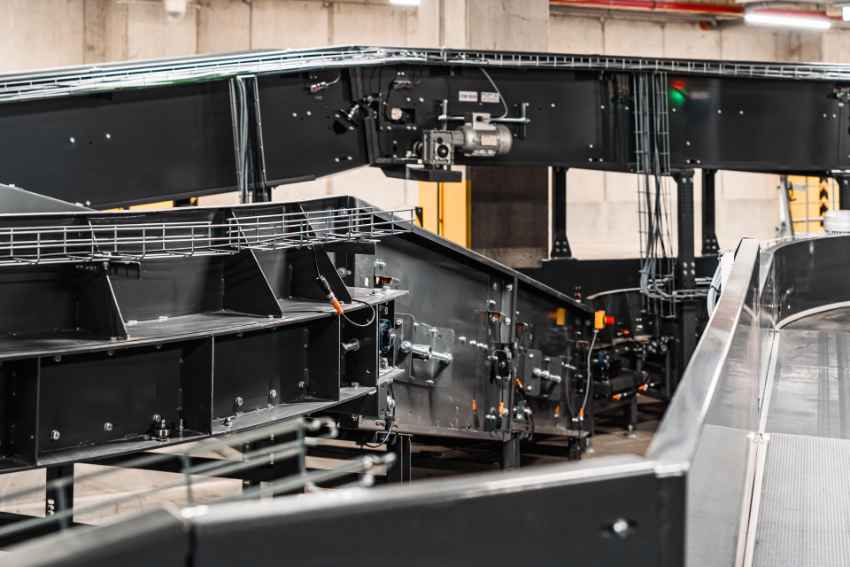
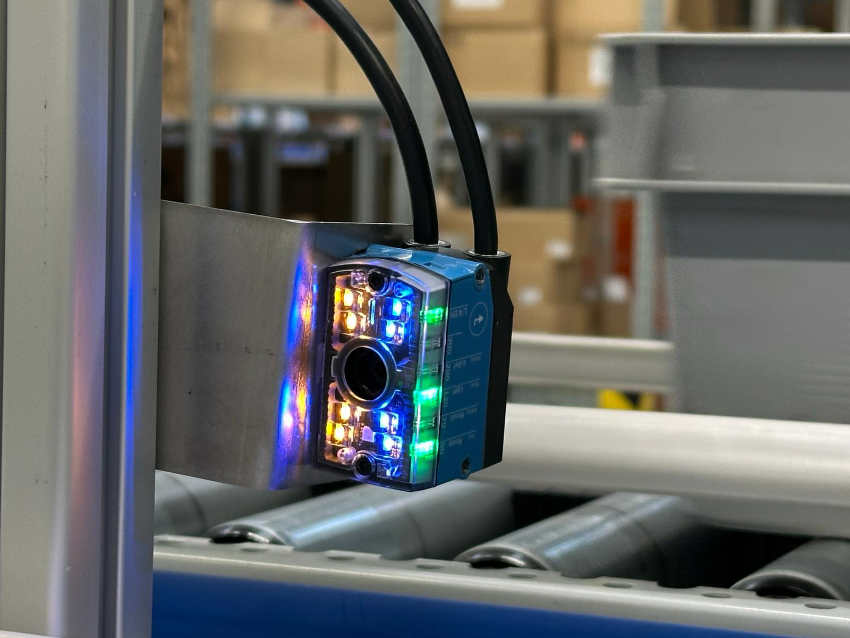
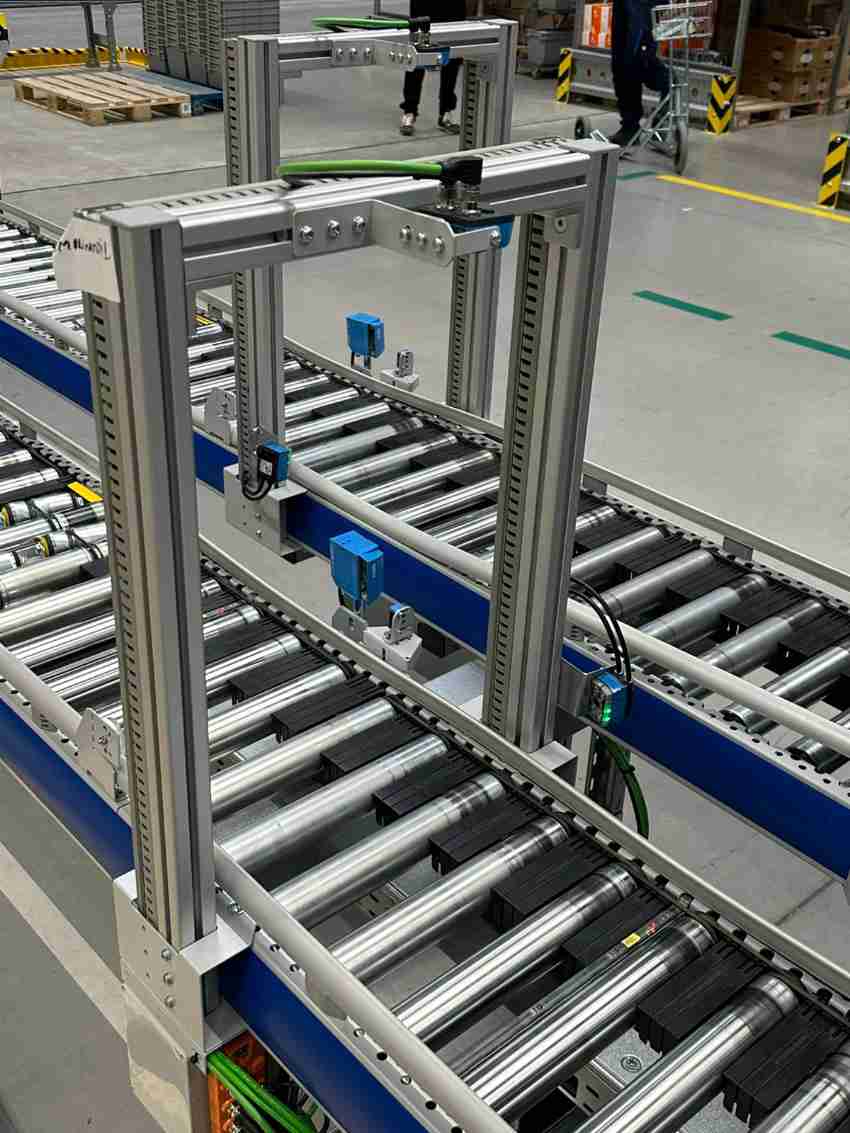
Behind the scenes, however, the process involves PLC control systems, conveyors, security screening equipment, automatic barcode readers, SCADA, airport operational systems, and sophisticated tracking mechanisms—all communicating in real time and responding correctly to every operational event.
The value is not in a faster conveyor, but in a system that maintains operational availability even during peak traffic, allowing the airport to operate safely, efficiently, and predictably. To me, that is what successful systems integration looks like.
How do you see the role of artificial intelligence in industry: as a tool or a paradigm shift?
I believe it is an important transformation, but not because it will replace engineering because It will enhance it.
AI can accelerate data analysis, support predictive maintenance, and identify patterns that would otherwise be difficult to detect. However, all of this depends on the quality of the infrastructure generating the data.
In critical infrastructure, decisions must remain explainable, predictable, and fully validated.
Artificial intelligence will become an extremely valuable engineering tool, but the responsibility for designing and operating the system will always remain with engineers.
How do you think the industry will look five years from now?
I believe infrastructure will be designed very differently from today.
We will see much more connected systems capable of continuously monitoring their own condition, anticipating certain types of failures, and providing operators with real-time insights for better decision-making.
At the same time, I do not believe the fundamental principles of engineering will change.
We will still be talking about robust architectures, interoperability, operational availability, and safety.
Ultimately, organizations do not invest in technology simply because it is new.
They invest because they need infrastructure that operates reliably, can be maintained efficiently, and remains relevant throughout its entire lifecycle.
I believe that will continue to be the benchmark by which every engineering solution is judged, regardless of how technology evolves.