
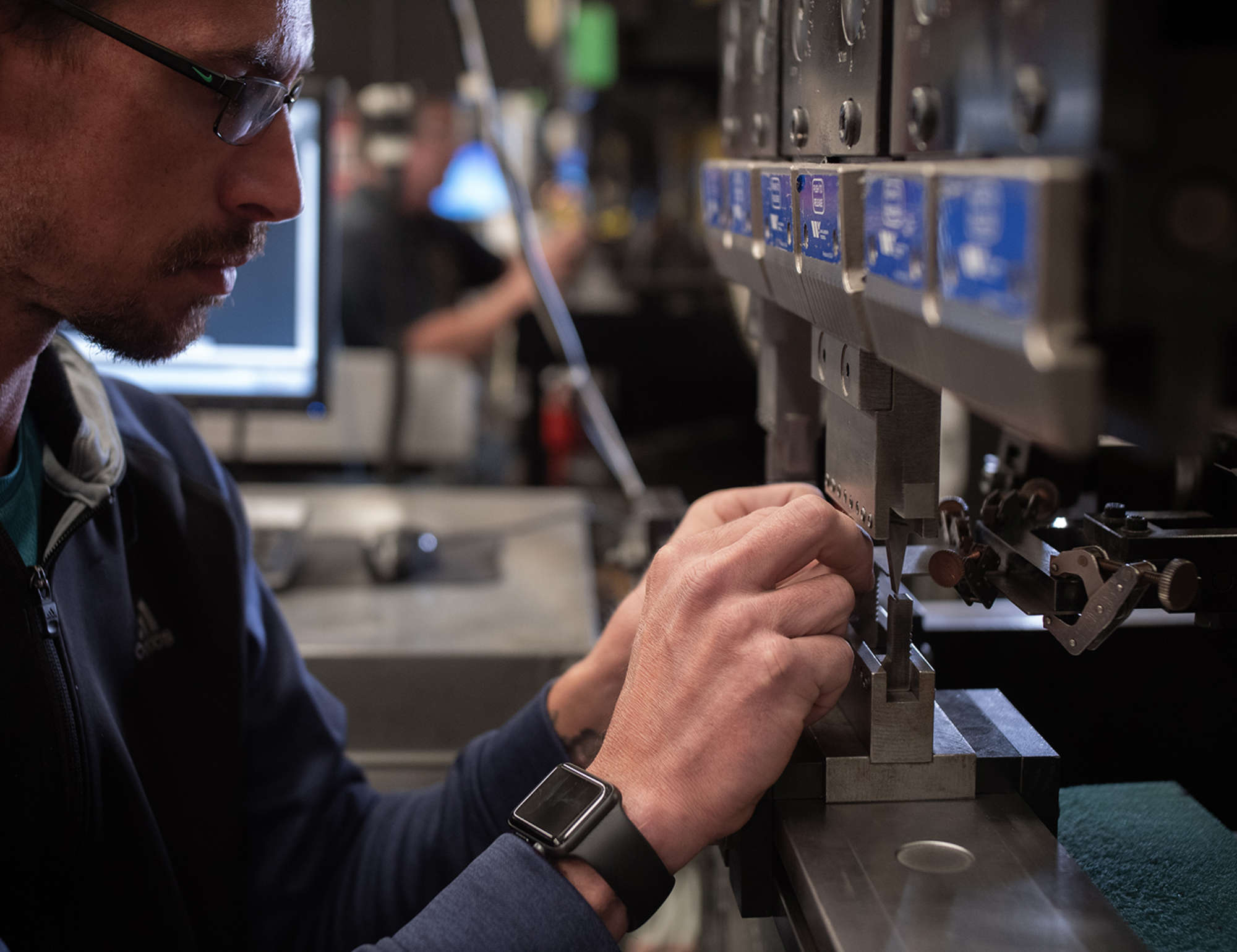
Fathom is a US-based manufacturing partner combining CNC machining, additive manufacturing, precision sheet metal, injection molding, and digital production workflows under a single program-management structure. Serving aerospace, defense, medical, semiconductor, and energy markets, the company focuses on reducing manufacturing risk before production begins, through design-for-manufacturability input, process selection, and integrated quality systems.
How does your company define efficiency in today’s industrial landscape, and how has that definition evolved in recent years?
At Fathom, we define efficiency as the ability to move from engineering intent to qualified production with fewer delays, fewer handoffs, and greater confidence.
This has evolved as historically, efficiency was often measured inside the four walls of a facility: machine utilization, labor productivity, throughput, scrap, and cost. But today, customers are managing more complex products, tighter launch windows, higher quality requirements, and more dynamic supply chains. Efficiency now depends on how well engineering, quoting, manufacturing, quality, supply chain, and customer communication are connected.
The most efficient manufacturers are not simply the ones that make parts quickly. They are the ones that identify risk early, reduce friction across the lifecycle, and help customers make better decisions before cost, quality, or schedule issues compound.
What are the key innovations in your portfolio that help customers improve operational efficiency, productivity, or resource utilization?
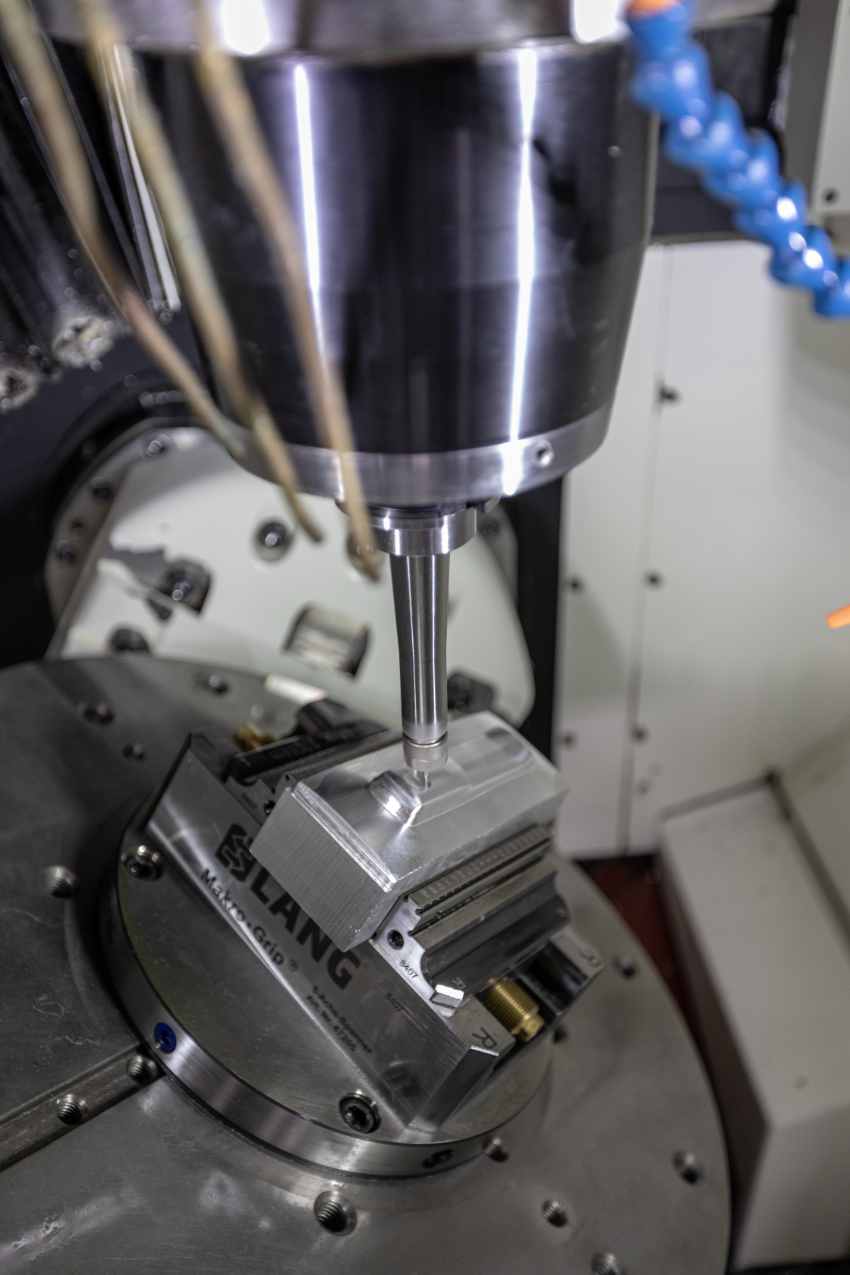
Fathom’s strength is the combination of manufacturing technologies, engineering expertise, and production coordination. We bring together capabilities such as additive manufacturing, CNC machining, precision sheet metal, injection molding, tooling, finishing, inspection, and digital production workflows to help customers select the right process for the right stage of the product lifecycle.
That matters because efficiency often comes from choosing the right path early. A customer may need additive manufacturing for rapid iteration, CNC machining for precision and repeatability, sheet metal for enclosures or structural components, or molding when designs are ready to scale. Our role is to help customers understand those tradeoffs and move through them with speed and discipline.
Our key innovation is in connecting design, engineering, manufacturing, quality, and program management so customers can move from concept to production with greater visibility and reduced risk.
How do your solutions enable customers to reduce costs while maintaining or improving quality and performance?
Many manufacturing costs are created before production begins. They show up through designs that are difficult to manufacture, tolerance requirements that are not aligned to function, process choices that do not match volume, or late-stage quality issues that require rework.
Fathom helps customers reduce those costs by engaging earlier in the process. We provide design-for-manufacturability input, help customers evaluate process options, identify risks, and plan production around the customer’s performance, quality, and timing requirements.
The goal is to remove avoidable cost from the system. When engineering, manufacturing, and quality teams are aligned earlier, customers can reduce iteration, improve yield, shorten lead times, and maintain confidence in the finished product.
What role do digitalization, automation, or artificial intelligence play in enhancing the efficiency of your products or services?
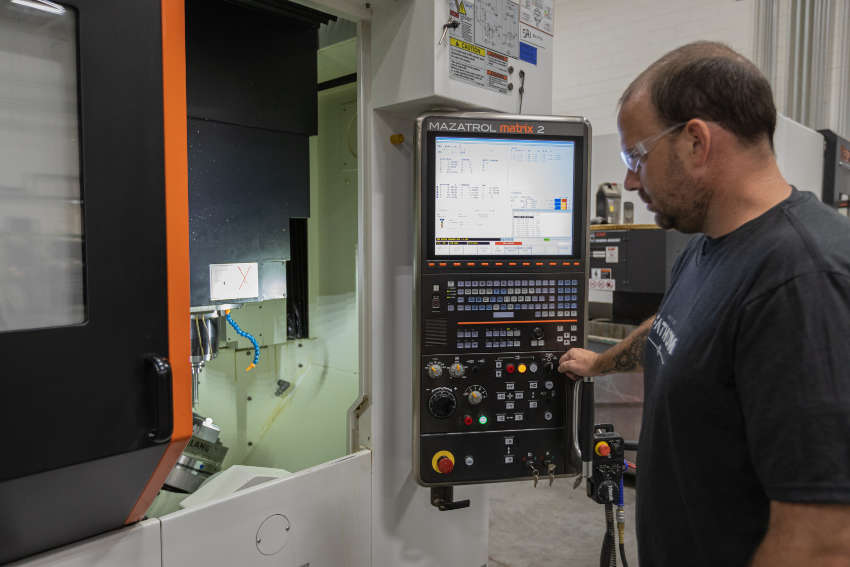
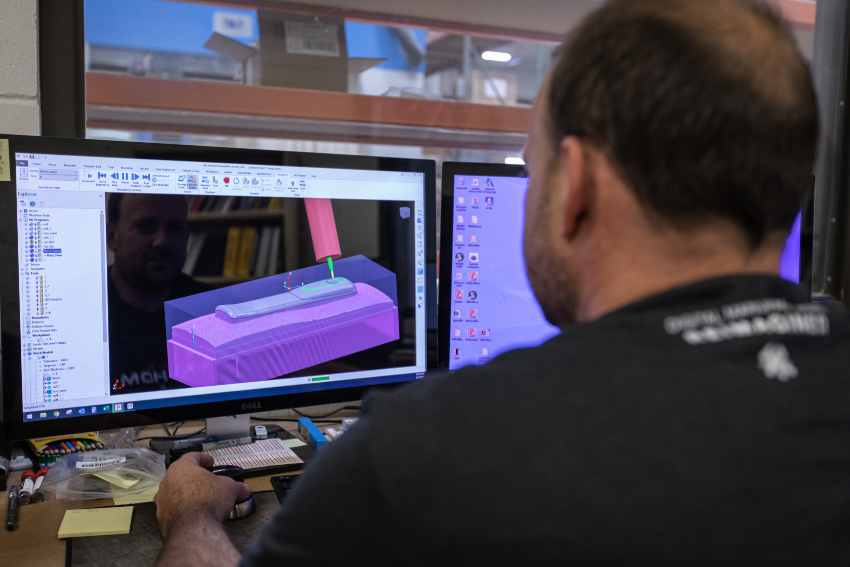
Digitalization is becoming essential to manufacturing efficiency because it improves visibility across the entire process. At Fathom, digital workflows help connect quoting, engineering, production planning, quality, and customer communication so teams can make faster decisions with better information.
Automation and AI will continue to build on that foundation. The best use cases are typically practical ones: improving quote speed, identifying manufacturability risks, organizing technical data, supporting quality documentation, improving scheduling, and helping employees focus on higher-value work.
In manufacturing, technology works best when it enhances human judgment rather than replacing it. AI can help identify patterns and accelerate decisions, but experienced engineers, machinists, inspectors, quality leaders, and program managers remain critical to turning that information into reliable production outcomes.
Can you share an example of how your solutions helped a customer overcome a significant operational challenge and achieve measurable efficiency gains?
A common challenge in aerospace and defense is that customers need to manage complex programs across multiple manufacturing processes, specialized suppliers, and rigorous inspection requirements. The operational burden can become significant, especially when engineering teams are still finalizing designs or programs are moving from prototype toward production.
Fathom helps simplify that complexity by acting as a manufacturing partner across the full production ecosystem. We coordinate process selection, supplier handoffs, production planning, inspection, and communication through dedicated program management. That gives customers better visibility into schedule, quality, and risk.
The result is greater efficiency for the customer. Engineering teams can focus on solving product-level challenges, procurement teams can reduce supplier-management complexity, and program teams gain more confidence that parts and assemblies will be delivered in line with technical and quality requirements.
How do you balance innovation with reliability, ensuring that new technologies deliver practical value in demanding industrial environments?
Innovation only matters when it produces tangible value for the customer. In demanding industrial markets, new technology has to be supported by disciplined process control, inspection, documentation, and quality systems.
At Fathom, we apply advanced manufacturing technologies within a framework designed for reliability. That means understanding the customer’s application, selecting the right process, validating critical requirements, and ensuring the right inspection and documentation are in place.
This is especially important in aerospace, defense, medical, semiconductor, and energy-related markets, where customers need speed but cannot afford uncertainty. The goal is innovation made reliable through engineering discipline, quality systems, and experienced manufacturing teams.
What strategies do you use to help customers improve energy efficiency and support their sustainability objectives without compromising productivity?
We believe sustainability and manufacturing efficiency are frequently connected. When customers optimize designs, reduce material waste, minimize rework, improve yield, and choose the right production process, they can often improve both environmental and operational performance.
Fathom supports this by helping customers evaluate manufacturability, material usage, process selection, and production planning earlier in the lifecycle. Additive manufacturing, for example, can reduce material waste in certain applications. Better design-for-manufacturability can reduce unnecessary operations. Improved planning can reduce expedited freight, scrap, and inefficient production cycles.
The most effective sustainability improvements are the ones that also make operational sense. Our focus is helping customers make products more efficiently while supporting their broader cost, quality, and resource-utilization goals.
How do you work with customers to identify inefficiencies and develop solutions tailored to their specific operational needs?
We start by understanding what the customer is trying to achieve. That includes the technical requirements, production volumes, timing, quality expectations, cost targets, and the stage of the product lifecycle.
From there, our teams work with engineering, procurement, quality, and program-management stakeholders to identify where friction exists. Sometimes the issue is manufacturability. Sometimes it is supplier complexity, process selection, inspection requirements, lead time, or a mismatch between prototype methods and production needs.
The value comes from tailoring the solution to the customer’s real constraint. We are not simply quoting a drawing, we are helping customers understand the best path to manufacture, qualify, and deliver the product with speed and confidence.
What emerging technologies or industry trends do you believe will have the greatest impact on industrial efficiency over the next years?
AI, automation, additive manufacturing, advanced materials, robotics, and digital manufacturing workflows will all have a major impact. But the real gains come from how these technologies are integrated into manufacturing systems.
For example, AI can improve quoting, planning, quality analysis, and decision-making. Automation can help address labor constraints and improve consistency. Additive manufacturing can accelerate iteration and unlock geometries that are difficult to produce conventionally. Digital workflows can improve visibility across complex programs.
The companies that benefit most will be those that combine new technology with strong manufacturing fundamentals. Technology has to be paired with process discipline, skilled people, quality systems, and a clear understanding of customer outcomes.
Looking ahead, what is your company’s vision for helping industrial customers achieve higher levels of efficiency, resilience, and competitiveness through innovation?
Fathom’s vision is to help customers turn complex ideas into market and field-ready products faster and with greater confidence.
As industrial markets become more complex, customers need manufacturing partners who can do more than provide capacity. They need partners who can support engineering collaboration, process selection, quality planning, supply-chain coordination, and the transition from prototype to production.
We are focused on building the capabilities, systems, and teams required to support that need. Across aerospace and defense, medical, semiconductor, robotics, ICT, energy, and other demanding markets, we want to help customers improve speed, reduce risk, and build more resilient manufacturing pathways.
Ultimately, our role is to help customers compete by making innovation manufacturable, scalable, and reliable.