

Integrating mobile weighing technology directly onto material handling equipment streamlines logistics workflows by eliminating time-consuming trips to stationary scales and reducing manual data entry errors. Operating in high-intensity industrial environments, such as air cargo terminals and 3PL distribution centers, requires weighing systems capable of withstanding constant shocks, off-center loads, structural torsion, and environmental contaminants without compromising measurement accuracy.
By combining protected load-cell architecture with real-time connectivity to WMS, ERP, and TMS platforms, mobile scale solutions optimize the total cost of ownership (TCO) and accelerate warehouse throughput. The engineering principles, DFMEA testing protocols, and real-world performance behind heavy-duty carriage scales like the RAVAS iCP-32 are detailed in an interview with Thor van Rijk, Innovation & Technology Manager at RAVAS.
How do you design your solutions to deliver reliable performance over the long term, particularly in demanding industrial environments?
Thor van Rijk: We start with the real application rather than with the weighing component in isolation. The weighing system must remain accurate while it is exposed to impacts, vibration, off-centre loading, dirt, moisture, and the daily movements of material-handling equipment. We therefore combine robust mechanical integration with protected load-cell or pressure transducer technology, controlled sealing, appropriate overload protection and software that supports stable measurement. Just as importantly, we design the solution around the truck, attachment, and workflow so that reliability is built into the complete application.
What are the key factors that determine the durability and service life of your products or solutions?
T.v.R: The main factors are correct application engineering, structural load distribution, protection against shock and overload, environmental sealing, component quality, installation quality and regular calibration and maintenance. A weighing solution can only perform reliably when the mechanical structure guides the intended vertical forces to the load cell and minimises unwanted side loads, torsion and misalignment. Correct use and service also matter: preventive checks can identify wear, damage or calibration drift before these affect availability or measurement quality.
How do you ensure that your solutions can withstand challenging operating conditions such as heavy loads, continuous operation, temperature variations, or other demanding factors?
T.v.R: We translate the operating profile into technical requirements at the start of development. Capacity, dead load, loading direction, off-centre loading, operating temperature, duty cycle, vibration, ingress protection, and any hazardous-area requirements are considered when selecting and integrating components. Designs are assessed for overload and shock behaviour, sealing performance and structural tolerances. Where the application is especially demanding, we validate the complete configuration in conditions that reflect the customer’s use rather than relying only on individual component specifications.
How do your engineering and development processes contribute to improving the long-term reliability of your solutions?
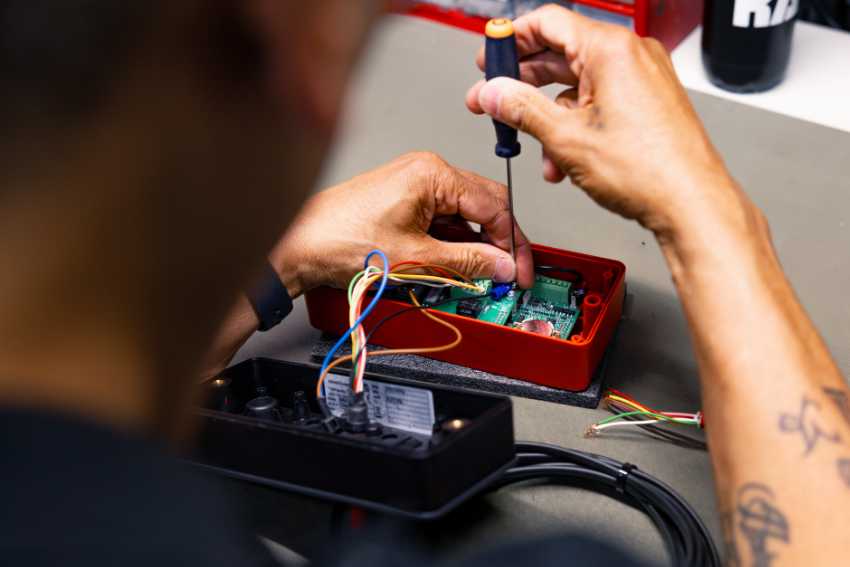
T.v.R: Reliability is addressed throughout the development workflow. Requirements are defined from the application, concepts are reviewed for manufacturability, assembly, service and testability, and potential failure modes are considered early through design and use FMEA. Tolerance analysis, verification testing, calibration checks, and controlled design changes help us reduce variation and prevent recurring issues. This structured approach allows lessons from testing, production, service, and customers to be converted into measurable design improvements.
What role do material selection, component quality and manufacturing standards play in ensuring durability?
T.v.R: They are fundamental. Material selection determines strength, corrosion resistance, fatigue behaviour, and suitability for the operating environment. Components such as load cells, fasteners, seals, cables, and electronic enclosures must be selected with sufficient margin for the actual loads and exposure. Manufacturing standards, controlled tolerances, qualified welding, and consistent inspection ensure that the design intent is reproduced in every unit. Our quality-management approach supports traceability, repeatability, and continuous improvement from engineering through production.
How do you approach maintenance and serviceability to help customers extend the operational life of your solutions?
T.v.R: We aim to make inspection, calibration, diagnosis, and replacement of service parts straightforward. Preventive maintenance combines an all-round system check with calibration and verification of the weighing result. Customers are supported through service locations, technical support and original spare parts. This lifecycle approach helps minimise unexpected failures, maintain accuracy and compliance, and return a system to operation quickly when intervention is required.
How do you balance initial investment with long-term value, reliability, and total cost of ownership for your customers?
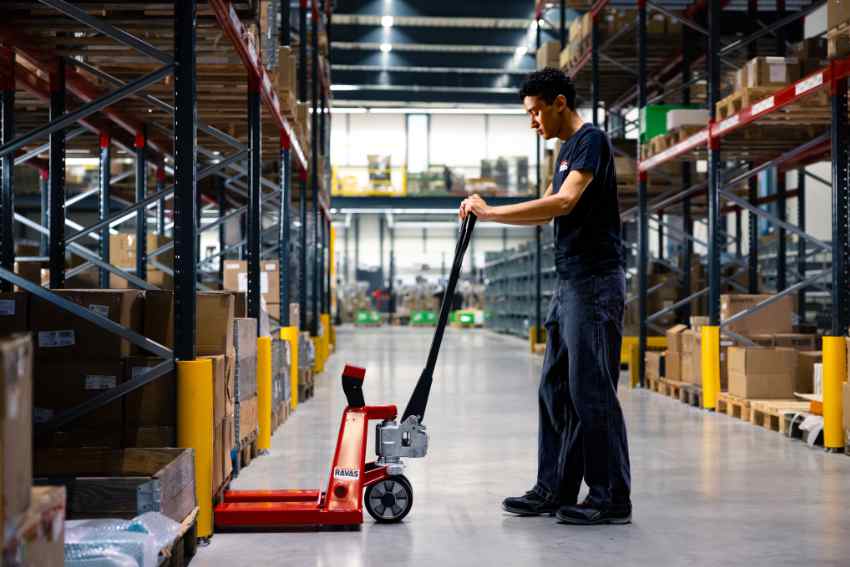
T.v.R: We look beyond the purchase price and evaluate the value created in the customer’s process. Mobile weighing can remove separate trips to a stationary scale, free up floor space, reduce manual registration and handling errors, and make weight data available directly to WMS, ERP or TMS platforms. The appropriate solution is selected according to weighing frequency, accuracy, capacity, environment, integration needs and service concept. This avoids both under-specification and unnecessary complexity, while making the return on investment and lifecycle costs transparent.
What technologies or innovations are you implementing to improve the durability, reliability, or lifecycle performance of your solutions?
T.v.R: We are combining robust sensor and mechanical design with smarter diagnostics, connectivity, and software. Real-time data transfer can improve traceability and make deviations visible sooner. Advanced algorithms also enable automatic and dynamic weighing while reducing dependence on manual operator actions. In parallel, controlled product data, configuration management and structured test protocols help ensure that the correct design, software, and documentation remain aligned throughout the product lifecycle.
How do you gather feedback from customers and real-world applications to continuously improve the long-term performance of your products?
T.v.R: Feedback comes through service visits, calibration and repair data, dealers, OEM partners, key-account projects, field trials, and direct customer discussions. We use this information to understand not only whether a component failed, but also the application conditions, installation, operating behaviour, and process impact. Findings are reviewed by the relevant engineering, product management, quality, and service teams and are translated into updated requirements, tests, documentation, training or design changes.
Can you share an example of how one of your solutions has delivered long-term value or reliability in a particularly demanding industrial application?
T.v.R: A strong example is mobile weighing in intensive forklift and air-cargo operations. The RAVAS iCP-32 is designed for heavy-duty use, with a structure that distributes loads over the load cell, minimises moving wear parts and protects the sensor against overload. At the same time, weight data can be integrated into the customer’s operational system. The long-term value therefore comes from both durable hardware and the repeated daily benefit of weighing during transport, with fewer separate movements, faster handling, and reliable data for operational decisions.