
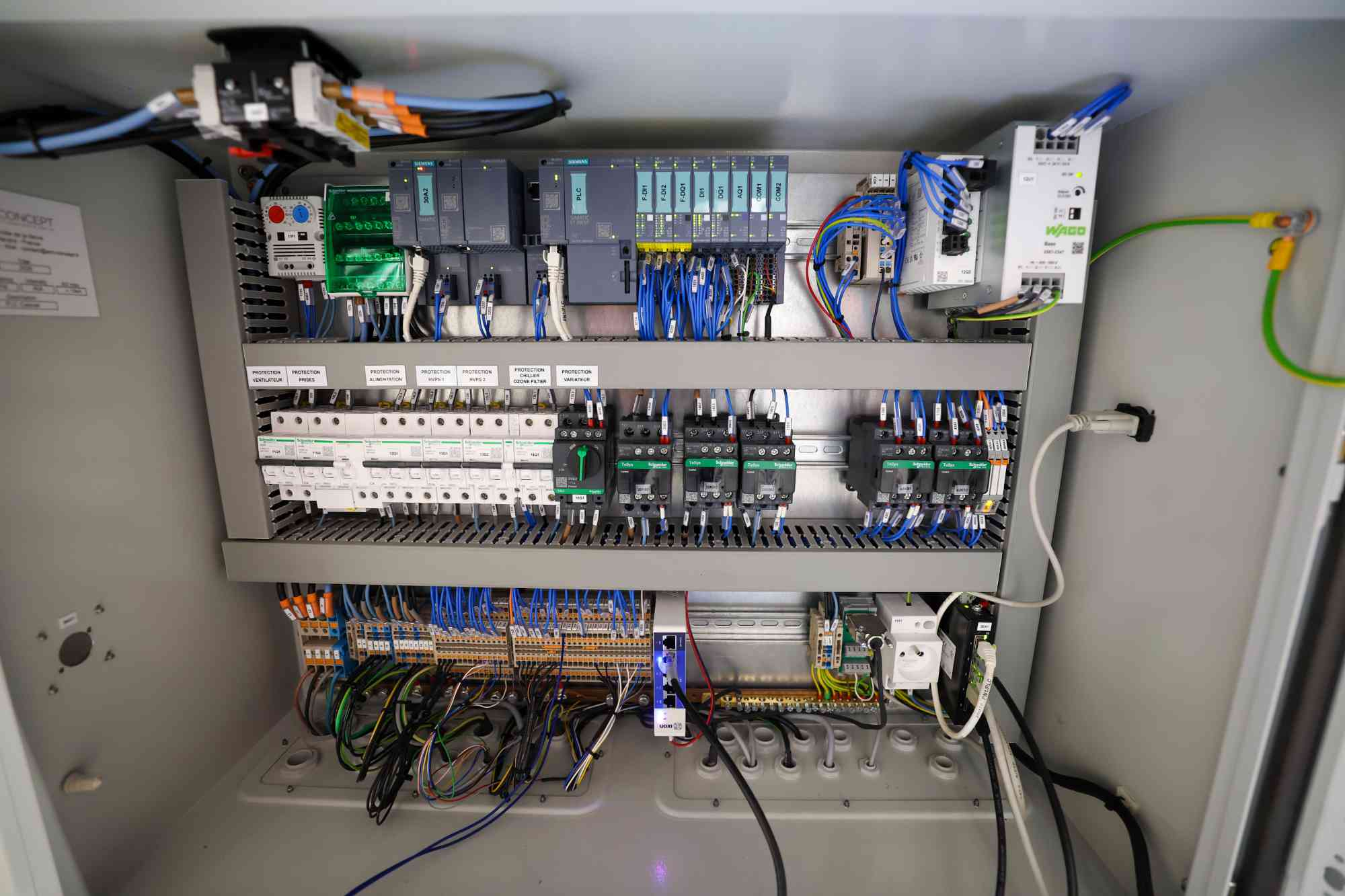
As European manufacturers balance rising production complexity with stricter quality and CE compliance standards, the demand for agile, turnkey machine builders has intensified. Belgian engineering specialist ICA – Industrial Construction & Automation is addressing this shift by combining bespoke equipment design with industrialized, reusable solution blocks. Operating from its workshop in Wavre, Belgium, ICA provides full lifecycle execution, from mechanical design and PLC/HMI programming to in-house electrical cabinet wiring, deep-learning vision inspection, and Factory Acceptance Testing (FAT). Serving global industrial groups including ArcelorMittal, Baxter, and AGC, the company is actively expanding its footprint across European markets, including Romania, by offering custom-built packaging and assembly lines alongside contract manufacturing for tech developers.
In an exclusive interview, Antoine Dobbels, Managing Director at ICA, details the integration of AI-supported quality control, electron-beam surface treatment systems, and strategic roadmaps heading into late 2026.
A brief description of the company and its activities.
Antoine Dobbels: ICA – Industrial Construction & Automation is a Belgian engineering and machine-building company based in Wavre. For more than 25 years, we have transformed production challenges into reliable industrial equipment. Our team combines mechanical and electrical engineering, automation, robotics and machine vision. Mechanical assembly, electrical cabinet building, wiring, integration and testing are performed in-house in our workshop. We deliver complete projects, from specification and design through manufacturing, programming, factory acceptance testing, installation, commissioning and training. Our mission is simple: helping industry perform better with equipment that is tailored, ergonomic, maintainable and built for long-term use.
What are the main areas of activity of the company?
A.D: For markets such as Romania, ICA focuses on two activities. The first is the design and construction of new custom machines and complete production lines. Typical equipment includes labelling machines, counting systems, custom conveyors, deep-learning quality-control stations, palletisers, capping machines, buffer tables, assembly systems and test benches. The second is contract manufacturing, where ICA builds equipment designed by the customer or jointly engineered with its teams. Depending on complexity, ICA can manufacture between 5 and 20 pieces of equipment per year, including sourcing, in-house mechanical and electrical integration, automation, testing and documentation. Our experience covers pharmaceuticals, defence, food processing, electrical equipment, construction materials and general manufacturing.
What’s the news about new products/services?
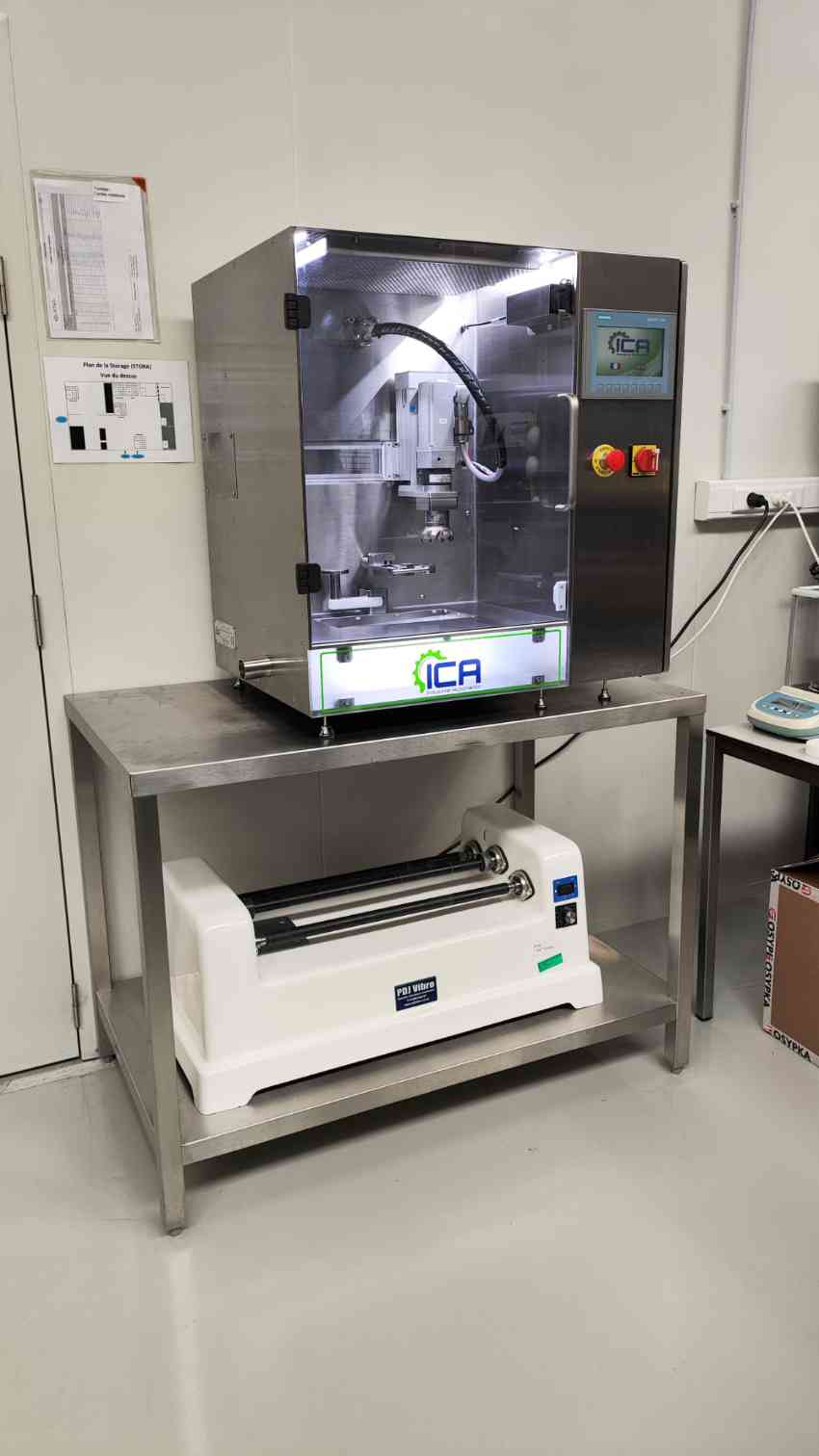
A.D: ICA is developing a balanced model that combines fully bespoke machines with reusable and industrialised solution blocks. This reduces engineering lead time while preserving the flexibility required by each production process. Recent developments include an AI-supported inspection and screwdriving system using machine vision to verify assembly quality and automatically reject non-conforming parts, data-driven textile-sorting equipment, and the assembly and programming of an electron-beam machine for surface treatment. In parallel, we are expanding our contract-manufacturing capacity for prototypes and small series. Each first unit can be used to validate the design, assembly method, software, test protocol and documentation before repeat production. This gives customers a structured route from concept to a reliable series, with one accountable European partner for the complete machine-building process.
What are the ranges of products/services?
A.D: Our international offer covers project management; mechanical, electrical and automation engineering; turnkey machines; complete production and assembly lines; robotics; PLC/HMI programming; machine vision; traceability; prototype construction; and small-series contract manufacturing. A line can combine several ICA modules—for example product infeed and accumulation, custom conveying, counting, capping, labelling, deep-learning inspection, rejection of non-conforming products, buffering and robotic palletising. Designs also consider access for operators and technicians, rapid product changeovers, component availability and future extensions. ICA manages sourcing, in-house mechanical and electrical integration, factory acceptance testing in Belgium, shipment, installation, commissioning and training at the customer’s plant. Customers can provide a production need or their own complete design package.
What is the state of the market where you are currently active?
A.D: The market remains active but more selective. Manufacturers need additional capacity, repeatable quality and greater automation, while investment decisions require a clear operational return. This favours agile machine builders that combine engineering, manufacturing and commissioning. ICA has delivered projects for recognised industrial groups such as Joris Ide, ArcelorMittal, Lhoist, Baxter and AGC, and has strong experience in Belgium’s defence industry. New machines and complete lines can be designed, built and factory-tested in Belgium before installation anywhere in Europe. Romania is relevant because of its developing manufacturing base. We see two opportunities: supplying new equipment to Romanian factories and manufacturing machines for Romanian technology companies or integrators that need additional capacity.
What can you tell us about market trends?
A.D: Several trends are converging. Automation is increasingly justified by repeatable quality, traceability, operator safety and production resilience—not only by labour savings. CE compliance is also becoming a central project requirement: risk reduction, guarding, safety functions and technical documentation must be integrated from the design stage. Ergonomics receives similar attention, because workstation height, accessibility, handling effort, visibility and operator interaction directly affect safety, productivity and acceptance of the equipment. Machine vision and AI are moving into practical inline inspection, while customers want modular lines that accommodate new variants and exchange data with factory systems. Technology developers are also outsourcing machine construction to partners able to source, assemble, wire, program, test and document equipment.
What are the most innovative products/services marketed?
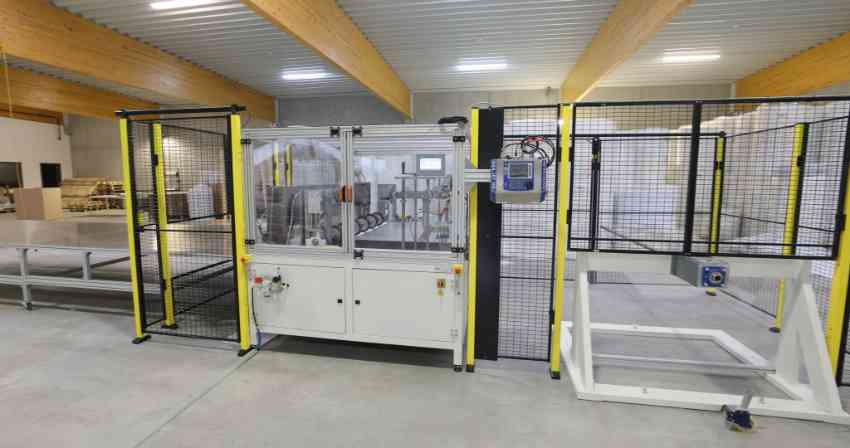
A.D: Our strongest innovation is the integration of several technologies into one dependable line. A system can count and convey products, control flow through buffer tables, cap and label them, inspect each unit using deep-learning vision, automatically reject defects and palletise finished products—with complete traceability. Another example is textile-sorting equipment that connects sensing and production data to circular-economy operations. Our electron-beam work also demonstrates our ability to integrate advanced processes such as curing, drying, decontamination and surface treatment. In contract manufacturing, ICA converts a prototype or technical dossier into repeatable equipment by structuring sourcing, bills of materials, assembly methods, electrical integration, software, testing and documentation.
What estimations do you have for the second half of 2026?
A.D: For the second half of 2026, we expect continued demand for new automated production equipment, inline quality-control systems and projects that increase manufacturing capacity. Our priorities are controlled growth, delivery quality and further European development. We will continue industrialising reusable machine modules, strengthening our small-series contract-manufacturing offer and preparing the company for ISO 9001 certification in 2027. In Romania, our commercial focus is deliberately clear: new custom machines, complete production lines and contract manufacturing. The modular approach allows customers to start with one process step and later add inspection, buffering, packaging or palletising as production grows. Equipment is assembled and tested in Belgium through a structured FAT, reducing commissioning risks before shipment. We do not plan to offer geographically dependent retrofit or routine maintenance services there. For local installation and after-sales proximity, we are open to cooperation with Romanian industrial partners. Our objective is to combine ICA’s Belgian engineering and machine-building capabilities with efficient deployment close to the customer.
+32 10 40 14 18 | Avenue Zénobe Gramme 26, 1300 Wavre, Belgium