
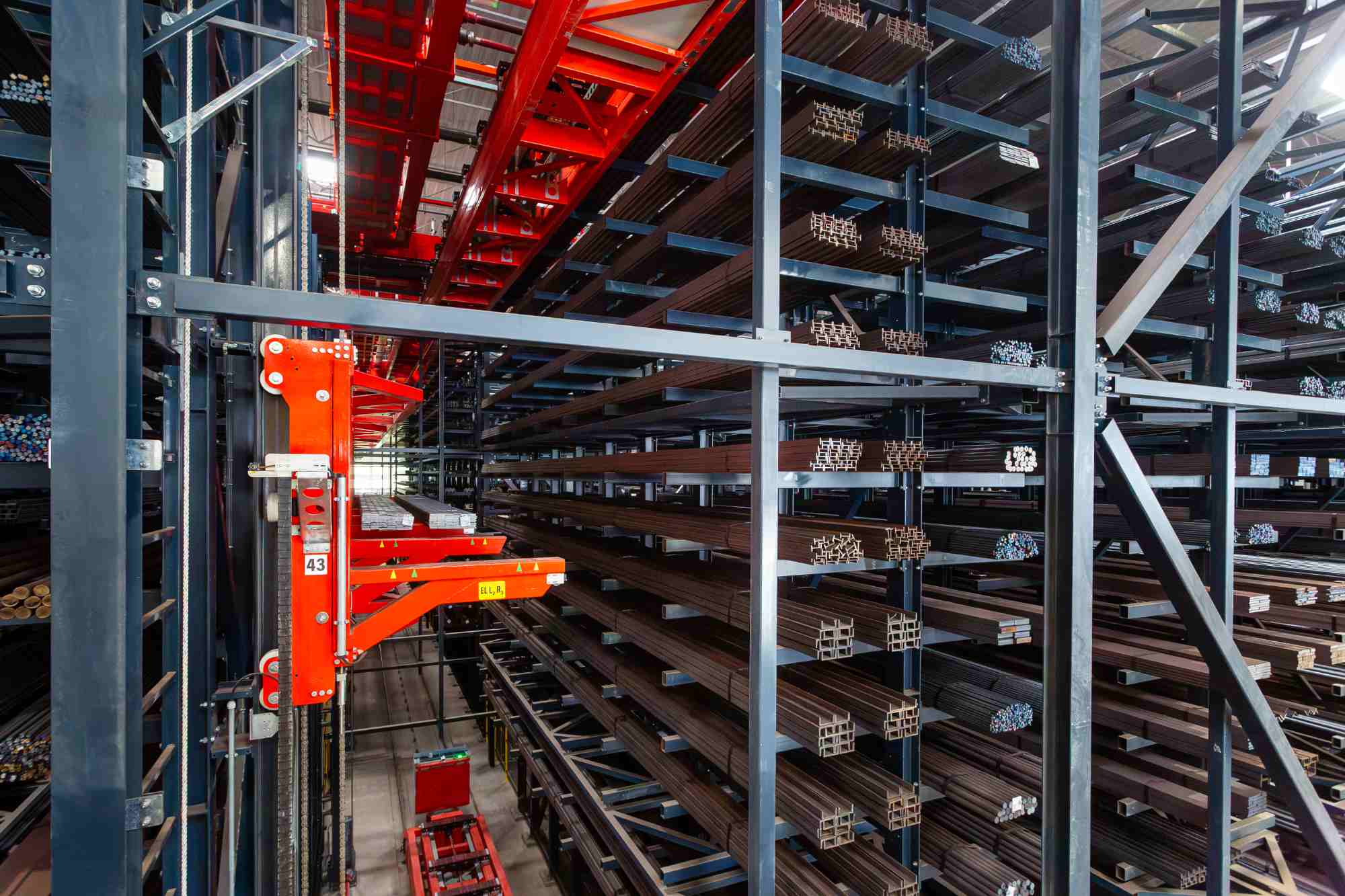
A critical bottleneck in heavy manufacturing, window production, and steel service centers is the manual handling and transport of long profiles, bars, and heavy sheet metal between storage units and CNC machinery. Conventional standalone automated storage and retrieval systems (ASRS) isolate raw materials from actual processing lines.
By integrating high-density honeycomb storage units, robotic picking cells, and programmable logic controller (PLC) software directly with saws and machining centers, industrial facilities achieve end-to-end material flow automation.
Following the acquisition of Matter S.r.l., Swiss-based Fehr Group combines over 75 years of mechanical handling expertise with bespoke software architectures (WMS/KVS) to bridge the gap between automated warehousing and real-time shop floor execution across Europe and North America.
Interview with Pawel Zielinski, Consulting and Development at Fehr Group.
A brief description of the company and its activities.
Pawel Zielinski: Fehr is a Swiss company founded in 1949 and based in Winterthur, specialising in automated intralogistics systems, warehousing and materials handling for the metal, window and plastics industries. The company provides comprehensive solutions including automated warehouses, internal transport systems, process automation and software for managing material flow. Fehr operates globally, with branches in the USA, France, Germany and Poland, amongst others. In 2024, the Fehr Group acquired the Italian company Matter S.r.l., creating a strong international entity offering advanced intralogistics solutions for manufacturers and distributors of industrial materials.
What are the main areas of activity of the company?
P.Z: Fehr’s main areas of activity include intralogistics automation and the integration of logistics and production processes with a view to significantly increasing companies’ operational efficiency. The company designs and implements automated storage systems for long materials (bars, profiles, pipes) and flat materials (sheets, panels), as well as solutions to streamline the flow of materials between the warehouse and production.
Increasing emphasis is being placed on the full integration of storage systems with production machinery and the automation of material-handling processes. This includes, amongst other things, the automatic supply of material to machines and machining centres, the robotisation of order-picking processes for sheet metal and long products, and the creation of integrated storage and production systems. By combining automated storage, advanced software and robotic technology, Fehr helps customers increase productivity, reduce operating costs and optimise the flow of materials throughout the production facility.
What’s the news about new products/services?
P.Z: Fehr focuses on expanding traditional warehouse automation to include full integration of production and intralogistics processes. In addition to automated warehouses for long items and sheet metal, the company is developing solutions that enable the automatic supply of materials to production machinery, the automation of order-picking processes, and the creation of integrated warehousing and production systems.
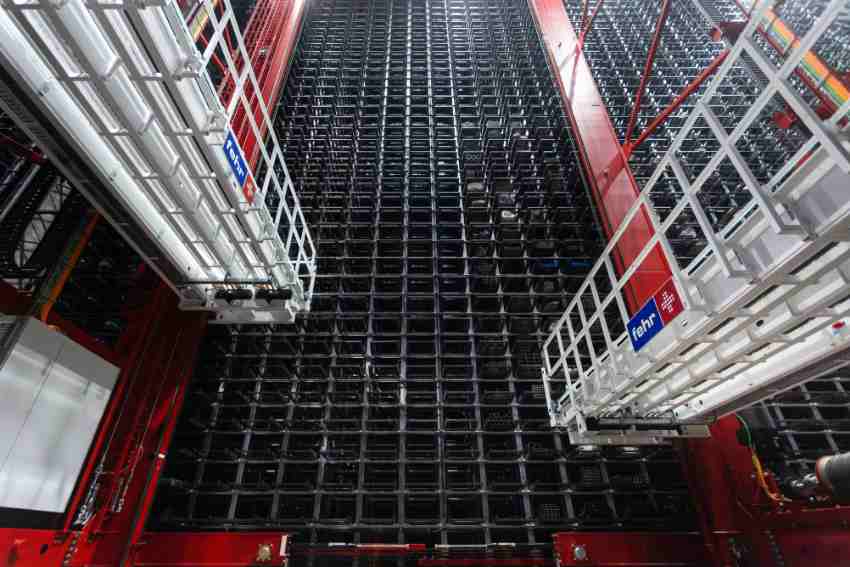
Solutions utilising industrial robots and advanced control software are playing an increasingly important role, enabling the full automation of material flow between the warehouse and production. This includes, amongst other things, the automatic feeding of saws, machining centres and other production machines, as well as the picking of sheet metal and long items by robots.
The key innovation is not the robot itself or an individual piece of equipment, but a complete product solution combining hardware, automation and dedicated software. This enables the full integration of warehousing and production processes, increased operational efficiency and a further reduction in manual labour.
Following the acquisition of Matter S.r.l. by the Fehr Group, the product range has been further expanded to include advanced automated storage and material handling solutions for the steel industry, service centres and production facilities, enabling the delivery of even more comprehensive intralogistics systems to customers worldwide.
What are the ranges of products/services?
P.Z: The Fehr Group’s range of products and services includes comprehensive intralogistics automation solutions for long materials (bars, profiles, pipes) and flat materials (sheet metal). The range includes automated storage systems, internal transport solutions, order-picking systems, robotisation of logistics processes and integrated storage and production systems.
A key element of the offering is software enabling the integration of warehouses, production machinery and the customer’s IT systems. These solutions facilitate the automation of material flow, production planning, process monitoring and integration with ERP, MES, WMS and other tools used by customers.
The Fehr Group provides solutions for a wide range of industries and applications, from steelworks, rolling mills and manufacturers of steel, aluminium and PVC profiles, through service and distribution centres, to manufacturing companies using long products and sheet metal in their processes. The company has a particularly strong position in the window manufacturing sector, steel distribution and industrial enterprises requiring a high level of material flow automation.
The range includes both solutions for small production facilities and advanced, large-scale systems for steelworks, rolling mills and large distribution centres. Thanks to the modular design and scalability of the systems, the solutions can be tailored to individual customer needs and developed in line with the growth of their business.
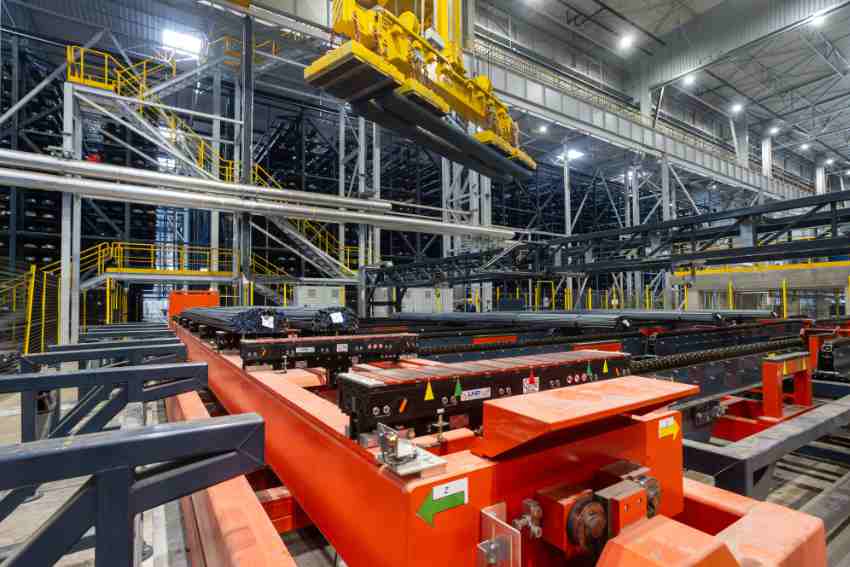
What is the state of the market where you are currently active?
P.Z: In the markets in which we operate, we are seeing a marked increase in interest in the automation and digitalisation of intralogistics processes. Companies are increasingly seeking solutions that enable them to boost productivity, reduce reliance on manual labour, improve safety and optimise the flow of materials between the warehouse and production.
The growing demand for integrated systems combining warehousing, internal transport, robotics and control software is particularly evident. Today, customers expect not only automated warehouses, but also comprehensive solutions covering the full automation of material flow and the integration of logistics and production processes.
As a result, we are seeing an intensification of investment activity in the field of automation, which confirms the long-term, positive growth trend in the intralogistics market. Industrial companies are increasingly treating automation as a strategic element in building competitiveness and enhancing operational efficiency.
What can you tell us about market trends?
P.Z: The most significant market trend is the growing importance of the automation of intralogistics and production processes. Industrial companies are increasingly investing in solutions that enable them to boost productivity, improve the flow of materials, reduce manual labour and increase the flexibility of operational processes.
The rise in interest in automation is particularly noticeable in Central and Eastern Europe, where companies are increasingly seeking technologies to improve production and logistics efficiency. Thanks to modern warehousing systems, automated material handling and the integration of warehousing with production, companies can achieve significant cost savings and higher productivity.
In Western European countries such as Germany, Switzerland and France, automated warehouse systems and intralogistics solutions have been the industry standard for many years. Fehr has many years’ experience in this field and commissioned its first automated warehouse as early as 1968. We are now seeing similar solutions being implemented on an increasingly widespread basis in emerging markets too, including in Central and Eastern Europe.
Another significant trend is the shift from mere warehouse automation to the full integration of warehousing and production processes. Today, customers expect comprehensive solutions encompassing automated warehouses, robotics, control systems and software that integrates all stages of the material flow. This enables further increases in efficiency and the creation of more competitive production facilities.
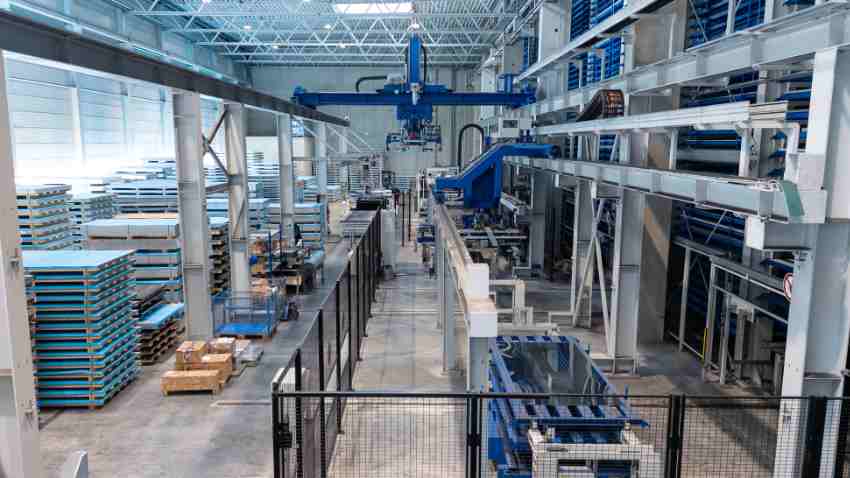
What are the most innovative products/services marketed?
P.Z: In Fehr’s case, it is difficult to single out one product as the most innovative, as almost every implementation is individually designed and tailored to the processes, requirements and objectives of a specific client. The company’s greatest asset is not a single piece of equipment, but its ability to create comprehensive, bespoke intralogistics solutions that combine warehousing, automation, robotics and software into a single integrated system.
What estimations do you have for the second half of 2026?
P.Z: The projects carried out by Fehr are long-term in nature. Investments in automated warehouses, integrated intralogistics systems and warehouse and production solutions are often linked to the construction of new facilities or the expansion of existing ones. These are processes planned over a period of several years, rather than several months.
For this reason, our forecasts for the second half of 2026 are based primarily on continued customer interest in automation solutions. We expect the importance of integrated systems combining warehousing, robotics, production and software to continue to grow, as companies increasingly view automation as a strategic element of their long-term competitiveness.