
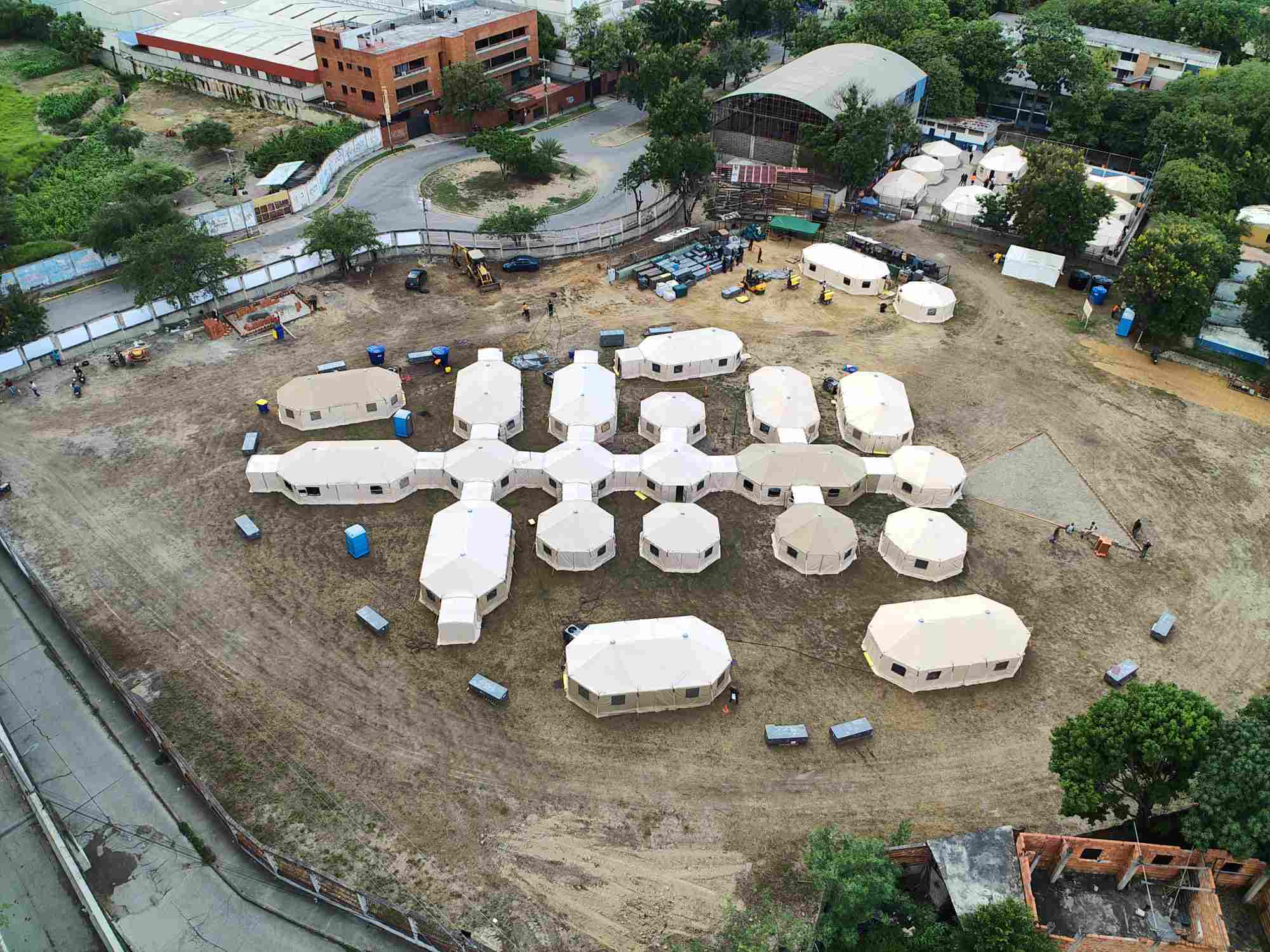
Transitioning expeditionary military forces and disaster response agencies from static base infrastructure to highly mobile, agile environments requires significant reduction in deployment timelines and logistical footprints. Modern command-and-control operations, field hospitals, and forward operating locations depend on turnkey containerized systems that combine hard-wall or soft-wall shelters with integrated environmental control units (ECUs), power generation, microgrid cabling, and C5ISR communications.
Platforms like the Rapid Tactical Operations Center (RTOC), which can be operationalized by two personnel in under 15 minutes, alongside containerized sanitation, hybrid power, and Unmanned Aerial System (UAS) launch hubs, demonstrate how modular hardware integration meets strict ISO 9001:2015 standards while maintaining high readiness across severe climate conditions.
A brief description of the company and its activities.
Western Shelter Systems is an Oregon-based designer and manufacturer of rapidly deployable shelter systems, hard-sided containerized solutions, and integrated field-support equipment. With more than 30 years of experience, Western Shelter supports military, emergency response, medical, humanitarian, and industrial operations with rugged, mission-ready systems backed by in-house engineering, fabrication, integration, and service capabilities.
What are the main areas of activity of the company?
Western Shelter specializes in hard-sided and containerized systems, rapid-deployment shelters, complete camps, and custom mission-specific solutions. Capabilities extend well beyond shelter manufacturing to include mechanical and electrical design and manufacturing, fabrication, environmental control, power distribution, cabling and wiring harnesses, lighting, communications, water and sanitation, and complete systems integration.
What’s the news about new products/services?
Western Shelter continues to expand its portfolio from standalone shelters to more robust, integrated, and rapidly deployable systems. Current developments include self-contained containerized shower and latrine systems entering production for a U.S. military customer, containerized hybrid power systems, and containerized UAS storage and launch solutions.
The Guardian shelter platform also continues to evolve, with ongoing improvements focused on providing a more robust shelter solution and expanding hard-wall capabilities. Western Shelter is also advancing solutions such as the Rapid Tactical Operations Center (RTOC), an integrated mobile command-and-control system designed for deployment in under 15 minutes by two people.
What are the ranges of products/services?
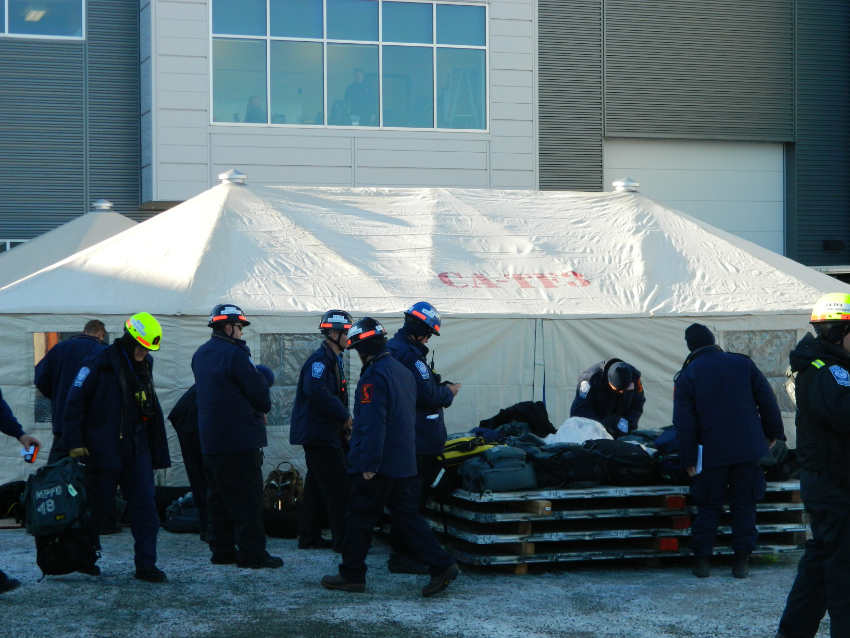
Western Shelter has been assessed and certified as meeting the requirements of ISO 9001:2015. Our portfolio ranges from individual shelter kits to fully integrated multi-shelter camps and mission-specific infrastructure. Offerings include soft-wall and rigid-wall shelters, 10- and 20-foot ISO container solutions, vehicle-mounted shelters, trailer-mounted systems, 463L-compatible solutions, field hospitals, base camps, decontamination systems, water-handling systems, sanitation systems, and specialized command-and-control solutions.
Western Shelter also provides extensive engineering and manufacturing capabilities, including mechanical and electrical design, fabrication, ECUs and HVAC, electrical distribution, lighting, communications, cabling, wiring harnesses, furnishings, and prototype-to-production manufacturing.
What is the state of the market where you are currently active?
The market remains focused on readiness, mobility, rapid deployment, and reduced logistical burden. Defence modernization, agile and expeditionary operations, and increased disaster-response preparedness are driving demand for infrastructure that can be transported efficiently, deployed with limited personnel, and quickly adapted as operational requirements change.
Western Shelter is positioned to meet these requirements with scalable, modular systems that can operate independently or integrate into larger command centers, field hospitals, base camps, and other mission-specific environments.
What can you tell us about market trends?
A major market shift is toward complete, modular, containerized systems rather than individual pieces of equipment. Customers increasingly want turnkey capabilities that combine shelter, environmental control, power, communications, water, medical capabilities, and logistical support into interoperable packages.
There is also growing emphasis on reducing setup time and personnel requirements, standardizing systems for efficient transportation, integrating hybrid and battery-based power, improving field energy efficiency, and developing infrastructure to support unmanned systems. These trends align closely with agile operations where mobility and the ability to rapidly establish, relocate, and scale infrastructure are increasingly important.
What are the most innovative products/services marketed?
Western Shelter’s strength lies in combining a broad range of in-house capabilities to develop solutions around specific mission requirements. The company can customize existing platforms or engineer new systems from design through manufacturing and integration.
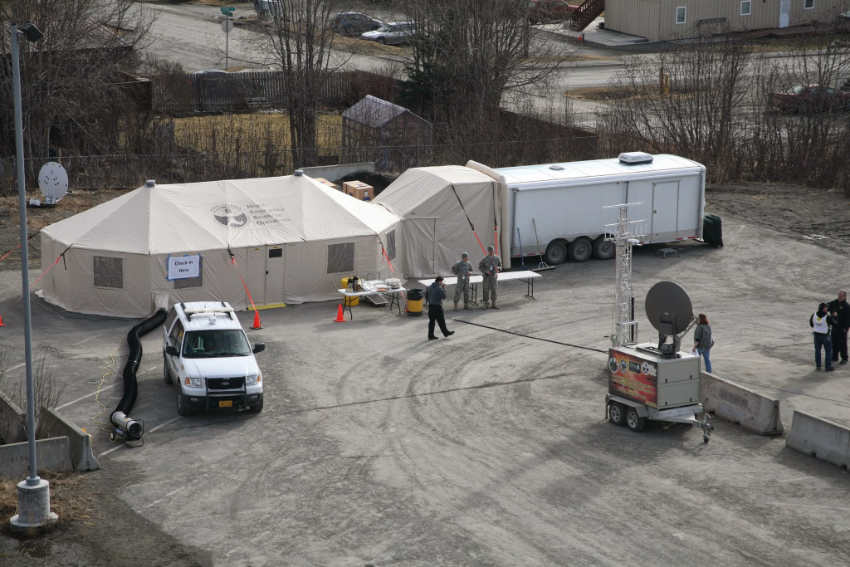
Innovative solutions include the Guardian and GateKeeper shelter platforms, the RTOC and other turnkey command-and-control systems, containerized hybrid power solutions, UAS support systems, and highly adaptable platforms such as the ECS 90 for command, control, unmanned systems, and other specialized applications. Western Shelter’s engineering and manufacturing capabilities also support turnkey C2, C3, C4, and C5ISR-capable solutions.
What estimations do you have for the second half of 2026?
For the second half of 2026, Western Shelter expects continued demand for rapidly deployable, scalable, and integrated infrastructure across defence, emergency response, medical, and other mission-critical applications.
Key priorities include ramping production on containerized programs while continuing investment in both hard-sided and soft-sided product development. The company also expects continued growth in turnkey systems that reduce deployment time and manpower requirements while integrating shelter, power, environmental control, communications, water, and other operational capabilities into complete mission-ready solutions.