
As the automotive, leisure, and commercial vehicle markets accelerate toward electrification and off-grid independence, thermal management systems must deliver extreme efficiency without consuming precious installation space. Modern battery electric, hybrid, and fuel-cell commercial vehicles demand synchronized thermal regulation across multiple zones—simultaneously controlling cabin comfort, battery operating windows, electric motors, and power electronics. Through solutions like the new 2.8 kW Breezonic Slim Power rooftop air conditioner for motorhomes, the Zeliox all-in-one mobile power storage system, and the Temptronic integrated thermal architecture, Esslingen-based Eberspächer Group provides unified heating, cooling, and energy supply across diverse vehicle platforms.
Leonhard Bazlen, Marketing Segment Manager, discusses how Eberspächer integrates multi-zone thermal dynamics and mobile power to meet shifting customer expectations.
What are the main areas of activity of the company?
Leonhard Bazlen: The Eberspächer Group is one of the leading system developers and suppliers in the automotive industry. The family-owned company based in Esslingen am Neckar plays an active part in shaping technological change and develops forward-looking solutions for the automotive market and beyond. Its focus is on existing and new business areas such as exhaust technology, thermal management, automotive electronics, hydrogen, energy storage, and software.
In conventional drives and in e-mobility, Eberspächer components and systems ensure increased comfort, higher safety, and a clean environment. In the use of hydrogen as an energy carrier, Eberspächer is a pioneer for future technologies in mobility and industry.
Within the Climate Control Systems Division, the Eberspächer Group offers products and solutions for thermal management in all types of vehicles. In addition to pre-heaters for passenger cars, commercial vehicles and non-road vehicles, the product portfolio also includes air-conditioning systems for buses and special vehicles. Another important part of the product range is electrical heaters for battery electric, hybrid and fuel cell vehicles. With intuitive and digital control elements, our heating and cooling solutions are designed to meet the needs of the user.
What’s the news about new products/services?
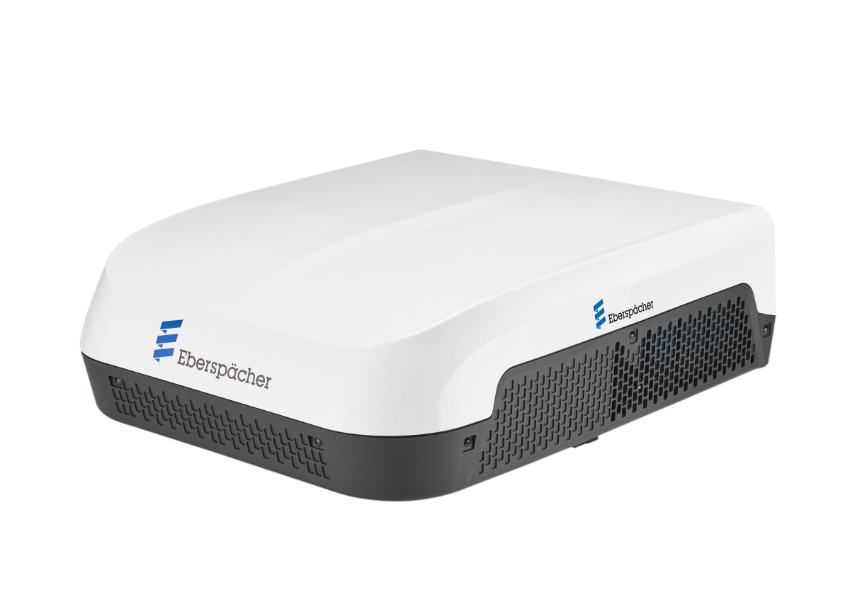
L.B: A current highlight is the new Eberspächer Breezonic Slim Power for motorhomes, which will be presented at Caravan Salon 2026. It is the most powerful model in the compact Breezonic Slim range and provides up to 2.8 kW of cooling capacity. Like the other models in the range, it also offers a heating function via an integrated heat pump. The complete Slim range is based on a standardized platform measuring 750 × 650 × 225 mm. This compact design allows flexible installation on the vehicle roof, even where space is limited by solar panels, antennas or roof windows. Inverter technology with a speed-controlled compressor adjusts output continuously to actual demand, supporting quiet and efficient operation.
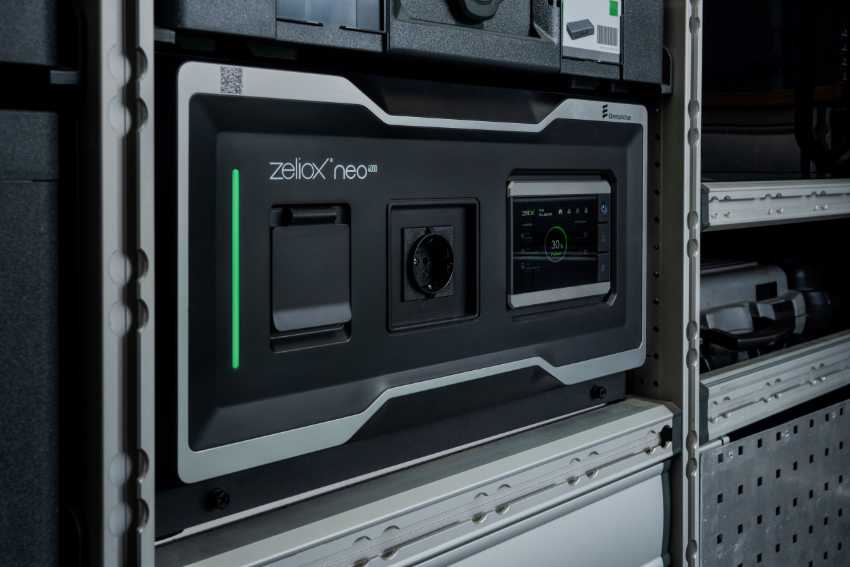
Another recent development is the expansion of the portfolio through Eberspächer Zeliox. The joint venture, established in 2025, develops and distributes all-in-one energy storage systems for mobile power supply in commercial and special-purpose vehicles. The systems provide an independent source of electrical energy directly at the place of use, for example to operate power tools.
What are the ranges of products/services?
L.B: In addition to its latest product developments, Eberspächer offers a broad portfolio of established fuel-operated air and water heaters. These provide reliable heating solutions for applications ranging from passenger cars to heavy-duty commercial vehicles.
The Airtronic product family comprises engine-independent air heaters that warm the vehicle interior quickly and efficiently. Covering performance classes from 2 to 8 kW, the portfolio is suitable for a wide range of commercial and special-purpose vehicles and offers flexible installation options.
The Hydronic product family comprises engine-independent water heaters integrated into the vehicle’s coolant circuit. They heat the vehicle interior while also preheating the engine. Depending on the model, Eberspächer offers Hydronic solutions with heating outputs from 1.3 to 35 kW.
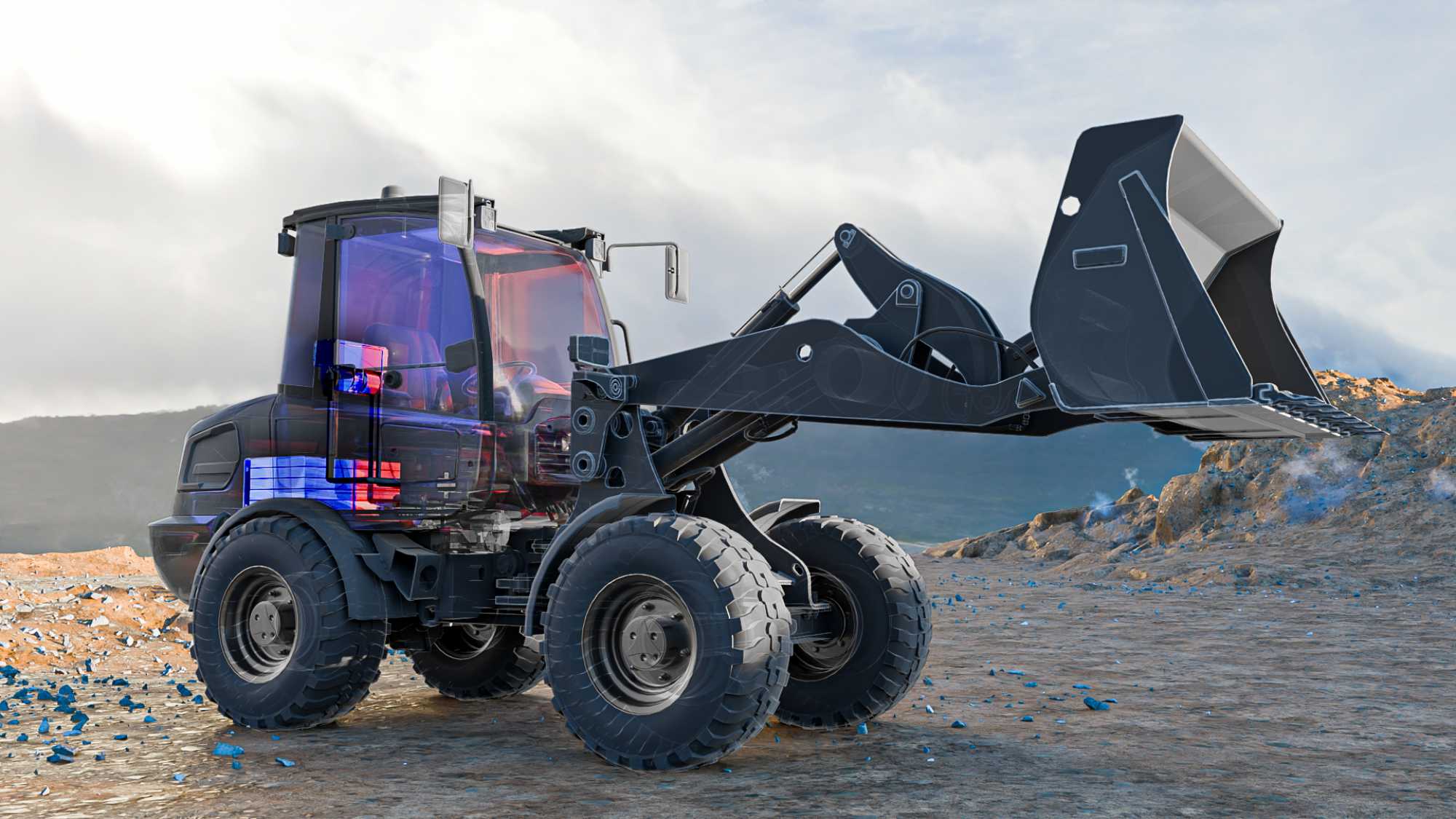
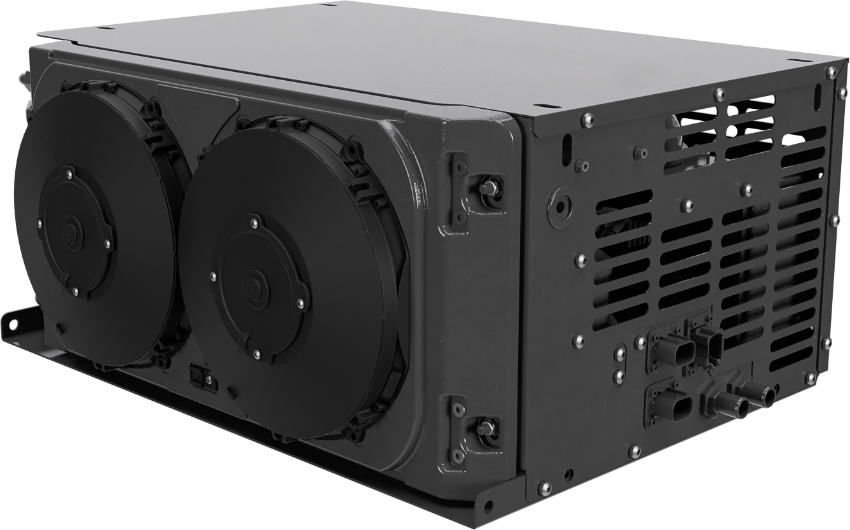
For electrified off-highway and special-purpose vehicles, thermal management extends beyond conventional cabin climate control. Eberspächer therefore offers solutions that also manage the temperature requirements of key vehicle components under demanding operating and environmental conditions. The Battery Thermal Management System (BTMS), for example, is designed to keep the traction battery within an optimal temperature range of approximately 20 to 40°C, regardless of external climatic conditions. Cooling, insulation and intelligent control technologies continuously monitor thermal conditions and adapt system operation accordingly. CAN communication interfaces enable seamless integration into the overall vehicle architecture.
For off-highway and special-purpose applications requiring a higher degree of integration, Eberspächer offers its Temptronic Integrated Thermal Management System. The system coordinates several thermal zones within one architecture and manages not only the battery, but also the cabin, electric motor and, where required, the power electronics. This integrated approach helps address the specific requirements of these vehicles, where robust operation, efficient energy use and limited installation space are particularly important.
What can you tell us about market trends?
L.B: The markets for recreational, commercial and special-purpose vehicles are evolving quickly. Customers increasingly expect a high level of comfort while placing greater emphasis on energy efficiency, compact installation and independence from external infrastructure.
What are the most innovative products/services marketed?
L.B: The all-in-one energy storage system Zeliox, it provides a scalable and independent source of energy wherever power is needed – enabling tools, devices and equipment to be operated directly at the point of use, without relying on external power infrastructure.
Another key area of innovation is Eberspächer’s system approach to thermal management for electrified special-purpose vehicles. Instead of treating individual heating and cooling functions separately, Eberspächer brings the thermal requirements of the cabin, battery, electric motor and power electronics together in one system architecture.