
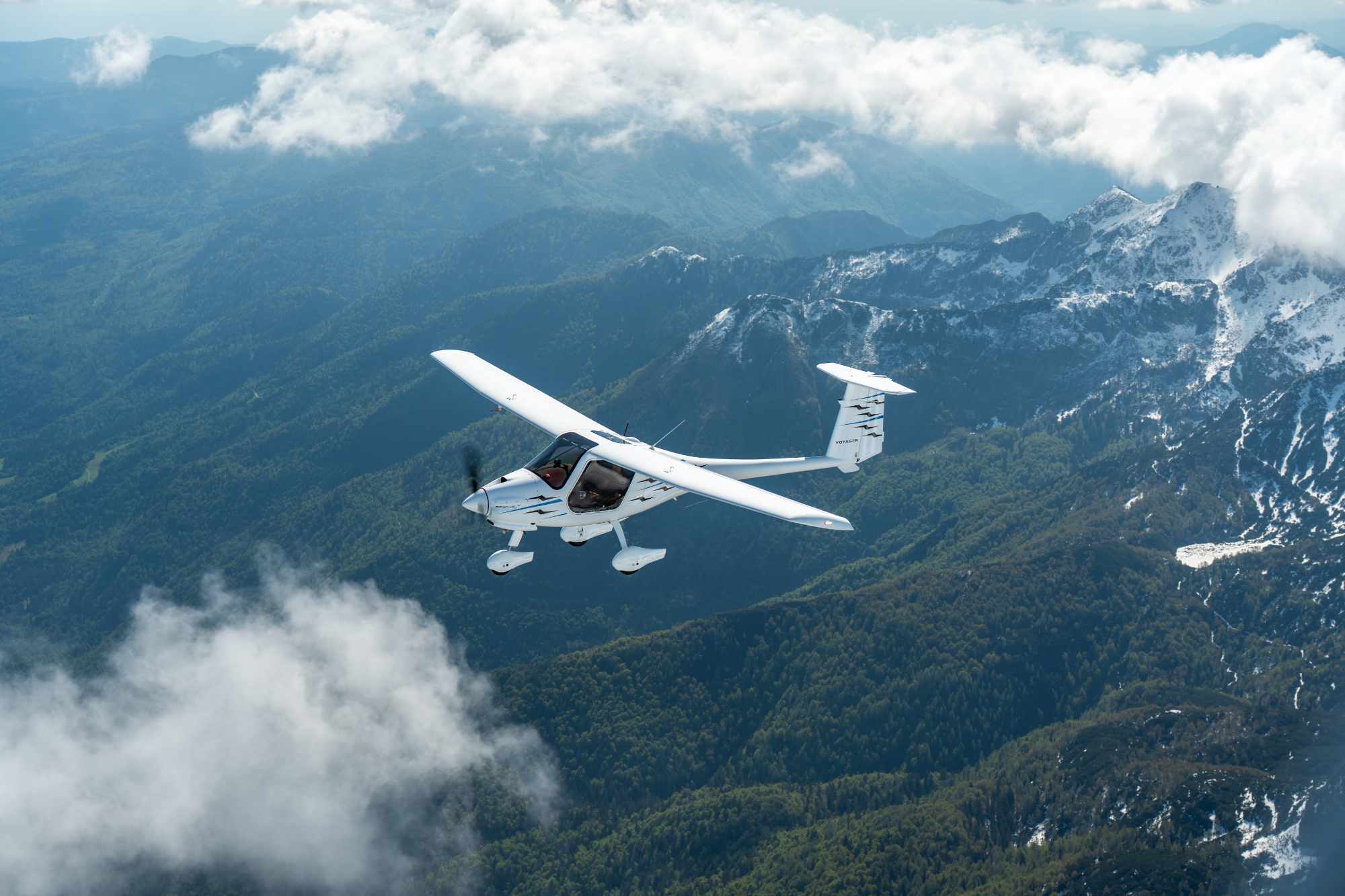
As light-aircraft operators and flight schools evaluate fleet modernizations based on mission capability and lifecycle economics, Pipistrel – a Textron Inc. company and affiliate of Textron Aviation Inc.- is aligning its aircraft portfolio with practical operational requirements. Headquartered in Ajdovščina, Slovenia, Pipistrel selects conventional, electric, and hybrid-electric propulsion systems tailored to specific flight profiles rather than taking a one-size-fits-all approach. Following the global deployment of the EASA type-certified Velis Electro, Pipistrel expanded its lineup at EAA AirVenture Oshkosh with the introduction of the Voyager. Designed to align with the FAA’s Modernization of Special Airworthiness Certification (MOSAIC) framework, the Garmin AXIS-equipped two-seater supports expanded training missions, including day/night IFR instruction and intentional spins, ahead of its scheduled 2027 entry into service.
Interview with Chris Crow, Vice President, Piston & Pipistrel Sales at Textron Aviation.
A brief description of the company and its activities.
Chris Crow: Headquartered in Ajdovščina, Slovenia, Pipistrel is a Textron Inc. company and an affiliate of Textron Aviation Inc. focused on electric, hybrid-electric and conventionally powered aircraft solutions. Pipistrel develops aircraft for flight training, personal flying and special missions, combining practical innovation with technologies designed around how operators use the aircraft.
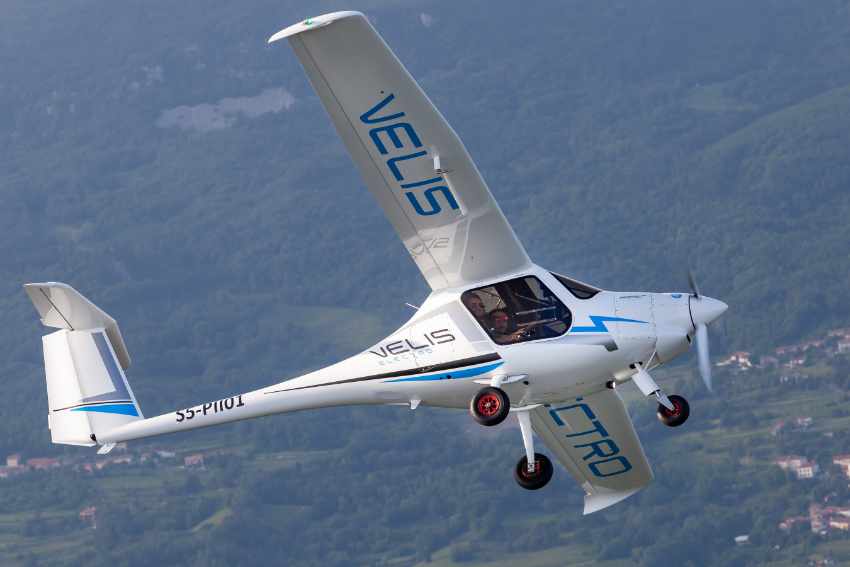
The portfolio includes the Velis Electro, the world’s first and currently only electric aircraft with full type certification through EASA and exemption from FAA. More than 100 Velis Electro aircraft have entered service, with the aircraft now validated in more than 30 countries. Pipistrel also recently introduced the Voyager, a next-generation, two-seat training aircraft designed to support evolving flight training requirements and align with the Federal Aviation Administration’s (FAA) Modernization of Special Airworthiness Certification (MOSAIC) framework. The Voyager is designed to support a broad range of training missions, from primary instruction through advanced flight training and is expected to enter service in 2027.
What are the main areas of activity of the company?
C.C: Pipistrel designs and produces aircraft for pilot training, personal flying, gliding and special missions. We select conventional, electric and hybrid-electric propulsion according to the mission rather than treating one technology as the answer for every operation. That approach allows us to balance capability, efficiency and operating requirements for each customer.

What’s the news about new products/services?
C.C: The most recent addition to the Pipistrel product portfolio is the Voyager, a two-seat aircraft designed specifically for modern flight training and introduced at the 2026 Experimental Aircraft Association (EAA) AirVenture air show, held in Oshkosh, Wisconsin.
The Voyager is designed to align with the Federal Aviation Administration’s (FAA) Modernization of Special Airworthiness Certification (MOSAIC) framework and support a wider range of training missions within a single platform, including day and night instrument flight rules (IFR) instruction and intentional spin training. Its Garmin AXIS avionics suite and training-focused design are intended to help students progress from primary instruction through more advanced flight training while providing operators with versatile aircraft for high-utilization environments.
The Voyager is expected to enter service in 2027 and reflects Pipistrel’s continued focus on developing aircraft around specific mission requirements rather than applying a one-size-fits-all approach to aviation.
What are the ranges of products/services?
C.C: Our portfolio is designed around the different requirements of flight training, personal aviation, touring and specialized operations. Rather than developing a single platform for every use case, Pipistrel tailors’ aircraft capabilities, propulsion systems and avionics to the mission.
For flight training, the Alpha Trainer provides a cost-efficient platform for VFR instruction, while the Voyager is designed to support a broader range of training missions, including day and night IFR instruction and intentional spin training. The Velis Electro offers an electric solution for shorter training operations where its capabilities align with mission requirements.
For personal flying and advanced operations, the Explorer and Virus SW combine modern avionics, operational flexibility and multiple equipment configurations to support a range of customer needs.
At the high-performance end of the portfolio, the four-seater Panthera was developed for operators seeking speed, efficiency and long-range capability in a single aircraft.
Pipistrel’s gliding heritage also remains an important part of the portfolio, with aircraft such as the Sinus and Taurus Electro demonstrating the company’s longstanding focus on aerodynamic efficiency and alternative propulsion technologies.
What is the state of the market where you are currently active?
C.C: Across the light-aircraft market, we meet with customers that are evaluating aircraft around mission capability, lifecycle value and operating economics. Flight schools are focused on aircraft that can support high utilization and a broader range of training, while private operators continue to prioritize performance, modern avionics and flexibility. Pipistrel’s portfolio is designed around those different mission requirements.
What can you tell us about market trends?
C.C: We are seeing growing interest in aircraft that combine modern technology, operational efficiency and expanded training capability. In the United States, the FAA’s MOSAIC framework is expected to open new opportunities for more capable aircraft, enabling flight schools and operators to accomplish a wider range of training missions with a single platform.
We are also seeing electric propulsion established in missions where its current strengths are a good fit, rather than being treated as a replacement for every conventional aircraft. While further development of charging and supporting infrastructure is needed to enable wider adoption of electric aircraft, the Velis Electro has already shown that electric aviation is a practical reality today.
At the same time, performance-based regulation is creating more flexibility for manufacturers to introduce modern avionics, propulsion systems and other technologies while continuing to meet appropriate safety standards.
What are the most innovative products/services marketed?
C.C: Pipistrel’s approach to innovation is to apply new technology where it delivers practical operational benefits. The Velis Electro demonstrates this approach through its type-certified electric propulsion system, while the Voyager applies modern avionics and training-focused design to support a wider range of pilot training missions. Pipistrel also continues to advance technologies related to electric propulsion, battery systems and aircraft efficiency.
What estimations do you have for the second half of 2026?
C.C: For the remainder of 2026, Pipistrel’s focus is on supporting customers while continuing to advance the Voyager program toward its planned 2027 entry into service. We remain committed to delivering the service, training and operational support our customers need today, while investing in the technologies and capabilities that will shape the future of aviation.