
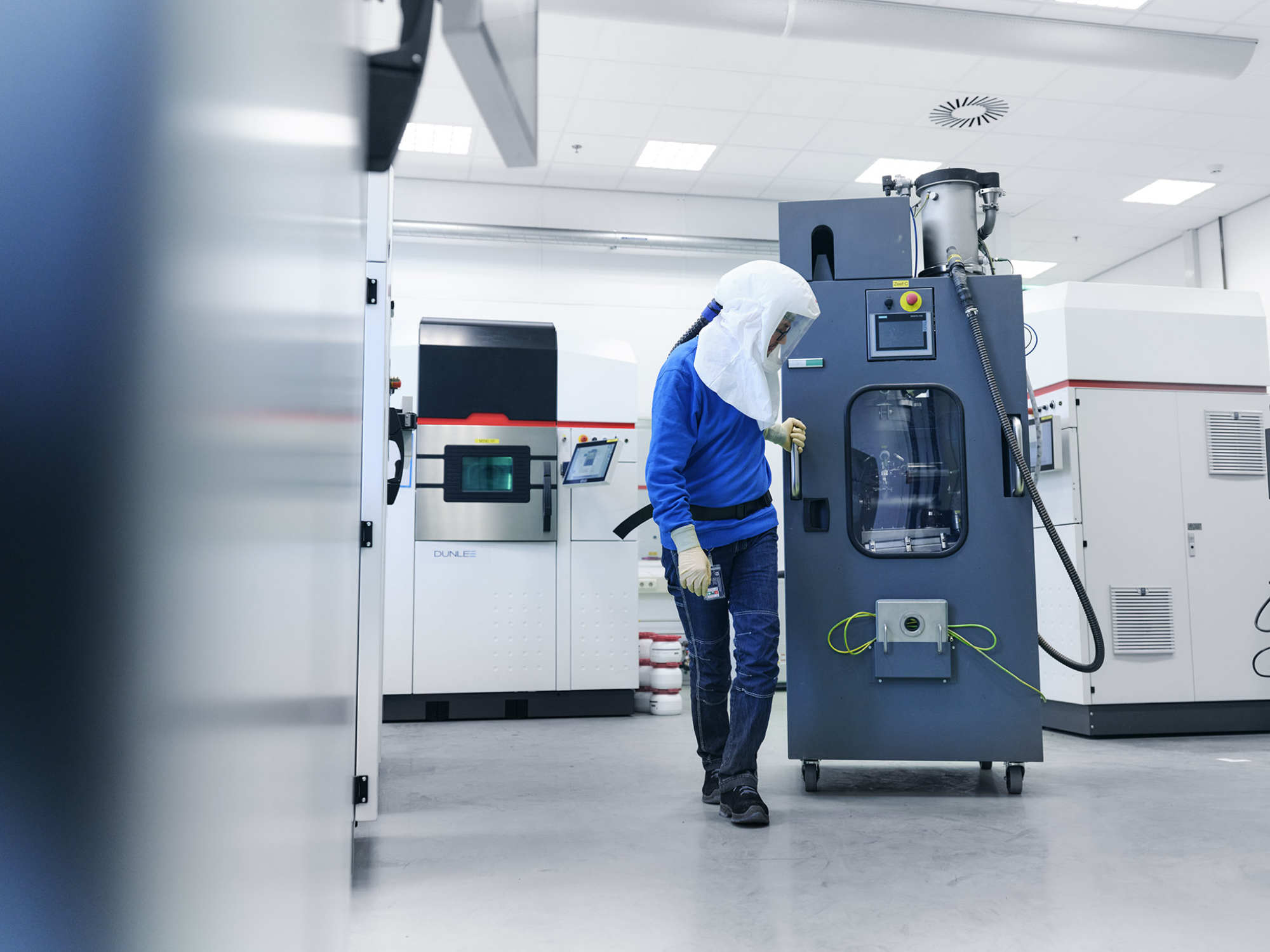
As the global medical imaging market demands higher thermal management and streamlined departmental workflows, medical component manufacturer Dunlee is expanding its engineering partnerships with OEM system developers and research institutions like the Max-Planck-Institut. Specializing in CT tubes, high-voltage generators, image-guided radiation therapy components, MRI breast coils, and anti-scatter grids, Dunlee operates the world’s largest 3D tungsten printer park for additive component fabrication. In response to growing premium CT market requirements, the company engineered a unipolar, water-cooled CT tube utilizing liquid metal bearing technology, designed to deliver stable photon-beam power and exceptional patient throughput even across extra-small focal spots. These hardware advancements align with broader industry trends toward artificial intelligence integration, low-helium or helium-free MR magnet architectures, and 3D-printed 2D grids, setting the stage for upcoming technical presentations at the Radiological Society of North America (RSNA) meeting in Chicago.
interview with Christina Meyer-Bland, Marketing Communications & Content Manager at Dunlee.
A brief description of the company and its activities.
Christina Meyer-Bland: Dunlee designs and manufactures innovative components for imaging system manufacturers, as well as MR coils and tungsten parts. We collaborate with our customers — providing deep imaging expertise as well as state-of-the-art technologies — to help them build systems that support confident patient diagnoses. We understand: Great ideas + excellent engineering = innovation.
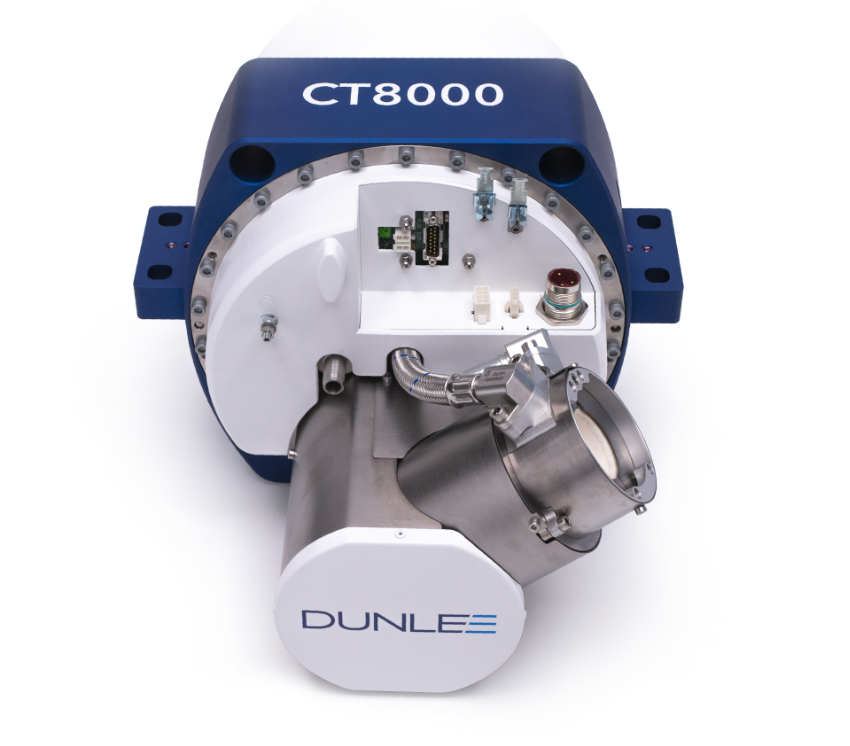
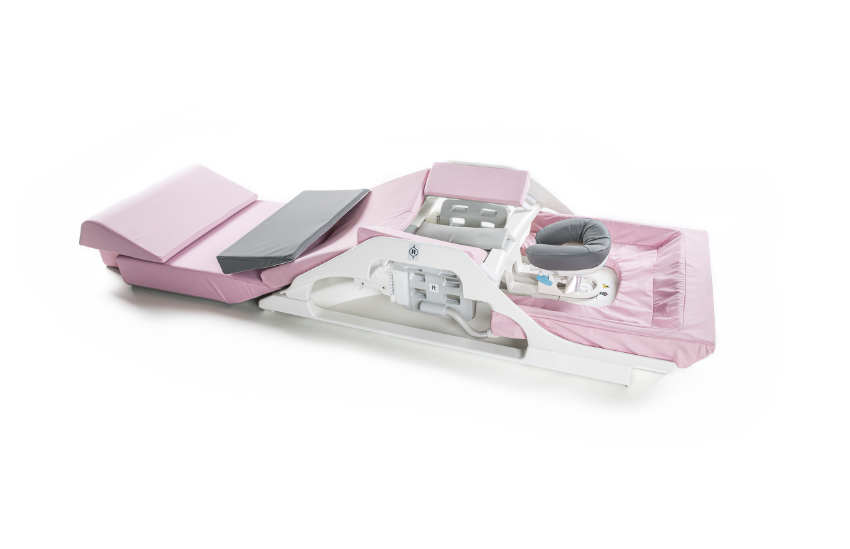
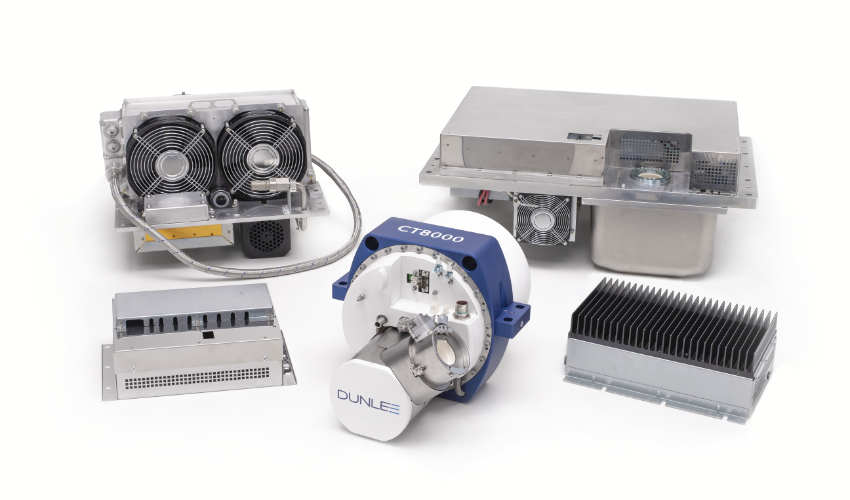
What are the ranges of products/services?
C.M.B:Dunlee works in partnership with its customers from conceptualization to mass production to create components that are engineered to exacting specification.
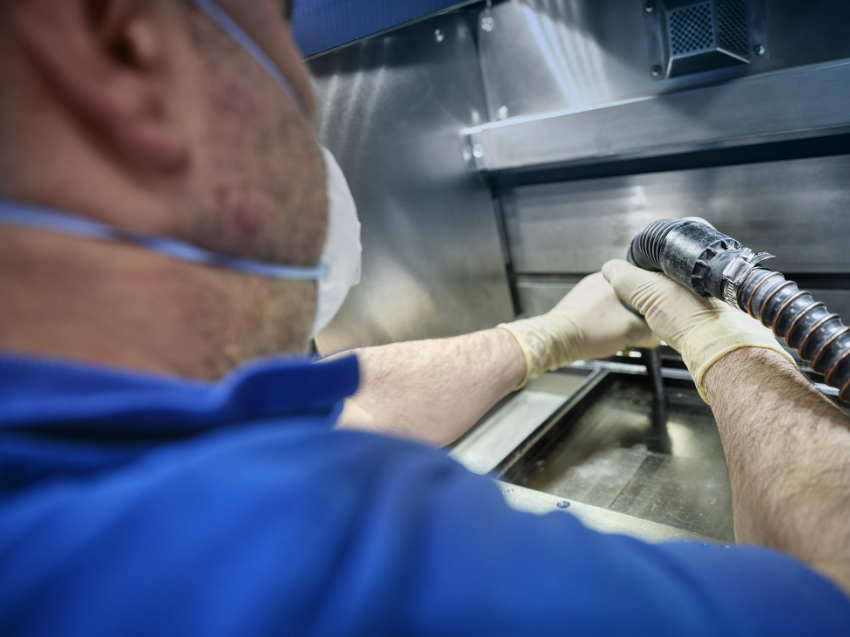
We manufacture CT tubes and generators, components for image-guided radiation therapy, MRI breast coils, and anti-scatter grids for X-ray systems. We also create tungsten parts in the world’s biggest 3D tungsten printer park, working with medical system manufacturers and research institutions like Max-Planck-Institut.

What is the state of the market where you are currently active?
C.M.B:The medical imaging market continues to be driven by technological advances that enable visualization of fine details and that increase departmental efficiency. AI is increasingly used to reduce manual steps in image acquisition, ease reporting, and provide a second review of images.
What can you tell us about market trends?
C.M.B:The premium CT system market is growing fast, increasing the demand for reliable tubes that balance focal spot size with heat management. In MR, helium-free/low-helium magnets eliminate dependence on helium while also being easier to install because no quench pipe is needed. The grid market is changing: 3D printing can now be used to manufacture 2D grids for modern systems, while 1D grids maintain their importance in mammography.
What are the most innovative products/services marketed?
C.M.B:Our unipolar, water-cooled, liquid metal bearing premium CT tube supports excellent patient throughput and delivers the required photon-beam power even in tubes with extra-small focal spots.
What estimations do you have for the second half of 2026?
C.M.B:Manufacturers often wait until the end of November to introduce new products at the annual Radiological Society of North America (RSNA) meeting in Chicago, and researchers present their latest findings there. We expect to see new advances in efficiency, sustainability and advanced imaging.