
As industrial automation transitions from simple visual quality inspections to autonomous, AI-driven operations, fabless semiconductor leader OMNIVISION is expanding its machine vision portfolio to support real-time spatial computing and edge AI. At the VISION show, the company announced two major global shutter (GS) CMOS image sensors designed for high-speed industrial applications. The OG05D features a 2.2-micron pixel architecture and 5-megapixel high dynamic range (HDR) output at up to 146 frames per second, tailored specifically for compact AI cameras, barcode scanners, and humanoid robotics training data collection. Complementing this, the OG12S10 provides a 12-megapixel backside-illuminated (BSI) format with an ultra-short one-microsecond exposure time for factory automation and intelligent transportation systems. Utilizing proprietary Nyxel® near-infrared (NIR) technology and local processing integration via its OAX companion processors, OMNIVISION delivers high signal-to-noise ratio image metadata to fuelautonomous mobile robots and 3D depth-sensing systems.
Interview with Sylvia Zhang, VP of Marketing at OMNIVISION.
A brief description of the company and its activities.
Sylvia Zhang: OMNIVISION is a global fabless semiconductor organization that develops advanced digital imaging, analog and display solutions for multiple applications and industries, including mobile phones, security and surveillance, automotive, computing, medical and emerging applications. Its award-winning innovative technologies enable a smoother human/machine interface in many of today’s commercial devices.
What are the main areas of activity of the company?
S.Z: The main areas of focus for OMNIVISION is the design and development of advanced digital imaging, analog and display semiconductor solutions.
Operating as a prominent fabless semiconductor company, OMNIVISION’s core business revolves around engineering high-performance CMOS image sensors. These chips act as the “eyes” for digital and automotive cameras and automated industrial systems and robotics, enabling smoother human-to-machine interfaces.
What’s the news about new products/services?
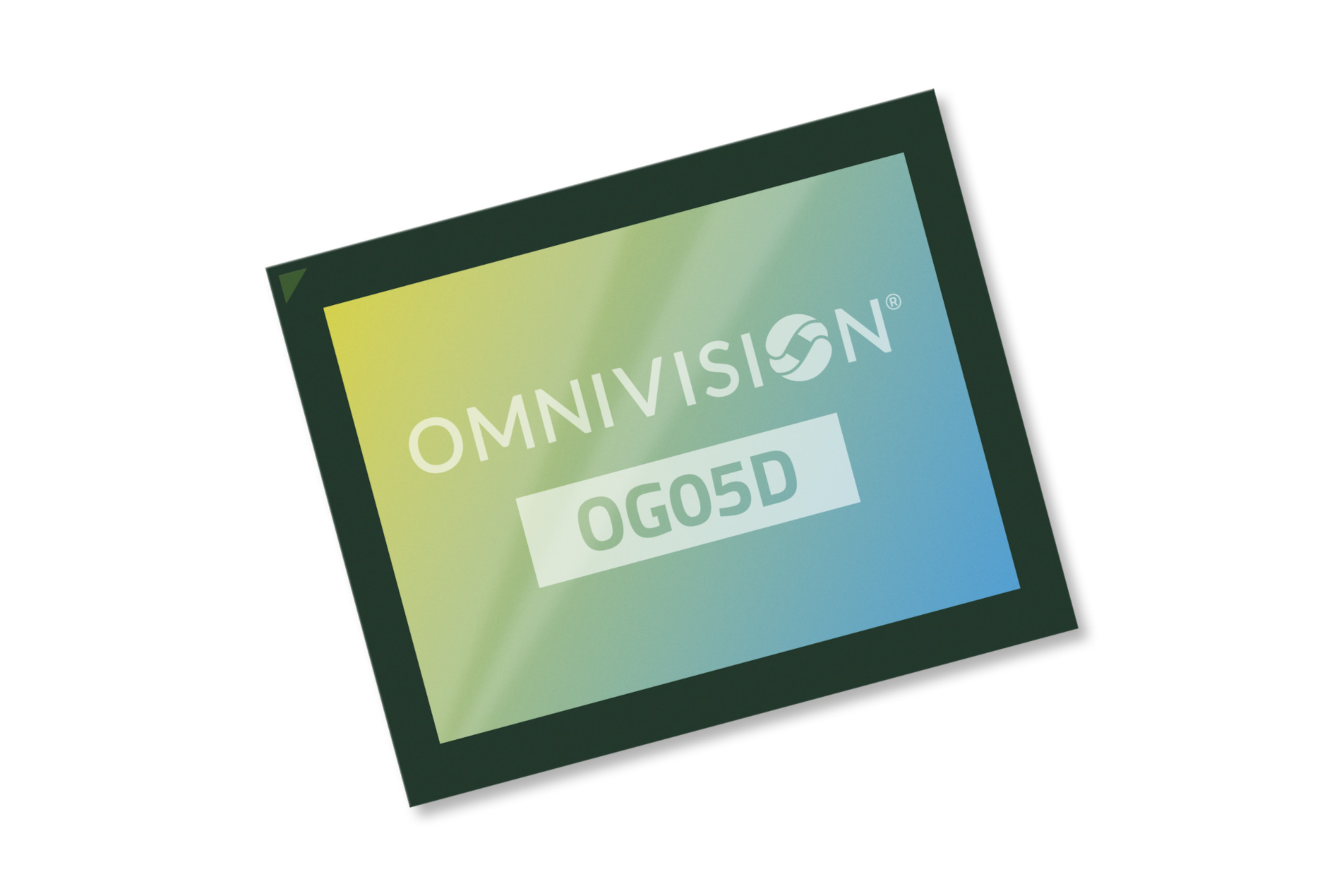
S.Z: At the VISION show this October 2026, OMNIVISION announced the industry’s first 2.2-micron (µm) 5-megapixel (MP) global shutter (GS) high dynamic range (HDR) CMOS image sensor that is purpose-built for industrial machine vision applications, such as barcode scanners, factory automation, compact AI cameras and humanoid robotics, especially data-collection devices for robotics training. At a maximum output of 146 frames per second (fps) in linear mode, the new OG05D is 143% faster than previous-generation sensors.
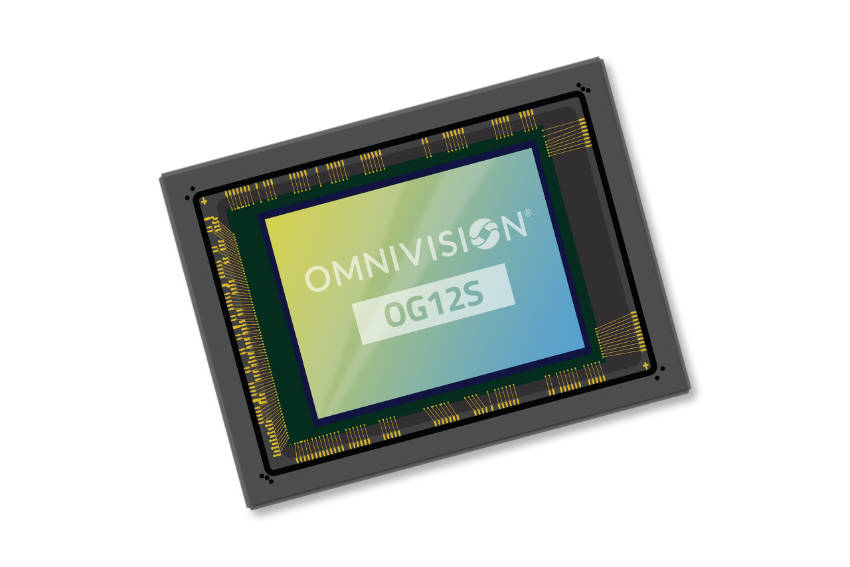
OMNIVISION has also launched the new OG12S10 12-MP backside illuminated (BSI) GS CMOS image sensor for factory automation and intelligent transportation systems (ITS). It features a large 3.45µm pixel, providing exceptional sensitivity and high quantum efficiency (QE). It supports an ultra-short exposure time of one-microsecond (µs) for extreme accuracy control in high-speed motion scenarios.
What are the ranges of products/services?
S.Z: OMNIVISION offers a wide portfolio of advanced digital imaging, analog and display solutions, including:
- Machine Vision & Security: GS and BSI sensors designed for low-light performance, factory automation, robotics and commercial/smart-home surveillance systems.
- Automotive Sensors: HDR and GS sensors specialized for advanced driver-assistance systems (ADAS), autonomous driving platforms, e-mirrors and in-cabin driver/occupant monitoring systems (DMS/OMS).
- Medical Imaging: Ultra-compact sensors engineered specifically for disposable and reusable endoscopes, catheters and medical imaging devices.
- Mobile & Computing Sensors: High-resolution image sensors for smartphones, laptops, webcams and tablets.
- Emerging Technology: High-resolution sensors and ultra-compact LCOS panels designed for lightweight, fashionable and interactive smart glasses and head-mounted displays.
What is the state of the market where you are currently active?
S.Z: The market for OMNIVISION machine vision products in late 2026 is experiencing a strong, specialized growth phase. The broader industrial machine vision market is valued at over $17 billion and is shifting away from simple resolution increases toward high-value performance metrics. OMNIVISION has successfully positioned its portfolio to capture these high-margin, intelligent industrial segments.
What can you tell us about market trends?
S.Z: The global machine vision market is undergoing a massive transformation, shifting from a passive system used for simple quality checks into an active, AI-driven cornerstone of automated industries. The market is projected to expand significantly, driven by a global push toward fully autonomous factories, smart logistics and next-generation robotics.
While traditional 2D vision (capturing flat images) remains highly relevant for barcode reading and basic surface inspections, 3D vision technology is seeing the fastest adoption rate in the industry.
The global machine vision trends map directly to OMNIVISION’s specific technologies:
3D machine vision requires extreme spatial accuracy. OMNIVISION produces dedicated 3D depth-sensing and biometric recognition sensors optimized for stereo vision, structured light, and time-of-flight (ToF) architectures. OMNIVISION sensors allow robotic arms to calculate accurate size, depth and distance—giving automated systems the precise human-like eye coordination needed for complex picking and sorting on factory floors.
Centralized computing is being replaced by local processing to reduce data latency.OMNIVISION addresses this by designing high signal-to-noise ratio (SNR) CMOS sensors that generate incredibly “clean” metadata, which is highly optimized for AI algorithms to ingest without processing lag. By pairing these high-SNR sensors with proprietary AI companion processors, like the OAX series, OMNIVISION allows industrial cameras to run localized deep learning models—such as immediately identifying a defect on an assembly line—without needing a constant cloud connection.
Autonomous mobile robots (AMRs) and automated forklifts require high-speed navigation without motion blur. OMNIVISION has developed the world’s smallest global shutter pixel, 2.2 µm, specifically for compact machine vision hardware. By shrinking the global shutter architecture into tiny form factors, OMNIVISION enables warehouse drone and robot manufacturers to install multi-camera configurations for simultaneous localization and mapping (SLAM) without sacrificing weight or payload space.
What are the most innovative technologies marketed?
S.Z: The machine vision market is demanding sensors that can see through objects using shortwave and near-infrared light. This is OMNIVISION’s primary competitive stronghold via its Nyxel® NIR technology.
Nyxel® is a proprietary near-infrared (NIR) sensor technology developed by OMNIVISION. It is engineered to drastically improve how image sensors “see” and capture images in ultra-low light or total darkness without consuming massive amounts of power.
By optimizing how a CMOS image sensor handles invisible infrared light, Nyxel allows machine vision and security cameras, automotive systems, and mobile devices to capture sharp, clear pictures using significantly fewer power-hungry infrared LEDs.
What estimations do you have for the second half of 2026?
S.Z: The market for OMNIVISION in the second half of 2026 is defined by a strong structural rebound driven by AI-powered imaging and automotive technology, offsetting short-term margin pressures from consumer electronics. In particular, the market outlook for OMNIVISION’s machine vision, robotics and edge AI sectors in the second half of 2026 is exceptionally strong, serving as the company’s primary growth engine.