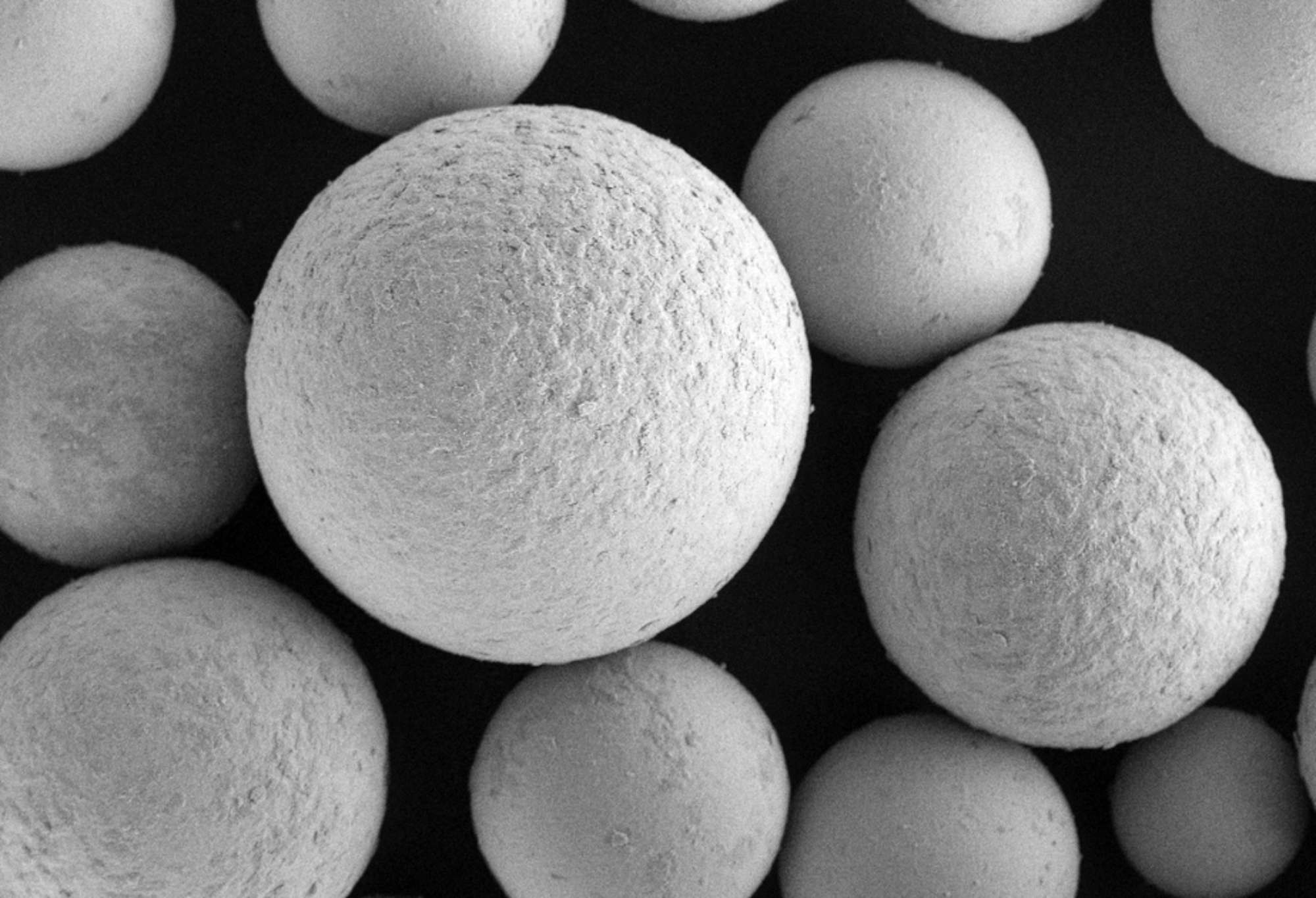
As Europe tightens environmental restrictions under REACH regarding hexavalent chromium, or Cr(VI), industrial coaters and original equipment manufacturers require commercially viable surface treatments that protect hydraulic rods, rollers, and tooling without costly facility redesigns. Australian deep-tech startup EntroMat, a spin-out from Swinburne University of Technology, is addressing this challenge by developing High Entropy Materials (HEMs). Unlike conventional single-dominant-element alloys, EntroMat’s computational materials engineering platform combines multiple principal elements to optimize hardness, sliding-wear resistance, and corrosion protection. Designed as drop-in powder feedstocks for existing thermal-spray and laser-cladding infrastructure, these metal powders allow coaters to retain current application equipment while adopting safer alternatives. Recent collaboration with Fraunhofer ILT in Germany confirmed dense, strongly bonded coatings with hardness values between 700 and 800 HV, positioning EntroMat’s compositions for small industrial trials across maintenance, repair, and overhaul sectors.
For decades, hard chrome has protected hydraulic rods, rollers, tooling and other industrial components against wear and corrosion. It is familiar, proven and widely specified. But its production commonly relies on hexavalent chromium, or Cr(VI), creating serious worker-health, environmental and compliance challenges. As Europe tightens regulation under REACH, industry needs alternatives that are not only safer, but practical, durable and commercially competitive.
EntroMat is an Australian advanced materials company developing High Entropy Materials (HEMs) for demanding industrial environments. A spin-out from Swinburne University of Technology in Melbourne, the company combines computational materials engineering, AI-assisted alloy development, powder production and physical testing to create new metal compositions for specific applications.
Unlike conventional alloys, which are usually built around one dominant element, HEMs combine multiple principal elements. This expanded design space allows properties such as hardness, toughness, wear resistance and corrosion resistance to be engineered together. EntroMat’s objective is straightforward: replace legacy materials that are toxic, supply-constrained or reaching their performance limits, without asking customers to redesign their operations.
The Regulatory Pressure on Hard Chrome
Chromium trioxide and other Cr(VI) substances are already subject to REACH authorisation. The European regulatory framework is now moving toward a broader restriction covering Cr(VI) substances used in applications including electroplating and surface treatment. The final rules, derogations and transition arrangements remain subject to the EU process, so this should not be described as a single blanket ban taking effect on one date. The direction, however, is clear: continued reliance on Cr(VI) is becoming more complex, costly and uncertain.
For manufacturers, coaters and maintenance providers, the challenge extends beyond regulatory compliance. They must preserve component life, production uptime, quality and cost. A technically impressive alternative will not gain widespread adoption if it requires new capital equipment, disrupts production or makes each component uneconomic.
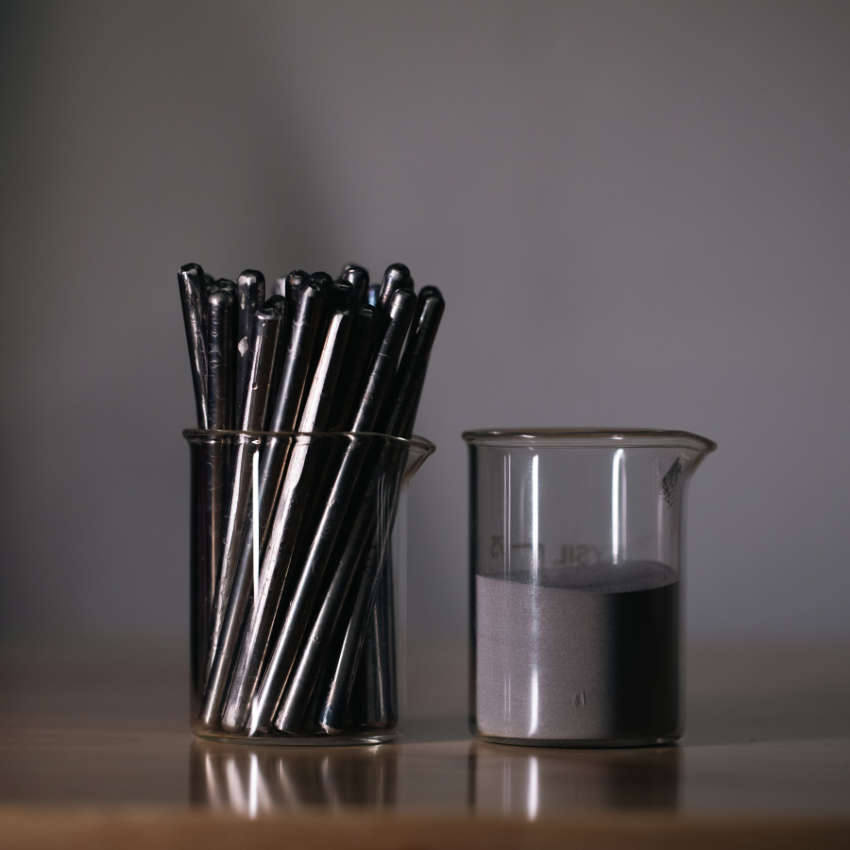
That is the problem EntroMat is addressing with its wear- and corrosion-resistant material family, led by a hard chrome replacement designed for established thermal-spray and laser-cladding processes. EntroMat supplies metal powders to coating companies, component producers and manufacturing partners rather than operating as a parts-coating business. This enables customers to retain their application expertise, equipment and customer relationships while changing the material that provides performance.
A Drop-In Path to Better Performance
EntroMat’s hard chrome replacement is being developed as a practical drop-in powder solution. It is intended for use with existing industrial coating infrastructure, avoiding wholesale changes to customer workflows. Target applications include hydraulic-cylinder rods, large rollers, shafts, pins, bushings and other components exposed to sliding wear, moisture, chemicals or abrasive industrial environments.
Internal comparative testing has shown selected EntroMat compositions delivering up to approximately ten times (10 X) the sliding-wear resistance and up to approximately seventy times (70 X) the corrosion resistance of hard chrome under the test conditions used. Application performance will vary with substrate, coating process, operating environment and finishing requirements, so EntroMat is progressing customer-specific validation rather than treating laboratory results as universal field claims.
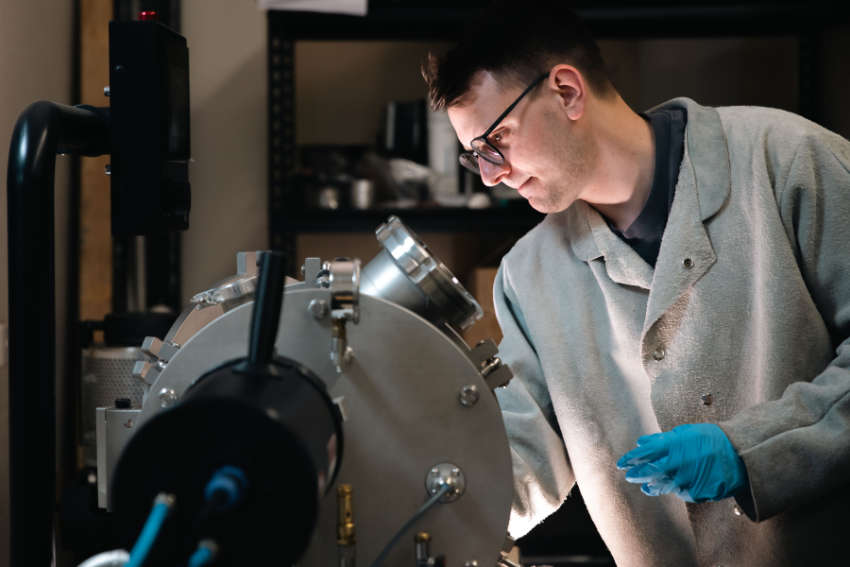
Recent work with Fraunhofer ILT in Germany has advanced the material toward industrial trials. Testing of a leading composition produced dense, strongly bonded coatings with hardness of approximately 700 to 800 HV after process refinement. The results were considered sufficiently mature to support customer discussions and small industrial trials, while corrosion behaviour and wear performance require validation for each application.
Cost Competitiveness Is Designed In
Hard chrome itself can have a low chemistry cost, but the deposited coating carries labour, energy, environmental health and safety controls, waste treatment and regulatory overhead. Some substitute technologies provide strong performance but are expensive to purchase or apply. EntroMat’s aim is to compete on total applied and lifetime cost, not simply powder price.
The company uses recycled specialty-alloy feedstocks where technically appropriate, reducing dependence on costly virgin elements and creating a structural route to lower production cost. Its commercial model is also designed for scale: initial powder supply can be followed by regional manufacturing partnerships or licensing as customer demand grows.
EntroMat’s internal cost analysis indicates that its hard chrome replacement can reach an applied cost comparable with established alternatives, while stronger wear and corrosion performance can reduce lifetime cost through longer service intervals, fewer rebuilds and less downtime. The value proposition is therefore not “green at any price”. It is a safer, high-performance material engineered to be commercially credible for industrial adoption.
Products for Wear, Corrosion and Extreme Environments
Hard chrome replacement is EntroMat’s market-entry product, but it is part of a broader platform. The company is developing materials for:
- Wear- and corrosion-resistant industrial coatings
- Tungsten-carbide replacement and carbide-reinforced systems
- Mining, steelmaking and heavy-equipment applications
- Marine corrosion and anti-fouling applications
- Aerospace, defence and high-temperature environments
- Additive manufacturing and powder metallurgy
- Energy applications requiring tailored conductivity, corrosion or thermal performance
The common approach is to begin with the customer’s operating problem and engineer the composition, powder characteristics and application pathway around it. Some products are intended as drop-in replacements; others will be developed with customers for highly specific conditions.
Market Outlook
The shift away from Cr(VI) creates strong market pull, particularly in Europe, but regulation alone will not select the winners. Industrial customers will require repeatable powder quality, robust coating parameters, application-specific test data, supply assurance and a convincing cost-benefit case.
EntroMat’s priorities for the remainder of 2026 are customer validation, small industrial trials, market-ready technical data and preparation for scalable powder supply. The company is initially focused on maintenance, repair and overhaul and specialist component producers, where trials can be completed faster than full OEM qualification. Successful field results can then support adoption by larger equipment manufacturers.
Europe’s hard chrome transition is not simply a compliance event. It is an opportunity to replace a legacy process with materials that can deliver greater durability, lower lifetime cost and safer manufacturing. EntroMat believes the winning replacement will be the one industry can actually use. Its goal is to make that replacement both technically superior and cost competitive.