
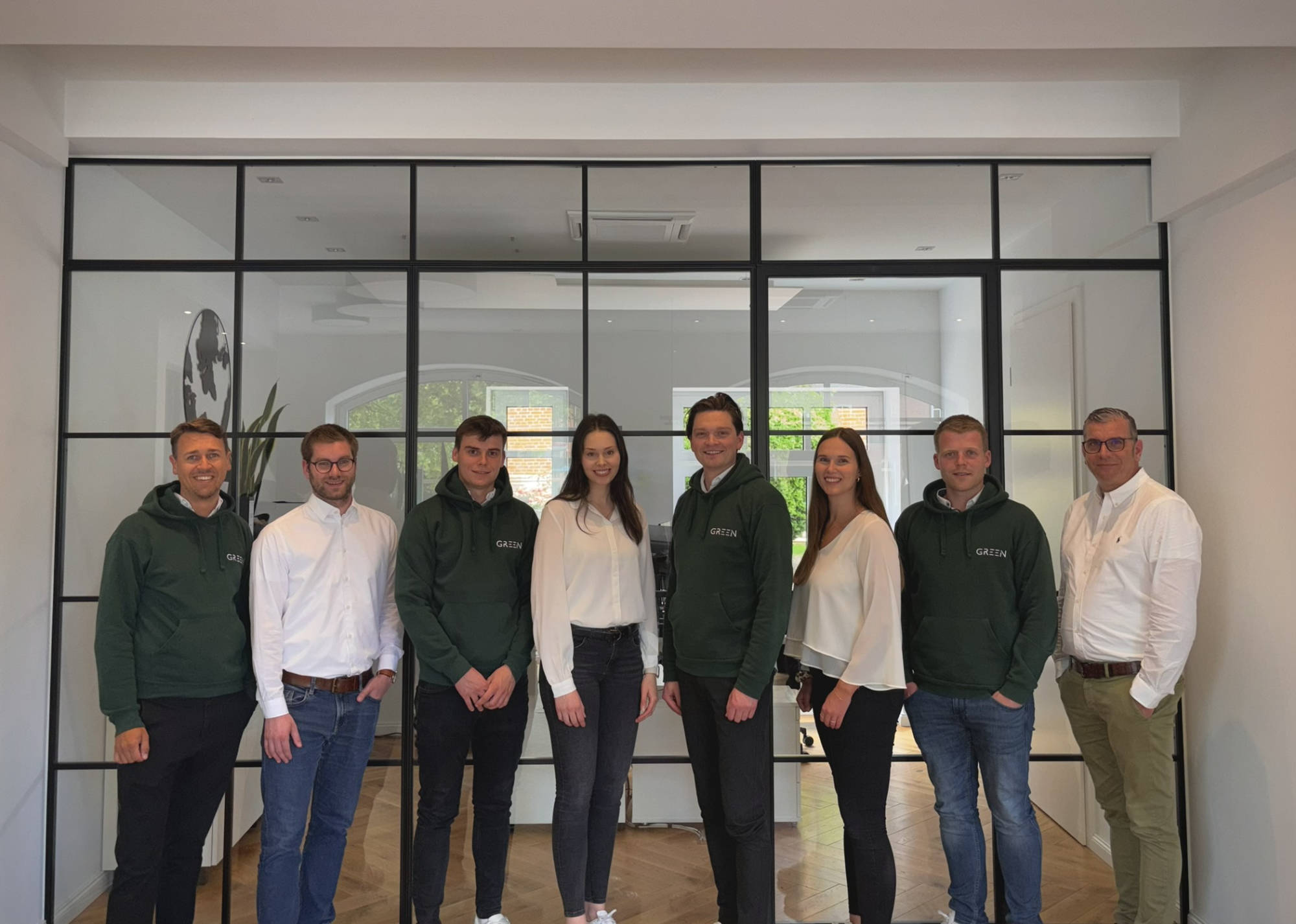
As the European renewable energy market navigates regulatory shifts and evolving grid frameworks, specialized transaction advisory remains essential for long-term asset profitability. Green Energy M&A GmbH provides strategic consulting, transaction management, and succession planning across biomethane, biogas, agriculture, and plant engineering sectors. Having advised on over 50 transactions with a network exceeding 100 investors, the firm recently launched an AI-supported future analysis service for existing biogas facilities. By pairing structured AI document extraction with technical and commercial evaluations, Green Energy M&A assesses post-EEG viability across flexible power generation, biomethane upgrading, Bio-LNG production, and biogenic CO₂ recovery. Despite transitional grid connection rules following the expiry of the German Gas Network Access Ordinance, growing transport fuel demand and GHG-reduction quotas (THG quota) are driving renewed M&A activity across the sector.
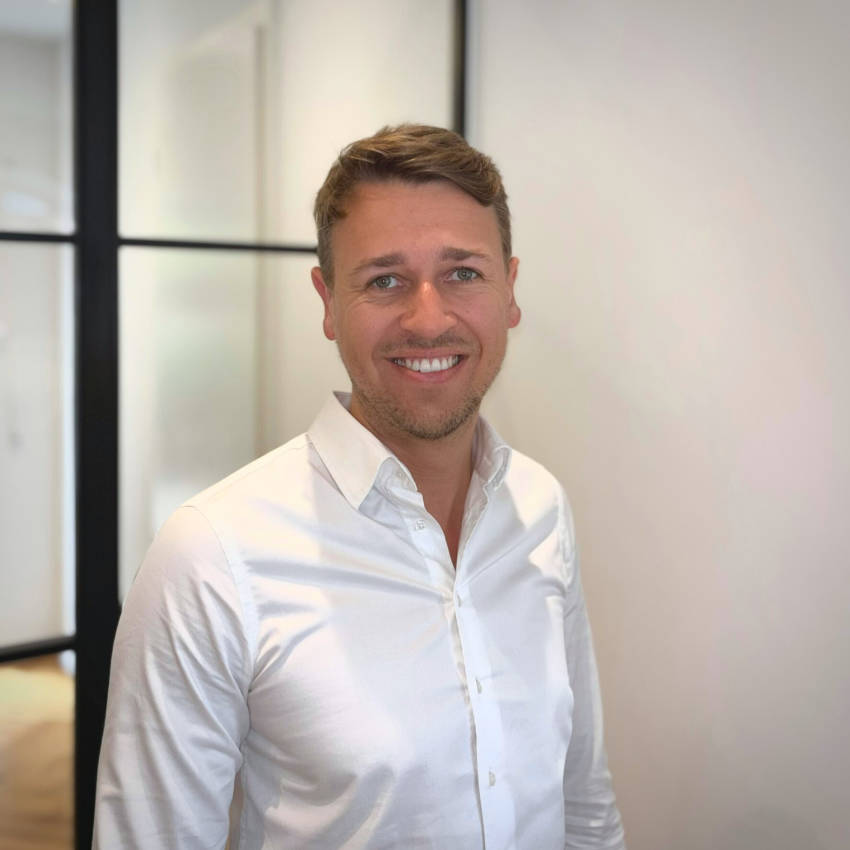
Interview with Jan Schwerdtfeger, Managing Director of Green Energy M&A GmbH.
A brief description of the company and its activities.
Jan Schwerdtfeger: Green Energy M&A is a specialized management and transaction advisory firm focused on companies, investors and project developers in sustainable and renewable energy-related industries.
We support our clients in strategic development, investment decisions, M&A transactions and business succession. Our core sectors include biogas and biomethane, renewable energy, agriculture and food as well as selected areas of mechanical and plant engineering.
Our approach combines deep industry expertise with financial and commercial analysis and an extensive network of operators, investors, banks and other market participants. To date, we have supported more than 50 transactions and maintain relationships with more than 100 investors.
What are the main areas of activity of the company?
J.S: Our activities are centered around four core areas: M&A advisory, strategy development, investment decisions and business succession.
In M&A projects, we support clients throughout the entire transaction process – from technical and commercial assessments and the preparation of transaction documents to investor approaches, due diligence and negotiations.
In strategy and investment projects, we conduct market analyses, develop business cases and profitability scenarios and support financing processes. In addition, we advise entrepreneurs and family-owned businesses on succession strategies and the identification of suitable successors or investors.
What’s the news about new products/services?
J.S: One of our latest services is an AI-supported future analysis for existing biogas plants. The objective is to provide plant operators and investors with a structured assessment of how a biogas plant can continue to operate economically beyond its current EEG remuneration period.
The process combines a standardized Quick Check with a more detailed feasibility study. Based on existing plant documentation, we assess factors such as plant capacity, location, substrate structure, permitting situation, expansion potential, operating concept and historical production and financial performance.
In the subsequent feasibility study, different future scenarios are analyzed – ranging from flexible electricity generation and biomethane upgrading to Bio-LNG production, increased raw biogas production or integration into a plant cluster.
Artificial intelligence supports the structured evaluation of documents, data extraction, plausibility checks and scenario analysis. The final assessment and recommendation remain the responsibility of our industry experts.
What are the ranges of products/services?
J.S: Our service portfolio covers the entire spectrum from strategic analysis to transaction execution.
We provide market and feasibility studies, business-case modelling, profitability analyses and support for investment and financing decisions. In M&A, our services include target sourcing, company and asset assessments, preparation of transaction documents, investor identification and approach, due diligence support and transaction management through to closing.
We also support companies in strategic development and business succession. Particularly in the biogas and biomethane sector, we combine technical plant assessments with commercial analysis in order to develop viable future concepts for existing assets.
What is the state of the market where you are currently active?
J.S: The German biomethane market offers significant long-term potential, but its development is currently being slowed by regulatory uncertainty. For producers and investors, one of the key challenges is the lack of long-term clarity regarding grid connections, cost allocation and the future framework for feeding biomethane into the gas grid.
Following the expiry of the German Gas Network Access Ordinance at the end of 2025, important grid connection provisions currently continue under transitional rules, while parts of the future regulatory framework are still being developed. This uncertainty makes long-term investment decisions more difficult, particularly for new biomethane projects.
At the same time, there is clear market potential and interest in new projects. However, this has not yet translated into a sufficiently strong project pipeline, since the regulatory issues must be cleared beforehand.
What can you tell us about market trends?
J.S: One of the most important trends we currently see is the growing economic relevance of biomethane in the transport sector. In particular, the interaction between biomethane prices and the value generated through Germany’s greenhouse-gas reduction quota – the THG quota – is becoming increasingly important.
From our market perspective, there is currently a significant gap between the value of GHG-reduction quotas and the underlying biomethane price. This indicates untapped potential, particularly when biomethane is used as a transport fuel. For producers with strong GHG performance, transport applications can therefore offer an attractive additional route to market.
At the same time, the biomethane market is becoming increasingly professional and international. Producers are evaluating different sales channels more systematically, while cross-border trading and certification are gaining importance. Overall, we expect the role of biomethane as a flexible renewable fuel to become increasingly important across different sectors.
What are the most innovative products/services marketed?
J.S: From our perspective, some of the most interesting innovations in the biogas and biomethane market are technologies that enable operators to create additional value from existing material and energy flows.
Examples include advanced digestate processing and nutrient recovery, pyrolysis technologies that can convert suitable residues into biochar, and the recovery and liquefaction of biogenic CO₂ from biomethane production. These approaches can create additional products and revenue streams while improving resource efficiency and circularity.
Another highly innovative approach is reversible power plant technology. Based on solid oxide fuel cells, the system can convert biogas into electricity at very high electrical efficiencies and switch between gas-to-power and power-to-gas operation. It can also separate biogenic CO₂ for further use or storage.
Many of these technologies are still at an early stage of broader market penetration, but we see significant potential for them to improve the economics and sustainability of biogas and biomethane plants in the future.
What estimations do you have for the second half of 2026?
J.S: For the second half of 2026, we have a positive outlook for the biomethane market. While important regulatory questions still need to be clarified – particularly with regard to grid connections and the future regulatory framework – the underlying economics for producers are becoming increasingly attractive.
From our perspective, stronger price signals are improving the position of biomethane producers and creating renewed momentum for investment. At the same time, we are currently seeing growing interest from international investors looking to enter or expand their activities in the German and European biomethane market.We therefore expect investment and transaction activity to increase as regulatory visibility improves. Existing plants with strong operating performance and credible development potential, as well as projects with clear routes to market, should increasingly attract investors. Overall, we see significant potential for further professionalization, consolidation and growth in the biom