
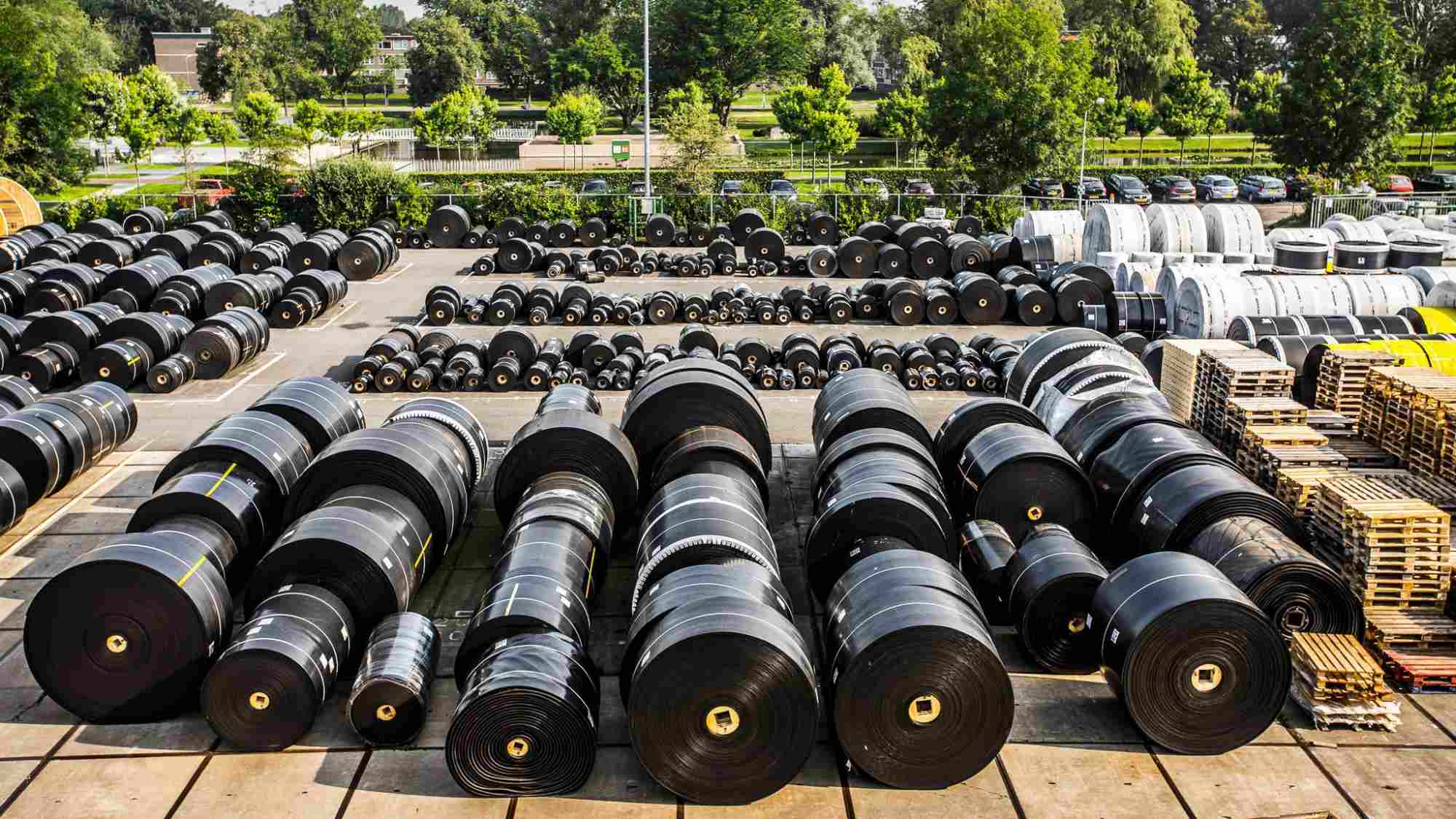
With operating budgets under continuous scrutiny from senior management, it is all too easy to make an expensive mistake when choosing industrial rubber conveyor belts. The following guide, put together by highly experienced specialists, explains the key selection factors.
SELECTION CRITERIA – always select belts based on their durability, suitability and longevity (whole life cost) rather than for short-term ‘saving’ motives. Experience shows, without doubt, that the price of the belt will be reflected in both its quality of performance and the length of its working life. A good quality belt produced by a leading brand manufacturer can produce a working life of up to 400% or longer compared to low-grade belts that need frequent repairs and then have to be replaced after only a year or two, often less.
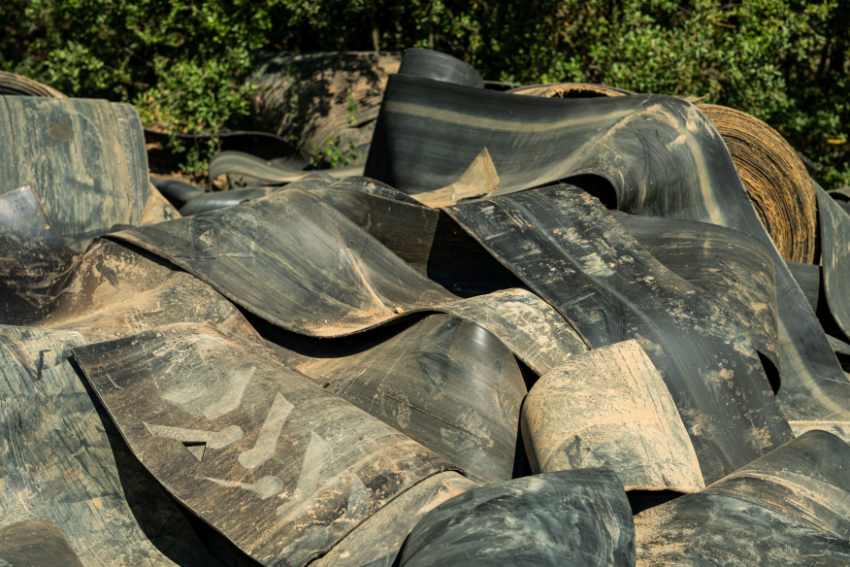
The biggest source of low-price, low-grade belting is, of course, the South and East Asia, primarily China. The prices may be very tempting, but it is important to understand how they are achieved. Labour costs account for as little as 5% of the overall production cost. With raw materials making up some 70% of the cost, the only way to achieve a really low-price is to use inferior grade, unregulated raw materials. Cost-cutting methods include using insufficient amounts of important additives or even total omission of those additives. Other ‘tricks’ include using cheap, low-grade carbon black, the use of ‘bulking fillers’ instead of good quality polymers and low-grade inner synthetic plies. For conveyor belts, the lowest price can come at the highest cost.
WHY ARE YOU REPLACING THIS BELT? Always consider why a conveyor belt needs replacing. Did the top cover wear very quickly? Did the belt require frequent interventions to repair damaged covers or splice joints? Did it delaminate or steer badly? Whether you are looking to solve a problem or simply improve performance, the first thing to look at is the belt specification.
THE CORRECT SPECIFICATION – never assume that the specifications of your conveyor belts are correct. Mistakes may have been made in the past when calculating the original belt specification or different specifications tried in an attempt to solve problems that may have resulted in an unsuitable specification being fitted.
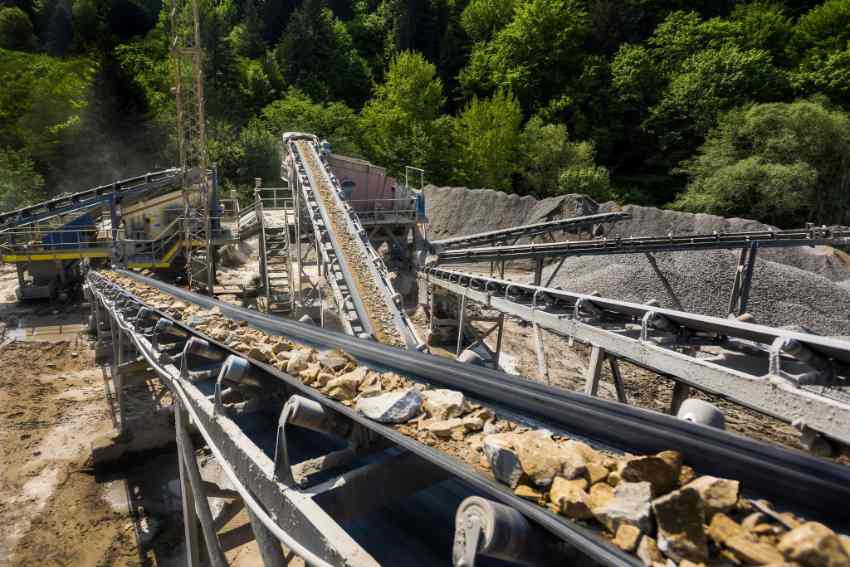
For example, belts that are too thick for the design of the application can cause problems such as excessive rigidity (lack of troughability) and steering and handling difficulties. The same applies if the tensile strength is too high. It is important to remember that for every step increase in tensile strength, the pulley and drum diameters need to be increased by 25%. The carcass of the belt may fail due to dynamic stress if this action has not been taken. Quality belt manufacturers and their service partners who supply and fit their belts, have experienced engineers who, when provided with sufficient information, will help calculate every aspect of the specification.
OUTER COVER SELECTION – the biggest influence on the performance and longevity of a conveyor belt is the durability of its outer rubber covers. The rubber is also the best opportunity for cost-cutting practices that help manufacturers win business by having the lowest prices but reduce performance and longevity. The abrasive wear properties of ALL conveyor belts should be at least DIN Y standard (ISO 4649 / DIN 53516 test maximum 150 mm3 loss) to achieve reasonable economic longevity. If particularly sharp, abrasive materials are conveyed then higher-grade DIN X covers (maximum rubber loss under testing of 120 mm³] may be more suitable because it is more resistant to cutting and gouging.
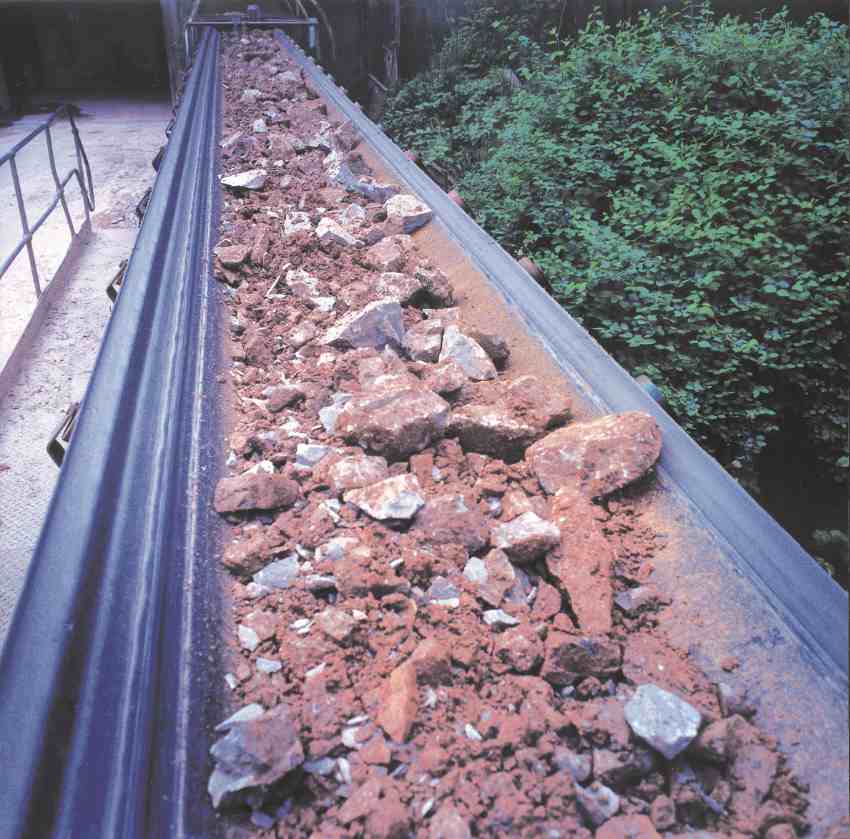
Faced with continual wear problems, increasing the cover specification may seem a logical solution but that is not necessarily the answer. One manufacturer’s DIN Y (ISO 14890 L) can often be more durable and more wear resistant than another manufacturer’s higher specification DIN X (ISO 14890 H) or even DIN W (ISO 14890 D), which are usually reserved for heavier-duty applications
CARCASS TYPE SELECTION –carcasses with multiple layers of synthetic fabric (multi-ply) are traditionally the most common type of carcass but that domination is now under considerable challenge from the lighter but stronger single and dual-ply belts (X Series) developed by Fenner Dunlop in the Netherlands and North America.
Always choose belts that that have been specially designed for the purpose, especially on conveyors where rip, tear and impact damage problems occur. Attempting to solve the problem by fitting belts with thicker covers and heavier carcasses is almost invariably a mistake.
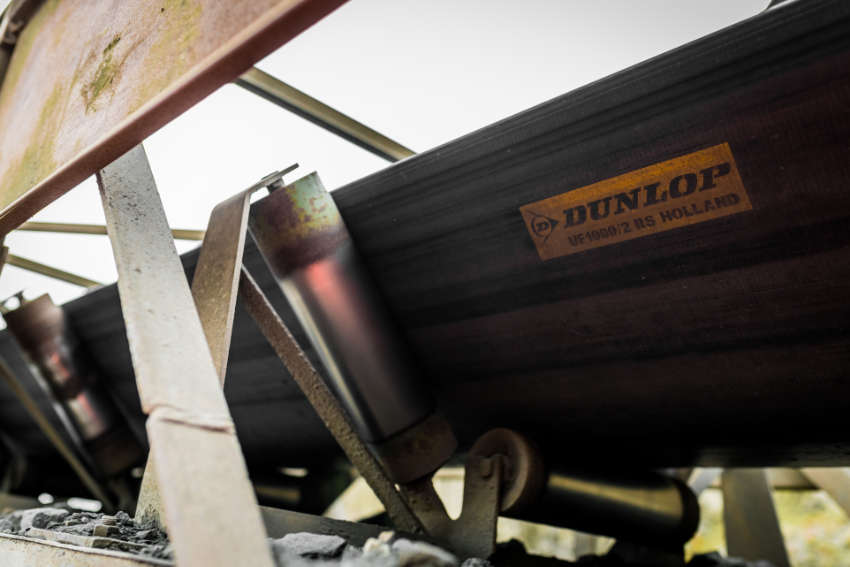
The initial buying price of a specialist belt will be higher, but the cost will be substantially lower over the working life of the belt, especially when increased productivity caused by the reduction in stoppages for repairs and premature replacement is taken into consideration.
AVOID NON-STANDARD BELTS – whenever possible, always choose belts from within the manufacturers standard stock range. Having a belt made to order rather than supplied from stock significantly increases the price. It also increases the delivery lead time, which can be very bad news if a belt needs to be replaced in an emergency. It is usually easy to choose a standard specification in terms of belt width and cover grade (quality) but the same cannot be said for the cover thickness. Any deviation from the available range of standard specifications held in stock means that the belt must be made to special order, invoking higher production costs, minimum length order quantities and much longer lead times.
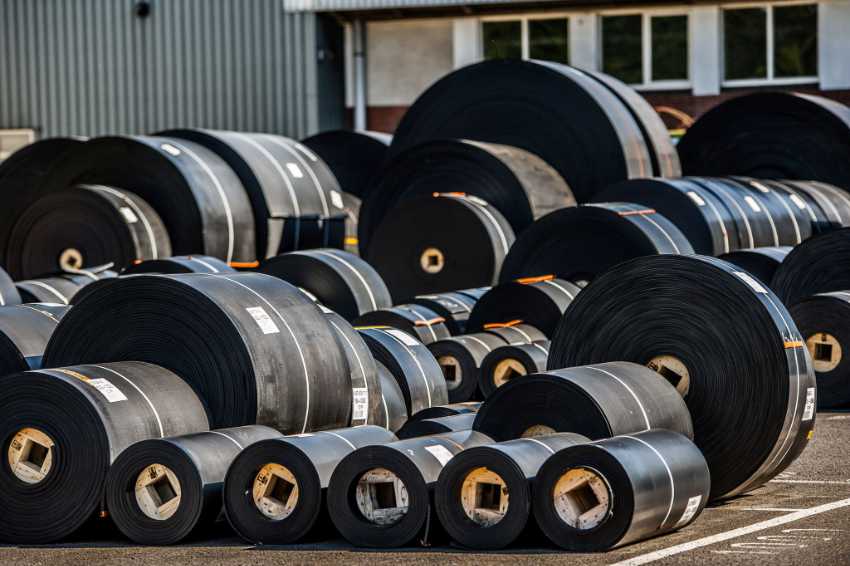
BELT EDGE TYPE – over-specifying the type of belt edge can have a significant impact on belt costs, repairs, maintenance, lost production and lead times. Many years ago, moulded edges were the standard because cotton was used as the reinforcing fabric in multi-ply belts. A moulded edge (fully covered in rubber) was therefore essential to prevent moisture penetrating the cotton fabric and causing it to rot. Since the introduction of synthetic ply fabrics using polyester and polyamide, this problem effectively no longer exists. Despite this, many conveyor operators and their buying departments continue to specify moulded edges, often through habit, even though they do not provide any structural advantage and can be more susceptible to damage if the belt wanders off-track.
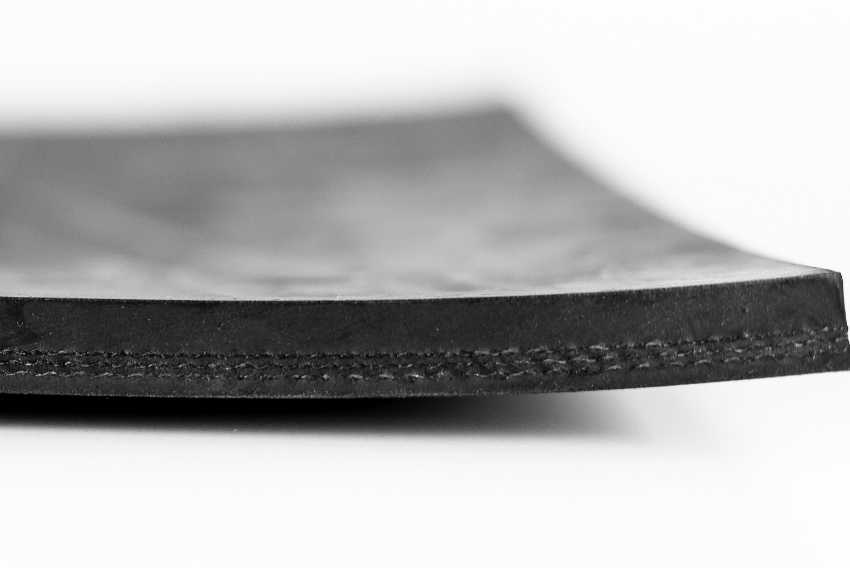
Nowadays, the most commonly used type of belt edge is the ‘cut & sealed edge’ or simply ‘sealed edge’, which prevents moisture being drawn into the carcass from the edge by capillary forces. Although the synthetic fibre plies are barely affected, moisture can ultimately cause vulcanising problems when making splice joints. A sealed edge also enables a belt to be used in very wet conditions and better suited for long-term storage outdoors.
The reason it is important not to over-specify the type of belt edge is that manufacturers need to manufacture belts at the optimum width and length for cost and production efficiency. Consequently, standard width stock belts are usually made as wide as the manufacturing machinery will allow, creating huge rolls that are then cut and sealed to create a range of narrower widths. This is why the vast majority of rubber multi-ply belting held in stock by manufacturers, distributors and traders has sealed edges. Moulded edges can only be created when a belt is manufactured to an exact width so if the manufacturer is unable to achieve optimum production efficiency, the cost must be reflected in the selling price.
OZONE (O3) AND ULTRAVIOLET RESISTANCE – never order a conveyor belt without first obtaining written confirmation from the supplier/manufacturer that the belt being supplied is fully resistant to ozone and UV. Atlow altitude ozone (O3) becomes a pollutant that attacks the molecular structure of rubber. Ground level ozone increases the acidity of carbon black surfaces with natural rubber, polybutadiene, styrene-butadiene rubber and nitrile rubber being the most sensitive to degradation. The reaction that occurs is known as ozonolysis.
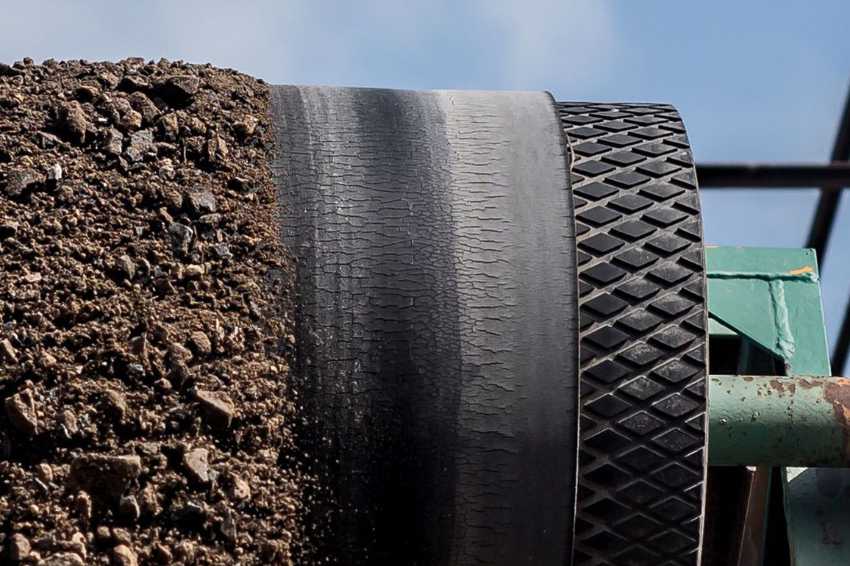
The first visible sign is when cracks start to appear in the surface of the rubber. Further attacks then occur inside the freshly exposed cracks, which continue to grow steadily until they complete a ‘circuit’ and the product separates or fails.
Ultraviolet light from sunlight and fluorescent lighting also has a similar, seriously detrimental effect on rubber because it produces photochemical reactions that cause the oxidation of the rubber surface resulting in a loss in mechanical strength and wear resistance. This is known as ‘UV degradation’. The combination of ozone and UV seriously limits the operational lifetime of a rubber belt, regardless of geography or type of climate.
Although ozone and ultraviolet damage is easy to prevent, extensive laboratory testing shows that some 90% of belts tested according to ISO 1431/1 are not resistant. This is because the antiozonants needed to protect the rubber have been omitted from the rubber compound mix because of cost. In fact, the vast majority typically start to crack within the first 6 to 8 hours of the 96-hour test duration. This translates into cracking occurring within a few months, possibly weeks, from installation. The best advice is to make ozone & UV resistance a constant requirement when selecting any rubber conveyor belt.
ACCOUNTABILITY – always choose a supplier who you can rely on to be accountable, easy to reach and communicate with if you need technical advice or have a problem. It is important to use a supplier that will readily provide a high standard of professional technical support and who has a good reputation for quality. Finally, always demand a certificate confirming where the belt was actually manufactured and NOT the location of the warehouse it will be shipped from.
Author: Bob Nelson