
Aspen Pumps Group, a global specialist in HVAC/R technology operating in over 100 countries, is addressing the surge in European residential air conditioning with advanced condensate management solutions.
Dan Park, Senior Marketing Manager at Aspen Pumps Group, details the group’s Silent+ range, featuring capacitance sensing, rotary diaphragm operation, and adaptive variable-speed control operating at just 16 dB(A). He also discusses HVAC/R installation trends, modular tool storage systems like Veto Pro Pac EVO, and market expectations for H2 2026.
A brief description of the company and its activities
Dan Park: Aspen Pumps Group started in the UK in 1992 as a specialist condensate pump manufacturer, and over three decades we’ve grown into a global HVAC/R technology group supplying more than 100 countries through distributors, wholesalers and OEM partners. We’re still an engineering-led business at heart: our job is to solve the practical, everyday problems HVAC and refrigeration engineers run into on site – installation time, reliability, noise, maintenance – and build products around those problems rather than around a spec sheet.
What are the main areas of activity of the company?
D.P: Condensate removal is where we made our name and it’s still our core expertise, but the group has expanded well beyond pumps. Today that includes HVAC/R installation tools and accessories, refrigeration components, cleaning and maintenance chemicals, professional lighting, and tool storage. With over 25 brands across the group, the approach is the same: help installers do a better job, faster.
What’s the news about new products/services?
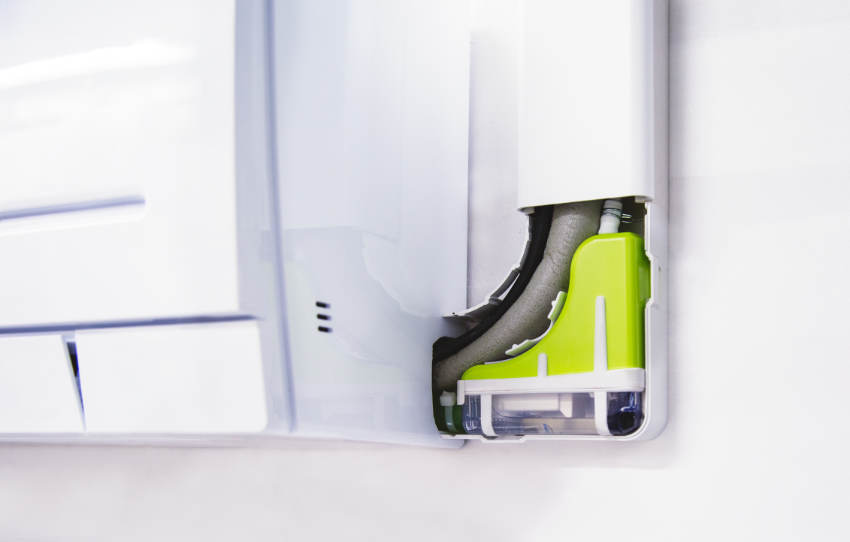
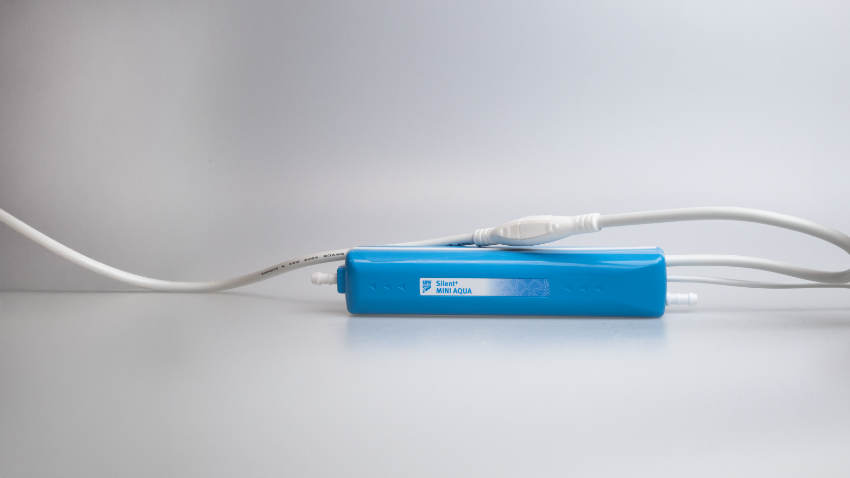
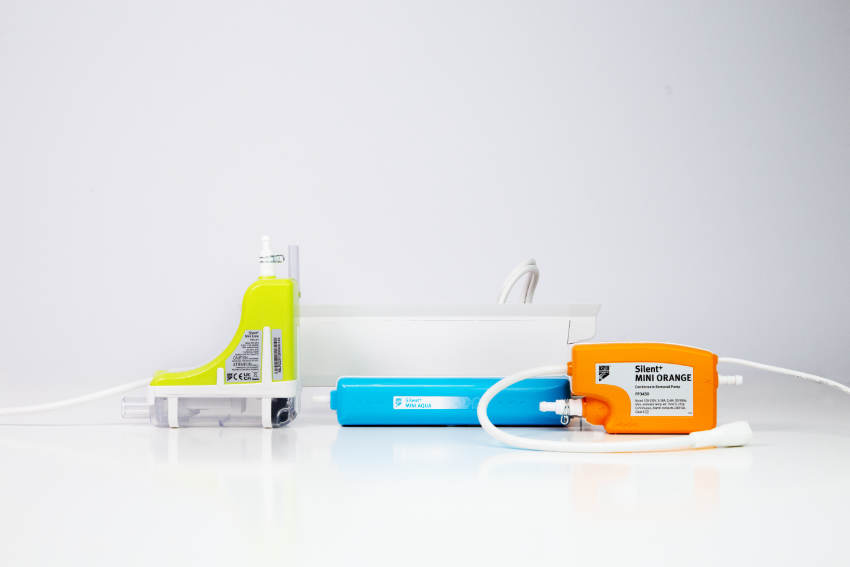
D.P: The big one for us is the Silent+ range. It was developed from listening and understanding the frustrations that the HVAC community face using condensate removal pumps: ease of install, noise, and having to go back and service the thing. So, the Silent+ range can run at only 16 dB(A), uses capacitance sensing instead of a mechanical float switch, and adjusts its own speed depending on demand rather than running flat-out. It’s a genuinely different way of doing condensate management, not just an update.
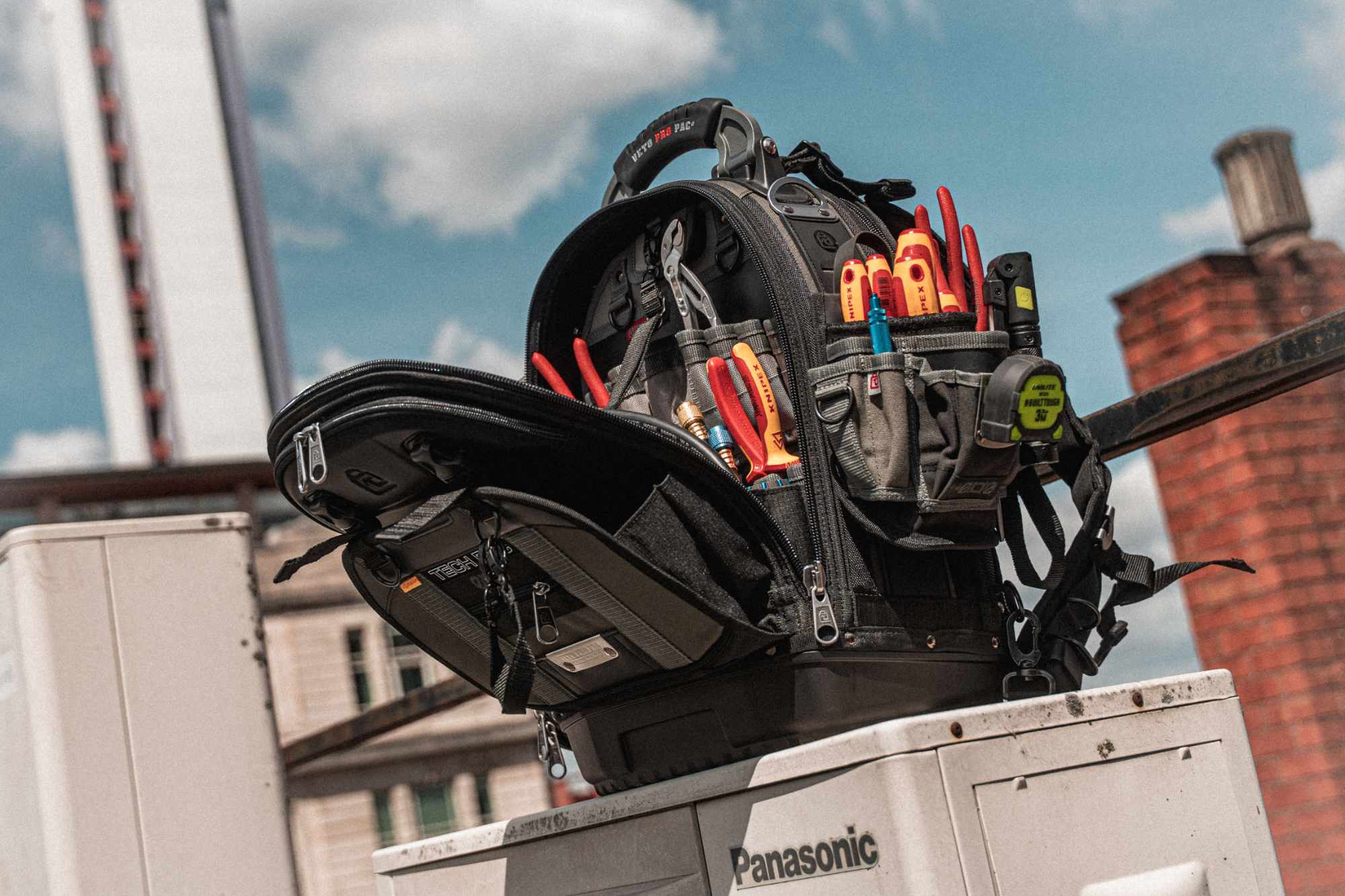
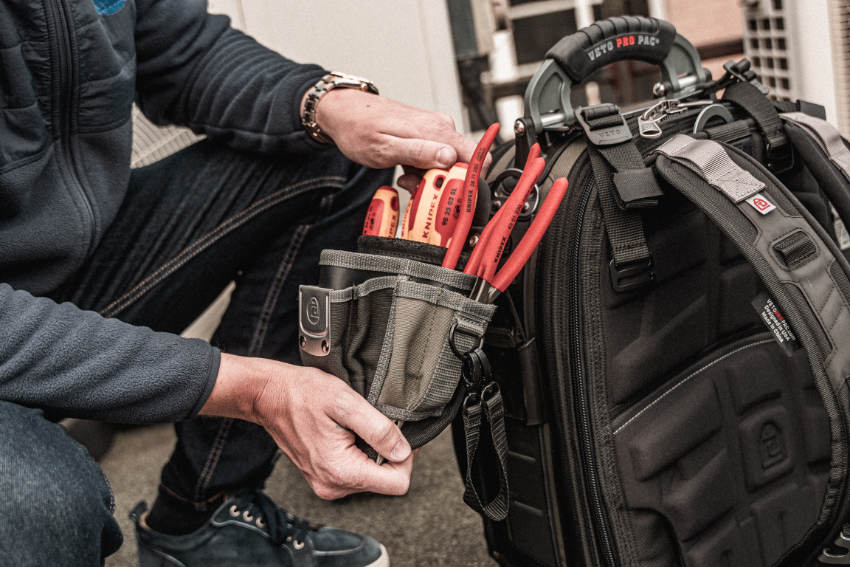
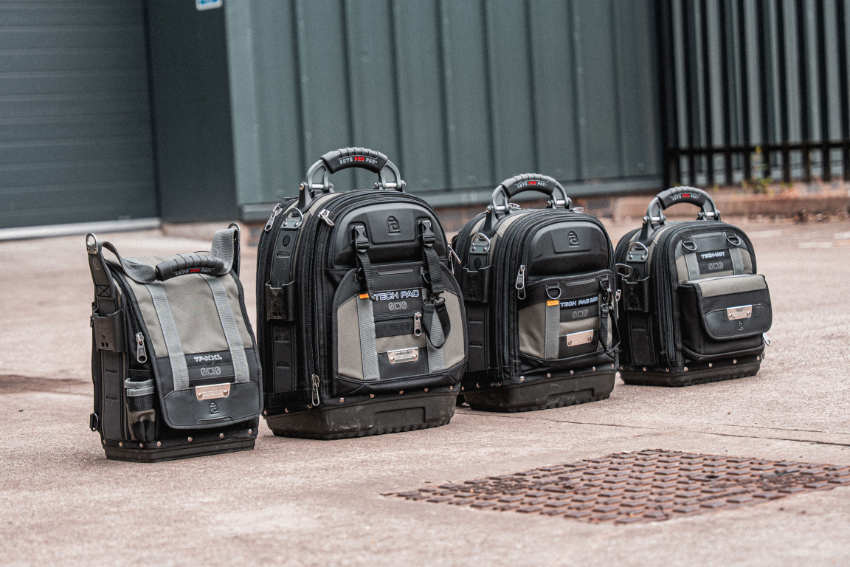
Alongside that, we’re bringing Veto Pro Pac to Europe. It’s a US brand we consider the benchmark for tool bags – genuinely the best build quality on the market – and the EVO range in particular has landed well. It uses a docking system that lets bags and modules connect together, so an engineer can build up exactly the storage setup their job needs rather than being stuck with one fixed layout. It’s had a strong reception so far and it’s a category we’re excited about.
What are the ranges of products/services?
D.P: We split roughly into six areas: condensate pumps under the Aspen Pumps brand, headlined by the Silent+ range; HVAC/R installation products like fittings, trunking and mounting solutions (Xtra, Vecamco, 2Emme Clima, Big Foot Systems, Pipelounge, AuRü, Solflex); refrigeration service components and accessories (C&D Valve); chemicals and maintenance products (Advanced); tools and equipment for installation and servicing (JAVAC, Unilite); and, more recently, premium tool storage through Veto Pro Pac. The idea is that an installer can kit out a job from us rather than juggling half a dozen suppliers.
What is the state of the market where you are currently active?
D.P: Honestly, the story right now is heat. Summers are getting hotter across Europe and domestic air conditioning is going from “nice to have” to something homeowners actively shop for – and the UK is a good example. We’re playing catch-up compared to Southern Europe and Iberia, where residential AC has been standard for decades, but that gap is narrowing fast. Add in ongoing refurbishment activity, tighter building performance regulation, and installers under pressure to get jobs done quickly and correctly the first time, and you’ve got a market that’s growing but also getting more demanding.
What can you tell us about market trends?
D.P: The domestic cooling shift is the one worth watching closely. Residential systems are physically smaller and have to be quieter than commercial kit – they’re going into bedrooms and living rooms, not plant rooms – and that’s a genuinely different design brief. Beyond that, we’re seeing systems get smarter and more adaptive rather than running at one fixed setting, a continued push for reliability and lower maintenance as the industry struggles to find enough skilled engineers to meet the demand, and energy efficiency staying front of mind both for regulation and for running costs. The Silent+ range was built with exactly that combination in mind – small, quiet, low-maintenance, and intelligent enough to only work as hard as it needs to.
There’s also a rising bar on the installer side. The standard of installation across Europe is going up – more regulation, more accreditation, more customers who know what good work looks like – and that’s pushing installers to invest in better gear rather than making do. It’s not just about the pump or the tool itself anymore; it’s about turning up with kit that’s properly organised and built to last, which is a big part of why Veto Pro Pac has found an audience here so quickly.
What are the most innovative products/services marketed?
D.P: The Silent+ range, and specifically how the pieces work together rather than any one feature in isolation. Capacitance sensing replaces the moving float switch that traditional pumps rely on, so there’s less to wear out or get fouled by dirt and biofilm. Variable-speed operation means it’s not just on or off – it adjusts to demand, which cuts both noise and energy use. The rotary diaphragm keeps vibration and sound down, and our patented control software ties all of that together. It’s a pump designed around three problems – noise, reliability, ease of install – rather than one.
I’d also point to the Veto Pro Pac EVO range. The docking system is the innovation there: bags and pouches connect into a single modular unit instead of an engineer carrying separate loose bags, so the storage setup can actually change with the job rather than the job being forced to fit the bag.
What estimations do you have for the second half of 2026?
D.P: We expect domestic AC uptake in traditionally cooler European countries to keep climbing as they catch up with warmer parts of the continent, which means growing demand for condensate solutions sized and engineered for residential installs. More broadly, we think the second half of the year stays focused on innovation, occupant comfort, and smarter, lower-maintenance systems. For us, that means continuing to invest in products that meet HVAC professionals where the work actually is – on site, under time pressure, needing something that just works.