
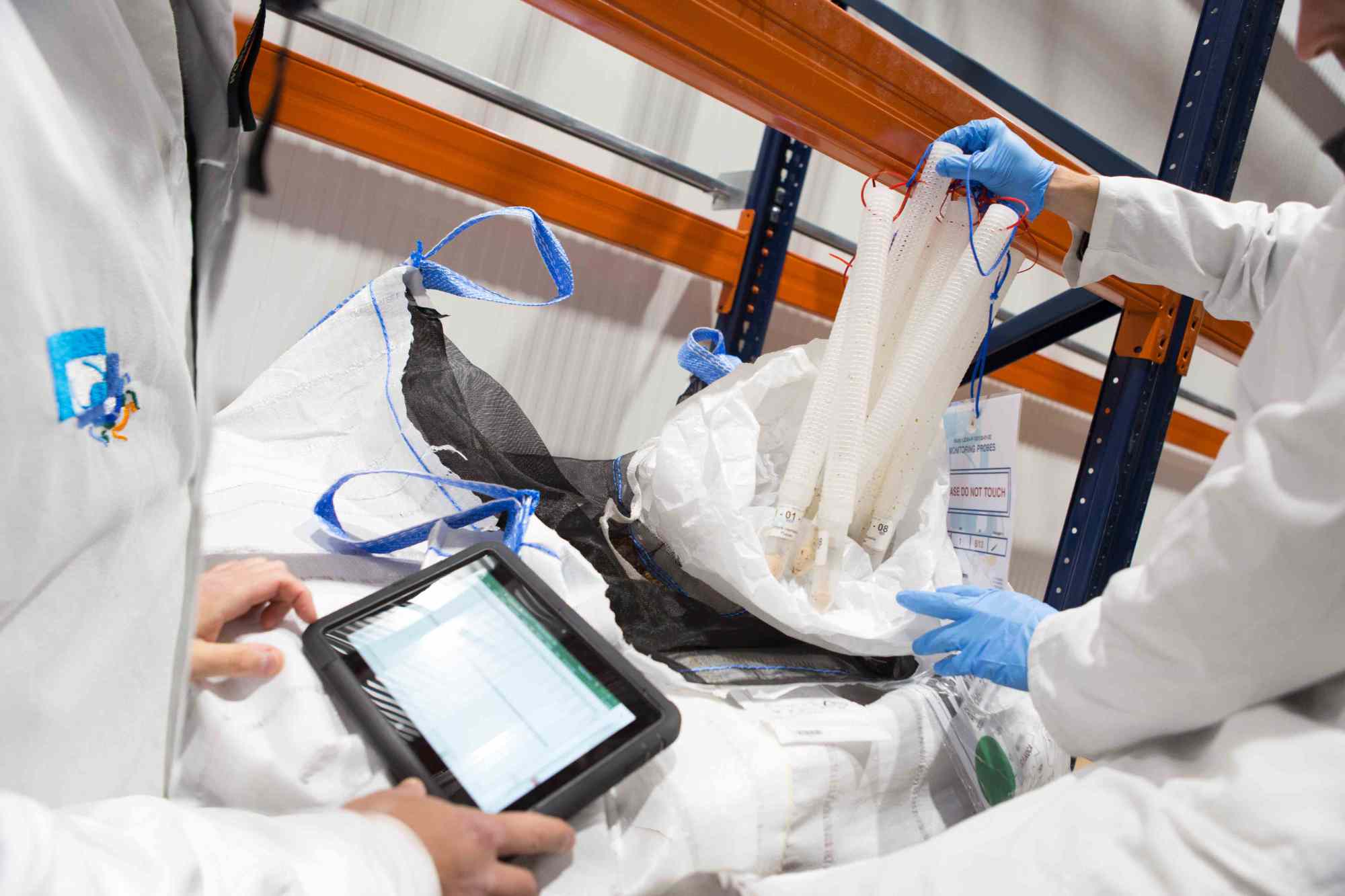
LEAA (Laboratory of Applied Food Entomology) is an independent Italian laboratory helping the food industry manage biological risks through research, testing, and technical consultancy. As global supply chains expand and packaging shifts toward lighter, more sustainable materials under Europe’s new PPWR framework, manufacturers increasingly need independent scientific evidence that their products remain protected against insect infestation.
We spoke with Guglielmo Cassani, International Development at LEAA, about the lab’s approach to pest risk, packaging validation, and where the industry is heading in 2026.
A brief description of the company and its activities.
Guglielmo Cassani: The food industry is undergoing a profound transformation. Global supply chains are expanding, packaging is evolving towards more sustainable materials and biological risks are becoming increasingly complex. In this context, companies need more than routine pest control: they need scientific evidence to support technical decisions.
LEAA (Laboratory of Applied Food Entomology) is an independent Italian laboratory that helps the food industry understand and manage these risks through research, experimental testing and technical consultancy.
I believe applied food entomology deserves the same scientific recognition that analytical disciplines have long achieved for chemical and microbiological risks. Every food production or storage facility is, from an ecological perspective, a concentrated source of biological energy. Wherever food, water and suitable environmental conditions coexist, living organisms will inevitably exploit those resources.
Where there is food, there is life. Our mission is not to fight nature, but to understand it well enough to help the food industry coexist with it safely, sustainably and scientifically.
What are the main areas of activity of the company?
G.C: Our work combines laboratory science with practical industrial applications.
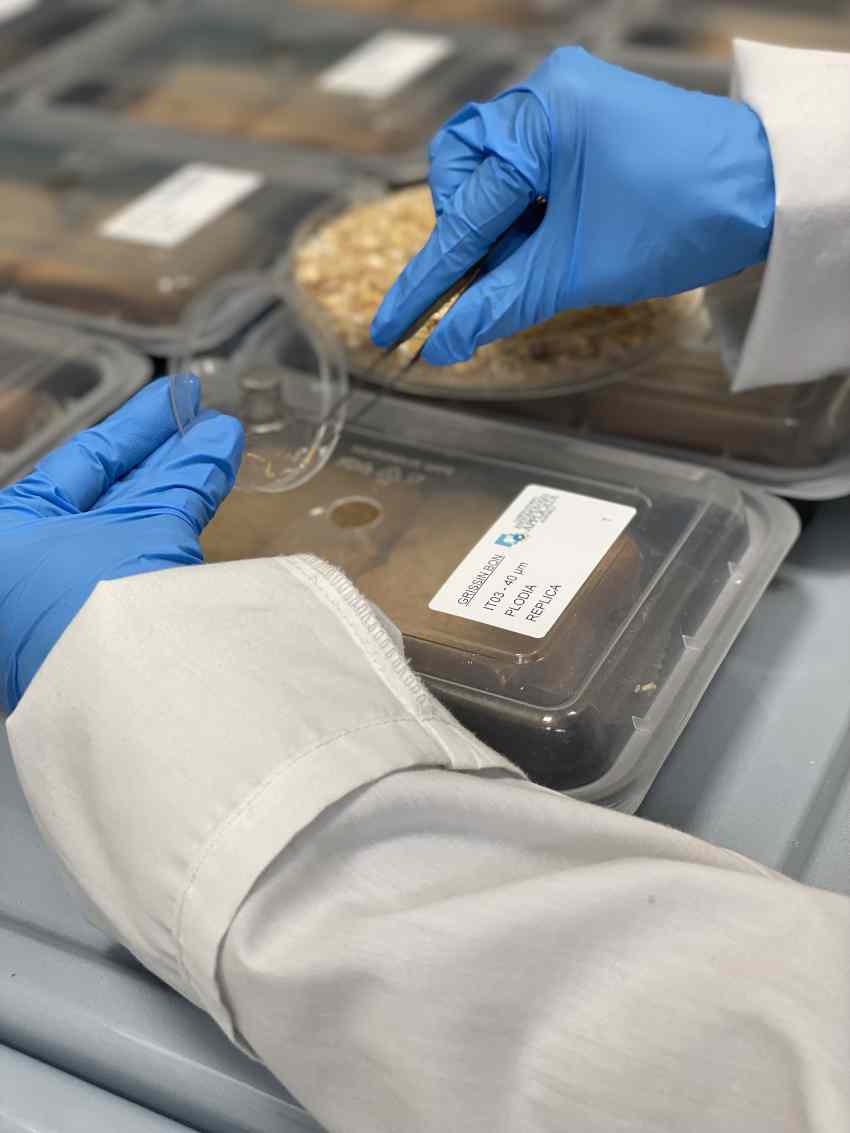
We investigate contamination events, validate pest control technologies, evaluate the resistance of food packaging to insect penetration, perform Integrated Pest Management audits and support companies with regulatory and technical consultancy.
What makes this possible is a multidisciplinary team bringing together expertise in entomology, food safety, chemistry, agronomy, regulatory affairs and experimental design. Looking at the same problem from different perspectives often leads to better and more sustainable solutions.
What’s the news about new products/services?
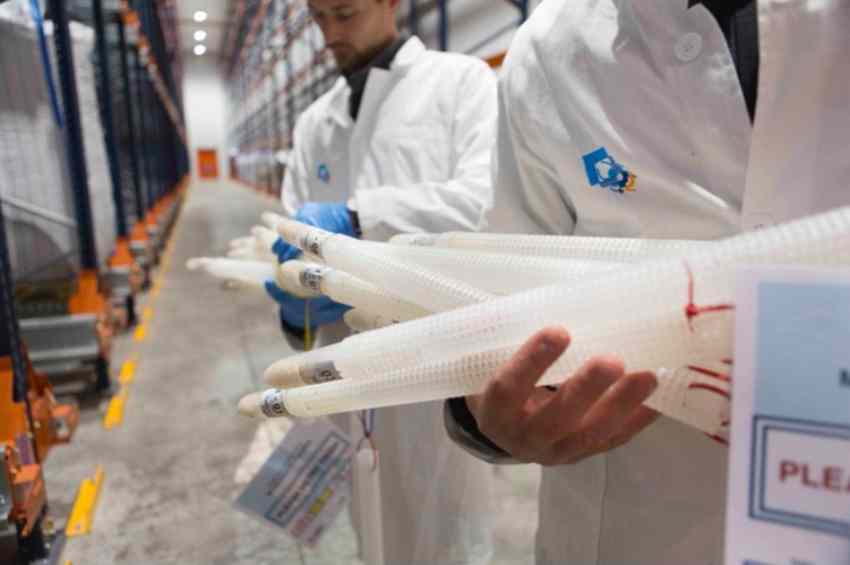
G.C: One of our main developments is the international expansion of LEAAFLOW®, a methodology designed to objectively evaluate the effectiveness of pest control treatments in production environments and stored commodities under real operating conditions.
We are also investing in packaging validation. As Europe moves towards lighter and more sustainable packaging under the new PPWR framework, manufacturers increasingly need independent evidence that these innovations continue to provide effective protection against insect infestation.
What are the ranges of products/services?
G.C: Rather than offering standard services, we develop scientific solutions around specific industrial questions.
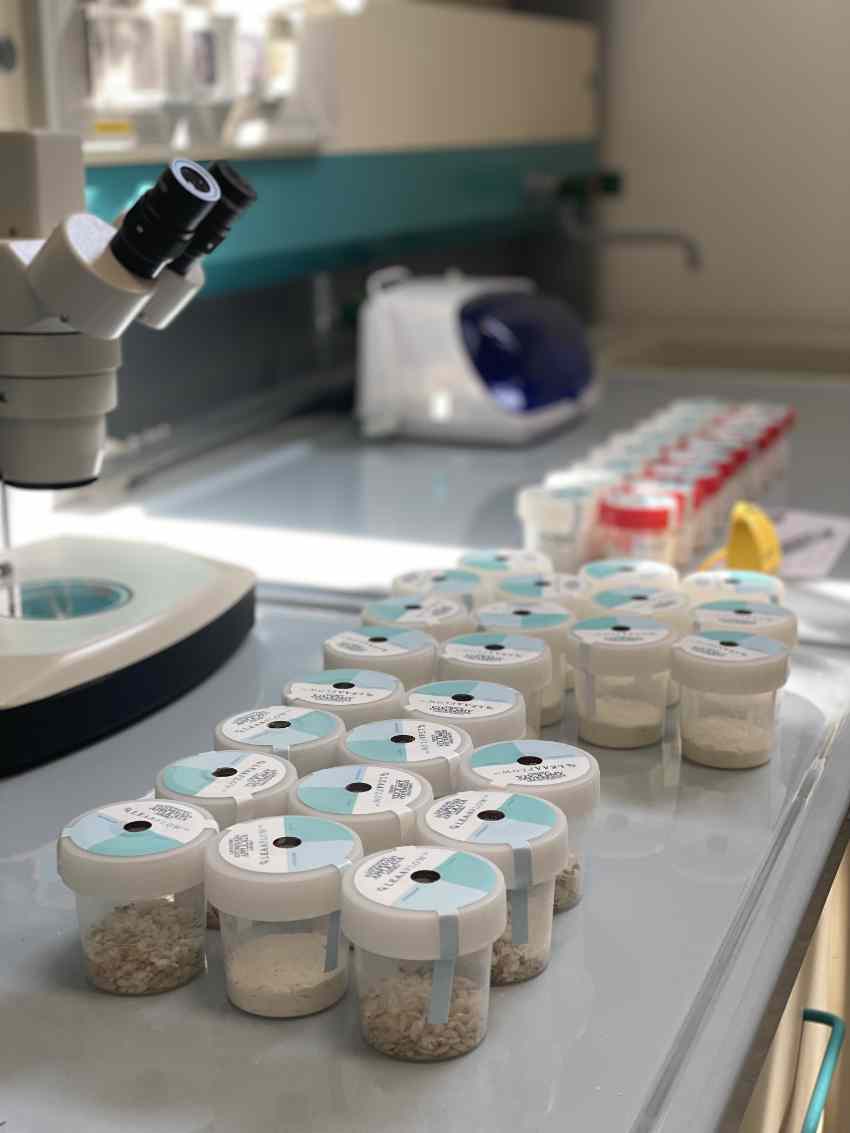
One project may involve reproducing a real infestation under controlled conditions, another may assess the performance of a new packaging material, while another investigates the causes of a contamination event. Every study is designed to generate reliable evidence that supports innovation and improves decision-making.
What is the state of the market where you are currently active?
G.C: The demand for independent scientific validation is growing steadily.
One of the main drivers is the continuous increase in the international circulation of food and raw materials. Every shipment potentially contributes to the movement of stored-product insects across borders, while climate change is allowing many species to establish themselves in new environments.
Managing these risks has become an integral part of food quality and supply-chain resilience.
What can you tell us about market trends?
G.C: The industry is moving towards prevention rather than reaction.
Companies increasingly want measurable results, not assumptions, and scientific validation is becoming an essential part of innovation. Sustainability, digitalization and stricter regulatory requirements are accelerating this evolution, making biological risk management a strategic component of modern food production.
What are the most innovative products/services marketed?
G.C: Innovation, in our view, is not a product but an approach.
Our role is to transform biological phenomena into measurable information that supports industrial decisions. Whether we are evaluating a treatment, validating new packaging or investigating contamination, the objective remains the same: replacing assumptions with scientific evidence.
What estimations do you have for the second half of 2026?
G.C: We expect continued growth in the demand for independent technical consultancy, particularly from companies investing in innovation and sustainability.
Our priority is to strengthen international collaborations and expand research activities that help the food industry anticipate biological risks rather than simply respond to them.
The challenges facing food production are becoming increasingly global. I believe the future will belong to companies capable of integrating science, innovation and sustainability into a single strategy for protecting food quality.