
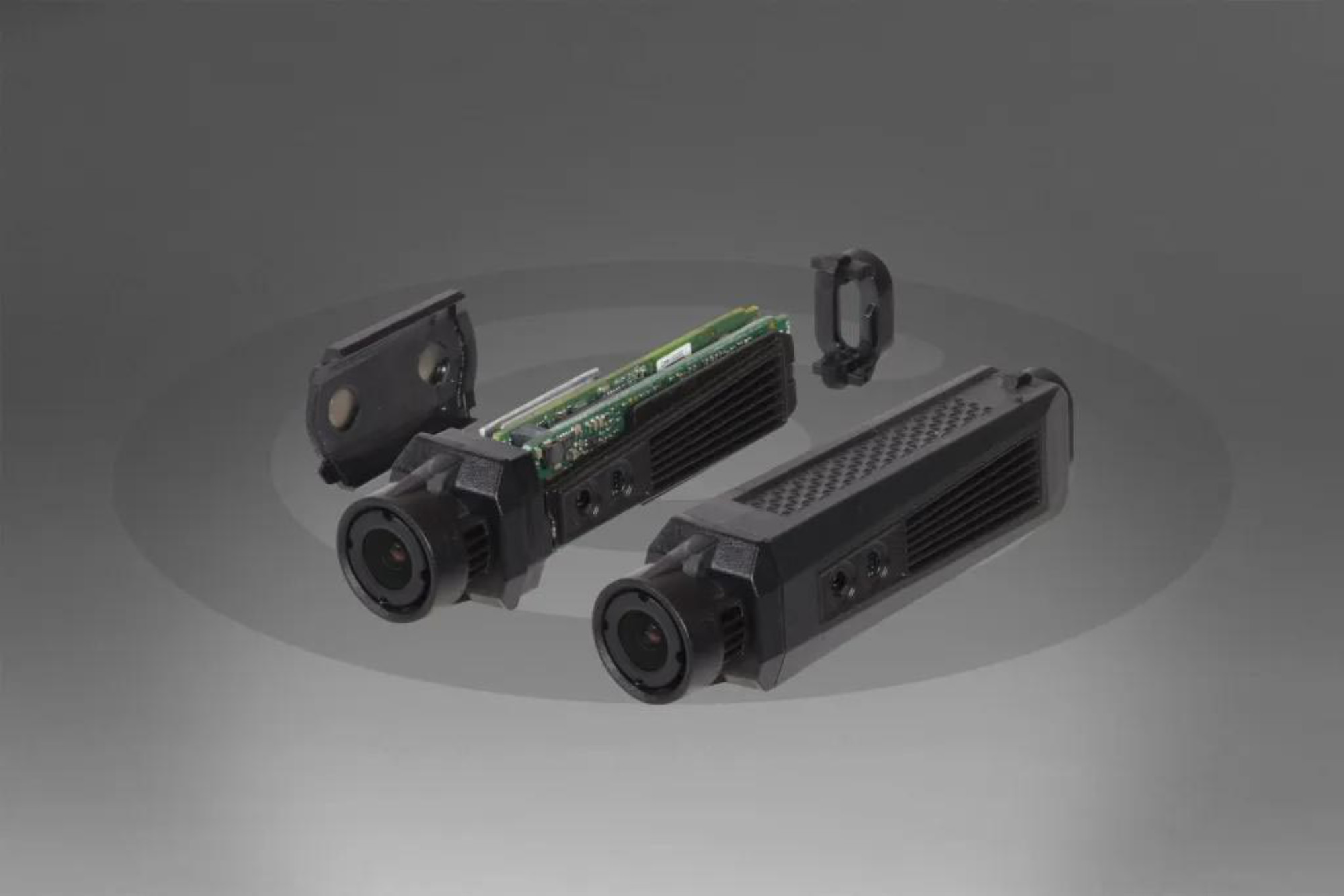
Cavist Manufacturing has spent over 30 years specializing in low-pressure overmolding and electronic encapsulation, helping manufacturers protect sensitive electronics from moisture, vibration, and environmental damage while simplifying assembly. As AI infrastructure, wearable medical devices, and robotics push reliability requirements higher, the company combines overmolding, 2-shot molding, and turnkey manufacturing under a single ISO-certified process.
How does your company define efficiency in today’s industrial landscape, and how has that definition evolved in recent years?
At Cavist Manufacturing, efficiency is more than how fast parts can be produced. Our definition of efficiency is the ability to manufacture reliable products with ease and scalability. It’s about improving the entire lifecycle and quality of an electronic product.
With over 30 years of overmolding experience, we have seen how efficiency has evolved from simply reducing production costs to minimizing failures, simplifying assembly, and extending product life. The most efficient product is one that performs consistently while reducing warranty claims, downtime, and total cost of ownership.
What are the key innovations in your portfolio that help customers improve operational efficiency, productivity, or resource utilization?
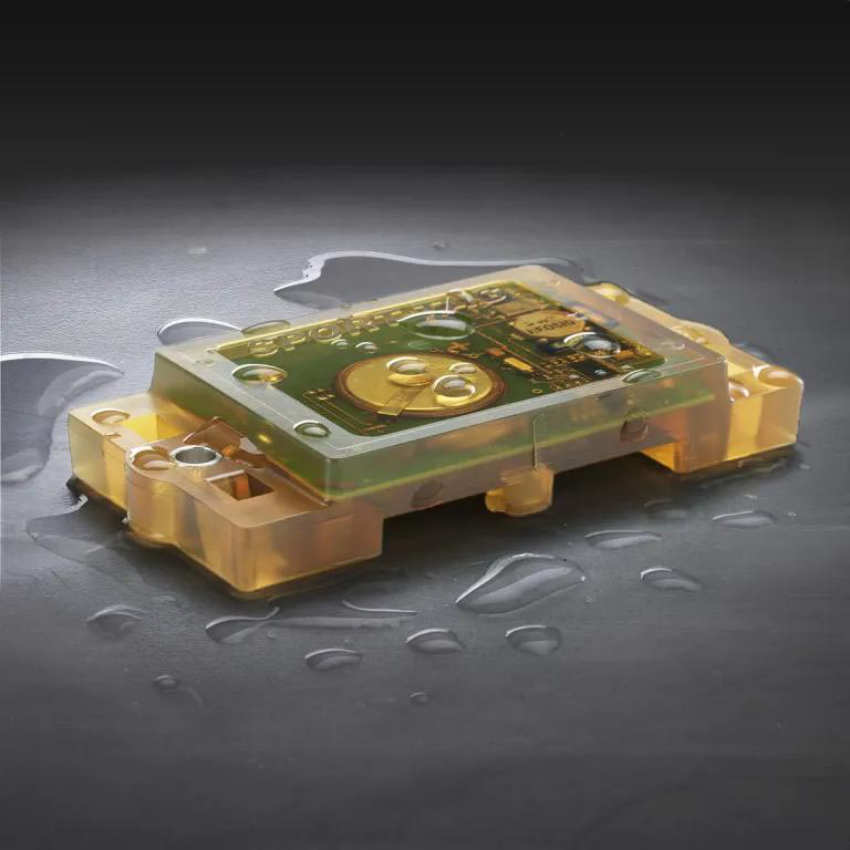
Our core innovation is our expertise in low-pressure overmolding and electronic encapsulation. By replacing complex housings, gaskets, adhesives, and multi-piece assemblies with a single encapsulation solution, customers reduce assembly complexity while improving durability and ingress protection.
Another important innovation is our 2-shot overmolding process, which combines the advantages of low-pressure molding with traditional injection molding to providing extra structural protection where applications demand it.
Beyond molding, we provide Design for Manufacturability (DFM), tooling development, cable assembly, and turnkey manufacturing. Our customers find it extremely convenient that these capabilities are under one roof.
How do your solutions enable customers to reduce costs while maintaining or improving quality and performance?
The biggest cost savings come from preventing problems before they occur. Our engineering team works with customers early in development to simplify product prototyping, eliminate unnecessary assembly steps, and optimize manufacturability. Concurrently, overmolding protects electronics from moisture, vibration, chemicals, mechanical shock, and environmental contaminants that lead to failure. Instead of choosing between product quality and production cost, you will find that both will improve simultaneously.
What role do digitalization, automation, or artificial intelligence play in enhancing the efficiency of your products or services?
Automated workcells, process controls, quality systems, and production monitoring assist in maintaining consistency across high-volume manufacturing while reducing variability and improving throughput.
The expansion of artificial intelligence is creating new demands for our customers. From hyperscale data centers to state-of-the-art medical devices and advanced robotics, Cavist has recognized that reliability requirements have increased. Our role in this shift is to exceed the quality and reliability of electronic protection so they can operate in the most demanding environments.
Can you share an example of how your solutions helped a customer overcome a significant operational challenge and achieve measurable efficiency gains?
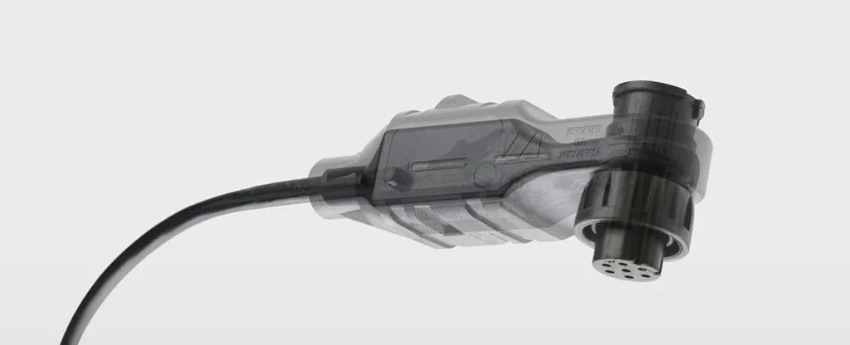
Many customers come to us with electronics that are failing due to moisture ingress, cable strain, vibration, or exposure to environmental contaminants. Instead of simply molding over an existing design, our engineers work closely with device teams to strategize device protection.
Particularly in wearable and medical projects, we have helped customers replace bulky encasings with compact overmolded designs that improve sealing, reduce assembly operations, and increase durability. These improvements consistently translate into higher manufacturing efficiency, lower failure rates, and improved long-term product performance.
How do you balance innovation with reliability, ensuring that new technologies deliver practical value in demanding industrial environments?
Innovation only matters when it performs in the real world. For 30 years, Cavist has specialized in protecting electronics. Every process, material, and approach is evaluated through the lens of reliability, manufacturability, and performance.
Our ISO 9001 and ISO 13485 quality systems, combined with rigorous engineering validation and close customer collaboration, ensure that innovation delivers measurable value. The best innovations are the ones customers can confidently scale into production.
What strategies do you use to help customers improve energy efficiency and support their sustainability objectives without compromising productivity?
By extending the service life of electronic assemblies and reducing premature failures, overmolding helps minimize replacement parts, maintenance requirements, and material wase. Our turnkey manufacturing approach also consolidates multiple manufacturing processes and suppliers into a single partner. Our customers find a significant reduction in transportation, handling, and production inefficiencies.
As industries continue moving toward electrification, wearable tech, robotics, and AI infrastructure, designing reliable electronics is a major responsibility that we are ready to take on.
How do you work with customers to identify inefficiencies and develop solutions tailored to their specific operational needs?
Every project begins with understanding the application. Before our engineers offer a solution, they critically evaluate environmental conditions, mechanical requirements, productions goals, regulatory considerations, and long-term reliability.
Through feasibility reviews, Design for Manufacturability, material selection, prototyping, tooling, testing, and production planning, we become an extension of the customer’s engineering team. That collaborative approach often identifies opportunities to simplify your production experience.
What emerging technologies or industry trends do you believe will have the greatest impact on industrial efficiency over the next years?
Several trends are reshaping industrial manufacturing. Artificial intelligence is increasing the demand for highly reliable power distribution and electronic infrastructure. Medical technology continues to become more compact and wearable. Robotics, automation, autonomous systems, and electrification are increasing the requirement for ruggedization in harsh environments.
Across these markets, the common denominator is reliability. Protecting electronics effectively becomes a larger part of achieving operational efficiency. We expect advanced materials, intelligent automation, and integrated manufacturing solutions to continue driving the industry forward.
Looking ahead, what is your company’s vision for helping industrial customers achieve higher levels of efficiency, resilience, and competitiveness through innovation?
Our vision is clear: continue being the industry’s most trusted partner for protecting electronics —from vision to volume. We look forward to continuing our investment in engineering expertise, advanced manufacturing, automation, material innovation, and quality systems that help our customers bring complex concepts to the market. Cavist intends to remain at the forefront of industrial evolution by delivering practical innovations that improve product performance, manufacturing efficiency, and long-term customer success.