
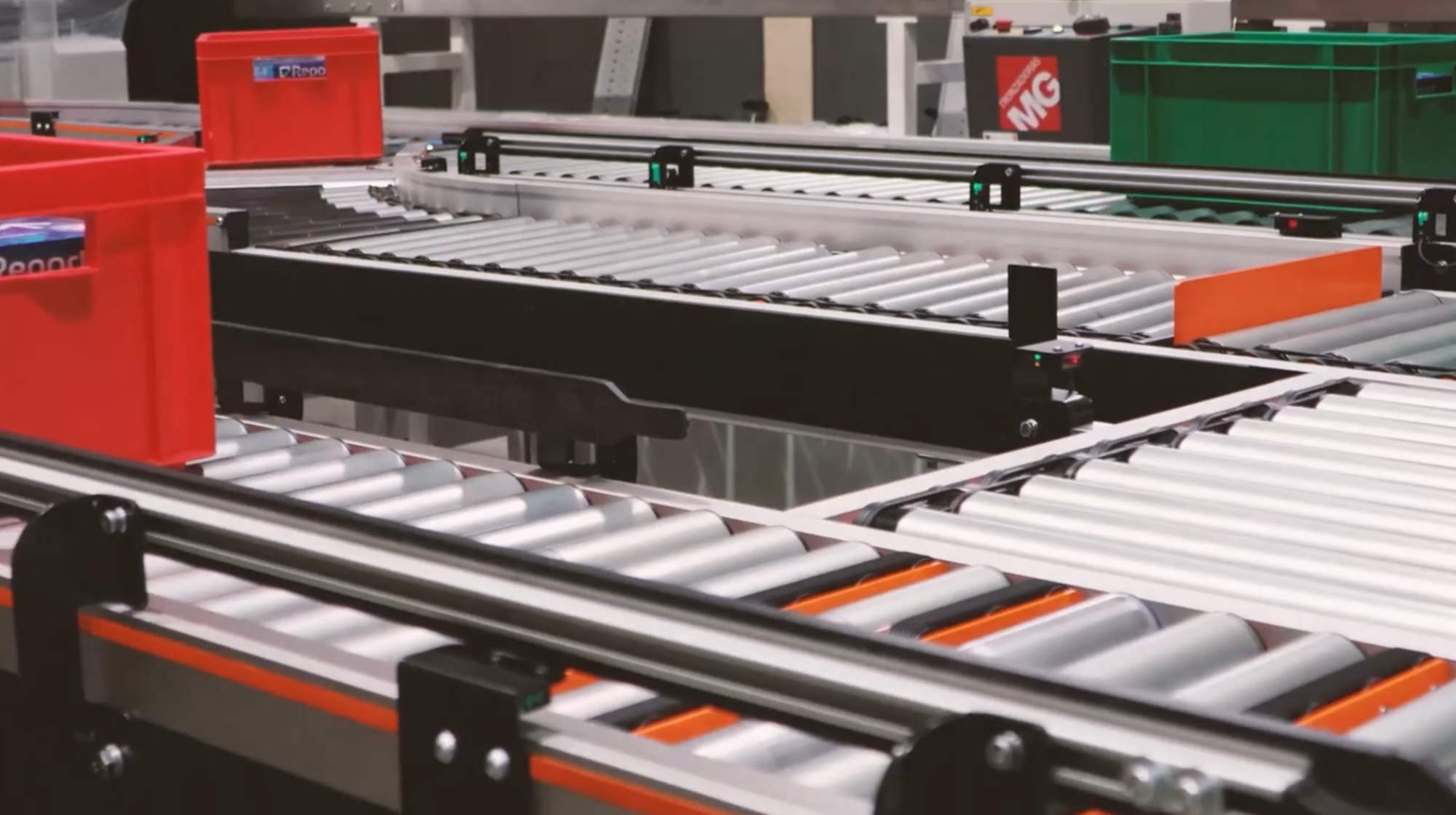
Specializing in custom material handling and in-house roller manufacturing for over 30 years, Codimar has expanded its focus toward automated intralogistics with the launch of its IMC product family. Powered by 24 V and 48 V motorized rollers with pre-installed control cards and sensors, the modular platform accelerates commissioning for warehouse automation, AS/RS, and AGV integration.
José Damián Fernández, CEO of Codimar, details the proprietary aluminium profile design, European market expansion, LogiMAT 2027 preparation, and industrial manufacturing performance for H2 2026.
A brief description of the company and its activities.
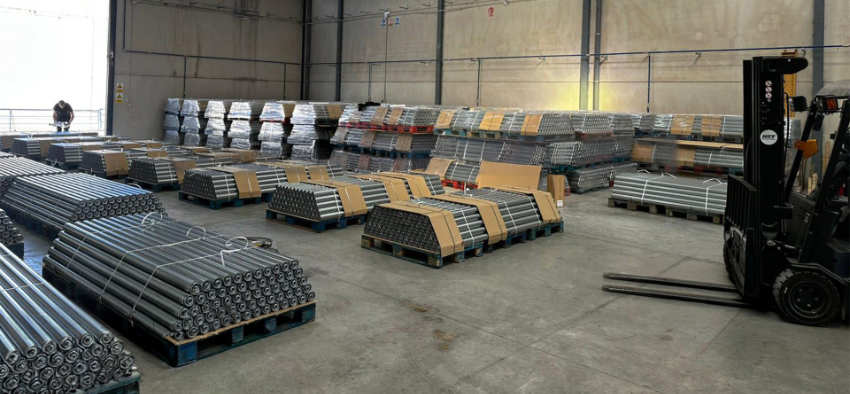
José Damián Fernández: We are a company based in southern Spain with more than 30 years of experience and a team of nearly 140 people, specializing in the design and manufacturing of rollers and conveyor systems. Thanks to our in-house roller production, we deliver tailor-made material handling solutions for a wide range of sectors.
What are the main areas of activity of the company?
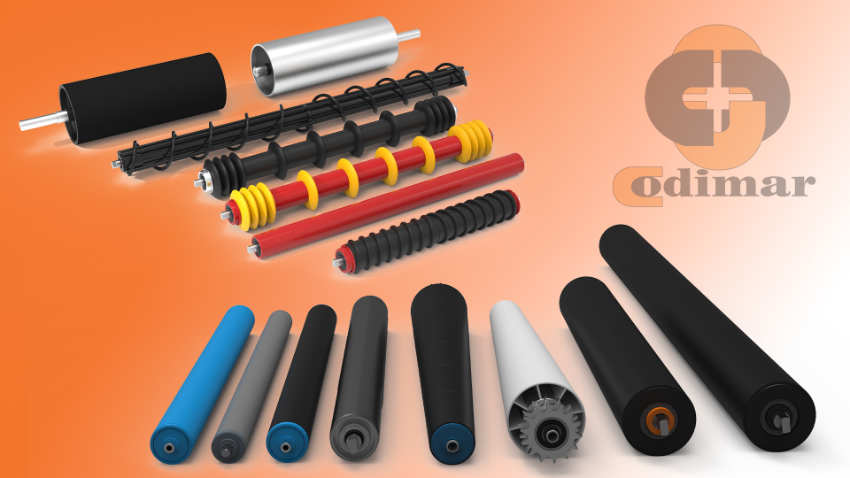
J.D.F: The roller is the key component of any conveyor system, and our in-house manufacturing of rollers is precisely what allows us to design and build complete conveyor lines for a wide range of industries and applications.
Our solutions include end-of-line pallet handling systems, conveying lines for packaged products, assembly lines, and conveyor systems for the food and pharmaceutical industries, among many others. Each project is engineered around the specific requirements of the customer.
What’s the news about new products/services?
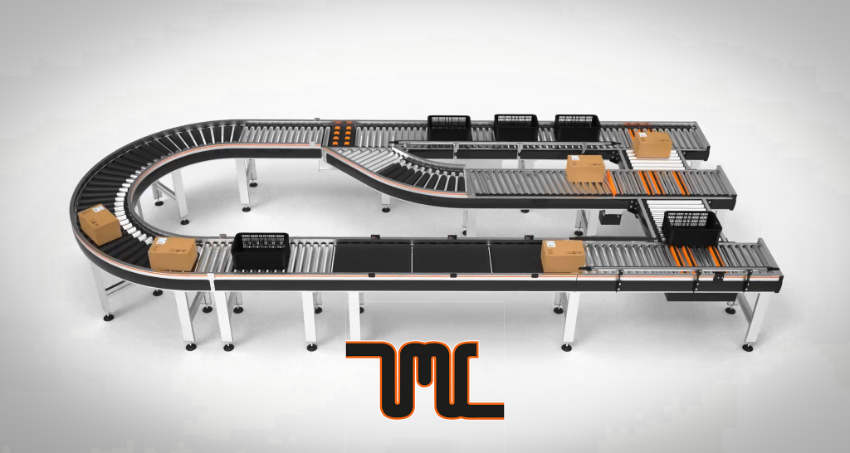
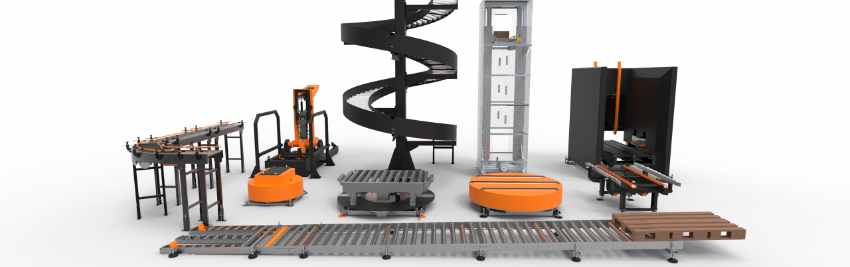
J.D.F: Over the past few years we have seen a clear market shift towards intralogistics conveyor projects. In response, we developed the IMC product family: our own range of modular conveyors based on 24 V and 48 V motor-driven rollers, automatically controlled through dedicated control cards.
Beyond the mechanical equipment, we supply the units with the control components — photoelectric sensors and control cards — already pre-installed. This is one of the main advantages of IMC: it lets our customers significantly reduce installation and commissioning time on site, for a faster and more efficient project rollout.
What are the ranges of products/services?
J.D.F: The IMC product family covers a wide range of conveyor modules designed to handle different types of products and applications:
- Roller conveyors
- Curves in various angles
- Belt conveyors driven by motorized rollers
- Belt conveyors driven by gear motors
- 24 V diverters
- 24 V transfer units
- Wedge infeed and outfeed modules
All of them are available in galvanized steel, painted steel, stainless steel, or our flagship solution: an aluminium version built around our own in-house profile design.
This aluminium profile is designed to make assembly faster and handling easier. Its integrated slots allow components such as photocells and control cards to be mounted and adjusted quickly and precisely, without additional machining — a clear advantage both for our own production and for integrators working on site.
What is the state of the market where you are currently active?
J.D.F: At present we are focused on achieving sustainable organic growth across Europe. We see an excellent fit for our products in key markets such as Germany, France, the Netherlands and Italy, where demand for intralogistics and warehouse automation solutions continues to grow.
To support this expansion, we are strengthening our international presence at Europe’s leading intralogistics trade fairs. We are already confirmed as exhibitors at LogiMAT 2027, where we will showcase our latest conveyor and material handling solutions and continue building long-term partnerships across the European market.
What can you tell us about market trends?
J.D.F: We see several notable trends in the sector. The most important is the growth of warehouse automation, driven by the rise of online purchasing by end customers across almost every sector. Companies increasingly need to meet delivery deadlines while reducing operating costs through the automation of their intralogistics centres.
In these automated storage systems, conveyors play a fundamental role, connecting storage, picking, sorting and shipping. This is driving demand for modular and scalable conveying solutions that integrate easily with AS/RS, AGV and robotic cell systems, with a clear preference for energy-efficient 24 V and 48 V motor-driven technology that also delivers a notable reduction in noise. At the same time, customers are looking for reliable, low-maintenance systems that can be easily expanded as their operations grow.
We believe these trends align perfectly with our IMC modular conveyor platform and our strategy of providing high-quality intralogistics solutions.
What are the most innovative products/services marketed?
J.D.F: Our most innovative development is precisely the IMC conveyor line, designed specifically for the intralogistics sector and, for us, a true synonym of innovation.
It is a living, constantly evolving range: every year we develop new prototypes and features to keep pace with market demand and our customers’ changing needs in terms of automation, efficiency and fast installation.
What estimations do you have for the second half of 2026?
J.D.F: During the first half of the year we broke records, with our factory running at full capacity. We delivered conveyor projects for major multinational clients — including a single project featuring approximately 2 km of installed conveying line — always meeting the committed design and manufacturing deadlines.
Based on our current projected workload for the rest of the year, we are confident that performance in the second half will be very similar. In the coming weeks our focus will shift to preparing our first forecast for 2027, a year in which we aim to keep growing across Europe and to build on our presence at LogiMAT.