
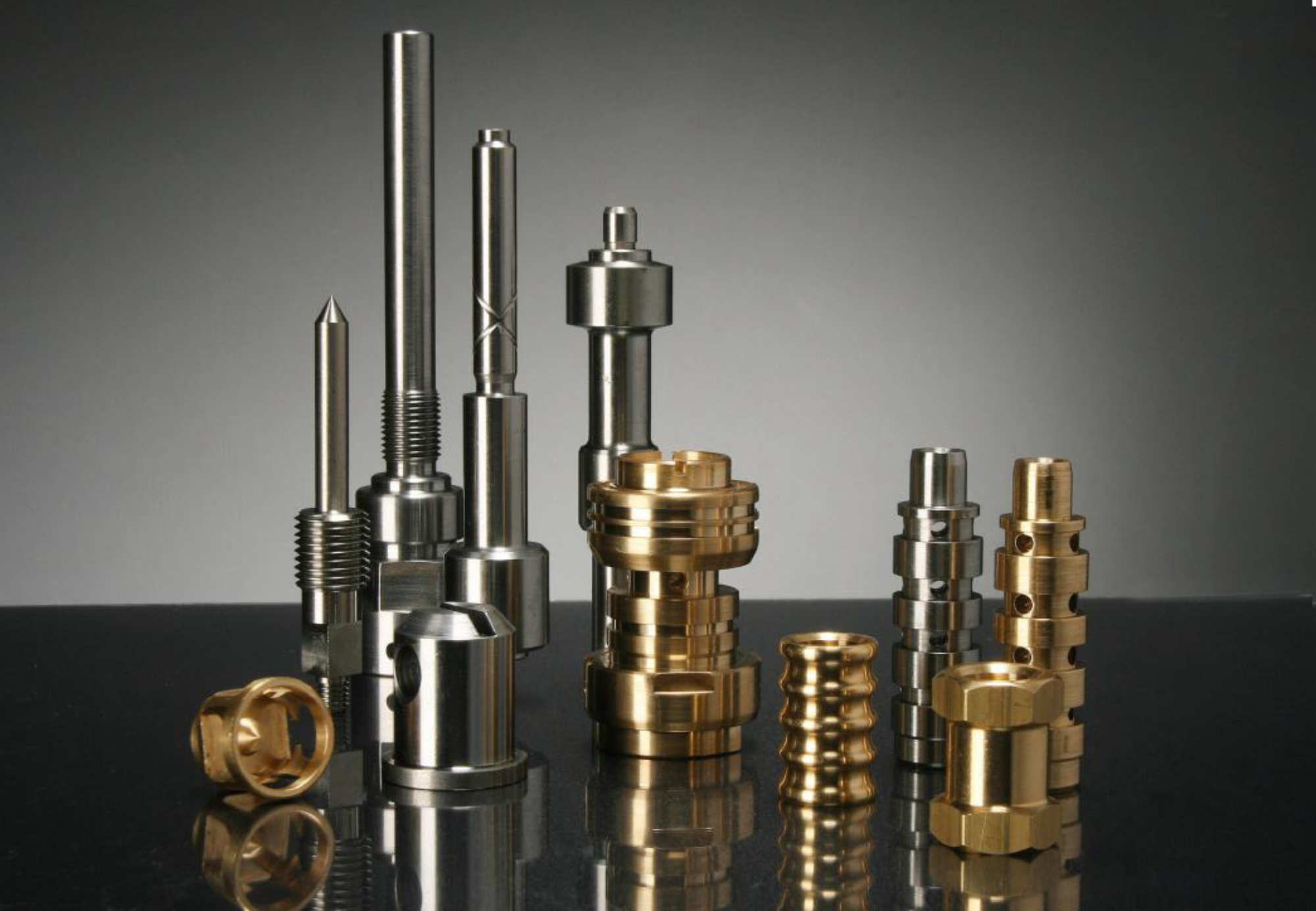
FABER CNC, a Polish precision machining specialist operating since 1985, provides serial CNC turning, milling, and comprehensive metal finishing for industrial sectors across Europe. Operating under ISO 9001:2015 standards, the company combines simultaneous 5-axis machining with automated serial production and single-setup cycle optimization. By integrating surface treatments, including galvanizing, KTL coating, and heat treatment, into a unified workflow, FABER-CNC supports European manufacturers seeking reliable regional supply chains and shorter lead times.
A brief description of the company and its activities
FABER-CNC Sp. z o.o. is a Polish manufacturing company specializing in precision CNC machining. The company has been operating in the metalworking industry since 1985 and provides serial production of high-precision metal components for customers from various industrial sectors in Poland and across Europe.
Our core competencies include CNC turning, CNC milling, CAD/CAM programming, quality control and comprehensive management of additional finishing and surface treatment processes.
What are the main areas of activity of the company?
Our main areas of activity are:
- Precision CNC turning and turn-milling
- CNC milling, including 3-axis, 4-axis and simultaneous 5-axis machining
- Serial and high-volume production of precision metal components
- CAD/CAM programming and process optimization
- Quality control using our internal measurement laboratory
- Comprehensive project management, including outsourced heat treatment, surface treatment and finishing processes
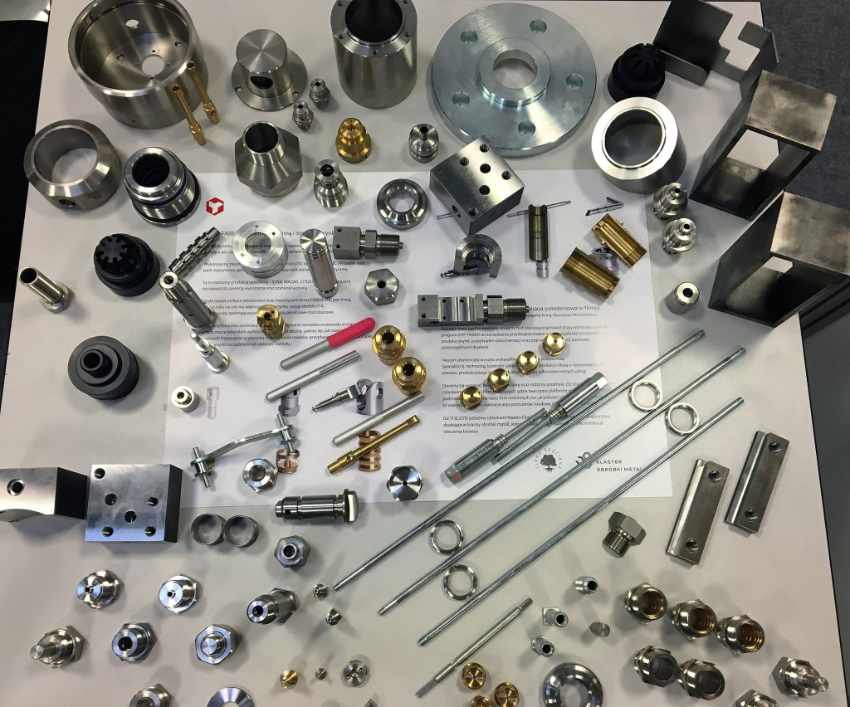
We process a wide range of materials, including carbon steel, free-cutting steel, stainless steel, hardened steel, aluminium, brass and copper.
What’s the news about new products/services?
FABER-CNC is continuously developing its technological capabilities and increasing the level of automation within its production processes.
Our current development is focused particularly on increasing production efficiency, expanding machining capabilities, optimizing manufacturing processes and implementing more automated solutions for serial production.
We are also continuously developing our ability to provide customers with a more comprehensive service – from technical analysis and process planning, through machining and quality control, to additional operations such as heat treatment, grinding, galvanizing, nickel plating, KTL coating, powder coating, sandblasting and vibratory finishing.
What are the ranges of products/services?
Our current machining capabilities include:
CNC Turning
- Bar machining: Ø4–Ø74 mm
- Machining from blanks: Ø74–Ø300 mm
CNC Milling
- 3/4-axis machining: up to approximately 920 × 460 mm
- Simultaneous 5-axis machining: up to Ø400 mm
- Additional capabilities
CAD/CAM programming
- Internal dimensional and quality inspection
- Serial and high-volume production
Heat treatment
- Grinding
- Galvanizing
- Nickel plating
- KTL coating
- Powder coating
- Sandblasting
- Vibratory finishing
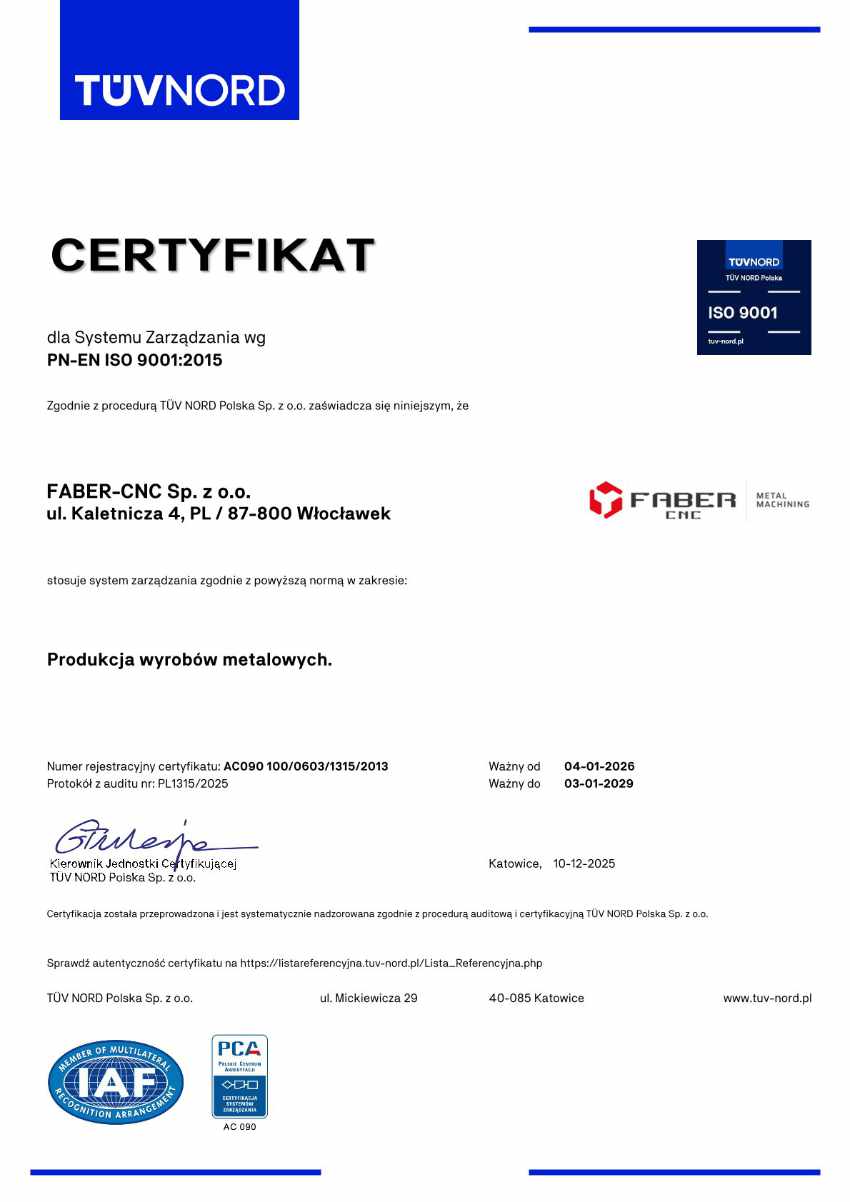
The company operates according to the ISO 9001:2015 quality management standard.
What is the state of the market where you are currently active?
The European CNC machining market remains highly competitive. Customers are increasingly focused not only on price, but also on production flexibility, consistent quality, delivery reliability and the ability of suppliers to provide comprehensive manufacturing solutions.
At the same time, European manufacturers are increasingly looking for reliable regional suppliers in order to shorten supply chains and reduce dependence on distant sourcing markets.
For FABER-CNC, this creates opportunities particularly in serial production of precision components, where quality, repeatability, automation and delivery reliability are critical.
What can you tell us about market trends?
We currently see several important trends in the CNC machining market:
- Increasing automation and robotization of production
- Growing demand for complete manufacturing solutions rather than individual machining operations
- Increasing pressure on productivity and cost optimization
- Shorter lead times and greater flexibility expected by customers
- Growing importance of process stability and quality documentation
- Development of multi-axis and multi-task machining
- Increasing use of digital production management and CAD/CAM solutions
- Stronger focus on European and regional supply chains
- Growing pressure to reduce material consumption, energy consumption and the overall environmental impact of manufacturing
- Customers increasingly expect suppliers to take responsibility for the complete production process rather than only CNC machining.
What are the most innovative products/services marketed?
One of our key strengths is the integration of advanced CNC machining technologies with automation, CAD/CAM programming and internal quality control.
Our most technologically advanced capabilities include simultaneous 5-axis milling, advanced CNC turning and turn-milling, automated serial production and machining of complex components in as few setups as possible.
We also focus strongly on process optimization. By combining several machining operations within a single production cycle, we can reduce handling, improve dimensional accuracy and repeatability, shorten production times and ultimately reduce the total manufacturing cost for our customers.
What estimations do you have for the second half of 2026?
For the second half of 2026, we expect stable to moderate growth in demand, although the European industrial market remains price-sensitive and competitive.
Our priorities for H2 2026 are to:
- Increase utilization of our existing production capacity
- Acquire new serial-production projects
- Further develop cooperation with customers in European markets
- Increase production automation and efficiency
- Optimize cycle times and manufacturing costs
- Expand the share of more complex and technologically demanding components in our production portfolio
- Strengthen long-term cooperation with customers looking for reliable European manufacturing partners
Overall, we remain cautiously optimistic about the second half of 2026 and expect further development driven by new projects, increasing production efficiency and stronger cooperation with customers across Europe.