
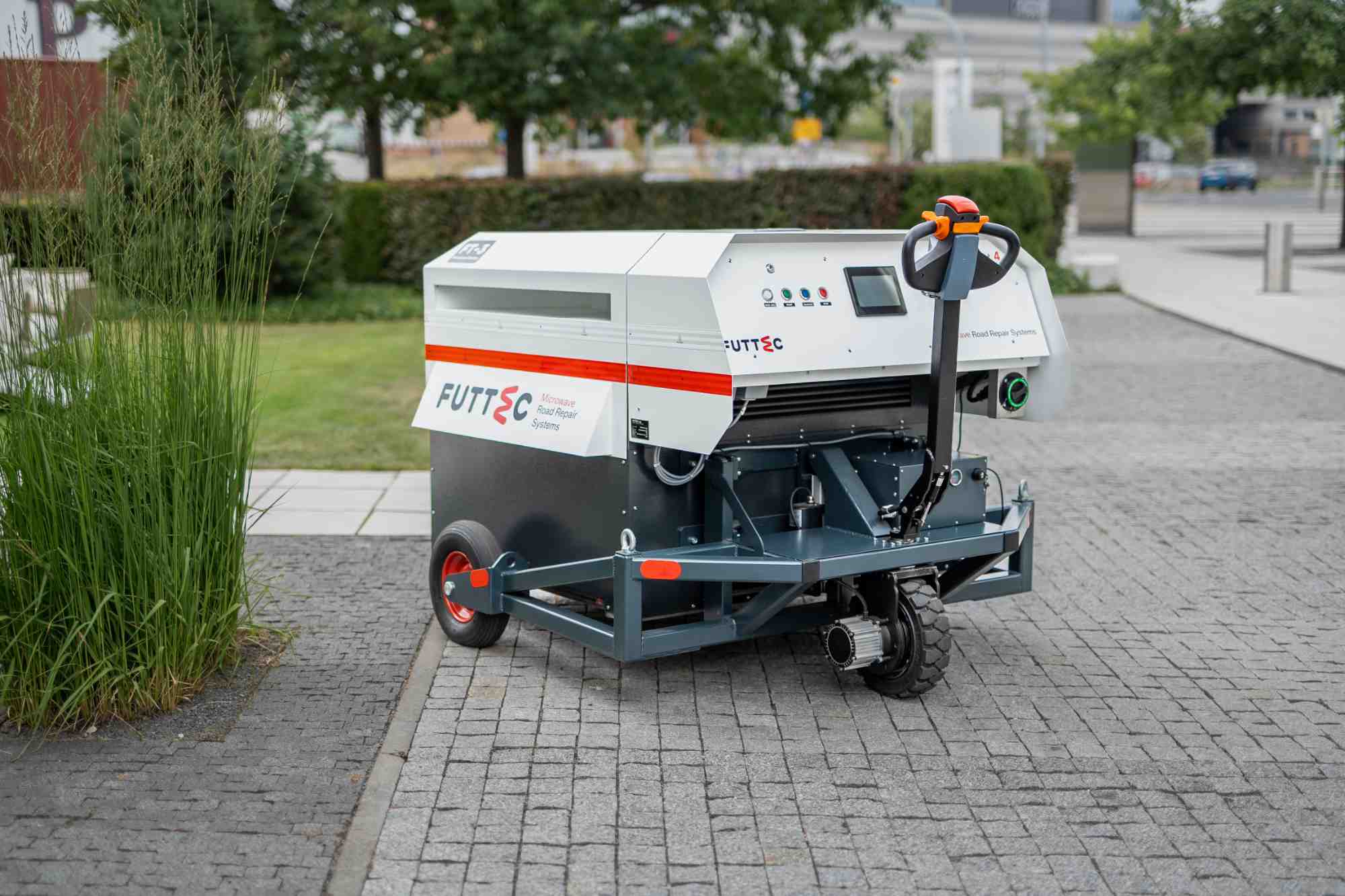
FUTTEC a.s. is a Czech technology company founded in 2011. The company develops and manufactures a patented microwave system for the permanent, seamless repair of potholes and other defects in asphalt roads. The technology was developed together with the Institute of Chemical Processes of the Czech Academy of Sciences and has been in commercial operation since 2020. It is approved by the Czech Ministry of Transport (technical regulation TP 264) and protected by patents in 17 European countries.
Interview with Robert Husar, International Business Director, FUTTEC a.s.
What are the main areas of activity of the company?
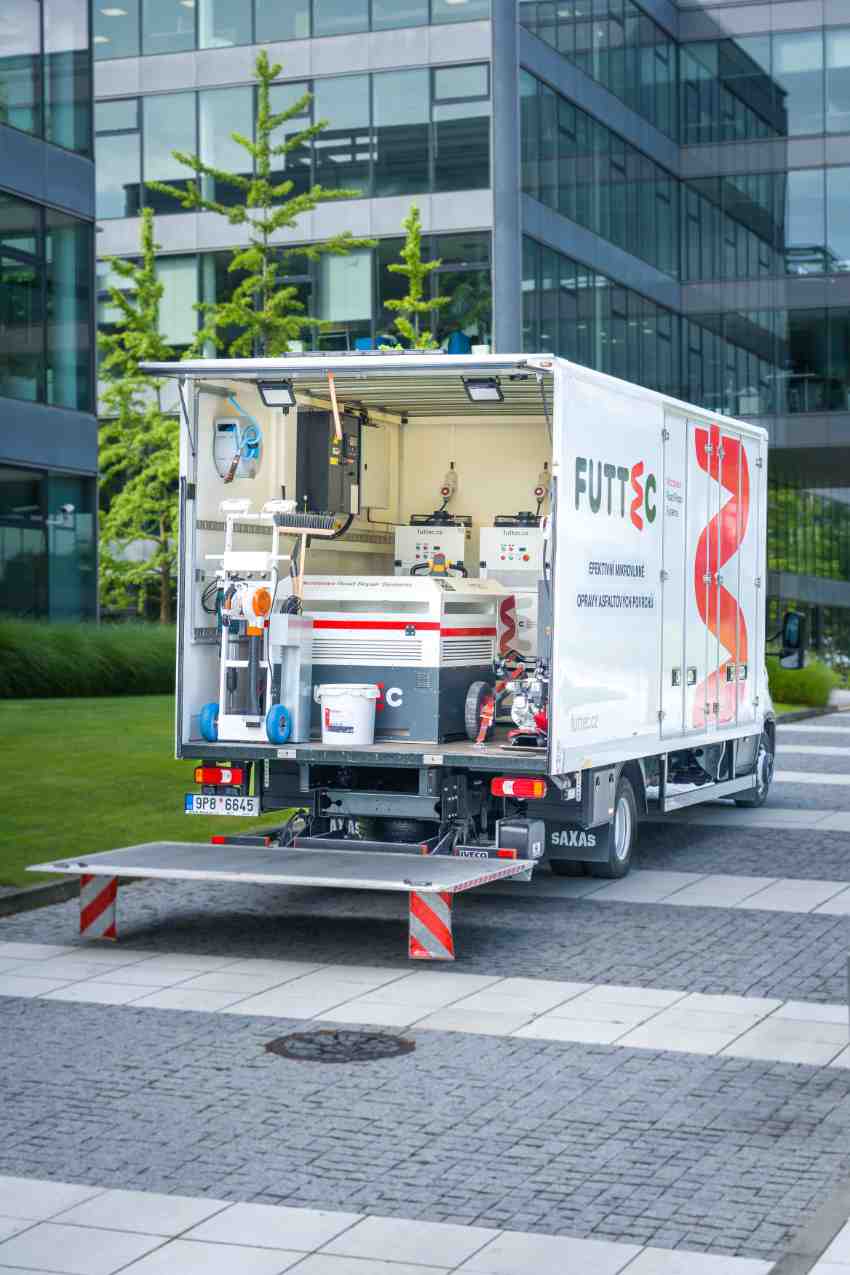
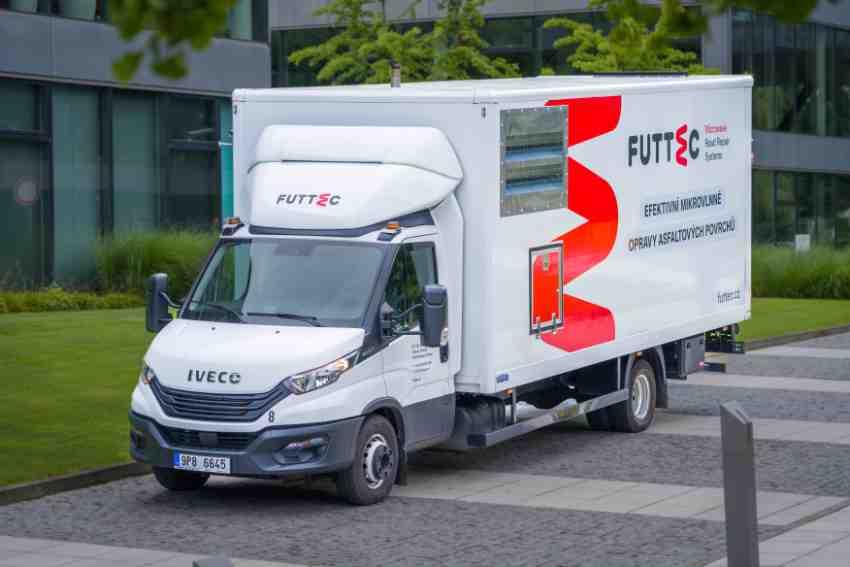
Robert Husar: FUTTEC is a manufacturer and solution integrator. We develop and produce the core microwave equipment – the FT-3 “microwave patcher” and the FF-9 microwave furnace – and integrate it into complete, ready-to-work solutions built on trucks or trailers. The microwave units themselves are fully electric, and every truck or trailer integration includes a built-in generator, so the whole system is energy self-sufficient directly at the repair site. The equipment is provided to road authorities, contractors and partners on a lease model. The technology itself is fully proven in daily operation: since 2020 it has been used on Czech roads of all classes, from Prague city streets managed by TSK Prague to national motorways, with thousands of potholes repaired.
What’s the news about new products/services?
R.H: The latest generation of the FT-3 microwave patcher has 60 % more power than its predecessor and repairs a standard pothole in approximately 25-40 minutes of heating. The FF-9 microwave furnace is now also available in a standalone truck for fast, year-round repairs of larger potholes, which is ideal for cities and municipalities. From the integration perspective, we recently introduced a trailer set with patcher and furnaces – this setup is mainly focused on North American market, because the trailer can be towed behind a pick up truck.
On the market side, we are running a European demonstration tour: in April 2026 we held a successful demonstration in Romania for CNAIR and Bucharest districts, and in June 2026 a live demonstration in Bern, Switzerland, together with our Swiss partner, attended by around 25 road maintenance professionals. We also did DEMOs in Netherlands, Austria and Italy this year.
What are the ranges of products/services?
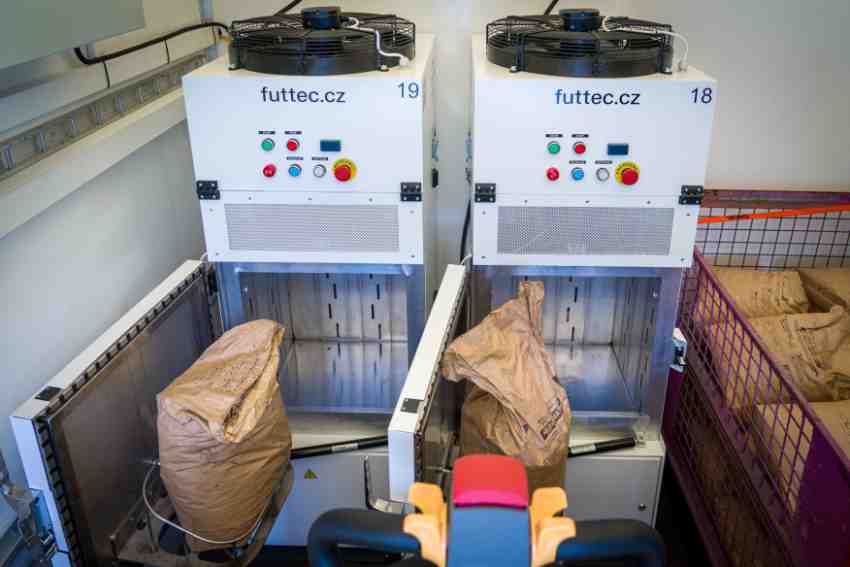
R.H: We manufacture the complete microwave repair ecosystem: the FT-3 microwave patcher for permanent seamless repairs of potholes up to 80 × 80 cm, the FF-9 microwave furnace for heating bagged hot-mix asphalt, and integrated turnkey configurations built on trucks or trailers, including the built in generator. The system works with new, production-quality hot-mix asphalt supplied in 25 kg bags directly from an asphalt plant, available all year round. All equipment is offered exclusively on a lease model, which gives road authorities and contractors access to the technology without a large upfront investment. Repairs performed with the FT-3 carry an above-standard three-year warranty.
What is the state of the market where you are currently active?
R.H: In the Czech Republic the technology is well established: it is part of regular preventive road maintenance and is used by national and regional road administrators on motorways and roads of all classes. Internationally, we are in an active expansion phase across Europe. A key focus is Romania, where we carried out a successful demonstration for CNAIR, Bucharest districts and end users in April 2026 and expect the deployment of a pilot machine in the coming months. Further markets in progress include Switzerland, Germany, the Netherlands (where a pilot machine is in operation), Denmark, Italy, Poland and the UK. The demand driver is the same everywhere: road administrators need durable, economical pothole repairs that can be done all year round, while traditional methods such as cold mix have a very short lifespan and asphalt plants close in winter.
What can you tell us about market trends?
R.H: The clear trend is the shift from reactive to preventive maintenance: repairing a small defect early is far cheaper than a large-scale reconstruction later. Road administrators also increasingly demand year-round repair capability, minimal traffic restrictions and sustainability – our method requires no milling of large areas, and the old asphalt removed from the repair site is returned to the asphalt plant for further use. Finally, digitalisation is coming into road maintenance: data-based planning of repairs according to the actual condition of the road network.
What are the most innovative products/services marketed?
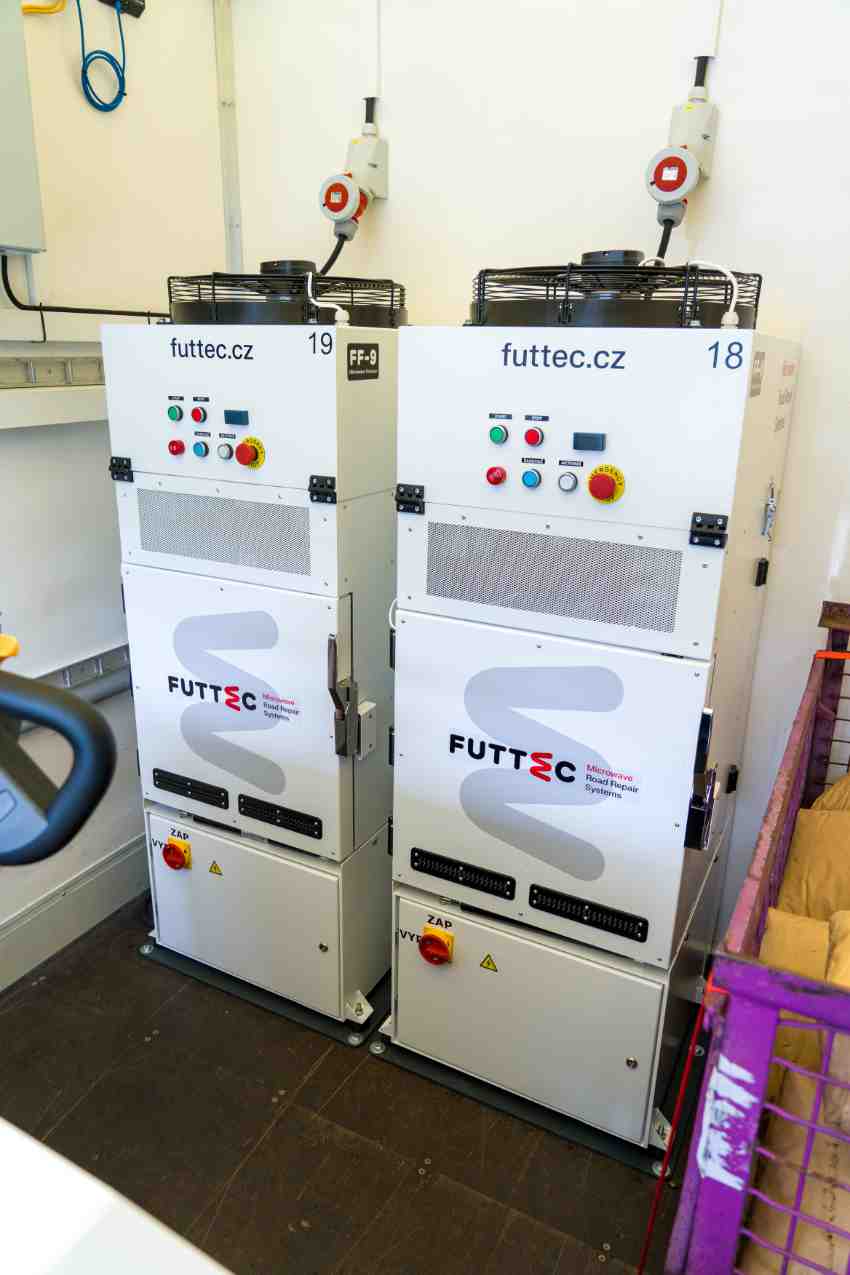
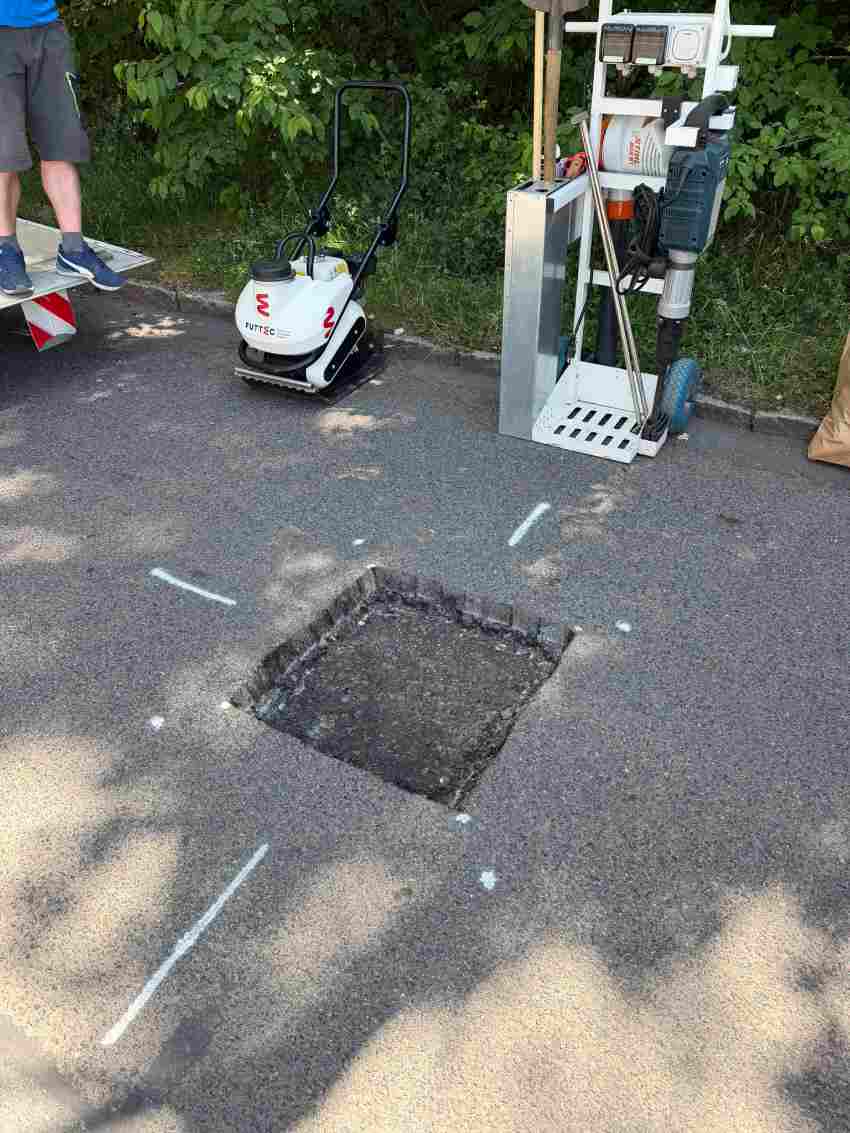
R.H: The core innovation is the patented microwave heating principle itself: “hot asphalt into a hot pothole.” The repair takes five steps in three phases. First, the pothole is prepared with a jackhammer and cleaned before the heating (under 10 minutes). In the second phase, two things happen in parallel: the FT-3 patcher heats the pothole homogeneously – through the wearing course and into the asphalt base layer, without degrading the asphalt binder (approximately 25–40 minutes) – while the 25 kg bags of new hot-mix asphalt are heated in the microwave furnaces inside the truck (around 9–10 minutes per bag). The hot mix is then poured from the bags into the pre-heated pothole.
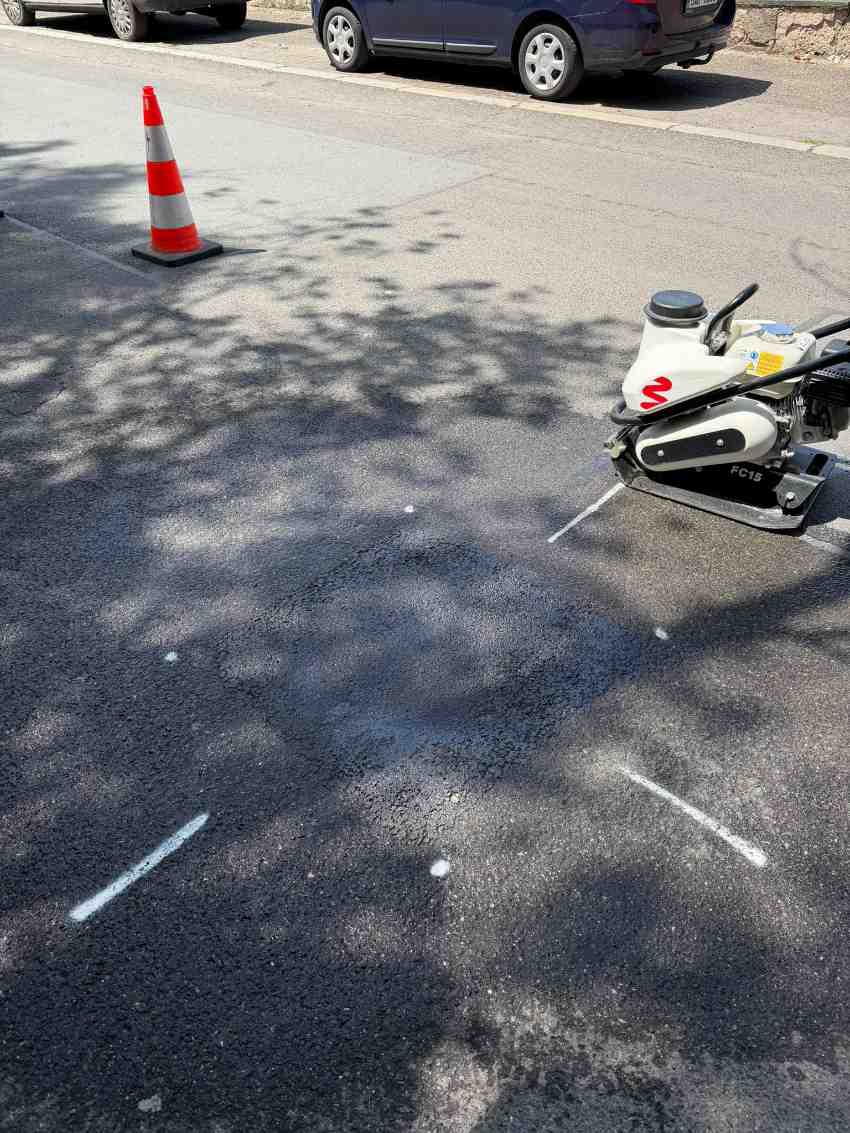
In the final phase, compaction with a plate ensures the seamless merging of the two hot materials (under 10 minutes), so no joint is created for water to penetrate. This makes permanent repairs possible all year round, even at temperatures around −10 °C, and each repair is documented in a protocol that serves as its warranty certificate. We have also developed a system for monitoring potholes using AI and allocating the repairs directly. This allows the microwave road repair to work as a closed-loop ecosystem – from detecting the defects to repairing them and monitoring the road again.
What estimations do you have for the second half of 2026?
R.H: The second half of 2026 will be focused on Europe. In Romania, following our successful demonstration for CNAIR and Bucharest districts, we expect the deployment of a pilot machine in the coming months. We will present the technology at major industry events: the Asphaltica trade fair in Italy, Highways UK, and Vejforum in Denmark. In parallel, we are building a network of local partners and expect the first lease-based pilot projects with road authorities and contractors in several European countries. Our goal is simple: to make permanent, year-round microwave pothole repair a standard part of road maintenance across Europe.