
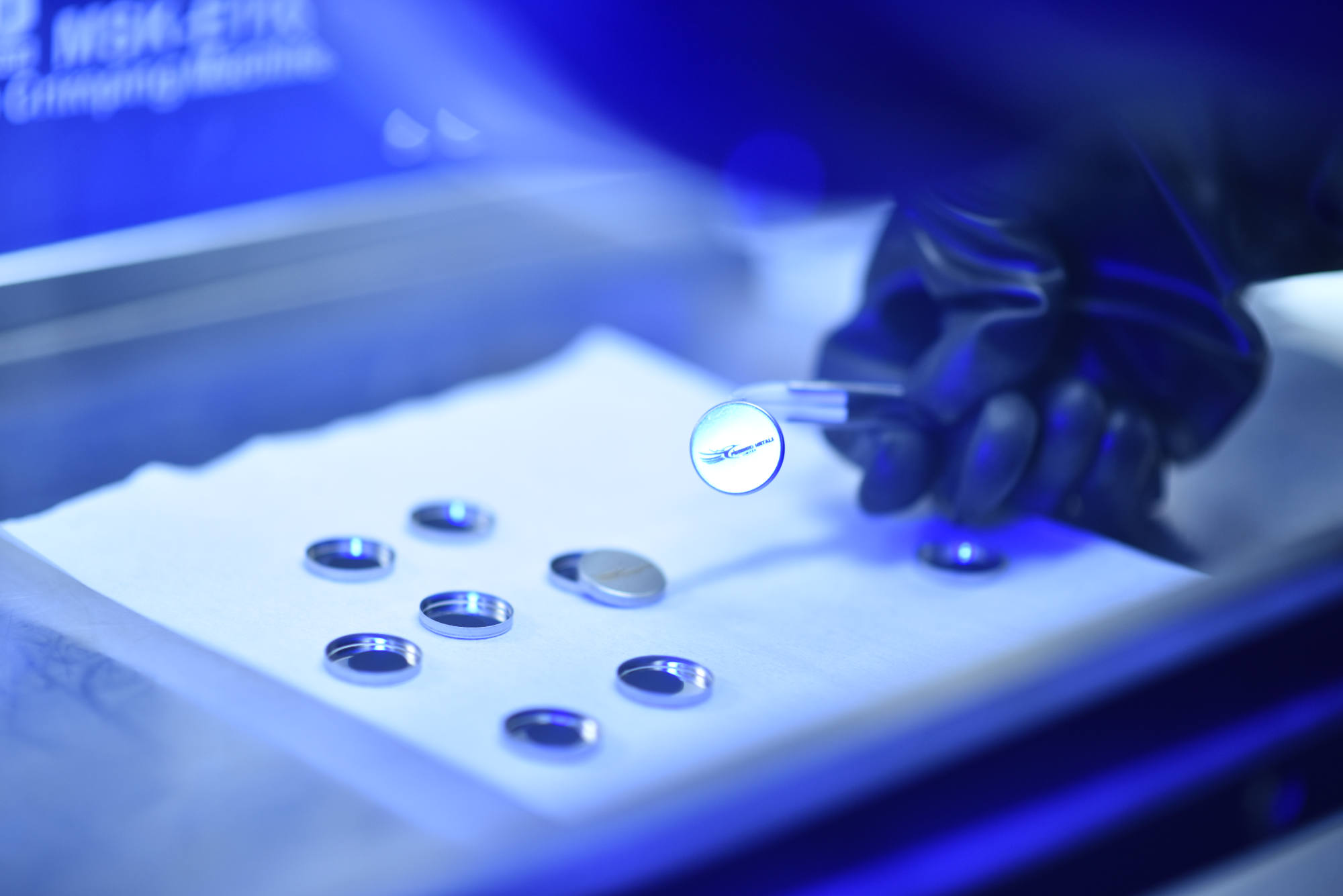
Firebird Metals Ltd (ASX: FRB) is an Australian public listed advanced battery materials company building one of the only fully integrated manganese concentrate-to-manganese sulfate-to-cathode active material (CAM) production capabilities in the Western world. The company’s flagship initiative is the Australian Demonstration Plant (ADP) in Perth — designed to be the world’s first fully integrated manganese concentrate-to-manganese sulphate-to-CAM processing facility outside China.
In April 2026, the Australian Federal Government, through the Australian Renewable Energy Agency (ARENA) Battery Breakthrough Initiative, awarded Firebird a $2 million non-dilutive cash grant to support its construction and commissioning — independent government validation of our proprietary integrated process.
What distinguishes Firebird’s approach is its ability to transform and integrate what has traditionally been a fragmented, multi-facility, multi-country supply chain into a single integrated process. They convert manganese concentrate directly into high-purity manganese sulphate (HPMS), precursor cathode active material (p-CAM) and finished cathode active material (CAM), targeting the lithium manganese iron phosphate (LMFP) and lithium-manganese-rich (LMR) chemistries emerging as the preferred next-generation alternatives to LFP and high-nickel cathodes.
With a wholly-owned pilot plant and R&D centre which has been operating since 2023 based in Jinshi, Hunan, and the ADP under development in Perth, Firebird is firmly positioned at the centre of the Western world’s effort to secure a Western supply of battery cathode materials.
What are the main areas of activity of the company?
There are 4 Pillars to our business:
- First, proprietary processing technology — high-efficiency calcining, advanced crystallisation, and cathode material formulations, protected by five key LMFP patents exclusively licensed to Firebird for all markets outside China through to 2045.
- Second, battery materials production through our wholly-owned pilot plant and R&D centre in Jinshi, Hunan, where we produce HPMSM, p-CAM and CAM.
- Third, demonstration-scale commercialisation — anchored by the Australian Demonstration Plant in Perth, designed as the world’s first fully integrated manganese-to-CAM facility outside China and supported by an Australian Renewable Energy Agency (ARENA) Battery Breakthrough Initiative grant.
A large upstream manganese JORC compliant resource of 176Mt grading at 9.9% Mn located on a granted mining lease in the tier 1 mining jurisdiction of Western Australia
What’s the news about new products/services?
Three material developments so far in 2026. In February, we commissioned proprietary CAM equipment at our China pilot plant and commenced initial LMR cathode production, clearing the way for customer sampling in the second half of the year to support qualification programs with potential Western customers.
Also, in February we executed a license agreement between our 100% owned and controlled China subsidiary and the Australian parent company providing worldwide (ex-China) exclusive use of all LMFP technology patents at no fee until 2045.
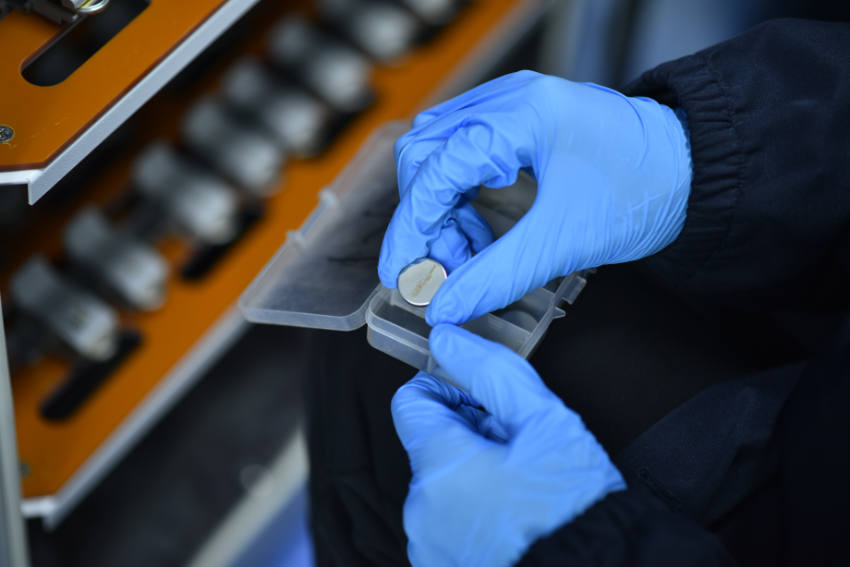
In April, the Australian Government’s ARENA Battery Breakthrough Initiative awarded Firebird a $2 million non-dilutive cash grant — matched dollar-for-dollar by existing Firebird cash — to accelerate construction and commissioning of the Australian Demonstration Plant in Perth. Together, these milestones move Firebird from technology development into demonstration and customer engagement — the critical phase before commercial scale.
What are the ranges of products/services?
Our product range (although not yet commercially available) spans the cathode value chain: battery-grade high-purity manganese sulphate monohydrate (HPMSM), precursor cathode active material (p-CAM), and finished cathode active material (CAM) across three chemistries — LMFP (lithium manganese iron phosphate), LMR (lithium-manganese-rich), and NCM (nickel-cobalt-manganese).
The integrated processing approach removes conventional intermediate handling steps between each stage, which is the source of the energy, capital and operating cost advantage we are designing into the ADP. We are also engaging on technology licensing opportunities with partners in markets outside China, supported by our LMFP patent portfolio.
What is the state of the market where you are currently active?
The cathode market for EVs and ESS is undergoing a structural shift. LFP has displaced nickel-based chemistries in much of the EV and stationary energy storage market on cost and safety grounds, and LMFP is now emerging as the next-generation chemistry — offering meaningfully higher energy density than LFP while retaining its safety, cycle life and cost advantages. Almost all global LMFP cathode material is currently produced in China.
At the same time, governments across North America, Europe and Australia are actively building battery supply chain capability outside China through frameworks such as the US Inflation Reduction Act, the EU Critical Raw Materials Act, and Australia’s Future Made in Australia program. That convergence creates a clear window for Western producers with proven technology and feedstock to capture meaningful market share.
What can you tell us about market trends?
Three trends define our market. First, manganese intensification: cathode makers are progressively moving toward manganese-rich formulations to ultimately reduce costs and dependence on cobalt and nickel, both of which carry significant geopolitical, cost and ESG exposures.
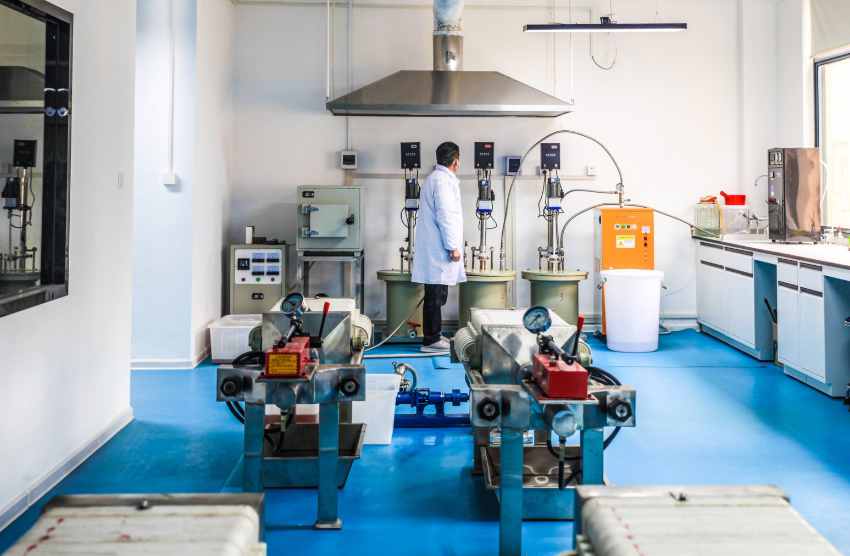
Second, vertical integration: the historic separation between mining, chemical refining and CAM manufacturing is integrating the production process to deliver cost, time and performance benefits., with battery OEMs increasingly seeking traceable, fully-integrated supply chains.
Third, geographic diversification and sovereign supply: Western automakers, defence manufacturers and battery cell producers are placing real value on qualified non-China supply, and that’s translating into substantive commercial conversations around offtake, technology licensing, and project finance.
What are the most innovative products/services marketed?
The Australian Demonstration Plant is the headline. It has been designed as a world-first capability to produce HPMSM, p-CAM, LMFP CAM and LMR CAM within a single integrated facility outside China. Three proprietary innovations underpin it: high-efficiency calcining kiln technology that materially reduces energy intensity, an advanced crystallisation process for HPMSM, and proprietary cathode material formulations. These are protected by five LMFP patents exclusively licensed to Firebird for all markets outside China through to 2045. The integrated process design removes intermediate solid-handling steps that are standard in conventional manganese-to-cathode flowsheets — that’s where our cost, energy and capital efficiency advantage is generated.
What estimations do you have for the second half of 2026?
Our priorities for the second half of 2026 are execution-focused. We expect to progress LMR CAM customer sampling from our China pilot plant into qualification programs with potential Western customers, advance construction and commissioning works on the Australian Demonstration Plant in Perth, and continue commercial engagement with potential strategic partners, licensees and project financiers across North America, Europe and Asia. Beyond that, we look forward to keeping the market updated through our ASX announcements as material developments are confirmed.