

Luxene is a Dutch infrastructure technology start-up developing active guidance lighting integrated directly into pavement markings. The company combines optical fiber technology, centralized light generation and road marking integration to create illuminated guidance lines that remain visible in low-visibility conditions such as darkness, rain, fog and snow. Luxene focuses on improving road safety, reducing light pollution and enabling future adaptive road guidance infrastructure.
Interview with Maarten Tobias, Co-founder & CEO of Luxene.
What are the main areas of activity of the company?
Maarten Tobias: Luxene focuses on the development of:
- Active illuminated pavement marking systems
- Optical fiber-based road guidance technology
- Integration methods for pavement marking applications
- Intelligent and adaptive road guidance concepts
- Sustainable low-light-pollution infrastructure solutions
The company is currently focused on pilot deployments, technology validation and partnerships with road authorities, contractors and pavement marking companies.
What’s the news about new products/services?
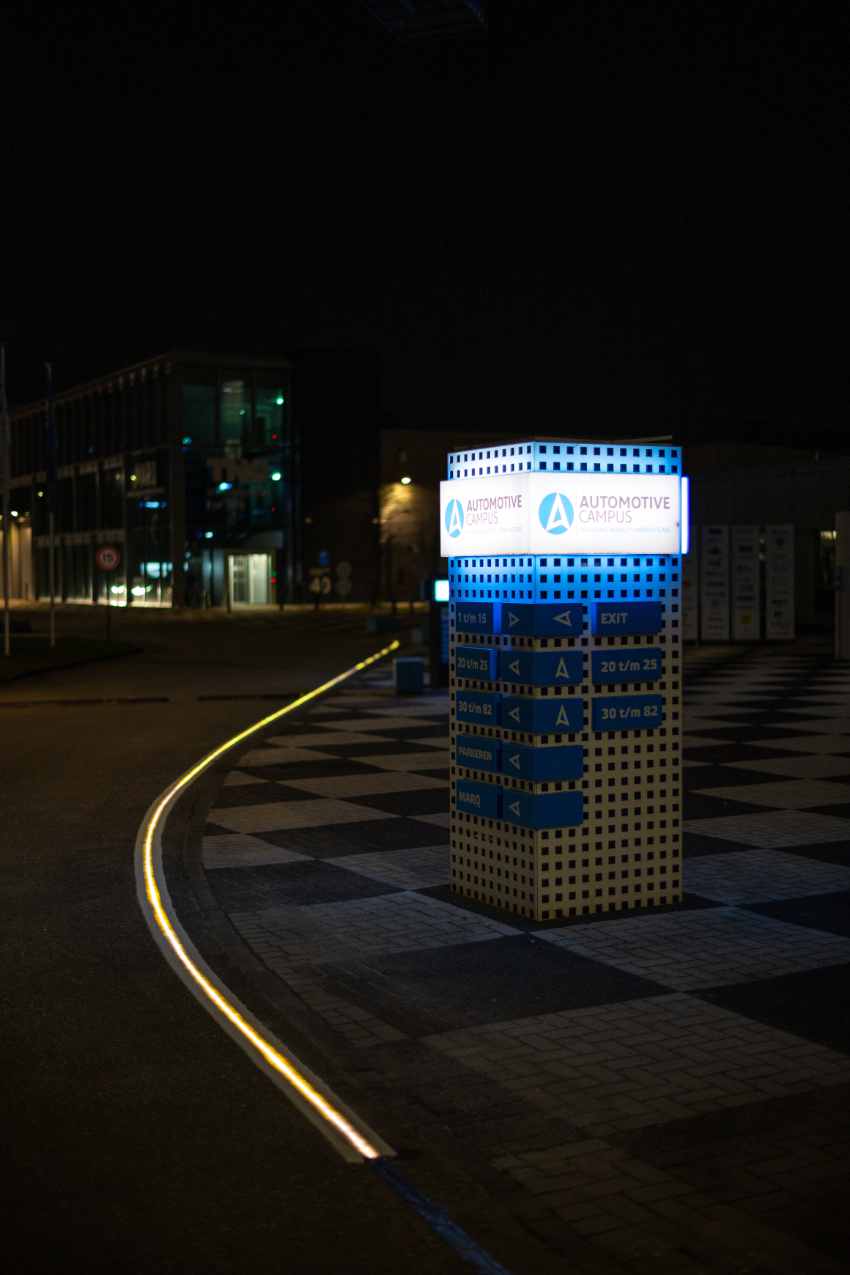
M.T: Luxene recently deployed its first pilot projects in the Netherlands, including installations at the Automotive Campus in Helmond and within the municipality of Maasdriel. These pilots demonstrate active illuminated guidance lines integrated directly into pavement markings using optical fiber technology.
The company is currently further developing the technology towards larger-scale deployments and future adaptive guidance functionality, where road markings may dynamically respond to traffic situations, hazards or environmental conditions. Our aim is to have a commercial product available per end of this year.
What are the ranges of products/services?
M.T: Luxene’s activities currently include:
- Active illuminated pavement marking systems
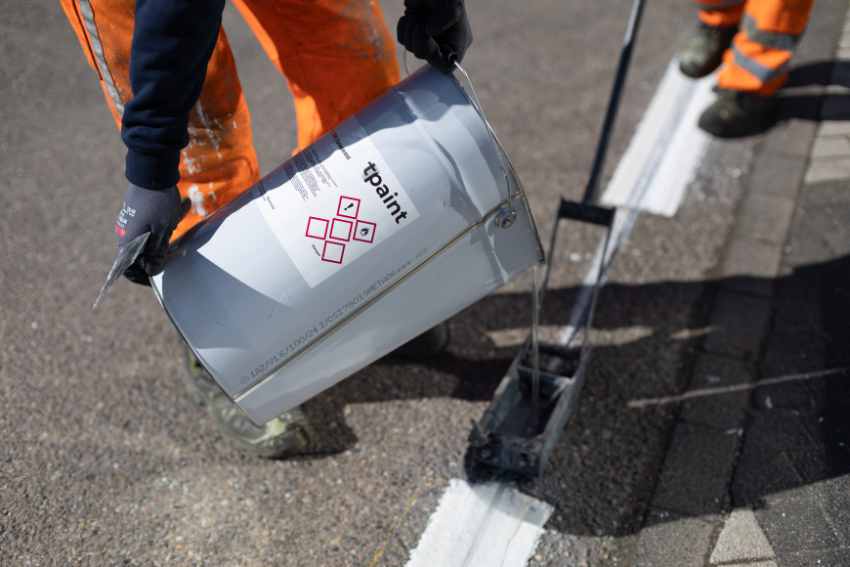
- Guidance lighting for roads, tunnels, cycling paths and infrastructure environments
- Pilot installations and validation projects
- Infrastructure integration support
- Future adaptive and segmented guidance systems for smart infrastructure applications

What is the state of the market where you are currently active?
M.T: The infrastructure and road safety market is increasingly focused on sustainability, energy efficiency and improved safety in low-visibility conditions. At the same time, many regions are reducing conventional mast lighting due to energy consumption, maintenance costs and environmental concerns.
This creates growing interest in alternative road guidance solutions that improve visibility while minimizing light pollution and infrastructure complexity.
What can you tell us about market trends?
M.T: Several important trends are shaping the market:
- Increased focus on road safety and visibility
- Reduction of light pollution and energy consumption
- Growing demand for sustainable infrastructure solutions
- Interest in adaptive and connected infrastructure systems
- Increased attention towards guidance systems that support future autonomous and assisted driving technologies
There is also growing interest in technologies that can add functionality to traditional pavement markings beyond passive reflection alone.
What are the most innovative products/services marketed?
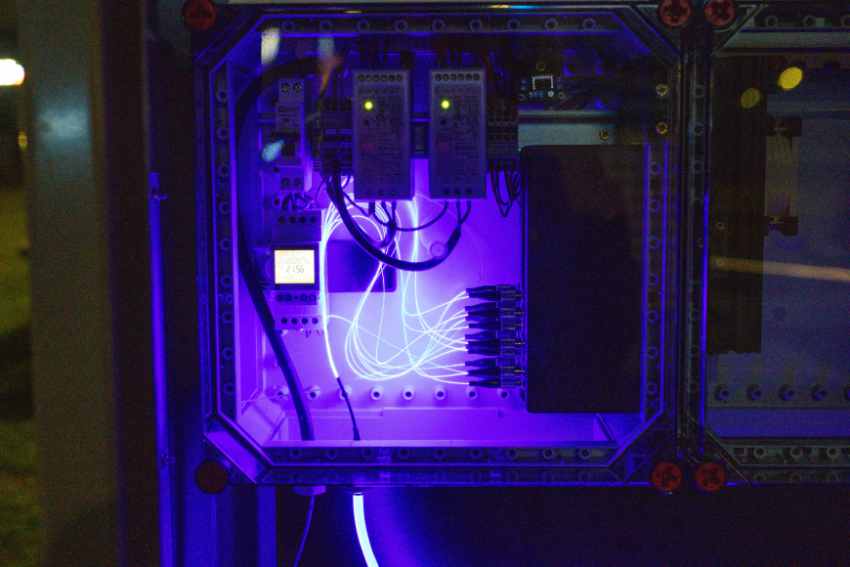
M.T: Luxene’s core innovation is an active guidance lighting system integrated directly into pavement markings without active electronics embedded in the road itself.
Using a centralized light source and side-emitting optical fiber technology, the system creates continuous illuminated guidance lines within the pavement marking. The goal is to improve visibility and road orientation in low-visibility conditions such as darkness, rain, fog and snow.
Unlike many previous illuminated road guidance concepts that relied on embedded LEDs or electronics in the road surface, Luxene’s approach keeps the active components outside the road infrastructure itself. This is intended to improve durability, simplify maintenance and reduce infrastructure complexity.
In the future, the system may also support adaptive guidance functionality, where illuminated markings can dynamically respond to traffic situations, hazards or environmental conditions.
What estimations do you have for the second half of 2026?
M.T: For the second half of 2026, Luxene expects to further expand its pilot activities together with infrastructure and pavement marking partners. The company is currently working towards a larger-scale pilot deployment to further validate the technology in real-world environments and gather additional performance and durability insights.
In parallel, Luxene aims to move towards the first commercial release of its active guidance lighting system by the end of 2026. The focus during this period will remain on technology optimization, integration into existing pavement marking processes and collaboration with road authorities and industry partners.