
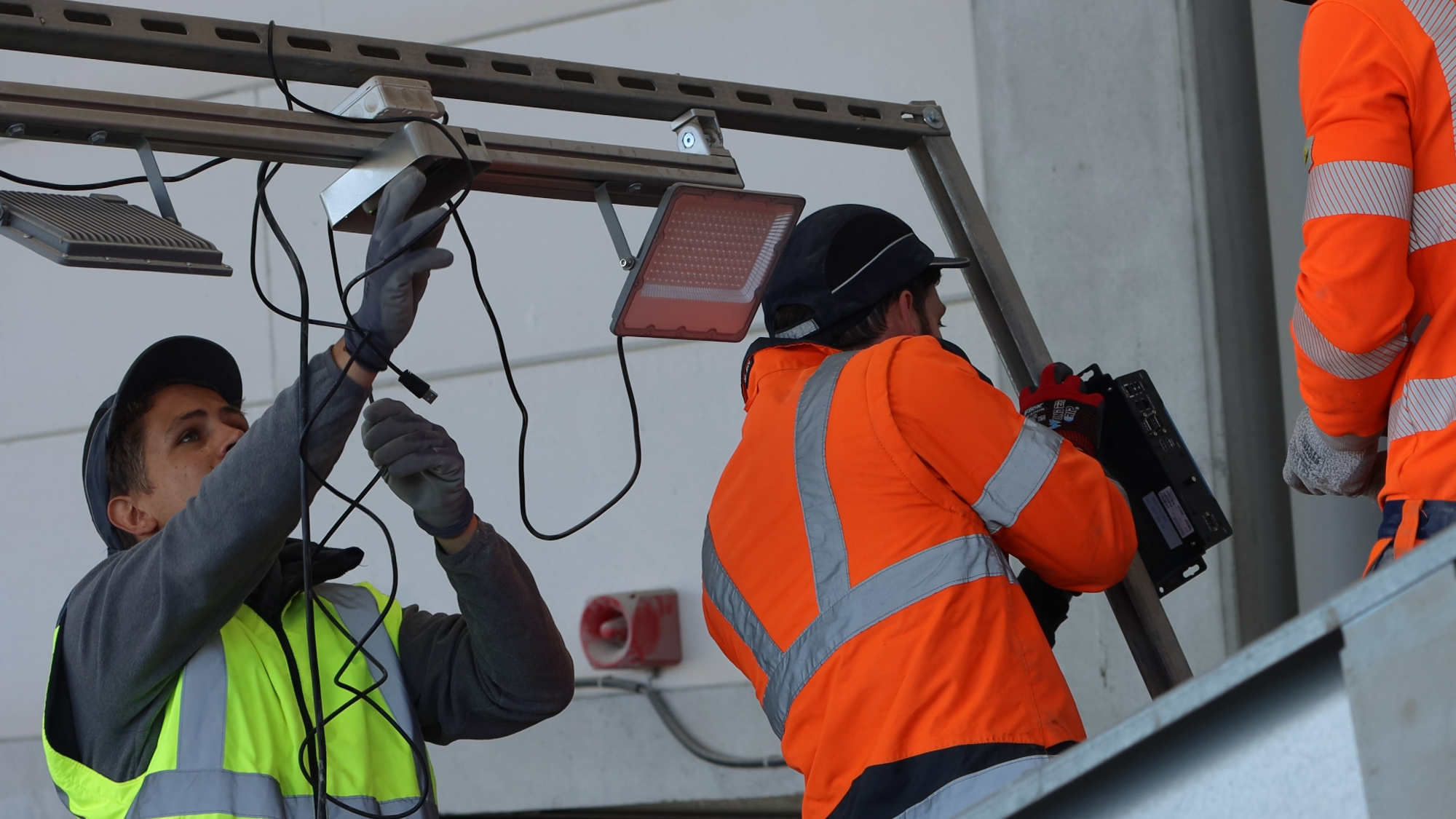
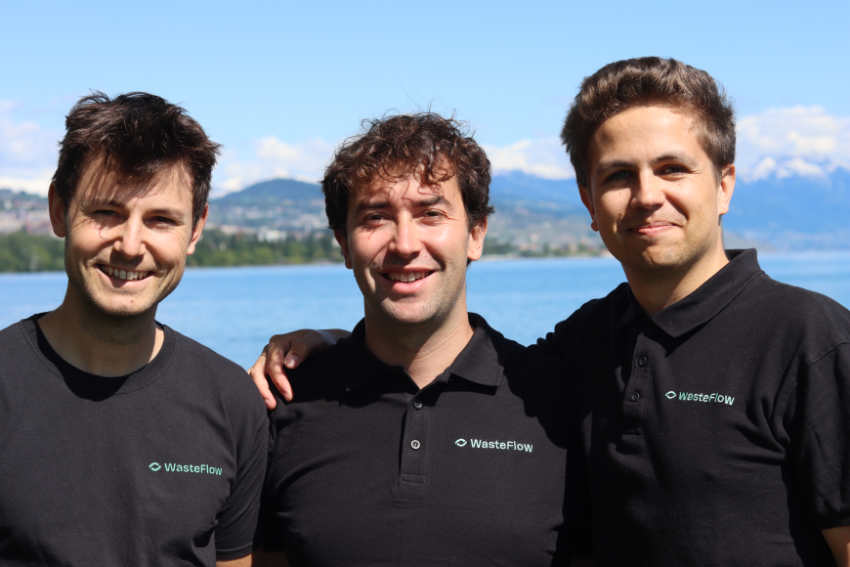
WasteFlow is a Swiss startup founded in 2024 that develops AI-enabled sensor solutions for the recycling industry. The company provides RGBD-based systems that combine image recognition and depth measurement with AI algorithms to analyse waste streams in real time. These solutions improve safety, efficiency and profitability in sorting and recycling plants by monitoring material composition, detecting impurities, predicting blockages and identifying hazardous items such as lithium-ion batteries.
What are the main areas of activity of the company?
WasteFlow is currently active in France, Switzerland and Spain, and is preparing expansion into Germany and the Netherlands. The company works across multiple waste streams, including industrial, municipal, construction, paper and packaging waste. At present, the main focus is on industrial, paper and packaging waste, as these segments show the highest demand. The solution is suitable for all streams with object sizes above 12mm.
What’s the news about new products/services?
WasteFlow is evolving from a real-time analytics provider into a more operationally integrated solution for sorting plants. One recent development is the introduction of alarm lamps connected to its sensors, which provide a simple colour-coded system for monitoring conveyor belt conditions: red for emergencies, orange for warnings, and green for normal operation.
In addition, the company has deployed its first major hardware integration through a PLC plugin that allows automation of conveyor belt speed and stop functions. This improves throughput while maintaining sorting quality, with early results showing increased recycling rates and higher operational efficiency.
What are the ranges of products/services?
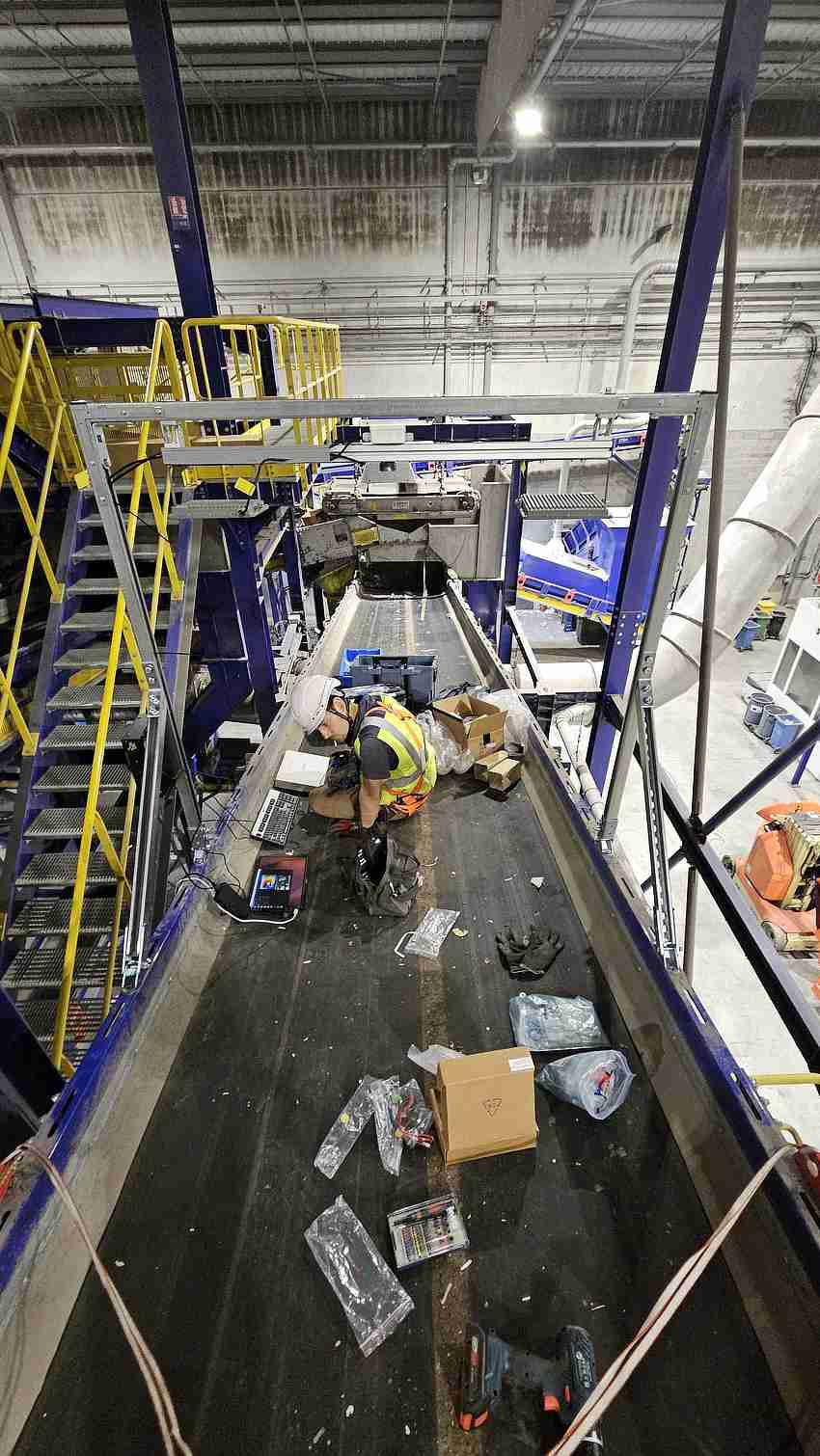
WasteFlow offers a lightweight sensor system that can be installed at multiple points across a facility, creating a digital twin of conveyor operations in real time. The system supports object recognition for quality control, helping facilities detect impurities and improve material pricing transparency during buying and selling processes.
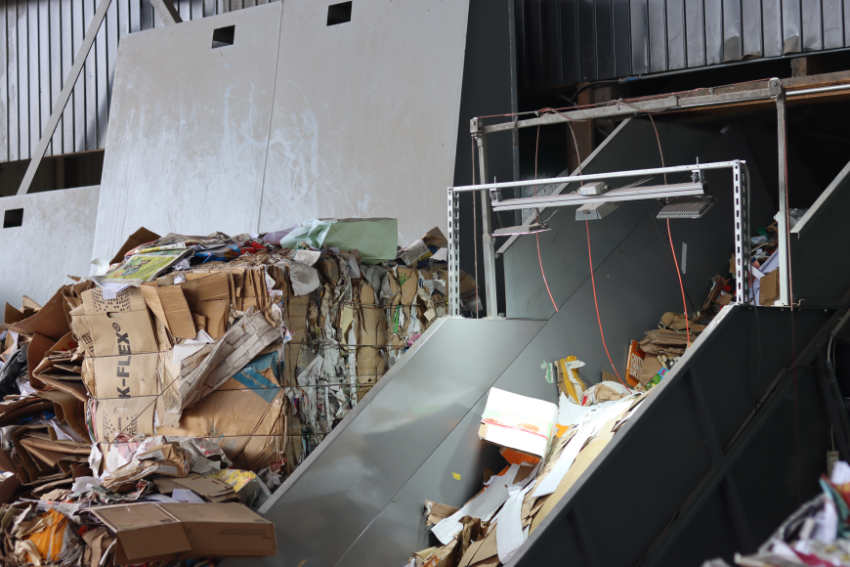
Another key application is predictive maintenance, where the system identifies potential blockages by analysing object size, belt congestion and machine performance, helping prevent unplanned downtime. The platform also automates reporting by generating material composition, mass and volume data in PDF or raw formats, reducing manual work and sample-taking efforts.
Additionally, the system enhances safety by detecting hazardous objects such as lithium-ion batteries or gas canisters, alerting operators before incidents such as fires or explosions can occur.
What is the state of the market where you are currently active?
WasteFlow operates in three European markets and is experiencing growing demand for AI-based solutions across the recycling industry. This increase is driven by rising cost pressure, low margins and the need for greater operational efficiency.
At the same time, new waste streams such as e-waste are creating additional challenges, particularly due to hazardous components like lithium-ion batteries, which increase fire risks and insurance costs. AI-based systems are therefore becoming an increasingly attractive and cost-effective solution for improving safety and efficiency.
What can you tell us about market trends?
The recycling industry is undergoing a clear shift toward digitalisation and AI adoption, with increasing focus on automation and data-driven decision-making. While adoption is still mainly driven by early movers, interest among SMEs is growing steadily.
Most current systems are still semi-automated, with human operators adjusting parameters based on data outputs. Fully automated systems remain rare due to technical limitations and legacy infrastructure. However, the long-term trend is moving toward real-time systems capable of adjusting facility operations without human intervention.
WasteFlow also sees growing demand for hardware integration and machine collaboration, particularly in conveyor belt automation and real-time operational adjustments.
What are the most innovative products/services marketed?
While many innovative solutions exist in the market, WasteFlow identifies strong potential in technologies that improve battery detection and removal from waste streams, due to the increasing safety risks associated with these materials.
From a broader industry perspective, sensor fusion combining NIR and RGBD technologies represents a promising innovation area, although commercial solutions are still limited.
Within WasteFlow’s own portfolio, the most innovative development is the ability to deploy RGBD-based sensors at multiple points to create a digital twin of sorting facilities. This enables advanced analytics and serves as a foundation for further innovation in hardware integration and real-time machine control. A key example is the company’s conveyor belt automation system, which allows real-time adjustment of machine settings based on facility conditions.
What estimations do you have for the second half of 2026?
WasteFlow expects to expand into Germany and the Netherlands by the end of the year. In existing markets, the company is negotiating multiple projects that are expected to significantly scale operations and require team growth beyond the current 12 employees.
The company is also planning additional pilot projects with machine manufacturers to expand its hardware integration capabilities. Overall, WasteFlow remains optimistic about the recycling sector, which continues to show strong momentum. Future plans also include potential expansion into the Balkans, where the sorting industry is growing rapidly, as well as further development of integrated solutions for existing infrastructure.