
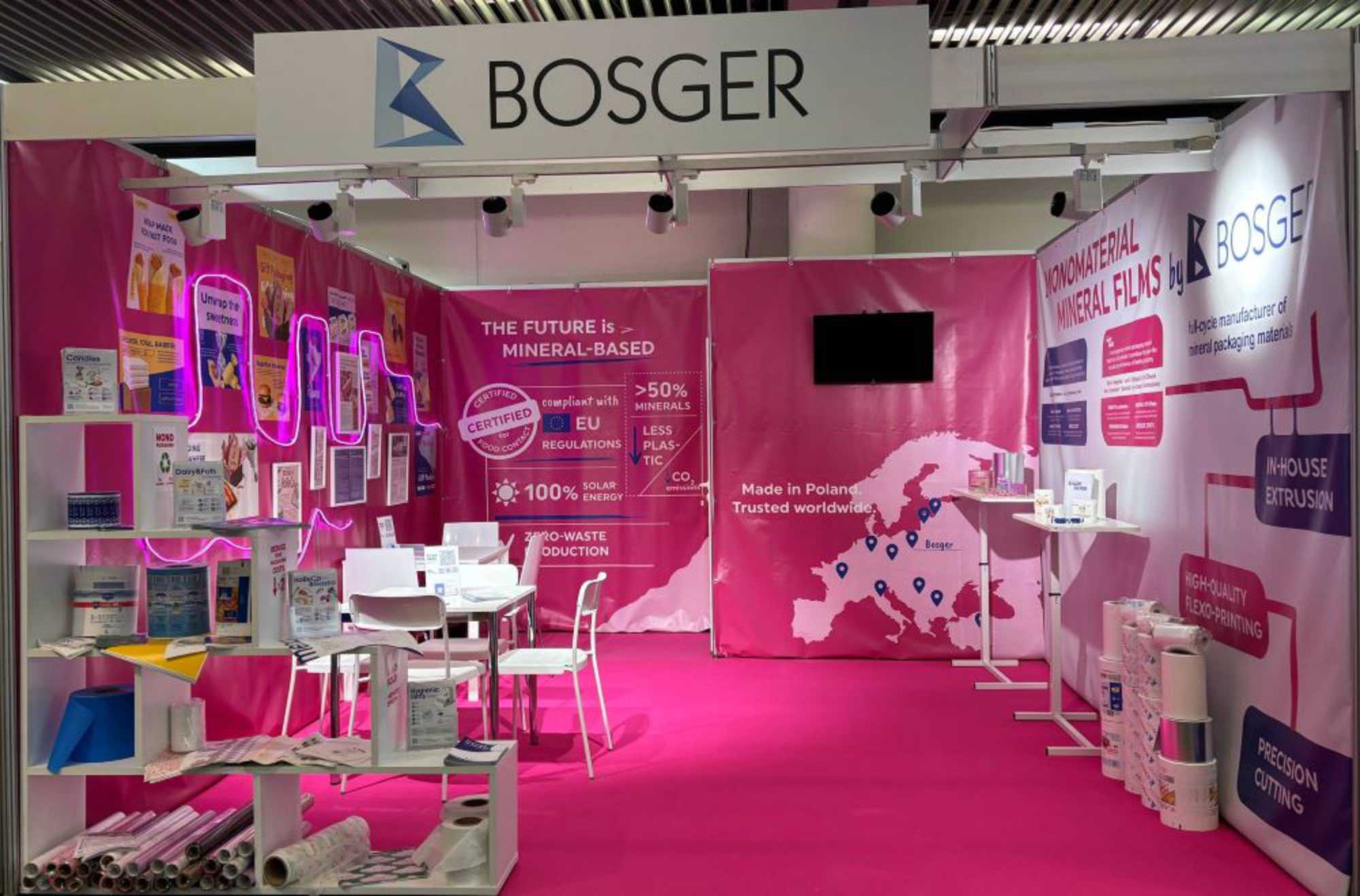
Bosger was born from a simple, but powerful question:Can packaging be both smart and responsible?
The company started with a small team and a big idea. So today, they are a Polish full-cycle production company with strong industrial roots and a global mindset. From the production site near Warsaw with in-house extrusion, printing, and development, Bosger produces flexible packaging materials that are both smart and sustainable.
Interview with Kristina Volkava, Chief Marketing Officer at Bosger.
A brief description of the company and its activities.
Kristina Volkava: Bosger Sp. z o.o. is a Polish manufacturer of innovative mineral-based packaging materials. We founded Bosger in 2018 because we believed the market needed a smarter alternative to traditional packaging solutions. We might not be the oldest name in the industry — but we like to think of ourselves as the one that listens, adapts, and builds with purpose.
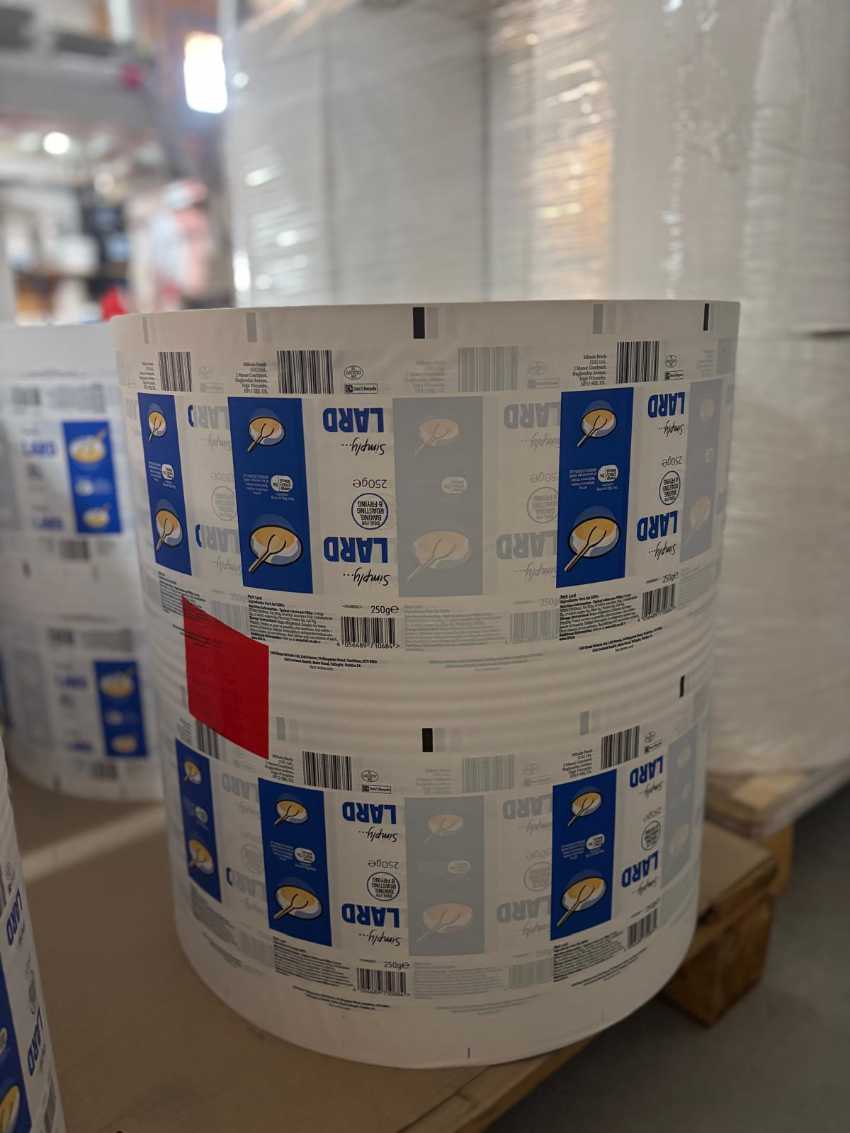
Our flagship product, Mineral Film SP, is an innovative monomaterial containing more than 50% mineral content. It combines the natural look and feel of paper with the technical performance of modern flexible packaging. Today, we develop and manufacture recyclable, PFAS-free and aluminum-free packaging materials that help our customers reduce plastic use while maintaining excellent barrier properties and machine efficiency.
What are the main areas of activity of the company?
K.V: Our main focus is the development and production of innovative mineral films for food and non-food applications. We work primarily with the dairy and fats industry, supplying packaging for butter, margarine, cottage cheese and similar products. Our solutions are also used in confectionery, HoReCa and deli packaging, hygiene products, as well as floral and gift packaging.
In each of these segments, we aim to provide materials that combine sustainability, functionality and premium appearance.
What’s the news about new products/services?
K.V: At the end of 2025, we introduced SP+, an enhanced version of our Mineral Film SP. By refining the formulation, we achieved significantly improved barrier performance, making this material particularly suitable for cottage cheese packaging, where it can extend shelf life by up to two times.
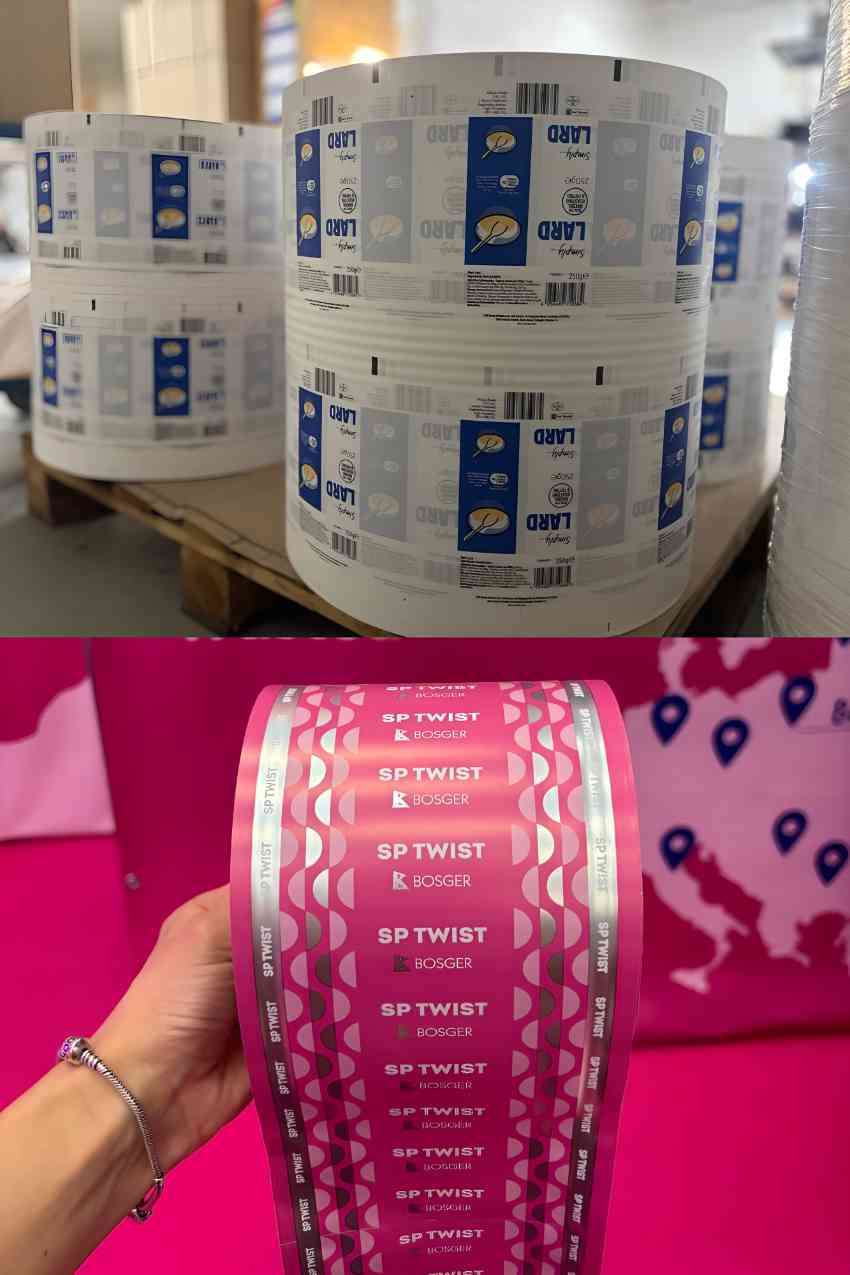
Our next major development is NanoFoil, a vacuum-metallized version of Mineral Film SP. It offers the appearance and barrier properties of conventional foil laminates while remaining recyclable, aluminum-free and compatible with existing packaging equipment.
We presented NanoFoil at Interpack 2026, where it generated strong interest from customers looking for more sustainable high-barrier solutions.
What are the ranges of products/services?
K.V: Our product portfolio is built around one core technology that we adapt to different packaging needs. Starting with Mineral Film SP, which we also call Smart Paper, we have developed solutions with enhanced barrier performance, metallized structures, and customized formats for a wide range of applications.
Today, our materials are used in dairy packaging, confectionery, hygiene products, foodservice, and decorative packaging. What makes this technology especially versatile is that the same material base can be adapted to very different industries and performance requirements. So beyond supplying the material itself, we work closely with our partners to fine-tune each structure to their product, equipment and shelf-life goals.
What is the state of the market where you are currently active?
K.V: The flexible packaging market is going through a period of meaningful transformation. Sustainability remains a key driver, but today the discussion is much more practical than it was a few years ago.
Manufacturers are no longer looking for “green” solutions in theory — they need materials that can exceed the performance of traditional structures while fitting into existing production processes.
This is especially evident in food packaging, where efficiency remain non-negotiable. As a result, we see growing demand for materials that reduce plastic content, improve recyclability and eliminate components such as aluminum and PFAS without compromising functionality.
What can you tell us about market trends?
K.V: One of the most important trends is the shift from complex multi-material laminates to simpler, recyclable mono structures. So the industry is rethinking long-established materials such as laminated foil, asking whether the same technical performance can be achieved in a more sustainable format.
Perhaps the strongest trend of all is the move toward practical innovation. The solutions gaining the most attention today are those that help manufacturers meet sustainability targets without requiring new equipment or significant process changes.
What are the most innovative products/services marketed?
K.V: In our view, the most innovative packaging solutions on the market today are those that successfully combine high barrier performance, recyclability and compatibility with existing production equipment. For many years, manufacturers had to choose between technical performance and sustainability. Today, the most advanced materials are closing that gap by offering both.
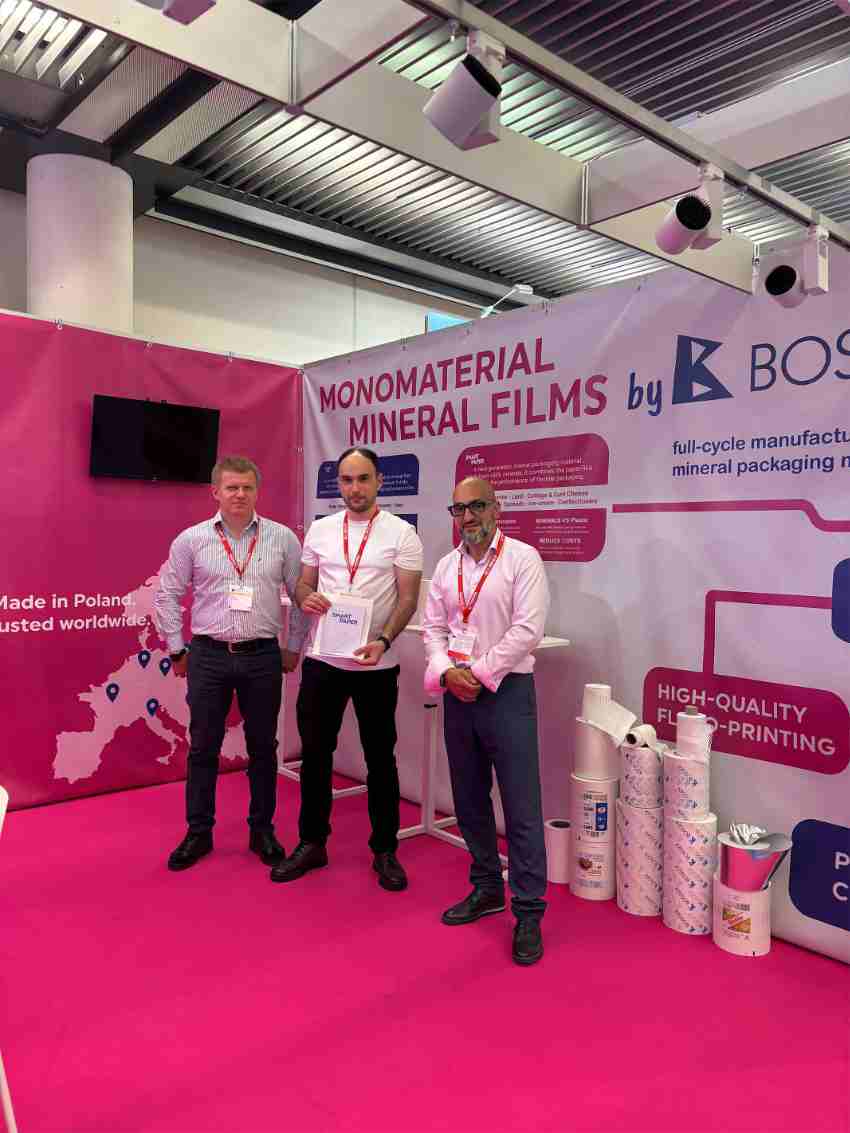
From this perspective, we believe our own developments reflect exactly where the market is heading. For us, true innovation is not about complexity. It is about solving real packaging challenges in a way that is practical, efficient and more sustainable.
What estimations do you have for the second half of 2026?
K.V: We expect the demand for sustainable high-barrier packaging materials to continue growing throughout the second half of 2026.
For Bosger, the key priority will be the commercial launch of NanoFoil and further expansion across European markets. We also plan to continue developing new applications for our mineral film technology in close cooperation with our partners.
We believe that companies offering practical, high-performance alternatives to traditional materials will be well positioned for continued growth.