
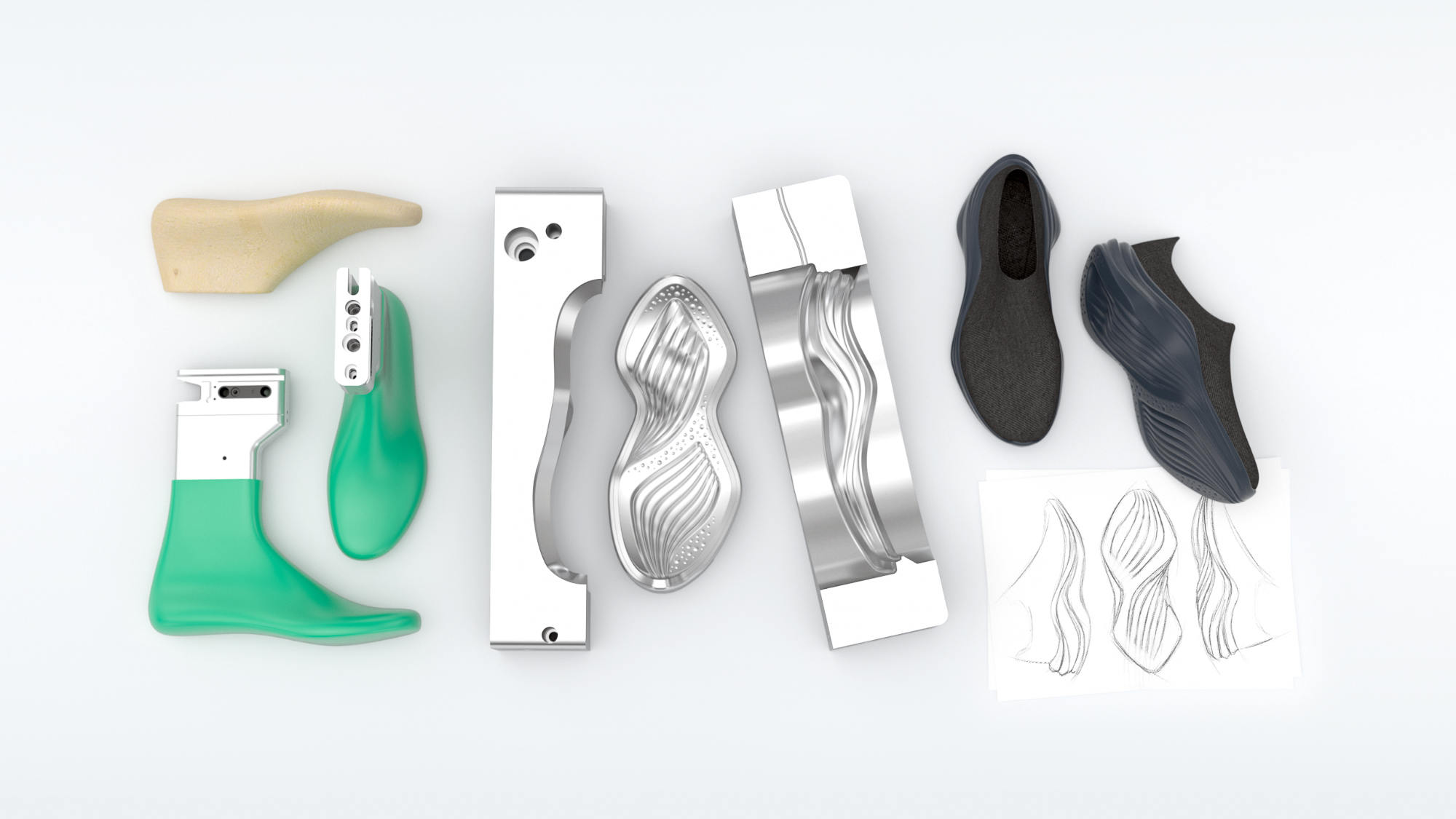
Fagus is a German industrial supplier specialized in tooling, engineering, and manufacturing solutions for footwear production especially for direct soling processes and automated shoe production.
The company operates from Alfeld, Germany since 1911 and was reorganized into an independent company structure beginning in 2024 to sharpen its footwear focus even more.
As a manufacturing partner apart from the footwear industry, Fagus also draws on their experience in CNC milling for the medical technology, mechanical engineering industries and more.
Interview with Ronja-Julie Nebelin, Head of Product Design & Marketing at Fagus GmbH.
What are the main areas of activity of the company?
Ronja-Julie Nebelin: Fagus is a company that develops highly customized products requiring intensive development, which are then manufactured using CNC milling machines. Core capabilities include shoe-last development and production, CAD engineering, mold production, general high precision CNC milling, and production support for the direct soling shoe industry. The project development process is streamlined, with seamless integration between manual and digital work.
What’s the news about new products/services?
R.J.N: Fagus recently invested in expanding automated production capabilities for shoe lasts. The new milling center can now operate autonomously and efficiently during the night and at weekends. The investment reduced setup complexity and increased throughput while supporting energy efficiency goals. Speaking of energy, Fagus has also considered how to make better use of power resources. An automatic shut-off system detects when milling tasks are complete and puts the machines into standby mode.
What are the ranges of products/services?
R.J.N: Broadly speaking, our services fall into four categories. Firstly, there is the last, which forms the foundation of almost every shoe. At Fagus, the last is handcrafted from a physical wooden model, digitized and then produced. For mass production, the last is milled from either HDPE, a plastic designed to withstand extreme stress, or aluminum.
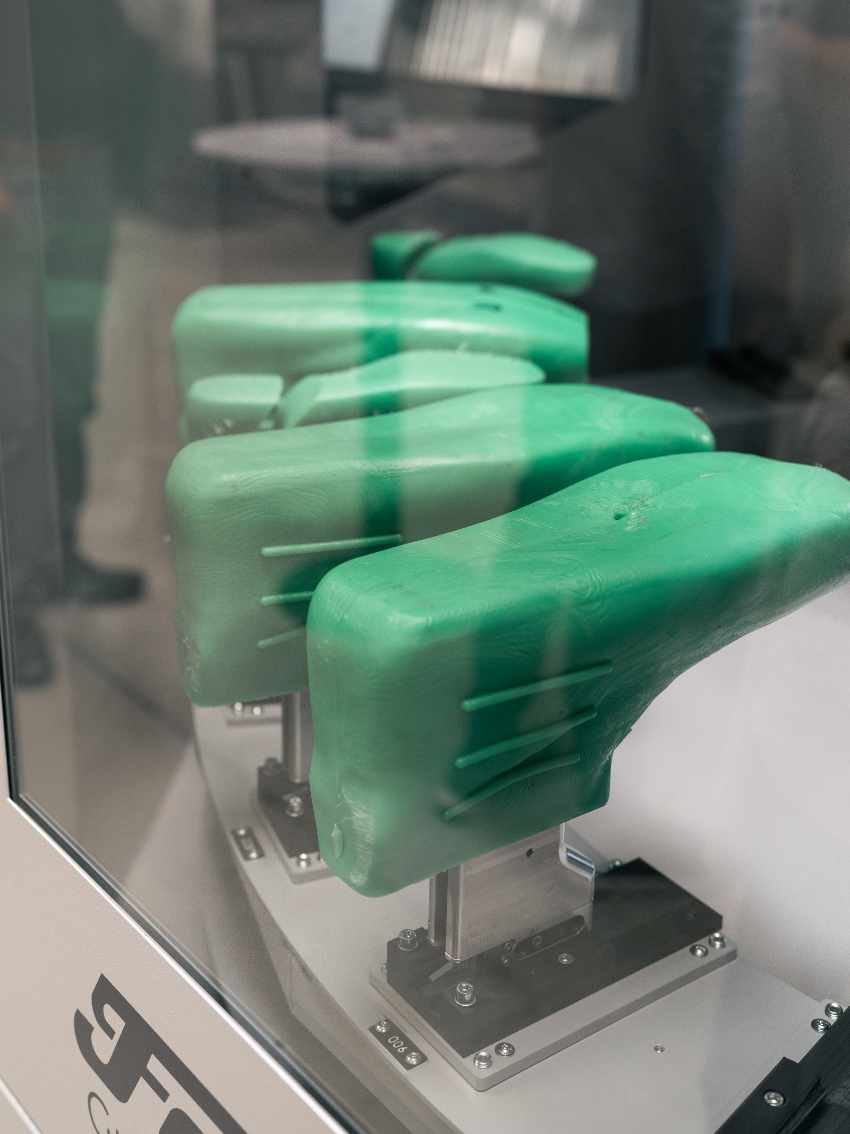
Next up are our CAD services. We offer design work, 3D modelling and rapid prototyping, as well as CAD and CAM construction for milling lasts and molds.
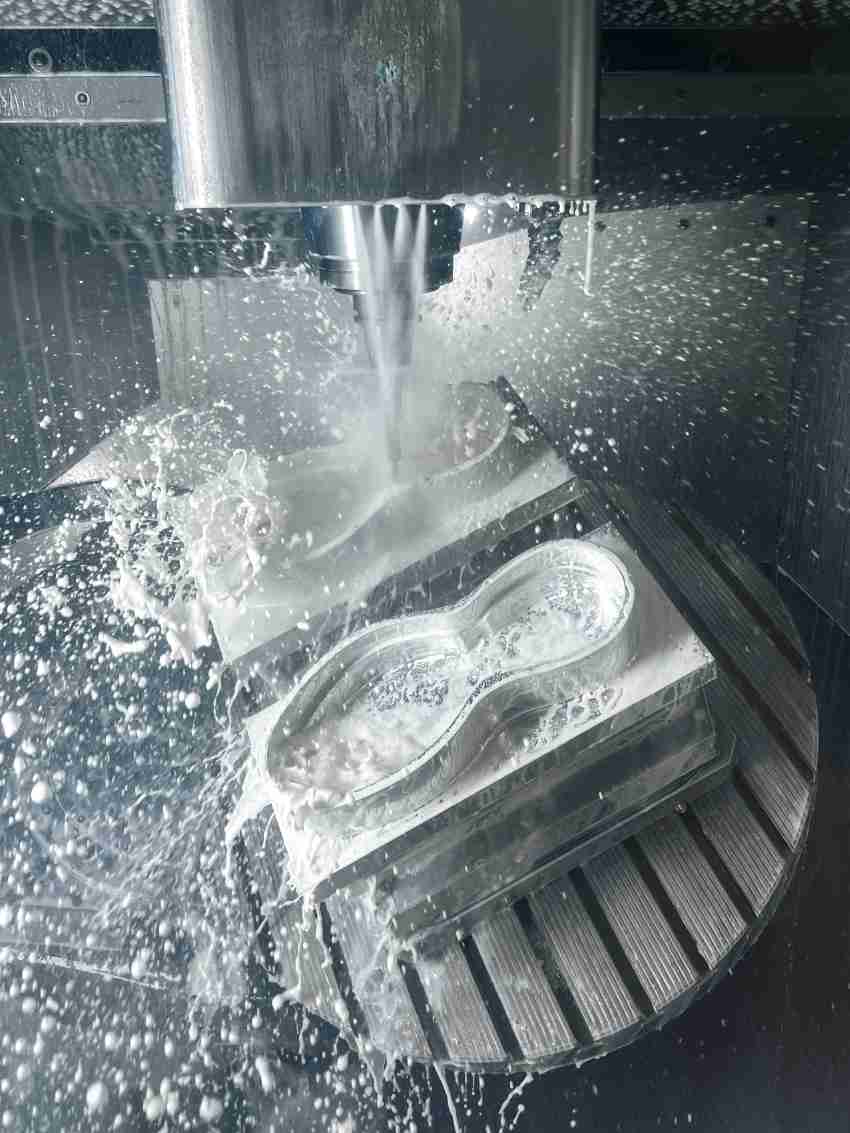
The third part of our business is our mold-making department. We manufacture and finish molds here using our seven milling centers, from prototype molds to production molds. The close integration of all departments within the company enables us to respond quickly to enquiries and remain competitive.
The final area in which we are currently expanding is technical milling work for a variety of industries. During slow periods in the footwear industry, we aim to leverage our expertise and apply it to other fields where there is demand for CNC-machined parts. Thanks to our numerous milling centers, we can respond quickly and flexibly.
What is the state of the market where you are currently active?
R.J.N: The footwear industry is difficult to predict in some respects due to short development cycles, the need to act quickly and the general volatile demand in the fashion and consumer goods sectors.
The overall market situation is mixed. While the general demand is growing for tools and equipment used in the direct injection molding of shoes, shoe manufacturers are also cautious about the higher costs associated with these tools and components. However, in the safety footwear market, these investments are growing steadily to produce high quality and extremely durable shoes. For premium and industrial footwear producers, it seems like process reliability and repeatability increasingly matter more than lowest-unit-cost sourcing.
What can you tell us about market trends?
R.J.N: Automation, digital product development and precision manufacturing are increasingly driving the footwear industry. Factories are adopting machine-assisted production and CAD/CAM workflows to improve efficiency, accuracy, and product quality. Additionally, sustainability has become a key procurement factor, with manufacturers prioritising reduced material waste, optimised processes and energy-efficient production. These trends favour suppliers that combine engineering expertise with efficient manufacturing capabilities.
What are the most innovative products/services marketed?
R.J.N: What sets Fagus apart in the footwear industry is that we provide direct injection solutions as a complete package. This eliminates many transitional steps in the development process that can lead to errors. Once the physical last has been digitized, we remain in the digital space for sole and mold construction where all our systems are interconnected and work together until the finished product has been milled. Using CAD, we can ensure that all components are accurate to within one-tenth of a millimeter. This ensures reliability in production, saving valuable time and money during development.
What estimations do you have for the second half of 2026?
R.J.N: Our outlook remains positive because, as we have seen in the past, the footwear market continues to experience ups and downs.
Naturally, we hope to see continued growth in demand for digital workflows and direct injection moulding tools. We are counting on customers retrofitting their production lines, some of whom may also be shifting more of their overall production back to Europe. However, we are already well-positioned for global shipping and provide the highest quality components to ensure outstanding results in the finished shoe.
We are optimistic that the market will become more agile again and that we can maintain this positive trend through to 2027.