
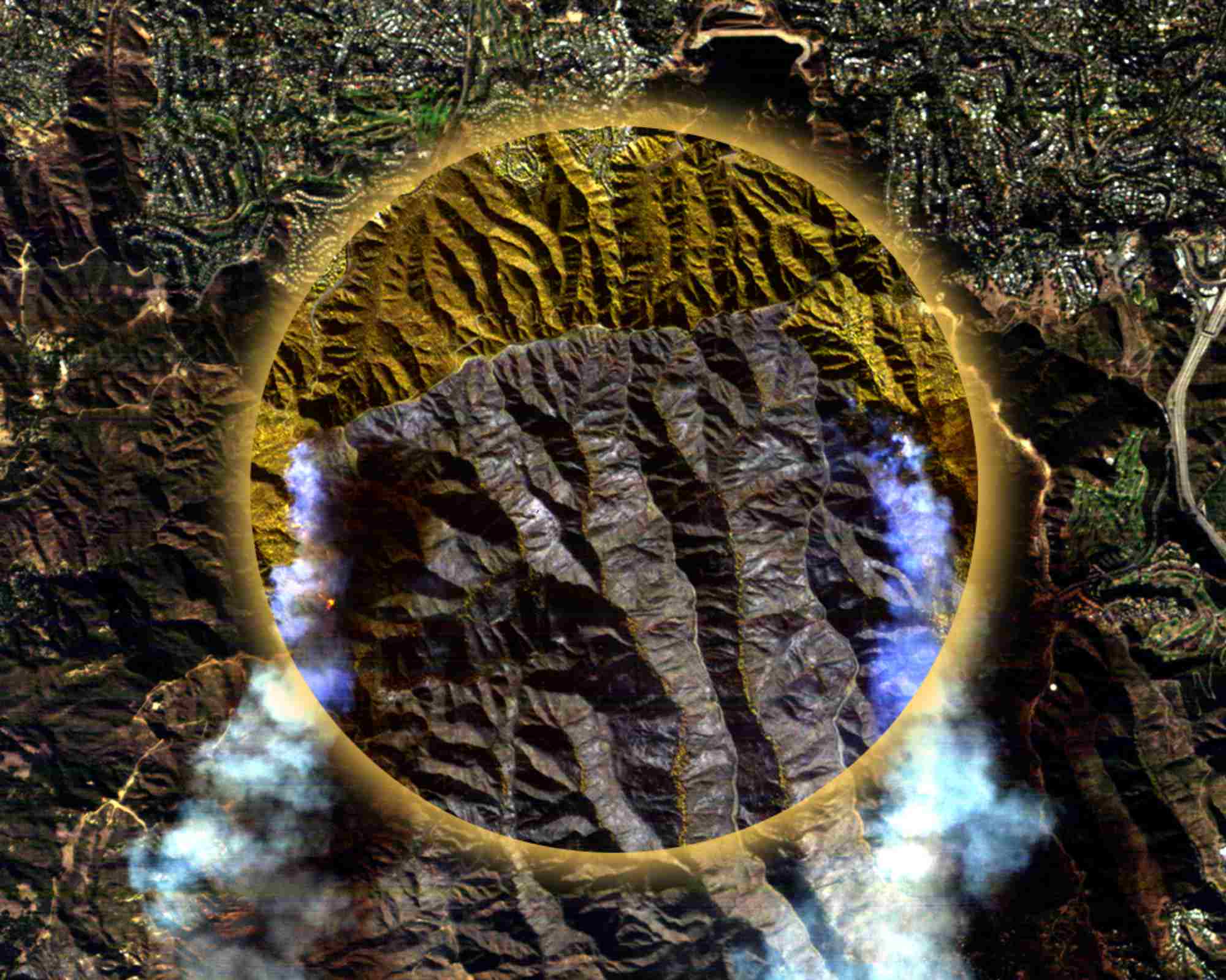
Transitioning Earth observation from a reactive imaging service to a proactive, near real-time intelligence capability requires fundamental shifts in orbital architecture and signal processing. High-frequency revisit times, multispectral and hyperspectral payload convergence, and onboard edge AI processing now allow satellites to generate actionable intelligence in as little as 30 minutes, processing critical data in orbit before transmitting insights to ground stations. As European institutions increasingly prioritize sovereign, shared space infrastructure, mutualised satellite constellations enable scalable access to high-resolution imagery for wildfire mapping, vessel tracking, and disaster response through integrated solutions like OpenConstellation 1.0, the Hyper-500 payload, and the DataCosmos platform.
A brief description of the company and its activities.
Open Cosmos is a European space company on a mission to solve Earth’s critical challenges with actionable data and connectivity from space.
The company simplifies access to orbit by delivering a complete, end-to-end service for satellite missions – from design and manufacturing to launch and operations. A cornerstone of this mission is the OpenConstellation, a mutualised satellite infrastructure that redefines how institutions access vital information.
This collaborative approach makes space simple, affordable and scalable, enabling partners to share infrastructure capacity and assets for broader global coverage and more frequent insights.
By equipping clients to drive innovation in Earth observation, IoT connectivity and secure communications, Open Cosmos is not just launching satellites, it’s building a better future powered by space technology to understand and connect the world.
What are the main areas of activity of the company?
Open Cosmos has three main business areas: Satellite Infrastructure, Data Services and Connectivity Services.
Through our Satellite Infrastructure business, we design, build, launch and operate satellites. We offer end-to-end mission delivery through OpenOrbit, as well as OpenConstellation, a shared Earth observation constellation where customers contribute satellites and benefit from greater data availability and more frequent coverage.
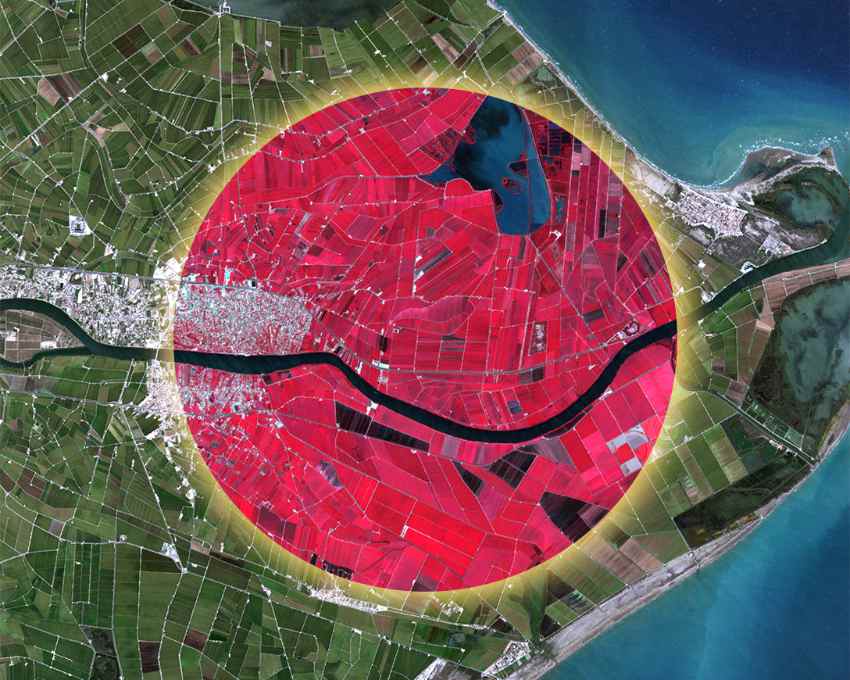
Our Data Services business provides satellite imagery, analytics, and onboard processing through DataCosmos, which enables customers to task and process data from our Earth observation satellites.
The final business area is our Connectivity Services, which through our ConnectedCosmos constellation provides Ka-band broadband, as well as satellite connectivity for IoT and direct-to-device (D2D) applications.
What’s the news about new products/services?
2026 has been a significant year for our Earth observation business, with the launch of OpenConstellation 1.0, our next-generation EO infrastructure designed to deliver actionable intelligence in as little as 30 minutes.
In July, Open Cosmos launched Hyperion GR-1 and Posidònia, the first two satellites of Open Constellation 1.0 were launched, for the Greek and Balearic Islands governments respectively.
We have also continued to expand DataCosmos, our data user platform that provides customers with secure, scalable access to satellite imagery, infrastructure capacity, tasking, and analytics. HYPER-500 was also recognised with the 2026 EARSC EXPANDEO Product Award for its innovative onboard processing capabilities.
What are the ranges of products/services?
Open Cosmos’ Earth observation offering covers satellite imagery, data tasking and onboard processing capability.
Through our data user platform, customers can access and process data from our own EO constellation, including high-resolution, multispectral and hyperspectral imagery, and use these datasets to generate actionable insights for applications such as environmental monitoring, infrastructure, agriculture, energy and climate resilience.
What is the state of the market where you are currently active?
The Earth observation market is moving from a model centred primarily on delivering imagery to react to events that have already happened towards one focused on delivering timely intelligence and business outcomes so that actions can be taken in near real-time. In this way, Earth observation is evolving from a reactive to a proactive capability.
Demand is growing for higher-resolution, more frequent and more easily accessible data, particularly from governments and enterprises seeking greater resilience, environmental insight and operational awareness. Of course, all of these demands also sit within the context of Europe placing increasing emphasis on sovereign and resilient space capabilities.
What can you tell us about market trends?
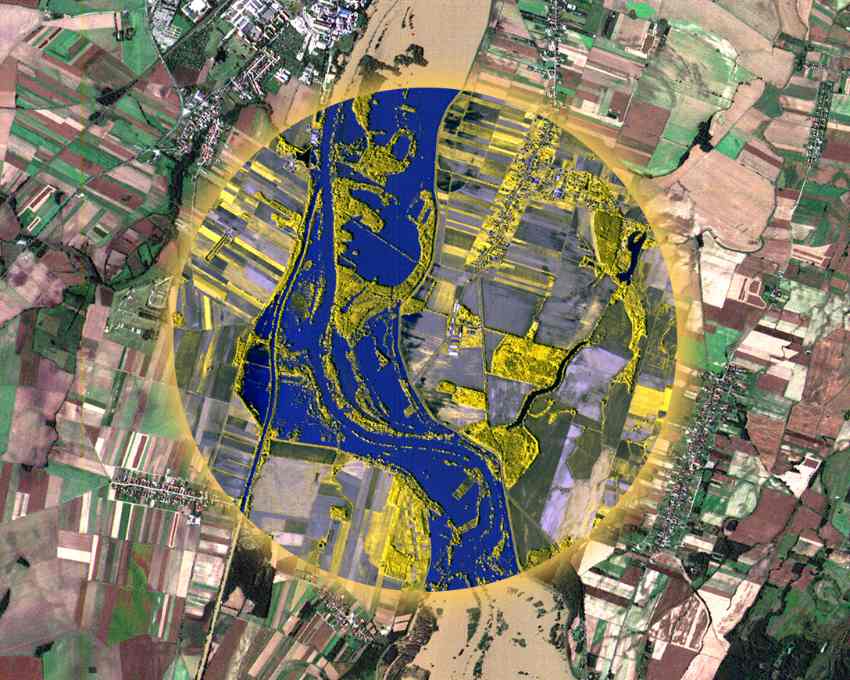
We are seeing growing demand for Earth observation data that can support faster, more informed responses to natural disasters and climate-related events. The priority is increasingly shifting from simply capturing imagery to delivering timely, actionable information to support effective and timely response and rescue efforts. This shift is in part fueled by the influx on onboard processing, which processes space data before it reaches the ground.
A recent example was the response to the earthquakes that struck Venezuela earlier this year. Open Cosmos provided satellite imagery to the UN to support its response to the crisis, contributing to wider efforts to assess the damage and support the broader humanitarian response.
What are the most innovative products/services marketed?
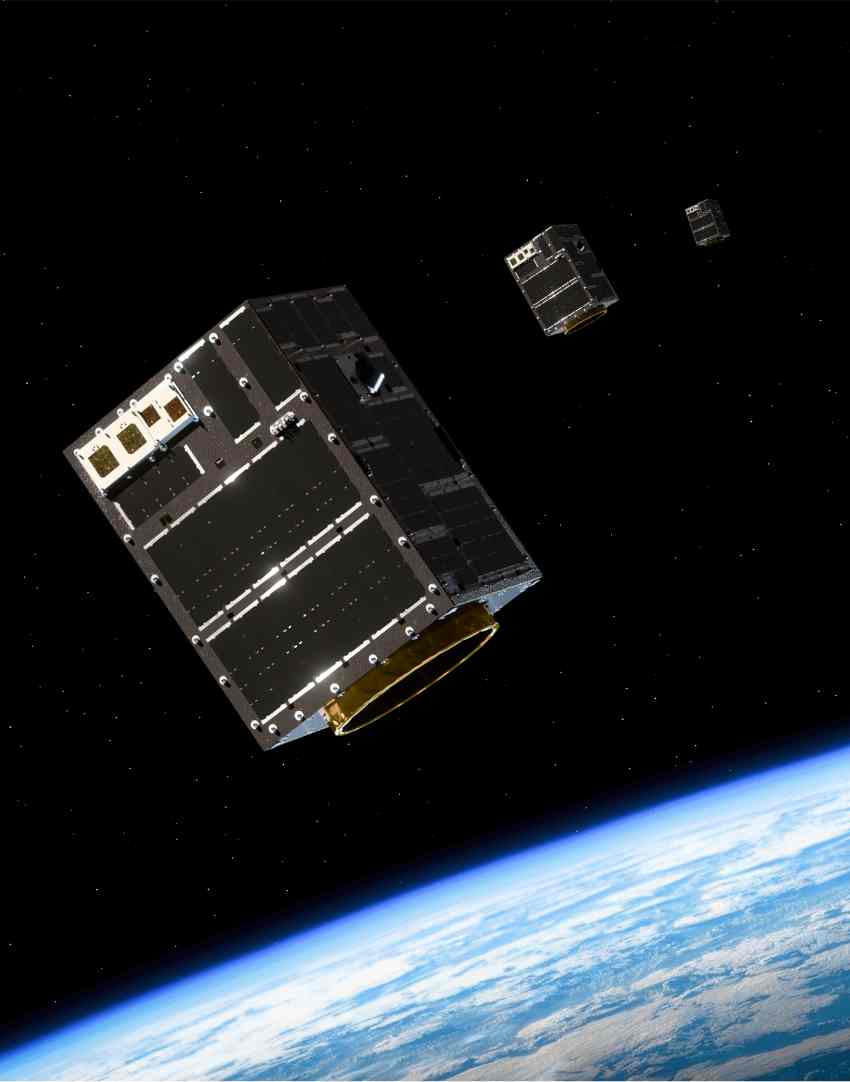
OpenConstellation 1.0 is a key example, which increases daily revisit time, enhances the spatial resolution and spectral range in a bundled product, and features onboard processing capabilities.
The Hyper-500 constellation is another standout, using hyperspectral imaging across 32 contiguous VNIR bands at 5m resolution, providing detailed chemical signatures beyond conventional multispectral sensors, with onboard edge processing enabling insights within minutes. Key applications include rapid vessel detection and dark-vessel identification using AI and AIS data, precision agriculture through biomass and nitrogen analysis, and wildfire mapping by detecting elemental signatures from combustion.
What estimations do you have for the second half of 2026?
We expect the second half of 2026 to be characterised by continued growth in demand for high-frequency, actionable Earth observation data, particularly as organisations look to use space-based intelligence for resilience and environmental monitoring.
For Open Cosmos, the priority will be to continue scaling OpenConstellation 1.0 and our data services, driving our industrialization efforts in our manufacturing facilities across Europe and continuing to grow across the globe.